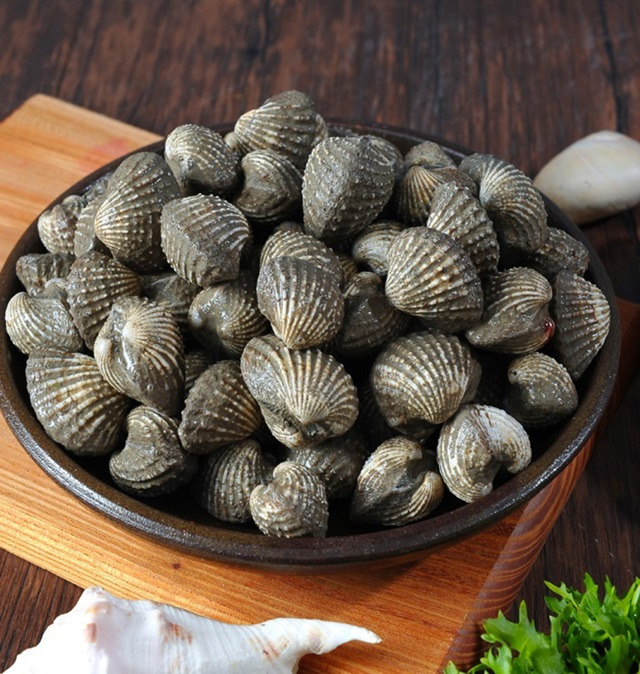
“Every winter I start craving spicy cockle salad.”
“If I’m feeling tired and a bit anemic, are cockles actually good for me?”
Cockles are one of those classic winter shellfish dishes that often show up on the dinner table.
But when you’re about to buy and cook them, a few questions usually pop up:
- Are cockle benefits really as good as people say?
- Are there any cockle side effects I should worry about?
- What’s the safest way to eat cockles?
- And what’s the best way to cook cockles so they’re tasty and safe?
Cockles are rich in protein, iron, and vitamin B12, which can help support energy, anemia, and overall blood and vessel health.
At the same time, because cockles are shellfish, food safety and cooking methods matter a lot if you want to avoid side effects.
In this article, we’ll walk through:
- What cockles actually are
- Science-backed cockle benefits
- Possible cockle side effects and who should be careful
- How to cook and clean cockles safely
- The healthiest ways to enjoy cockles at home
All in one place, in a way that’s easy to understand.

1. What Are Cockles? Calories and Seasonal Highlights
Let’s start with some basics: calories, nutrition, and season.
1) Cockle calories and nutrition
Per 100 g of cooked cockle meat (no shells), cockles roughly provide:
- About 80–90 kcal
- Low fat
- A good amount of high-quality protein
- Minerals like iron
- Vitamins such as vitamin B12
That means cockles are a low-fat, high-protein shellfish, which can fit nicely into a lighter or weight-management diet.
In short:
If you go easy on the salty sauce, cockles can be a light, protein-rich seafood that doesn’t feel too heavy.
2) Cockle season and flavor
Cockles are at their best in the colder months, generally from late fall through winter.
- In winter, the meat becomes plumper and sweeter.
- The umami flavor is stronger, making simple dishes taste rich and comforting.
So when people talk about “winter cockles,” it’s not just about tradition—it’s also about getting the best flavor and texture while topping up protein and minerals in the colder season.
2. 5 Key Cockle Benefits: From Fatigue to Heart Health
Now let’s dive into the main cockle benefits people are curious about.
Effects can vary from person to person, so think of these as “potential benefits” within an overall balanced diet.
1) May help with fatigue and anemia
Cockles contain both iron and vitamin B12.
- Iron and vitamin B12 are essential for making red blood cells.
- When you’re low on these, you may feel tired, weak, dizzy, or mentally foggy.
- If you don’t eat much meat, or you often feel “borderline anemic,”
adding cockles to your meals once in a while may help support your iron and B12 intake.
Of course, if you suspect true anemia or have severe symptoms, food alone is not enough—
getting proper blood tests and a medical check-up should always come first.
2) Taurine for liver support and fatigue recovery
Cockles also contain taurine.
- Taurine helps with bile acid metabolism in the liver.
- It’s often mentioned in relation to fatigue recovery and cholesterol balance.
So if you’ve been overworking, staying up late, or feeling run down,
using cockles as a light side dish with rice and vegetables can be a better idea than eating them as a heavy late-night bar snack.
Think “home-cooked cockle dish with vegetables”
rather than “cockles with too much alcohol and salty sauce.”
3) Support for cholesterol and blood vessel health
Cockles are:
- Low in fat
- A source of omega-3 fatty acids and several minerals
Omega-3 fatty acids are known to help with:
- Triglyceride levels
- Blood circulation
- Various aspects of cardiovascular health when combined with a healthy lifestyle
This is why cockles sometimes appear in lists of “heart-friendly” or “cholesterol-friendly” foods.
That said, if you’re already taking medication for high cholesterol or high blood pressure,
cockles should complement your treatment as part of a heart-healthy diet, not replace your medication.
4) A good protein option during weight loss
Even though cockle calories are relatively low,
they offer a decent amount of protein.
- If you slightly reduce the amount of rice
- And increase the ratio of cockles + vegetables
you can make dishes like cockle salad, cockle rice bowls, or cockle lettuce wraps
that feel satisfying without being overly calorie-dense.
Just remember:
- The more sauce and oil you add,
- The more calories and sodium you’ll end up with.
So for weight management, the key is:
Less sauce, more cockles and vegetables.
5) Iodine, selenium, and other trace minerals
Like many shellfish, cockles also provide iodine, selenium, copper, and phosphorus.
- Iodine is important for thyroid hormone production.
- Selenium plays a role in antioxidant defense, helping the body handle oxidative stress.
Putting it all together, cockle benefits can be summarized as:
A winter shellfish that can gently support
energy, anemia, heart health, weight management, and trace mineral intake
when eaten as part of a balanced diet.

3. Cockle Side Effects and Who Should Be Careful
Now let’s talk honestly about cockle side effects.
Most healthy adults can enjoy cockles in moderation,
but some groups do need to be more cautious.
1) Risk of infection from raw or undercooked cockles
Because shellfish live in coastal waters, they can be contaminated with:
- Vibrio bacteria
- Norovirus
- Other harmful microorganisms
If cockles are eaten raw or undercooked, you may experience:
- Diarrhea
- Stomach cramps
- Nausea or vomiting
- Fever and chills
The risk is higher if:
- Hygiene and storage are poor
- Cockles are eaten nearly raw, especially in warmer seasons
That’s why it’s important to:
Cook cockles thoroughly before eating,
and avoid raw or barely cooked cockles.
2) If you have liver disease, weak immunity, or are pregnant
You should be extra careful with cockles if you:
- Have chronic liver disease (like hepatitis B or C, cirrhosis)
- Are taking immune-suppressing medications or long-term steroids
- Are pregnant, elderly, or have a very weak immune system
In these cases, it’s safer to:
- Avoid raw or undercooked cockles completely
- Eat only well-cooked cockles
- Keep portion sizes small and occasional
3) Shellfish allergy or past reactions
If you’ve ever eaten shellfish and experienced:
- Hives or a widespread itchy rash
- Swelling of the lips, face, or around the eyes
- Difficulty breathing, chest tightness, dizziness, or faintness
you may have a shellfish allergy.
In that case:
- Cockles, along with other shellfish, may trigger similar reactions.
- It’s important to discuss this with a healthcare professional
and consider allergy testing before eating cockles again.
4. How to Cook Cockles: Tender Texture and Less Fishy Smell
Knowing how to cook cockles properly makes a big difference in taste, texture, and safety.
Good prep also reduces sand and fishy odors.
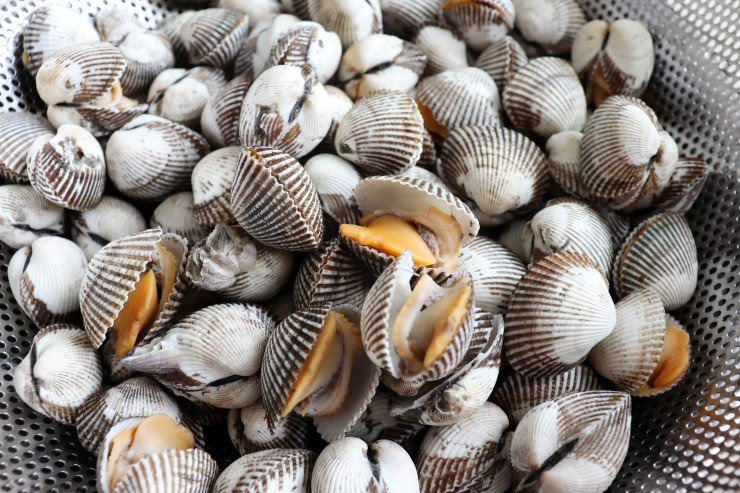
1) Step one: soaking cockles to remove sand
- Rinse the cockles briefly under running water to remove loose dirt.
- Fill a bowl with cold water and add enough salt to mimic lightly salted seawater (about 3%).
- Place the cockles in the water and leave them for 1–2 hours in a cool, darker spot.
This helps them spit out sand. - After soaking, gently swirl the cockles in the water, then drain and rinse them once more.
2) How to boil cockles – balancing safety and texture
- Fill a pot with plenty of water and add a pinch of salt.
- Bring the water to a rolling boil.
- Add the cleaned cockles and cook them for about 1½ minutes.
- As soon as the shells start to open, turn off the heat and let them finish cooking in the residual heat.
If you cook cockles for too long:
- The meat becomes tough and rubbery.
If you undercook them:
- The risk of foodborne illness goes up.
A good rule of thumb:
When the shells begin to open,
give them just a little more time—
enough to cook through, but not enough to dry out.
3) How to clean cooked cockles for eating
- Once the cockles are cool enough to handle, twist the shells open and remove the meat.
- Rinse the meat lightly under running water.
(Don’t scrub too hard—this can wash away flavor.) - Toss the cockle meat with garlic, scallions, chili, and a bit of sesame oil or lemon
to cut down the fishy smell and bring out the flavor.
5. How Much Cockle Is Too Much? Healthier Ways to Eat Them
Now let’s talk about how much cockle to eat and how to pair them with other foods.
1) Reasonable portion and frequency
There’s no single perfect number for everyone,
but for a generally healthy adult, a reasonable guideline might be:
- About 70–100 g of cooked cockle meat per serving
- Enjoyed 1–2 times per week
If you’re watching your weight:
- Slightly reduce your portion of rice or other carbs
- Increase the proportion of cockles + vegetables
for dishes like:
- Cockle salad
- Cockle rice bowls
- Cockle lettuce wraps or “cockle wraps” with leafy greens
If you have high blood pressure or kidney issues:
- The key is to reduce salty sauces like soy sauce, fish sauce, and chili paste.
2) Healthier food combinations with cockles
- Cockles + vegetables
- Pair cockles with lettuce, perilla leaves, cabbage, cucumbers, onions, and peppers.
- This adds fiber and vitamins while making the meal more filling.
- Cockles + brown rice or mixed grains
- This slows down blood sugar spikes and helps maintain satiety.
- Cockles + fruit or salad
- Vitamin C from fruit and vegetables can help your body absorb iron from cockles more effectively.
6. 5 Practical Tips to Enjoy Cockles More Safely
Here are some simple, practical tips you can use right away:
1) Always eat cockles fully cooked
- Raw or half-cooked cockles can carry Vibrio bacteria or norovirus.
- Check that the meat is fully cooked before eating.
2) Cut back on sauce, boost herbs and acidity
- Dishes like spicy cockle salad or cockle rice bowls can be very high in sodium.
- Use less soy sauce and chili paste, and rely more on:
- Vinegar or lemon juice
- Garlic, scallions, and chili
for bright flavor without too much salt.
3) Pair cockles with vegetables and fruit
- Get iron and vitamin B12 from cockles,
- And vitamin C and fiber from vegetables and fruit.
This combination supports overall nutrient balance and digestion.
4) If your liver, kidneys, or immune system are weak, be extra cautious
- If you have chronic liver or kidney disease, or a weakened immune system,
keep portions small, make sure cockles are thoroughly cooked,
and pay close attention to how your body reacts. - If you’ve noticed unusual symptoms after eating shellfish before,
talk with a healthcare professional before including cockles in your regular diet.
5) Store cockles properly and eat them fresh
- Fresh cockles shouldn’t sit in the fridge for too long.
- If you can’t eat them right away,
cook them first, then portion and freeze the cooked meat. - Use frozen cockles within a reasonable time and reheat thoroughly.
7. Key Takeaways and Final Thoughts
We’ve covered cockle benefits, cockle side effects,
and practical tips on how to eat cockles safely and deliciously—from boiling and cleaning to pairing them with other foods.
To recap:
- Cockles are:
- Low-fat and high-protein
- A source of iron, vitamin B12, taurine, omega-3s, and minerals
- Potentially helpful for energy, anemia, heart health, and weight-conscious meals
- On the flip side:
- Raw or undercooked cockles can increase the risk of foodborne illness.
- People with liver disease, weakened immunity, pregnancy, or shellfish allergies
need to be particularly careful.
If you remember just four things, let it be these:
Soak to remove sand → Cook thoroughly → Go light on salty sauces → Eat with plenty of vegetables.
With those habits in place, cockles can move from “slightly worrying shellfish”
to a comforting, nutritious winter dish you can enjoy with more confidence.
Medical Disclaimer
This article is for general information and education only.
It is not a substitute for professional medical advice, diagnosis, or treatment.
If you have specific symptoms, medical conditions, or concerns about food safety or allergies,
please consult your healthcare provider for personalized guidance.






최근댓글