1. Why Are Matsutake Mushrooms So Popular?
“Matsutake mushrooms are supposed to be amazing, but are they really worth the price?”
“Why do they show up in every premium fall gift set?”
You’ve probably wondered this at least once.
When you check the price of wild matsutake mushrooms at the supermarket or online, it’s not exactly something you can casually toss into your cart. Still, every autumn people actively look for matsutake. The reason isn’t just “because they smell good.”
Matsutake mushrooms are:
- A symbol of luxury mushrooms thanks to their distinctive pine-like aroma and pleasantly chewy texture
- Low in calories but contain dietary fiber, protein, and minerals, so they’re often introduced as a healthy food
- Frequently mentioned in studies for their potential in immune support, antioxidant activity, vascular health, and digestive function
At the same time, it’s important to remember that matsutake is a food, not a drug or medical treatment.
In this post, we’ll skip the exaggerated claims and walk through:
- Realistic matsutake mushroom benefits
- Possible side effects and precautions
- And practical tips on how to eat matsutake mushrooms in everyday life
in a simple, easy-to-understand way.

2. Matsutake Basics: What You Should Know First
2-1. What Kind of Mushroom Is Matsutake?
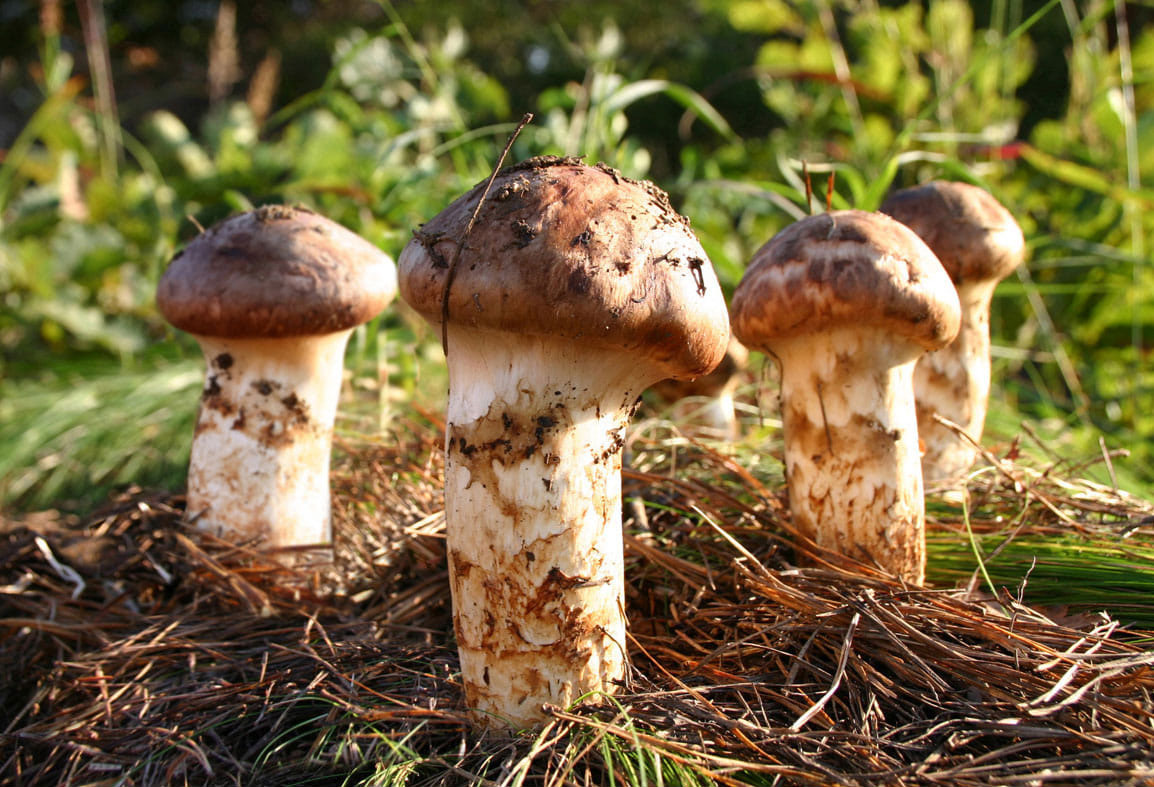
- Scientific name: Tricholoma matsutake
- Habitat: Pine forests, especially those with pine trees over 20 years old
- Key features:
- Strong, signature pine-like aroma
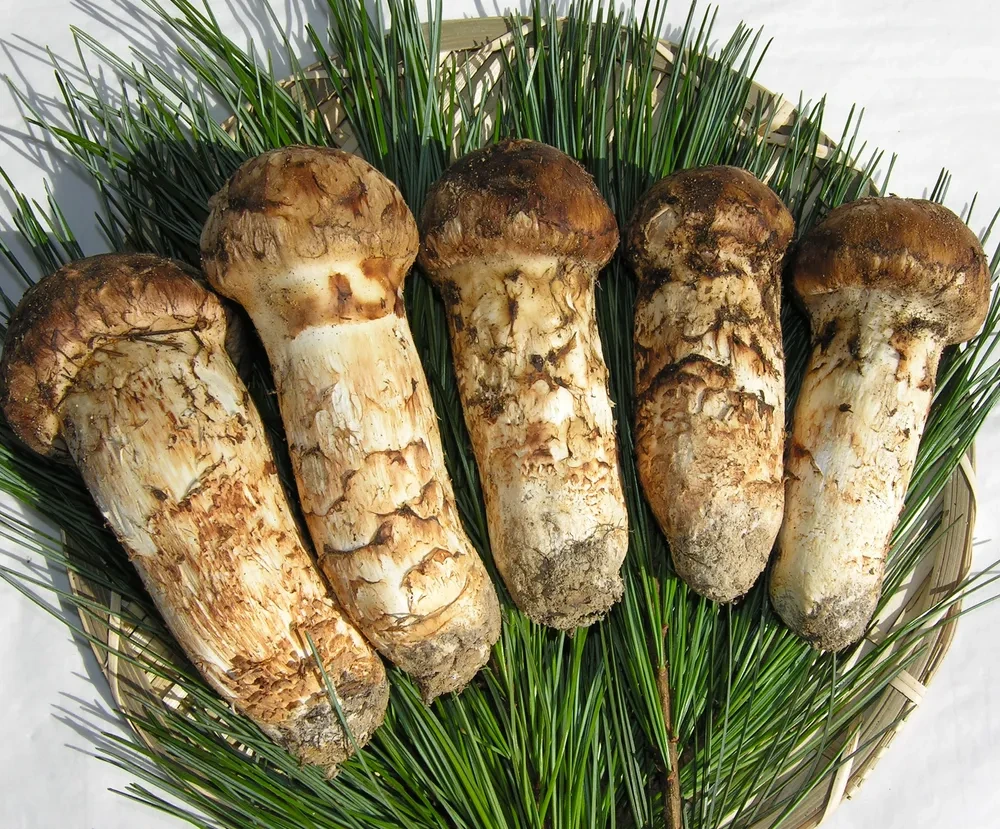
- Firm, chewy texture — often described as a mushroom that “releases more aroma the more you chew”
Traditionally in Korea and Japan, matsutake mushrooms have been used as:
- A fall tonic food for boosting energy
- A dish to serve honored guests
- A premium gift mushroom
So overall, matsutake carries a strong image of being a “rare and special mushroom.”
2-2. Nutrients in Matsutake Mushrooms
From a nutritional standpoint, matsutake mushrooms are:
- Low in calories – great for weight-conscious meals
- Protein – similar to other mushrooms, they contain a moderate amount of plant-based protein
- Dietary fiber – plenty of fiber that helps support bowel movements
- Minerals – potassium, phosphorus, and small amounts of calcium, iron, zinc, etc.
In other words, matsutake mushrooms can:
- Help keep you feeling full
- Add nutrients to your meal
without significantly increasing calorie intake.
On top of that, various polysaccharides and aromatic compounds found in matsutake have been linked in studies to immune modulation and antioxidant effects.
These are the parts that connect directly to commonly mentioned matsutake mushroom benefits.
3. Matsutake Mushroom Benefits – 5 Key Points in Plain Language
Rather than diving into heavy jargon, let’s break down matsutake mushroom benefits into five simple, realistic points.
3-1. Helping to Reduce Oxidative Stress (Antioxidant Support)
Our bodies constantly produce oxidative stress from things like:
- Mental and physical stress
- Fatigue and lack of sleep
- UV exposure
- Smoking
- High-fat, highly processed foods
Compounds in matsutake mushrooms, including antioxidant substances and polysaccharides, are known to:
- Help neutralize free radicals
- Potentially reduce cellular damage caused by oxidative stress
Put simply, you can think of matsutake as:
A food that may help slow down oxidative damage just a little, as part of an overall healthy diet.
3-2. Supporting a Balanced Immune System
Studies on matsutake extracts suggest that they may:
- Activate certain immune cells
- Help modulate the body’s defense mechanisms
Because of this, matsutake mushroom benefits are often summarized as:
- “Good for immunity”
- “Potentially helpful for anti-cancer support”
However, it’s important to keep this in perspective:
- Large-scale clinical studies in humans are still limited
- Matsutake cannot be described as a drug that “cures a specific disease”
In short:
With a balanced diet and healthy lifestyle as the foundation, matsutake can be considered:
One of many foods that may help support your immune system, not a stand-alone treatment.
3-3. Helping with Blood Sugar, Blood Pressure, and Cholesterol Control
Research on mushrooms in general shows that:
- Dietary fiber and polysaccharides in mushrooms
- May help slow down spikes in blood sugar
- And support better cholesterol profiles
Matsutake has traditionally been mentioned as a food that may help people concerned about:
- High blood pressure
- Atherosclerosis (hardening of the arteries)
- Diabetes and metabolic health
Of course, just eating matsutake mushrooms will not:
- Instantly lower your blood pressure
- Or immediately “fix” diabetes
But if you shift from a diet heavy in rice, bread, and noodles to one that includes:
- More vegetables and mushrooms, including matsutake
that kind of dietary pattern is clearly beneficial for vascular health.
In that context, you can think of matsutake mushroom benefits as:
A bonus factor that adds to an already healthy diet and lifestyle.
3-4. Digestive and Gut Health Support
Matsutake mushrooms contain:
- Dietary fiber, which helps move things along in the gut
- Polysaccharides, which can serve as fuel for beneficial gut bacteria
These can contribute to:
- Supporting regular bowel movements
- Helping improve the overall gut environment
Traditionally, people have said that “rice cooked with matsutake is easier to digest,” and many find it relatively light on the stomach.
That said, as we’ll see in the side effect section, if your digestive system is already very sensitive, matsutake might sometimes lead to:
- Gas
- Bloating
- Discomfort
So it’s important to listen to your own body and adjust accordingly.
3-5. A Helpful Addition for Weight Management
Matsutake mushrooms are:
- Low in calories
- Filling due to fiber and water content
- Very low in fat
Because of this, if you slightly reduce:
- High-calorie dishes (like fatty meats or heavy sauces)
and increase:
- Dishes made with matsutake and vegetables,
it can make it easier to manage your total calorie intake and support weight control.
Instead of thinking in terms of a “matsutake mushroom diet,” it’s more realistic to see it as:
“Replacing one high-calorie side dish with one more mushroom-based side dish that includes matsutake.”
4. Matsutake Mushroom Side Effects and What to Watch Out For
Now let’s look at matsutake mushroom side effects.
It’s important not just to focus on the good points, but also to understand where the safety line is.
4-1. Allergic Reactions
If you’re allergic to mushrooms, eating matsutake may trigger:
- Hives
- Itching
- Swelling around the lips or eyes
- Difficulty breathing
If you’re trying matsutake for the first time:
- Avoid eating a large portion at once
- Start with just a few small pieces and see how your body reacts
This cautious approach can help you catch any potential allergy early.
4-2. Digestive Discomfort, Bloating, or Diarrhea
The fiber in matsutake mushrooms is beneficial for most people, but for those with sensitive digestion, it can sometimes cause:
- Gas
- Bloating or a “heavy” feeling in the stomach
- Loose stools or diarrhea
If you:
- Have irritable bowel syndrome (IBS)
- Or often feel uncomfortable after eating a lot of vegetables
it’s better to:
- Start with a small amount of matsutake
- Eat it well-cooked in soup, rice, or hotpot
- And gradually increase the amount only if you tolerate it well
4-3. Heavy Metal Concerns in Wild Mushrooms
Wild mushrooms can absorb heavy metals (like lead or cadmium) from the soil where they grow.
Matsutake is no exception. If you:
- Regularly eat large amounts of wild matsutake
- Over a long period
- Especially from a specific region with contaminated soil
your risk of heavy metal exposure may increase.
For that reason, it’s wise to:
- Purchase matsutake mushrooms from reputable, trustworthy sources
- Avoid the habit of eating them every single day just because they’re “healthy”
Enjoy them as a special seasonal food, not as a daily supplement.
4-4. For Pregnant Women and People with Chronic Illness
For pregnant or breastfeeding women, and for people with:
- Kidney disease
- Liver disease
- Or other chronic conditions
there isn’t much long-term data specifically on high or frequent matsutake intake.
In these cases:
- Eating a small amount occasionally as part of a normal meal is usually not an issue,
- But it’s best to avoid treating matsutake like a daily health product or eating very large portions regularly.
If you have underlying conditions, it’s always a good idea to discuss your overall diet with your healthcare provider during regular check-ups.
5. How to Prepare, Store, and Eat Matsutake Mushrooms
Now let’s get practical and walk through how to eat matsutake mushrooms in a way that preserves both flavor and potential health benefits.
5-1. How to Clean and Prep Matsutake
- Don’t Soak in Water
- Soaking matsutake in water can wash away aroma and nutrients.
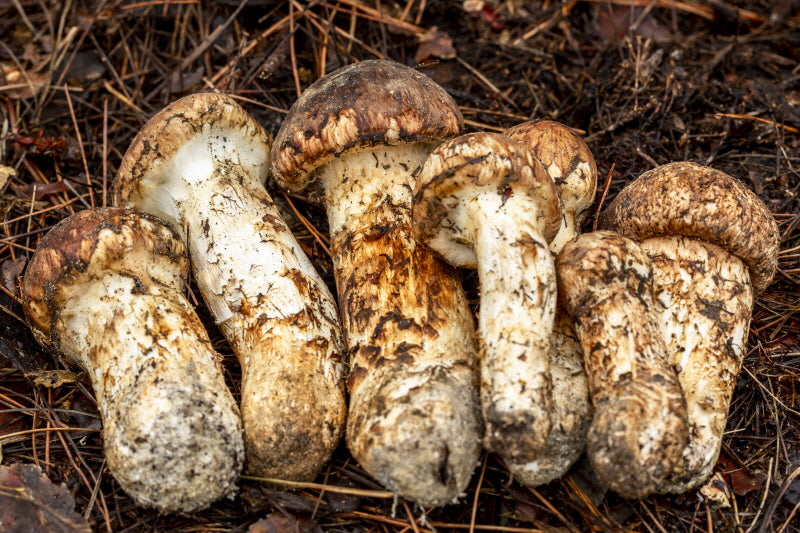
- Instead, lightly brush off dirt using a dry kitchen towel or a soft brush.
- Trim Only the Dirty Base
- Use a knife to gently cut away only the part of the stem covered in soil.
- Try to keep as much of the mushroom intact as possible.
- Tear Along the Grain (Optional)
- If you want to maximize aroma and texture,
- Gently tear the mushroom lengthwise by hand instead of slicing it with a knife.
5-2. How to Store Matsutake Mushrooms
In the fridge
- Wrap the mushrooms lightly in a paper towel to control moisture
- Place them in a zip-top bag or airtight container
- Try to eat them within 2–3 days for best aroma and texture
In the freezer
- Aroma will fade somewhat, but if you need longer storage:
- Lightly blanch the mushrooms, cool them,
- Then freeze them in small portions.
- If you truly want to enjoy the signature matsutake aroma, the ideal is to eat them as fresh as possible.
5-3. Three Easy Ways to Eat Matsutake at Home
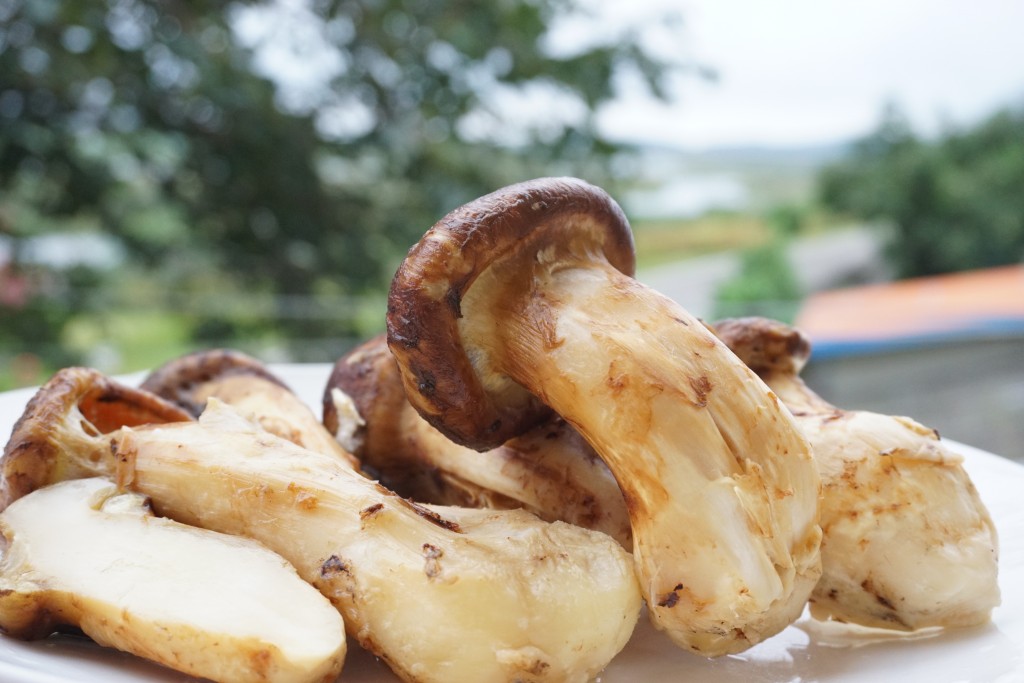
- Simple Salt-Grilled Matsutake
- Slice the matsutake thickly and grill slowly over low heat
- Add just a pinch of salt, a squeeze of lemon, and a drop of sesame oil
- This is the simplest and one of the best ways to fully enjoy matsutake flavor and texture
- Matsutake Rice (Stovetop or Rice Cooker)
- Use slightly less rice than usual
- Add sliced matsutake, onion, and a bit of soy sauce and sesame oil
- Cook as usual
If you reduce the amount of rice and increase the proportion of matsutake and vegetables, it’s also a bit more blood sugar and weight friendly. - Clear Matsutake Soup or Hotpot
- Prepare a simple broth with dried anchovy and kelp, or with beef or chicken
- Add matsutake mushrooms and let them simmer gently
- Season lightly — let the matsutake aroma be the main star
6. Five Practical Tips for Using Matsutake in Daily Life
Here are some realistic, easy-to-apply tips for including matsutake in your routine.
- Think “Sometimes” Food, Not “Everyday” Health Pill
- Matsutake is a precious seasonal ingredient
- Considering potential heavy metal exposure and allergies, it’s better to treat it as:
- A special fall comfort food to enjoy occasionally,
rather than a mushroom you must eat every day for health.
- Cut Back on Rice and Meat, Add Matsutake and Vegetables
- Slightly reduce meat and refined carbs (rice, noodles, bread)
- Increase dishes with matsutake, other mushrooms, and vegetables
- This shift supports weight, blood sugar, and cholesterol management, even aside from matsutake’s specific effects
- Season More Lightly and Let Aroma Do the Work
- Matsutake has a strong natural aroma
- You don’t need heavy amounts of salt, soy sauce, or chili paste
- If you’re worried about high blood pressure, try cooking with the mindset of:
- “Enjoying aroma instead of relying on saltiness.”
- Start Small If It’s Your First Time
- Because of possible allergies or digestive discomfort,
- Start with just one or two slices the first time
- If there are no unusual symptoms, you can gradually increase the amount next time
- Log Your Body’s Response If You’re Managing a Condition
- If you’re already managing high blood pressure, diabetes, or lipid issues,
- It can be helpful to jot down:
- What you ate (including matsutake)
- How you felt afterward
- Any changes in blood pressure or blood sugar
7. Key Takeaways at a Glance
Let’s wrap up with a quick summary of what we’ve covered about matsutake mushroom benefits, side effects, and how to eat them.
Matsutake Mushroom Benefits
- May help support antioxidant defenses and reduce oxidative stress
- May contribute to immune balance
- Can be part of a dietary pattern that supports blood sugar, blood pressure, and cholesterol management
- Helps with digestive health and bowel regularity in many people
- Its low calorie, high fiber nature can assist with weight management as part of a healthy diet
But remember:
Matsutake is not a medicine. The most realistic way to see it is as one healthy ingredient within an overall balanced diet.
Matsutake Mushroom Side Effects
- Possible allergic reactions (hives, itching, swelling, breathing difficulties)
- May cause bloating, gas, or diarrhea in people with sensitive digestion
- As a wild mushroom, it may accumulate heavy metals, so avoid long-term, excessive intake
- Pregnant women and people with chronic illnesses should follow the rule of
- “Occasionally, in moderate amounts,”
rather than using it like a daily supplement
How to Eat Matsutake Mushrooms
- Do not soak them in water; gently remove dirt instead
- Store in the fridge for 2–3 days and eat as soon as possible
- For flavor and texture, choose simple cooking methods such as:
- Salt-grilled matsutake
- Matsutake rice
- Clear soup or light hotpot
In the end, matsutake mushrooms are less like:
“A medicine you must eat every day to stay healthy,”
and much more like:
“A seasonal fall delicacy that you enjoy once in a while to nourish both body and mind.”
By keeping both the benefits and side effects in mind, you can enjoy matsutake mushrooms in a way that feels delicious, safe, and smart for your own health situation.
Important Note on Medical Limits
The information in this article is intended to help you better understand health-related topics and matsutake mushrooms in general.
It does not replace a medical consultation, diagnosis, or treatment plan.
If you have specific symptoms or a medical condition, always seek evaluation and personalized advice from a qualified healthcare professional.






최근댓글