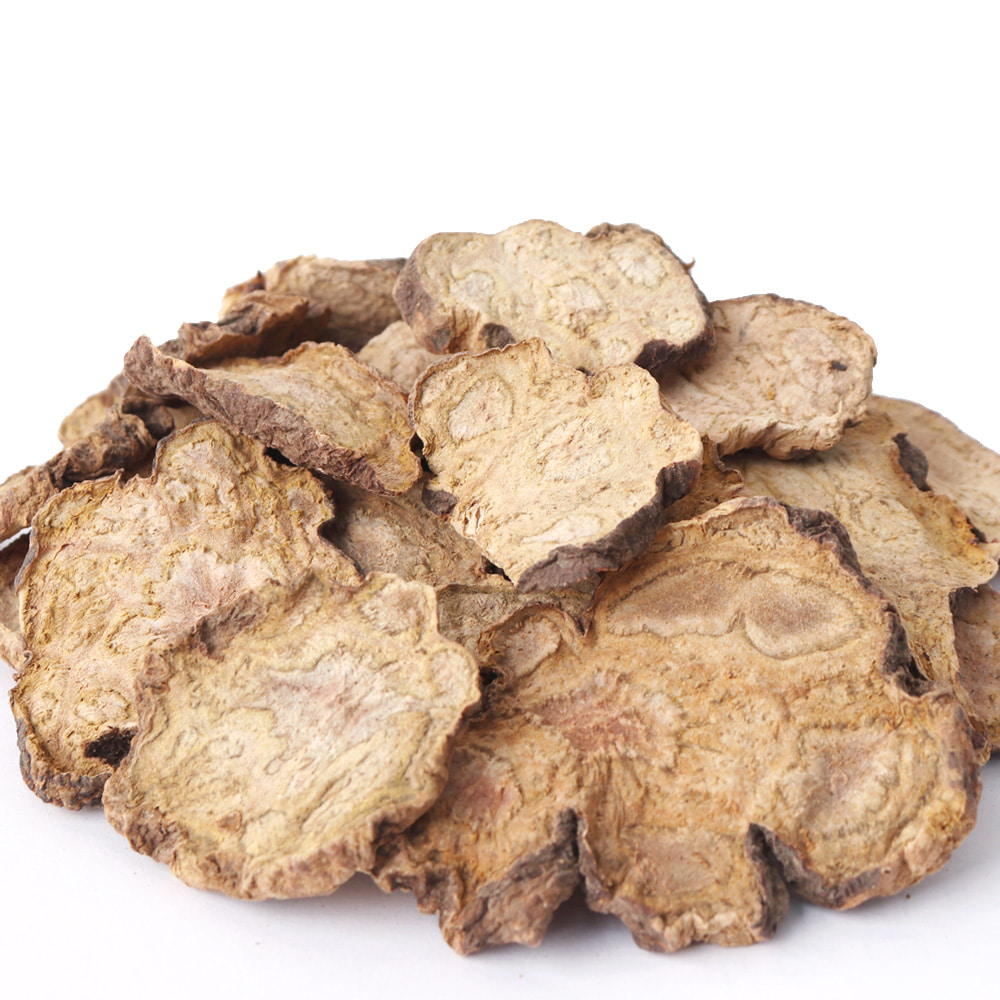
0. Introduction|“Everyone says it’s good for hair… but is it really safe?”
Walk down any health supplement aisle and you’ll see products with fo-ti (also known as He Shou Wu or Polygonum multiflorum) in the form of teas, capsules, or herbal pills.
You’ll often see claims like:
- “Good for hair loss and gray hair”
- “Powerful anti-aging and energy-boosting herb”
It’s natural to think,
“If fo-ti is great for hair and fatigue, maybe I should try it too?”
But a quick search also brings up alarming phrases like “fo-ti side effects” and “liver toxicity.”
On one side, fo-ti is promoted as an herb that supports energy, anti-aging, and hair health.
On the other, there are reports saying it can seriously harm your liver.
No wonder it’s confusing to decide how to take fo-ti or if you should take it at all.
As someone who spends a lot of time reviewing health information, I often see two extremes:
- Articles that only highlight the benefits, and
- Articles that only focus on the dangers
In this post, we’ll try to stay in the middle — balanced and easy to understand.
We’ll walk through three key questions:
- Fo-ti benefits – What can it realistically help with?
- Fo-ti side effects – Especially its impact on your liver
- How to take fo-ti – How much, how long, and who it may (or may not) be right for
By the end, you’ll have a clearer picture of fo-ti benefits, fo-ti side effects, and safe ways to take fo-ti, so you can make an informed decision for yourself.
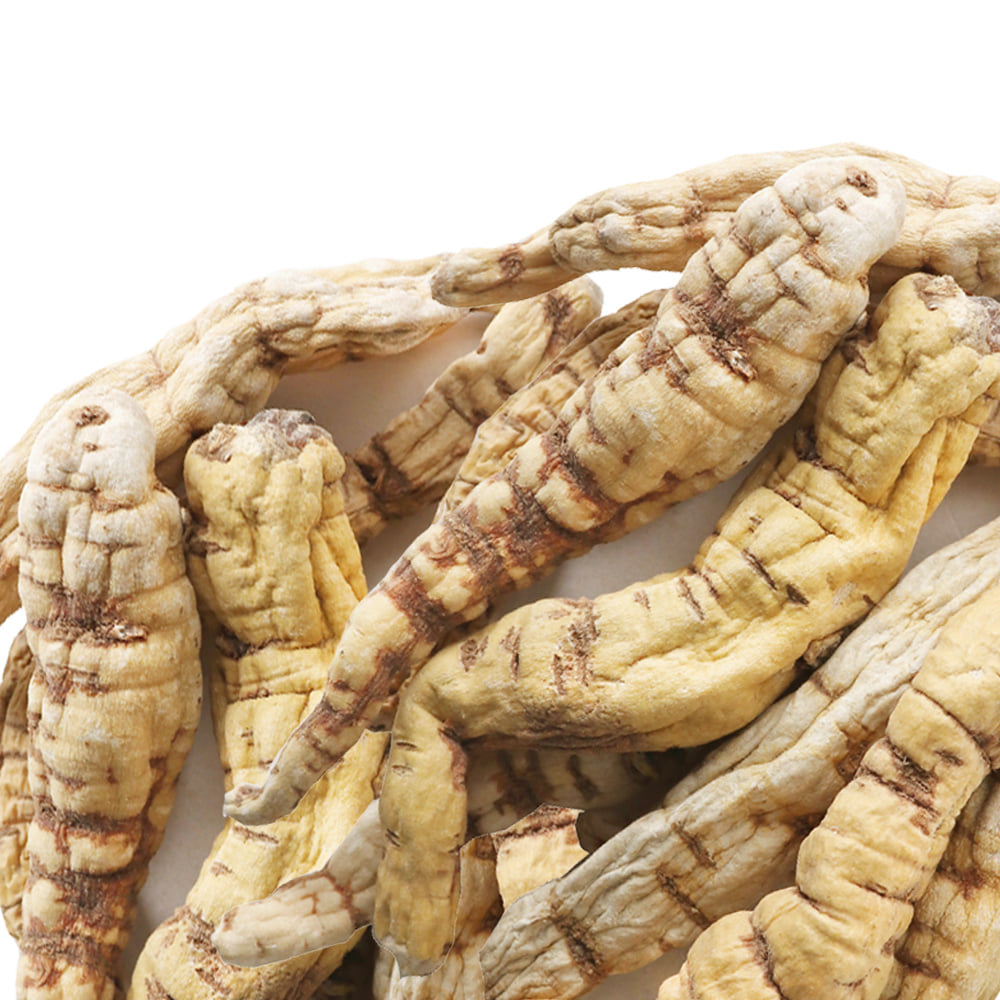
1. What Exactly Is Fo-Ti?
1) Traditional use of fo-ti
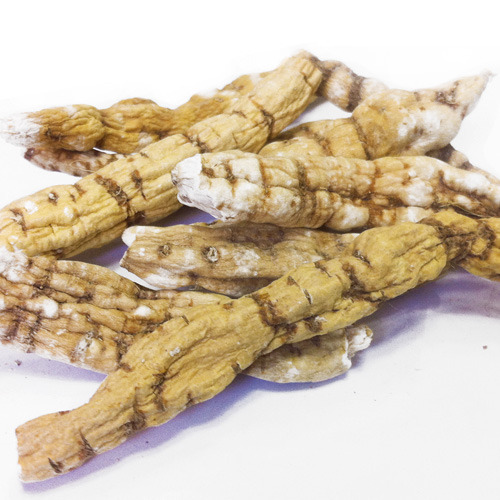
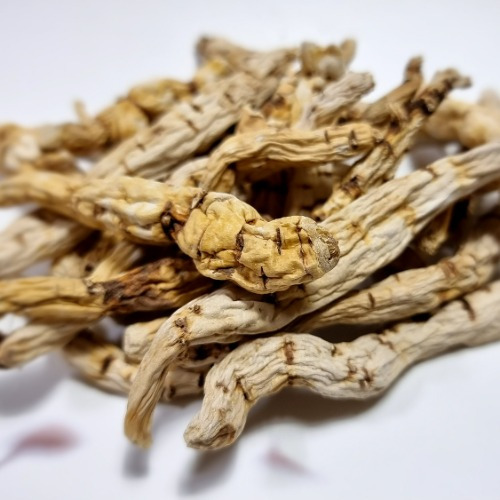
Fo-ti is a traditional herb that has been used for centuries in China and Korea.
In traditional Chinese and East Asian medicine, He Shou Wu (fo-ti) is often described as:
- A herb that nourishes the liver and kidneys
- A tonic that replenishes “qi” and blood” and helps slow aging
- A remedy used for lower back and knee weakness, dizziness, ringing in the ears, gray hair, and hair loss
Because of this long history, fo-ti still carries a strong image as:
“A herbal tonic for age-related fatigue and hair problems.”
2) White fo-ti vs. red fo-ti: why the confusion?
In the market you might see terms like white fo-ti and red fo-ti.
To make things more confusing:
- Different plant species have sometimes been sold under similar names
- In the past, other root herbs were occasionally mixed in or mislabeled
So from a consumer’s point of view, the fo-ti market can be quite confusing.
When choosing a fo-ti product, it’s worth checking at least three things on the label:
- Exact plant name and Latin name
- Country of origin and processing method (raw vs. prepared, how it was processed)
- Whether it’s made by a reputable manufacturer with lab tests (heavy metals, pesticide residues, etc.)
Before you think about fo-ti benefits, it’s important to first make sure you know what exactly is in the bottle.
That’s also the very first step in lowering the risk of fo-ti side effects.
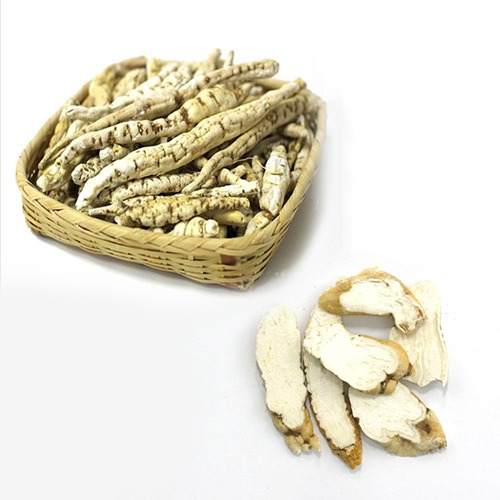
2. Fo-Ti Benefits: What Do We Actually Know?
We can look at fo-ti benefits from two angles:
- Longstanding traditional use, and
- More recent modern research
2.1 Antioxidant & anti-inflammatory effects (lab and animal studies)
Over the last few years, experimental studies have found that fo-ti extracts can:
- Provide antioxidant effects by reducing oxidative stress
- Show anti-inflammatory activity
- Help protect nerve cells under certain conditions
In simple terms, fo-ti seems to help reduce the “rusting” effect of oxidative stress and calm down excess inflammation, both of which are related to aging and many chronic conditions.
However, these studies are mostly:
- Cell studies in the lab, or
- Animal experiments
That means we cannot automatically assume the same results will appear in humans at typical supplement doses.
So when we talk about fo-ti benefits, a realistic way to understand it is:
“There are promising signals from lab and animal studies,
but not everything has been clearly proven in large human trials yet.”
2.2 Fo-ti for hair loss and gray hair
If you’ve heard of fo-ti, it’s probably because of one famous claim:
“Fo-ti turns gray hair black and helps with hair loss.”
Some animal studies have shown that fo-ti extracts may:
- Prolong the growth phase of hair follicles
- Slow down hair shedding in certain models
This sounds encouraging, but here’s the critical part:
- Most studies are still in animals, not humans
- Many are based on herbal formulas where fo-ti is combined with other herbs
In other words:
- There are very few large, high-quality human clinical trials showing that fo-ti alone significantly reverses gray hair or treats hair loss.
So statements like:
- “Fo-ti will make your gray hair turn black again,”
- “Just take fo-ti and your hair loss will be cured”
are very likely exaggerated.
A more honest way to put it would be:
Fo-ti may support hair and scalp health indirectly, thanks to its antioxidant, circulation-supporting, and fatigue-reducing properties,
but the effect can vary widely from person to person, and current evidence is still limited.
2.3 Fatigue, aging, and circulation
Some animal studies suggest that fo-ti may:
- Help suppress weight gain in certain models
- Improve blood lipid profiles (like cholesterol)
- Support energy levels and help protect brain and nerve function
Again, that does not mean fo-ti alone will solve high cholesterol, brain fog, or aging, but it does explain why fo-ti is often marketed as:
- An “anti-aging” herb
- A “tonic” for fatigue and circulation
- A general support for brain and nerve health
So far, it’s more accurate to say:
“Fo-ti is being researched for fatigue, aging, and circulatory health,
but we still need more high-quality human studies to know how strong those benefits really are.”
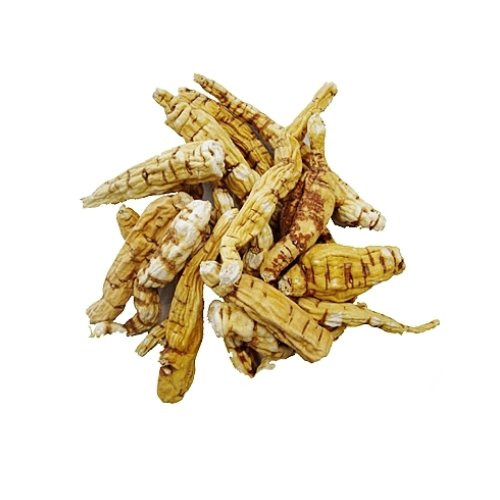
3. Fo-Ti Side Effects: Why Your Liver Matters
When you search for “fo-ti side effects”, two words come up repeatedly:
“Liver toxicity” and “liver damage.”
This part can sound scary, but it’s important to know the facts before you decide whether or not to use fo-ti.
3.1 Reported cases of liver injury
Looking at case reports from different countries, a pattern appears:
- People took fo-ti or fo-ti–containing herbal products
- Usually for several weeks to a few months
- Then developed sharp increases in liver enzymes (AST/ALT)
- Along with symptoms like fatigue, nausea, dark urine, and jaundice (yellowing of skin or eyes)
Most patients got better when they:
- Stopped taking fo-ti or fo-ti-containing products
- Received appropriate medical treatment and monitoring
However, there have also been severe cases, including:
- Patients who needed a liver transplant
- Rare but reported fatal cases
Because of this, when we talk about fo-ti side effects, the number one concern is clearly:
Liver toxicity (hepatotoxicity).
3.2 Warning signs: when to stop fo-ti immediately
If you are currently taking fo-ti (or a supplement that contains fo-ti),
you should stop right away and see a doctor if you notice:
- Unusual or severe fatigue and weakness
- Nausea, vomiting, or loss of appetite
- Dark-colored urine (tea-colored, deep yellow, or brown)
- Yellowing of the skin or eyes (jaundice)
- Pain or discomfort in the upper right side of your abdomen
- Fever or a general feeling of being unwell
These can all be signs that your liver is under stress.
Instead of assuming “I’m just tired lately,” it’s much safer to:
- Stop all fo-ti and other non-essential supplements
- Write down what you took, how much, and for how long
- Share that list clearly with your healthcare provider
3.3 Other fo-ti side effects
Aside from liver issues, fo-ti has been associated with:
- Diarrhea, stomach cramps, digestive upset
- Itchy rashes, hives, or other allergic reactions
- Very rare cases of severe drops in white blood cells
This is why it’s risky to take fo-ti for a long time at high doses,
especially if you’re only chasing fo-ti benefits like hair or anti-aging.
A safer mindset is:
“Use fo-ti, if at all, at low doses for a limited time,
while paying close attention to how your body feels.”
4. How to Take Fo-Ti Safely: Basic Principles
Let’s start with the most important point:
✅ There is no universally agreed “perfectly safe” daily dose of fo-ti that works for everyone.
Studies vary in:
- How much fo-ti they used
- How it was processed (raw vs. prepared, different methods of “curing” or steaming)
- How long participants took it
Traditional formulas and clinical practice often use:
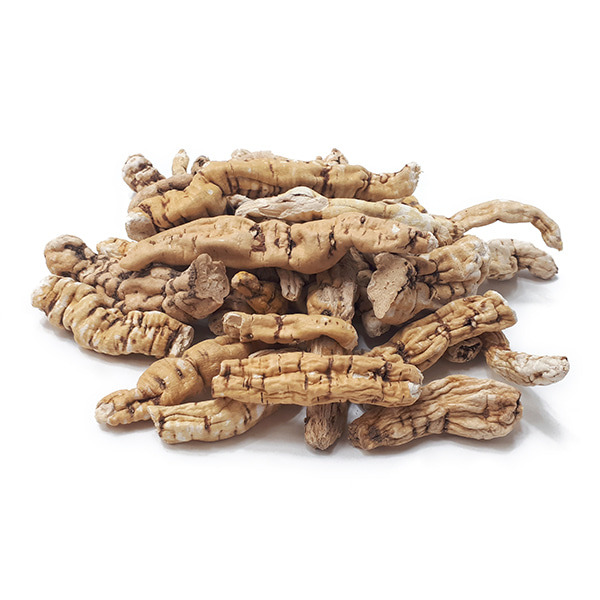
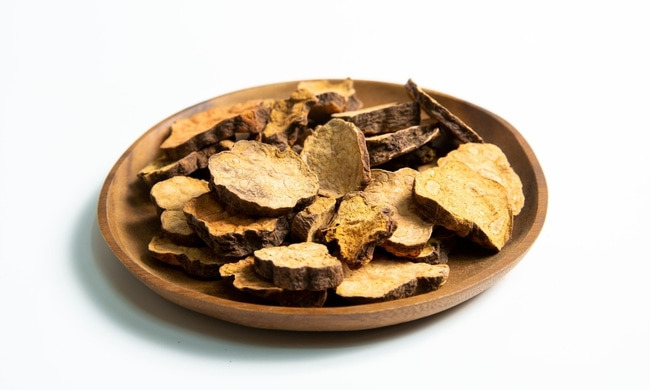
- Roughly 3–12 g of dried root per day,
but the exact dose is adjusted for body type, condition, and overall health.
Looking at liver toxicity cases, many involved:
- High doses or
- Long-term use
So when thinking about how to take fo-ti, it helps to remember:
“Safety first, benefits second.”
4.1 Fo-ti tea or decoction (concept example)
One traditional way to take fo-ti is as a tea or decoction:
- Use processed (prepared) fo-ti root, not raw
- Add about 5–10 g to 1 liter of water
- Simmer gently for 30–60 minutes
- Drink 1–2 small cups per day and watch how your body reacts
The key is not to start with a very strong, high-dose decoction.
Instead:
- Start with a milder tea
- Use a smaller amount
- Check for any signs of digestive issues, skin changes, fatigue, or jaundice
4.2 Capsules, pills, and powder
Many people prefer capsules, tablets, or powder because they’re convenient.
If you choose this route:
- Never exceed the recommended daily serving on the label.
- Avoid taking multiple fo-ti products at the same time.
- If you have liver disease or take several prescription medications,
talk to a doctor or qualified practitioner before adding fo-ti.
Even with supplements, following these basics can significantly reduce the risk of fo-ti side effects.
4.3 Fo-ti wine or tincture: why extra caution is needed
Fo-ti is sometimes soaked in alcohol to make herbal wine or tinctures.
But alcohol itself is also hard on your liver.
That means:
- The liver toxicity of fo-ti and
- The liver strain of alcohol
can stack on top of each other.
If you already have:
- Fatty liver
- Hepatitis
- Elevated liver enzymes, or a history of liver issues
then fo-ti wine or alcohol-based tinctures are not advisable.
In those cases, it’s much safer to focus on diet, sleep, weight management, and medical care first.
5. Who Should Be Especially Careful with Fo-Ti?
Even if fo-ti benefits sound appealing, certain people need to be particularly cautious.
5.1 People with liver problems
- Chronic hepatitis B or C
- Fatty liver disease
- Cirrhosis
- Repeatedly elevated liver enzymes in lab tests
Because the most serious fo-ti side effects involve the liver,
people with existing liver issues should avoid fo-ti unless closely supervised by a specialist.
5.2 People taking multiple medications
If you take daily prescriptions for:
- High blood pressure
- Diabetes
- High cholesterol
- Heart disease
- Or other chronic conditions
Remember that most medications are processed through the liver.
Adding fo-ti on top of several medications can increase the risk of drug–herb interactions and liver stress.
5.3 Pregnant or breastfeeding women, children, and teens
There is very little safety data on fo-ti in:
- Pregnant women
- Breastfeeding mothers
- Children and adolescents
Because of this, most experts recommend that these groups avoid fo-ti altogether.
5.4 People with frequent allergies or skin issues
If you have a history of:
- Allergies
- Chronic rashes or hives
- Strong reactions to herbs or supplements
you may be more sensitive to fo-ti side effects, such as rashes and itching.
In that case, fo-ti is not a good “experiment” supplement.
6. Practical Tips: How to Use Fo-Ti More Safely (If You Choose to Take It)
Here are some simple, real-life tips if you’re considering fo-ti.
TIP 1. Check your liver status first
Before you worry about how to take fo-ti, it’s smart to check your recent lab results:
- AST, ALT, γ-GTP and other liver enzymes
If your results were already elevated or you’ve been told:
“Your liver numbers are a bit high.”
then it’s better to prioritize lifestyle changes (diet, exercise, weight management)
before adding something like fo-ti.
TIP 2. Read the label carefully
When choosing a fo-ti product, look for:
- Plant and Latin name, country of origin, and processing method
- Clearly stated daily serving size and instructions
- Information about lab testing (heavy metals, pesticide residues, contamination)
Be extra cautious with products that use aggressive claims like:
- “Turns gray hair black in 30 days!”
- “Cures hair loss completely!”
Even if fo-ti benefits are real to some degree,
brands that rely on over-the-top promises may not be equally transparent about fo-ti side effects.
TIP 3. Start low and short
If you’re determined to try fo-ti:
- Start at half of the typical recommended daily dose.
- Use it for about 2 weeks while watching closely for:
- Diarrhea or stomach issues
- Extreme fatigue
- Yellowing of skin or eyes
- Dark urine
- Only if there are no warning signs, consider moving up to the full daily dose — and still for a limited time, not indefinitely.
Think of this as your “body reaction test period.”
TIP 4. Don’t ignore your body’s signals
If you’re taking fo-ti and you notice:
- Suddenly worsening fatigue
- Yellowing of your eyes or skin
- Unusually dark urine
don’t brush it off as “just being tired.”
Stop fo-ti and other non-essential supplements immediately,
and get checked by a healthcare professional.
TIP 5. Remember: Fo-ti is a support, not a magic cure
When it comes to hair loss, gray hair, fatigue, aging, and circulation, the most powerful tools are still:
- Enough sleep
- Balanced meals with protein, vegetables, fruits, and whole grains
- Cutting back on excess sugar, processed food, and alcohol
- Regular exercise and weight management
- Stress management (breathing, hobbies, social support)
Fo-ti benefits cannot replace these basics.
It’s more realistic to see fo-ti as:
“An optional, short-term supportive herb
you might consider after your core lifestyle habits and medical care are in place,
and only if your liver health allows it.”
Key Takeaways
Let’s briefly sum up fo-ti benefits, fo-ti side effects, and how to take fo-ti safely.
1) Fo-ti benefits
- Traditionally used to support the liver and kidneys, hair, anti-aging, and fatigue
- Experimental studies show antioxidant, anti-inflammatory, neuroprotective, and metabolic effects
- Evidence in humans is still limited, especially for reversing gray hair or curing hair loss
2) Fo-ti side effects
- The most serious concern is liver toxicity (drug-induced hepatitis and, in rare cases, liver failure)
- Other side effects include digestive upset, rashes, allergic reactions, and rare blood-related issues
- People with liver disease or those taking multiple medications should be especially careful
3) How to take fo-ti
- There is no fixed, universally safe daily dose for everyone
- Traditional usage often falls in the 3–12 g/day range of dried root, but this varies by individual and formula
- In practice, low dose + short duration + careful monitoring is the key
- Alcohol-based fo-ti preparations (like fo-ti wine) require extra caution because alcohol also stresses the liver
When you consider fo-ti benefits, fo-ti side effects, and how to take fo-ti,
fo-ti is not a harmless everyday “superfood” that anyone can take for years.
It’s better viewed as:
A strong traditional herb that may offer real benefits for some people,
but one that requires careful attention to liver health,
lifestyle habits, and professional guidance if you choose to use it.
Medical & Legal Disclaimer
This article is for general information and educational purposes only.
It is not a substitute for professional medical advice, diagnosis, or treatment.
If you have any symptoms, underlying health conditions, or are considering fo-ti or any new supplement:
- Always consult with a qualified healthcare provider
- Do not ignore or delay professional medical advice because of something you read online
Your own doctor or specialist is the best person to help you decide whether fo-ti is appropriate and safe for your individual situation.






최근댓글