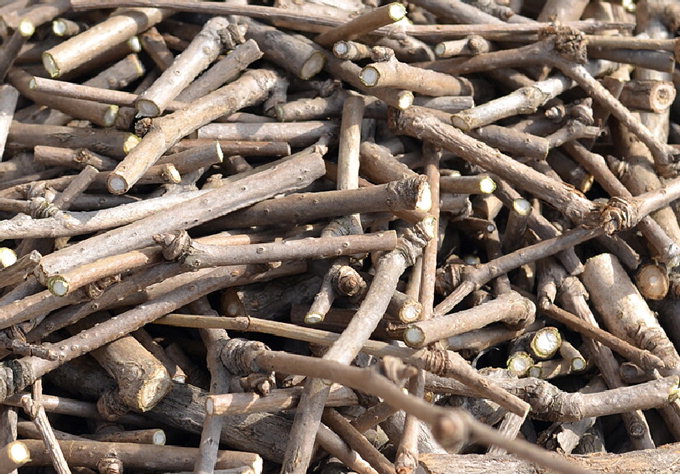
1. Why Do People Turn to Ogapi When Their Back and Knees Ache?
“My lower back hurts the moment I get out of bed.”
“My knees ache so much that stairs are getting harder.”
If you’re in your 40s, 50s, or beyond, these lines probably sound familiar.
And when the aches don’t go away, a lot of people end up searching for:
- “ogapi benefits”
- “ogapi side effects”
- “how to drink ogapi tea”
Ogapi has long been used in traditional Korean herbal medicine as a plant that:
- strengthens bones and joints,
- boosts energy, and
- eases fatigue.
You’ll see it used in many ways: brewed as ogapi tea, soaked in alcohol as ogapi liquor, or simmered in soups and herbal chicken stews.
In the past few years, small experimental studies have suggested that ogapi may:
- help reduce inflammation (anti-inflammatory effects),
- protect cells from oxidative stress (antioxidant effects),
- support joint and cartilage health, and
- play a role in managing fatigue and stress.
That said, large, high-quality human trials are still limited.
So in this article, we’ll stay grounded:
- we’ll combine traditional knowledge with
- what recent research suggests,
and break down ogapi benefits, ogapi side effects, and how to take ogapi safely in a way that’s easy to follow.

2. What Is Ogapi? Why It’s Often Confused With Gasi-ogapi (Eleuthero)
Let’s clear up one of the most confusing parts first.
2-1. Ogapi vs. Gasi-ogapi – Similar, but Not the Same
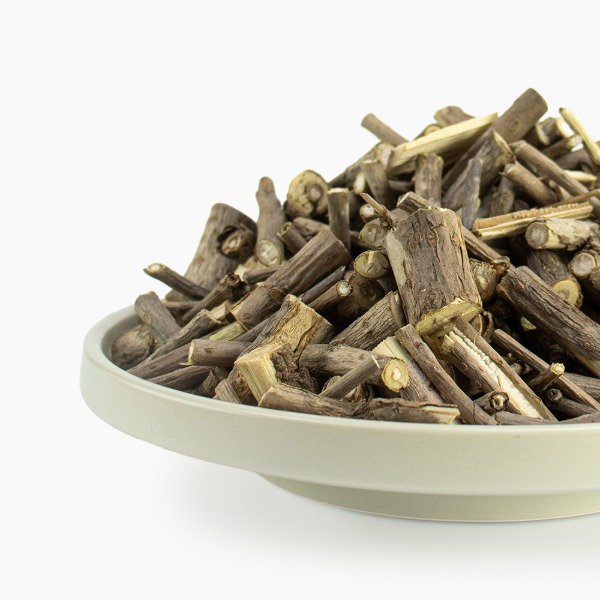
Ogapi
- A traditional herb that has been used in Korea for generations.
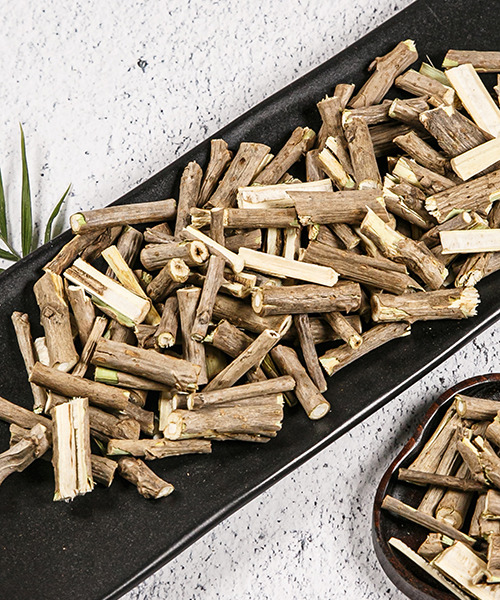
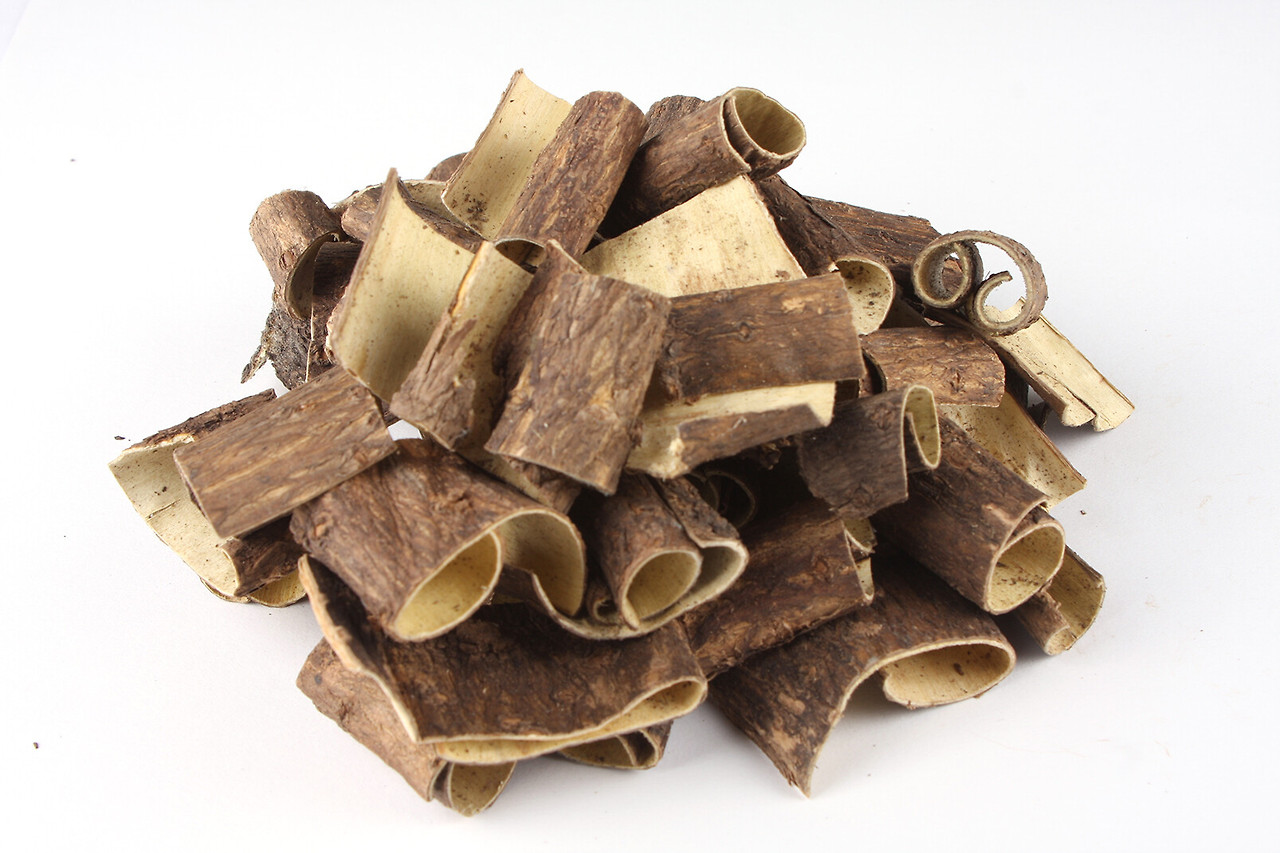
- The stem, root, bark, and fruit (often called ogaja in Korean) are all used.
Gasi-ogapi (often marketed as Eleuthero or Siberian ginseng)
- Commonly sold in English-speaking countries as a supplement or health food.
- Belongs to a similar botanical group, but in research, it’s usually treated as a separate species with its own name.
Because their names sound alike and their traditional uses overlap,
people often lump them together and simply call everything “ogapi.”
In actual research papers, though, you’ll see a clear distinction:
- some studies use ogapi fruit (ogaja) extracts,
- others use gasi-ogapi / Eleuthero extracts.
In this article:
- we’ll focus mainly on the ogapi that’s commonly eaten and brewed in Korea,
- but when research clearly refers to the “gasi-ogapi / Eleuthero” type,
we’ll treat it as a closely related herb with similar but not identical data.
This way, you can understand ogapi benefits without mixing everything up.
3. Five Key Ogapi Benefits Explained in Simple Terms
3-1. Anti-Inflammatory and Antioxidant Support – Cooling the “Fire” Inside
Because of stress, pollution, and poor diet,
our bodies constantly deal with inflammation and oxidative stress.
Some recent laboratory and animal studies suggest that ogapi fruit extracts may:
- reduce the production of inflammatory substances, and
- protect cells from oxidative damage with antioxidant activity.
In plain language, ogapi may help calm unnecessary “fire” inside the body –
the kind of low-grade inflammation and oxidative stress that can slowly wear down tissues over time.
It doesn’t mean ogapi cures disease,
but it may act as a gentle, supportive herb in that direction.
3-2. Why Ogapi Is Linked to Joint and Lower Back Discomfort
Traditionally, ogapi has been used for people who:
- have weak lower back and knees, or
- spend long hours standing or walking for work.
In animal studies, ogapi stem extracts have shown the potential to:
- reduce swelling in inflamed joints, and
- help protect cartilage from damage.
Of course, this doesn’t prove that ogapi will have the exact same effect in every human.
But when you combine:
- these experimental findings with
- the long-standing traditional use,
it’s easier to understand why so many people search for
“ogapi for joint pain” or “ogapi for lower back pain.”
Think of ogapi less as a painkiller,
and more as a herb that may support joint health over time when combined with good daily habits.
3-3. Fatigue and Stress Relief (Based on Gasi-ogapi / Eleuthero Studies)
Several studies using gasi-ogapi / Eleuthero extracts suggest that this family of plants may:
- ease feelings of fatigue,
- reduce how sharply blood pressure and heart rate spike under stress, and
- support concentration and work performance.
Because ogapi and gasi-ogapi belong to a similar group,
many articles talk about them together as energy-boosting, fatigue-relieving herbs.
Still, real-life health doesn’t change with herbs alone.
For meaningful, lasting fatigue relief, things like:
- adequate sleep,
- regular meals,
- stress management, and
- gentle exercise
have to come first.
In that context, a warm cup of ogapi tea can be thought of as
a small, comforting extra – not a magic fix.
3-4. Blood Pressure and Circulation
Some experimental data suggests that ogapi-type extracts may:
- help blood vessels relax, and
- gently lower blood pressure in certain models.
That’s why people often search for:
- “ogapi blood pressure”
- “ogapi side effects blood pressure”
However:
- the extracts used in research are highly concentrated, and
- their dose does not directly match a cup of homemade ogapi tea.
So at this point, there isn’t enough evidence to say that ogapi can replace blood pressure medication.
If you have high blood pressure or take blood pressure pills:
- don’t reduce or stop your medication based solely on ogapi benefits.
- if you’re curious about ogapi tea, keep it in the “gentle, occasional drink” category,
and always discuss it with your healthcare provider first.
3-5. Skin and Anti-Aging Support
In related plants from the same family,
researchers have found compounds that:
- protect skin cells from oxidative stress, and
- may slow down some aspects of skin aging at the cellular level.
For now, most of this work is still at the laboratory or ingredient-development stage,
often exploring use in cosmetics or functional food materials.
In other words:
- ogapi isn’t a proven anti-aging miracle,
- but it fits into the broader picture of antioxidant herbs that may support skin and overall aging when combined with a healthy lifestyle.
4. How to Take Ogapi: Tea, Herbal Liquor, and Soups
Now for the most practical part: how to consume ogapi in everyday life.
The methods below are based on commonly used recipes and traditional use.
Everyone’s body is different, so some personal adjustment is always needed.
4-1. How to Make Ogapi Tea (Basic Recipe)
Basic ratio
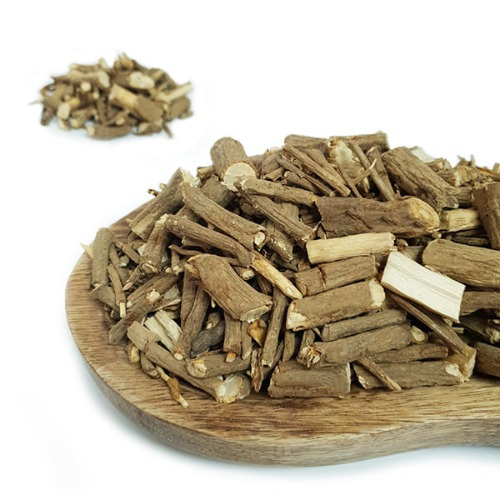
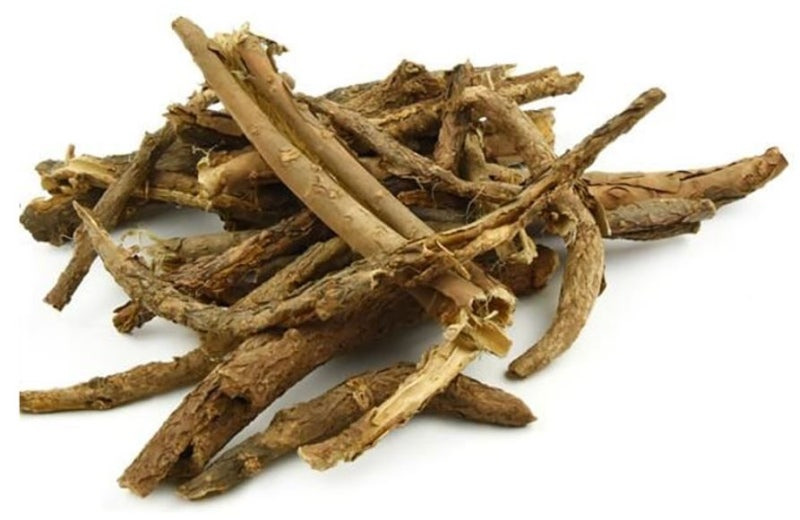
- About 10–20 g of dried ogapi (stems, bark, and/or fruit),
- to 1 liter (about 4 cups) of water.
How to brew ogapi tea
- Place the dried ogapi into a pot with cold water.
- Bring it up to a boil.
- Once it reaches a full boil, reduce to low heat and simmer
for 10–30 minutes depending on how strong you like it. - Strain out the solids and drink the tea warm or cooled.
If it’s your first time:
- start on the lighter side (under 10 g per liter),
- and see how your body feels after 1–2 small cups.
4-2. Ogapi Liquor (Infused Alcohol) – Important Warnings
For people who enjoy homemade infused drinks,
ogapi liquor is also popular.
The basic idea is:
- wash and dry the ogapi,
- place it in 25% or similar proof alcohol (soju, rice spirit, or fruit wine base),
- and let it infuse for 3–6 months or longer in a cool, dark place.
However, there are two key issues:
- Alcohol itself stresses the liver and raises blood pressure in some people.
- Adding ogapi on top can increase the overall “load” on your system.
If you have:
- high blood pressure,
- heart disease,
- liver disease, or
- vascular problems,
then ogapi liquor is usually not a good idea.
In such cases, a mild, low-dose ogapi tea is generally a safer option than alcohol.
4-3. Using Ogapi in Soups and Stews (Like Herbal Chicken Soup)
Ogapi is also frequently added to soups and stews, especially herbal chicken dishes.
A typical home recipe might look like this:
- For one whole chicken,
- add about 10–15 g of dried ogapi,
- along with jujubes, garlic, and other herbs,
- and simmer for 1–2 hours until the meat is tender.
This method works well if:
- herbal teas feel too strong or unfamiliar, but
- you’re comfortable with hearty soups.
You can think of it as a way to enjoy ogapi with a warm meal,
rather than “taking medicine.”
5. Ogapi Side Effects – When This Herb Is Not a Good Match
Some people see “ogapi benefits” and assume
“the more, the better.”
But ogapi side effects are real,
especially in people with certain constitutions or medical conditions.
5-1. If You Run Hot or Flush Easily
In traditional terms, ogapi is considered a warming herb.
So if you:
- tend to have a red face,
- hate heat and feel hot most of the time, or
- often feel heat rising in your upper body,
drinking strong ogapi tea every day can sometimes cause:
- increased heat sensation,
- palpitations (a racing or pounding heart), or
- trouble sleeping.
If you notice any of these after adding ogapi,
it’s a sign to cut back or stop.
5-2. Sensitive Skin or Allergy-Prone
There are occasional reports of people experiencing:
- hives,
- skin rashes, or
- itching
after consuming ogapi.
If your skin is sensitive or you have a history of allergies:
- start with very small amounts of mild ogapi tea,
- and watch for any unusual reactions for a few days.
5-3. If You Have High Blood Pressure or Heart Disease
Some data suggests ogapi-type extracts may help lower blood pressure,
but in real life, responses vary:
- some people feel more stable,
- others notice palpitations or increased discomfort.
If you have:
- high blood pressure,
- angina,
- arrhythmia, or
- other cardiovascular conditions,
and you’re taking medication,
you should not drink strong ogapi tea or ogapi liquor regularly
without talking to your healthcare provider first.
5-4. Pregnancy, Breastfeeding, and Chronic Illness
For people who are:
- pregnant,
- breastfeeding, or
- living with chronic liver, kidney, or autoimmune disease,
there simply isn’t enough high-quality human data on ogapi.
For these groups:
- avoid “long-term, high-dose, everyday use” of ogapi, and
- if you really want to try it, use small amounts for a short time only
and get medical advice beforehand.
6. How Much Ogapi Is Safe?
Five Practical Safety Tips
There is no official daily recommended intake for ogapi yet.
Most studies use standardized extracts or supplements,
which can’t be directly compared to homemade ogapi tea.
So instead of chasing a “perfect dose,”
it’s more useful to focus on safe patterns of use.
Tip 1: Start Weak and Small
- For ogapi tea, begin with under 10 g per liter of water.
- Drink 1–2 small cups a day at most in the beginning.
- Pay attention to:
- racing heart,
- heat sensation,
- headaches, or
- skin reactions.
If any of these show up, reduce the dose or take a break.
Tip 2: Think “2–3 Times a Week,” Not “Every Day Like Medicine”
Even if you believe in ogapi benefits,
there’s no need to brew it strong and drink it daily.
A gentler pattern would be:
- 2–3 times a week,
- 1–2 cups at a time,
alternating it with other teas or plain water.
This approach is kinder to your body over the long term.
Tip 3: Consider Your Medications
If you take:
- blood pressure medication,
- heart medication,
- diabetes drugs, or
- blood thinners / anticoagulants,
you need to factor in possible interactions.
- Ogapi liquor is especially risky because of the alcohol content.
- For anyone with cardiovascular issues,
ogapi liquor is usually better avoided altogether.
A mild ogapi tea, in modest amounts and with medical guidance,
is a safer starting point.
Tip 4: For Children and the Elderly, Just a Taste
In kids and older adults:
- body weight is lower,
- liver, kidney, and cardiovascular reserves may be weaker.
So the same amount of ogapi can have a stronger effect.
For these groups:
- keep it to half of an adult portion or less, or
- just a small taste rather than a full cup.
Tip 5: Ogapi Comes After the Basics, Not Before
Even if ogapi has promising benefits,
you won’t feel much difference if your daily habits are off.
For joint, back, and general health, the real foundation is:
- weight management,
- regular walking and light strength training,
- consistent, balanced meals, and
- enough sleep.
Ogapi is a supporting herb,
best suited for people who are already working on these basics.
7. How to Choose Good Ogapi and Store It Properly
Top-ranking articles about ogapi often emphasize
not just ogapi benefits and ogapi tea recipes,
but also how to pick good raw ogapi.
7-1. How to Choose Quality Ogapi
Color
- Avoid pieces that look burnt black or moldy.
- A natural light to medium brown or yellow-brown is ideal.
Smell
- A gentle herbal aroma is a good sign.
- A musty, sour, or moldy smell suggests poor storage or spoilage.
Texture
- If it crumbles too easily into powder and looks very old or dusty,
it might be past its prime.
7-2. Storage Tips
- Keep ogapi away from direct sunlight.
- Store it in a cool, dry place.
- Use a zipper bag inside an airtight container to protect it from moisture and odors.
- Avoid storing it next to strong-smelling foods,
as ogapi can absorb those smells and the flavor of your tea may change.

8. Quick Summary and Final Thoughts
To wrap up, here’s a simple overview of
ogapi benefits, ogapi side effects, and how to drink ogapi safely.
Ogapi Benefits
- May offer anti-inflammatory and antioxidant support,
helping to ease internal “fire” from inflammation and oxidative stress. - Traditionally used for joint and lower back discomfort,
with modern research exploring its effect on cartilage and circulation. - Related herbs in the same family show potential for
fatigue relief, stress resilience, and cardiovascular support,
though more solid human data is still needed.
Ogapi Side Effects
- People who run hot or flush easily,
those with allergies,
and those with high blood pressure or heart disease
may be more prone to ogapi side effects. - Symptoms like palpitations, heat, headaches, or skin rashes
are signals to reduce the amount or stop.
How to Drink Ogapi
- For ogapi tea: about 10–20 g per 1 L of water,
brewed gently and consumed in 1–2 cups a day, 2–3 days a week. - Ogapi liquor can put extra strain on the liver and cardiovascular system
and is not recommended for people with existing health issues.
Realistic Expectations
- Ogapi alone will not “fix” joint pain, blood pressure, or fatigue.
- But for someone who already has good habits in place,
a warm cup of ogapi tea can be a comforting, supportive addition to daily life.
Ogapi, when chosen well and used wisely,
can be a gentle ally for middle-aged and older adults worried about back and joint health,
without overwhelming the body.
The key is to always consider:
- your own constitution,
- your current medical conditions, and
- any medications you’re taking,
and to find your personal sweet spot with ogapi by
starting light, watching your body, and adjusting slowly.
Legal and Medical Disclaimer
This article is for educational and informational purposes only and is not a substitute for professional medical advice, diagnosis, or treatment.
If you have symptoms, chronic conditions, or questions about your health,
always consult a qualified physician or healthcare provider for an accurate diagnosis and personalized treatment plan.






최근댓글