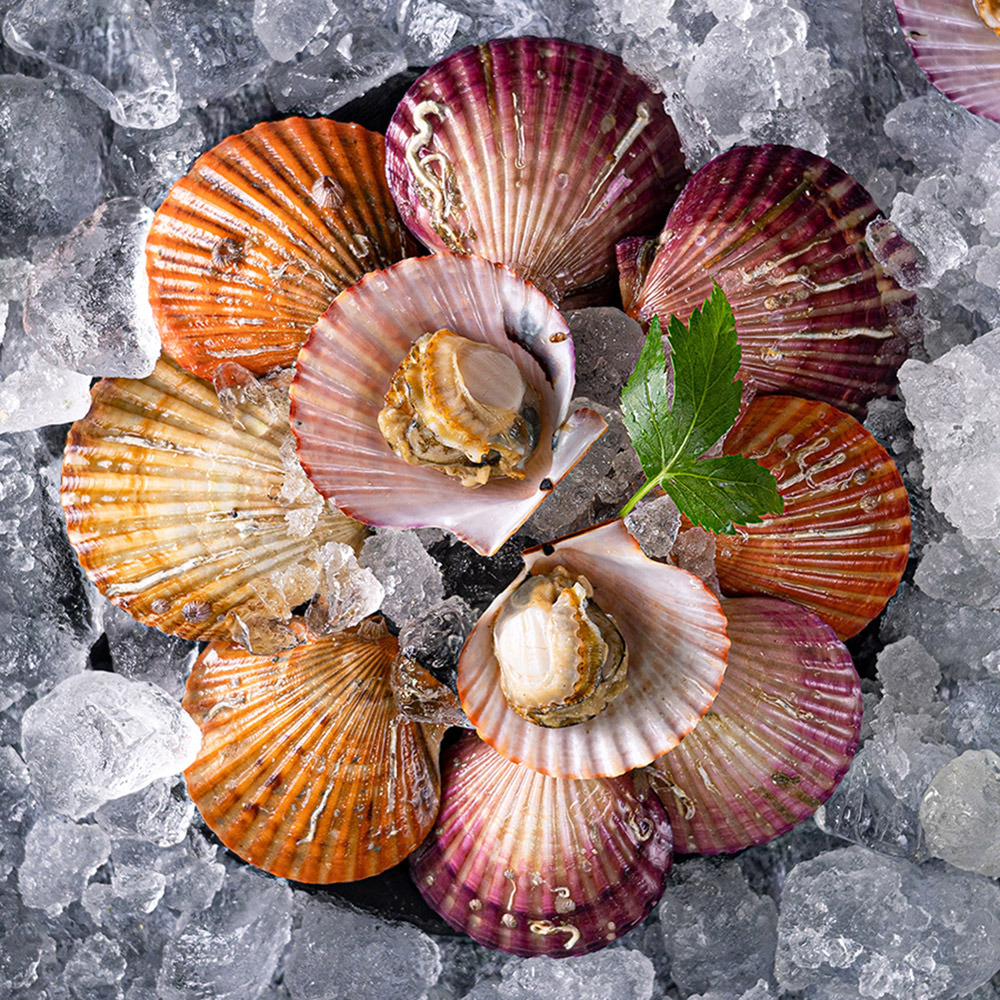
1. “Isn’t there a tasty seafood that doesn’t make me gain weight?” – Scallops come pretty close
When you’re at a work dinner or grilling seafood at home, you’ve probably had these thoughts at least once:
- “Meat feels a bit heavy… would scallops be a better choice?”
- “I heard scallops are healthy. Does that mean I can eat a lot of them?”
Scallops are a type of seafood that’s high in protein but low in fat and calories.
That’s why people who are trying to lose weight or take care of their heart and blood vessels often reach for scallops.
But if you only hear “they’re good for you” and focus solely on the benefits of scallops,
you can definitely run into side effects, depending on your body type and health conditions.
In this post, we’ll walk through everything in one place:
- What’s actually good about them: scallop benefits
- Who needs to be more careful: scallop side effects
- How to enjoy them safely and deliciously: how to eat scallops
- How much is a reasonable amount: recommended daily scallop intake
- How to keep them fresh: how to store scallops properly
Let’s go through it slowly, one step at a time.
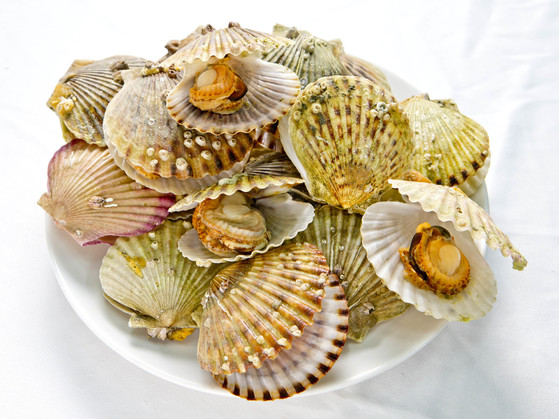
2. What exactly are scallops? (Season, calories, and nutrition at a glance)
2-1. Best season and flavor
Scallops are a type of shellfish that grow in cold seawater.
In Korea and many other regions, they’re considered best in fall and winter in terms of flavor and texture.
During this season:
- The meat becomes plump and firm
- Sweetness and umami get much stronger
So they’re perfect for grilling, steaming, pan-searing with butter, or tossing into pasta and stews.
That’s why people often say, “It’s scallop season” in the colder months.
2-2. Scallop calories and basic nutrition
If we look at about 100 g (3.5 oz) of scallop meat, it roughly looks like this
(numbers can vary a bit depending on the product and origin):
- Calories: about 80–100 kcal
- Protein: around 20 g
- Fat: very low
- Carbohydrates: a small amount
On top of that, scallops also provide:
- Vitamin B12
- Minerals like selenium and zinc
- Amino acids like taurine
To sum it up, scallops are:
- High-protein
- Low-fat
- Low-calorie
while still giving you helpful vitamins and minerals.
That’s the foundation of why so many people are interested in the benefits of scallops.

3. Scallop benefits in simple terms – 4 key points
3-1. A protein source that’s easier on your blood vessels
Because scallops are low in fat and high in protein,
they tend to put less strain on your arteries compared to a diet full of fatty red meat.
- Instead of eating only beef or pork all the time
- If you mix in lean seafood like scallops
some studies suggest it can help improve triglycerides and LDL (“bad”) cholesterol.
Of course, eating scallops alone won’t magically “clean” your arteries,
but simply changing the type of protein you eat can make a meaningful difference.
So even just choosing grilled scallops instead of pork belly once in a while
can be a small but positive step for your heart and blood vessels.
3-2. Helpful for weight and appetite control
If you’re on a diet, the biggest challenge is often getting enough protein
without overloading on calories and fat.
Scallops:
- Are low in calories
- Have plenty of protein, which helps you feel fuller for longer
- Are low in fat, so they’re less heavy than many meat dishes
If your typical meal looks like rice + ramen + bread,
switching part of that to a protein-focused meal with scallops can help improve the overall balance.
For example:
- Add a fresh salad to a plate of grilled scallops
- Stir-fry scallops with a variety of vegetables
and that one meal becomes much more nutritious and diet-friendly.
3-3. Vitamin B12 and selenium support
Shellfish like scallops are known to be rich in vitamin B12.
Vitamin B12 plays an important role in:
- Reducing fatigue
- Maintaining healthy nerve function
- Supporting red blood cell production
Scallops also contain selenium, an antioxidant mineral.
Selenium helps support immune function and protects cells from damage.
Vitamins and minerals need to be topped up little by little from many foods,
so think of scallop benefits as one piece of the puzzle in a well-balanced diet.
3-4. A good protein option for older adults
As we get older, we naturally start to lose muscle mass,
which is known as sarcopenia.
The most important way to slow this down is steady protein intake.
Scallops are:
- Not overly greasy
- Chewy but not extremely tough
- Easy to make soft and tender, depending on how you cook them
So they can be a good protein source for older adults as well.
That said, it’s still important to check whether the person
falls into any of the risk categories we’ll talk about in the scallop side effects section.
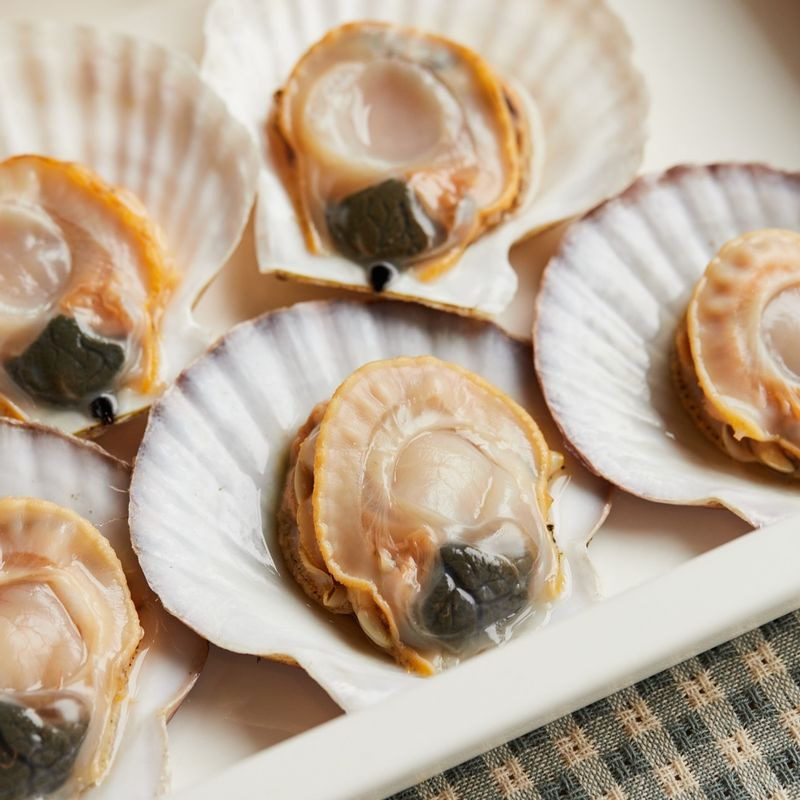
4. Scallop side effects – who needs to be especially careful?
The benefits of scallops are appealing,
but that doesn’t mean they’re a “safe food” for absolutely everyone.
Some people really do need to watch out for scallop side effects.
4-1. If you have shellfish or seafood allergies
If you’ve ever had:
- Hives, swelling of the lips, or trouble breathing after eating shellfish like clams, shrimp, or crab
- Itching or swelling after eating scallops in the past
then you may have a shellfish allergy.
Eating scallops again can trigger another reaction.
Sometimes it’s just mild hives,
but in severe cases, it can progress to anaphylaxis,
a serious whole-body allergic reaction.
In this situation, the side effects of scallops are much more serious
than any potential benefits of scallops.
Trying “just a little bit” can be dangerous,
so complete avoidance is generally recommended.
4-2. If you have gout or high uric acid (hyperuricemia)
Scallops, like many other seafoods, contain purines.
Purines break down into uric acid in the body,
and too much uric acid can trigger gout attacks.
So if you:
- Have been diagnosed with gout, or
- Have high uric acid on blood tests
you’ll need to be careful with both how much and how often you eat scallops.
For people with gout, it’s safer to think in terms of:
- “Occasionally, in small amounts”
- Avoiding scallops and similar seafood during active flare-ups
This is a more cautious and realistic way to eat scallops if you’re managing gout.
4-3. If the scallops are undercooked or spoiled
Like other shellfish, scallops can cause food poisoning
if they’re eaten raw, undercooked, or spoiled.
Under these conditions, you might experience:
- Stomach cramps
- Diarrhea
- Nausea and vomiting
This risk is higher if you’re:
- An older adult with weaker immunity
- Pregnant
- Living with chronic conditions such as liver or kidney disease
In these cases, it’s safer to avoid raw or undercooked scallops altogether.
To really enjoy the benefits of scallops,
make sure they’re cooked thoroughly before you eat them.
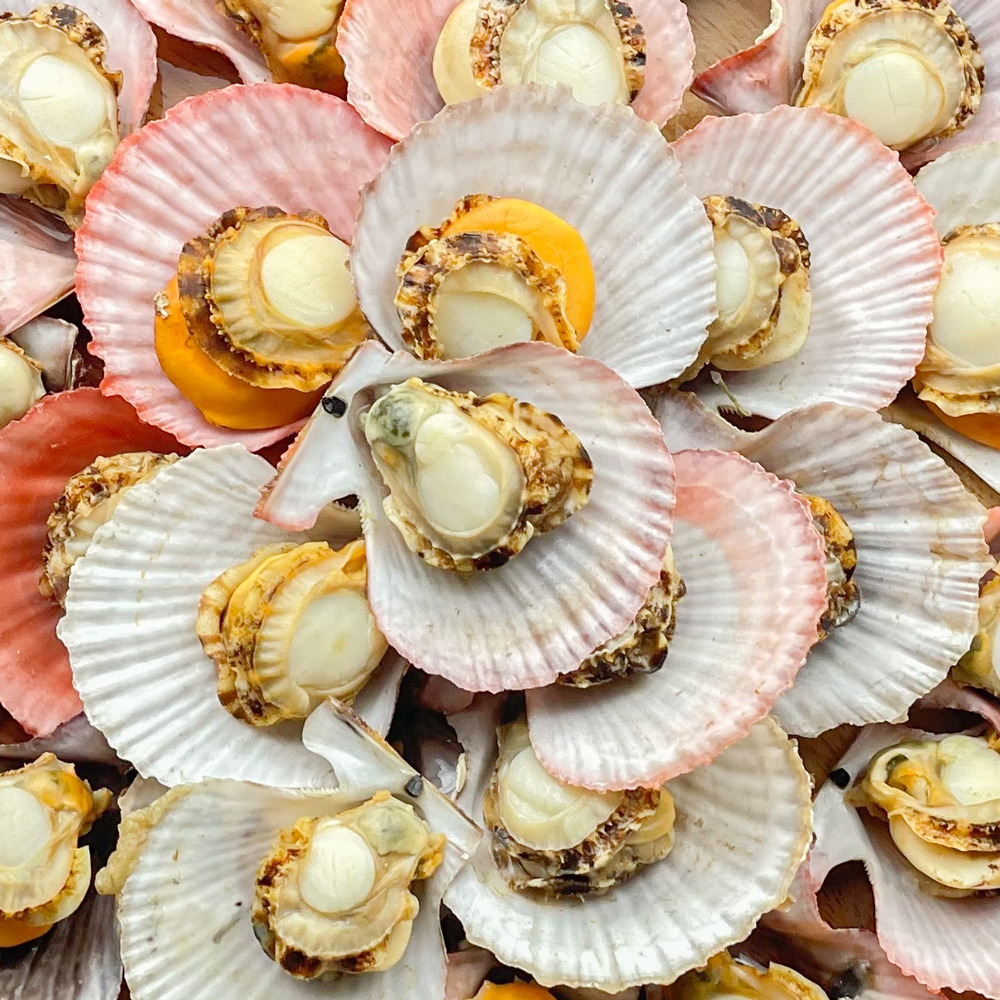
5. How to eat scallops & how much per day is reasonable?
5-1. Recommended daily scallop intake – a simple guideline
There isn’t an official rule like “exactly X grams per day,”
but for a generally healthy adult,
a practical guideline that many people use is:
- Per serving: about 80–100 g (3–3.5 oz) of scallop meat
- Roughly 4–6 medium-sized scallops
- Frequency: up to 2–3 times per week
If you have gout, kidney disease, or other chronic conditions,
your doctor may recommend eating less than this or avoiding scallops altogether.
The key point is to look at your overall daily protein and purine intake,
and then fit scallops in as one of your main protein options,
rather than an extra add-on snack.
5-2. Healthier ways to eat scallops
Here are some simple ways to maximize scallop benefits
and reduce potential scallop side effects:
1) Go easy on butter and salt
- Using a lot of butter quickly increases calories and saturated fat.
- Try using a small amount of butter, or switch to
olive oil + garlic + herbs + lemon for flavor.
2) Always pair scallops with vegetables
- Serve grilled scallops with a side salad, steamed broccoli, or asparagus.
- You’ll feel full longer and also get vitamins and fiber.
3) Avoid overcooking on very high heat
- Sear scallops quickly over high heat so the outside is nicely browned
while the inside stays moist and tender. - If you cook them for too long, they become tough
and can develop a stronger, fishier smell.
Simply changing how you cook and serve scallops
can completely transform how satisfying and healthy that meal feels.
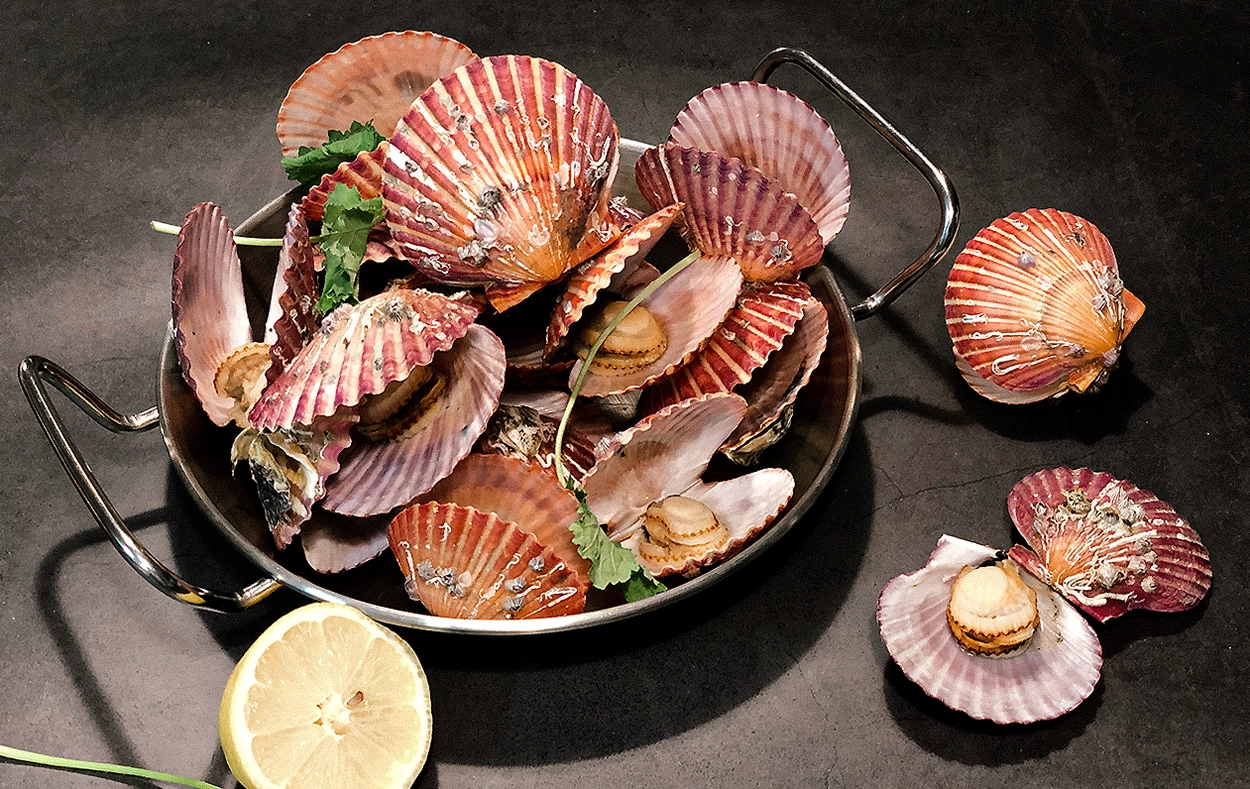
6. How to clean, purge, and store scallops to keep them fresh
6-1. How to choose fresh scallops
If you want to really benefit from scallops, freshness is everything.
Here’s what to look for:
- The meat looks translucent and plump
- The smell is more like clean seawater than strong fishiness
- The shells aren’t wide open, and they react when gently tapped
Just checking these three points can significantly reduce your chances of picking bad scallops.
6-2. How to purge and clean scallops
Purging (removing sand and grit)
- Prepare a large bowl of salt water
(similar in salinity to seawater – mildly salty, not overpowering). - Place the scallops in the water
and leave them for 1–2 hours so they can spit out sand and debris.
Cleaning
- Use a knife or kitchen scissors to carefully open the shell.
- Separate the meat and innards, then rinse them clean under running water.
Scallop innards can add flavor,
but they may also contain more unwanted substances and potential contaminants,
so it’s better not to eat them frequently or in large amounts.
6-3. How to store scallops safely
Storing scallops properly protects both their flavor and your stomach.
- The best option is always: cook them the same day you buy them.
- If you can’t cook them that day:
- Clean and rinse
- Pat dry thoroughly
- Store in an airtight container or zip-top bag in the refrigerator (1–2 days)
- For longer storage:
- Clean them, portion them out, and freeze
- Try to use frozen scallops within 2–3 months
When thawing, always thaw in the fridge, not at room temperature.
Following these basic scallop storage guidelines
greatly reduces the risk of scallop-related food poisoning.

7. Four practical tips you can start using right away
1) Create a “scallop day” instead of a pork belly day
- A couple of times a month,
swap your usual pork belly or heavy meat dinner with
grilled scallops + salad. - That alone can help you naturally cut down on saturated fat and calories.
2) Make “scallops + at least 2 veggies” your basic rule
- Whenever you cook scallops,
add at least two types of vegetables
(like broccoli, onion, bell peppers, spinach, etc.). - This is one of the easiest ways to build a balanced plate in a single dish.
3) If you have gout or chronic illness, start by tracking
- On days you eat scallops, jot down any symptoms
(joint pain, swelling, discomfort). - Combine that with your blood test results
and talk to your doctor about your personal scallop intake limit.
4) Always check origin and handling
- At the grocery store or fish market,
make it a habit to check the country of origin, expiration date, and storage conditions. - This simple step goes a long way in reducing the risk of
scallop side effects like foodborne illness or contamination.
8. Key takeaways & closing thoughts
Here’s a quick recap of the most important points about scallops.
Scallop benefits
- A high-protein, low-fat, low-calorie type of seafood
- Provides nutrients like vitamin B12 and selenium
- Can support heart health, weight management, and muscle maintenance as part of a balanced diet
Scallop side effects
- Dangerous for people with shellfish or seafood allergies
- People with gout or high uric acid must control the amount and frequency
- Undercooked or poorly stored scallops can cause food poisoning
How to eat scallops & daily intake
- For a typical healthy adult:
80–100 g (3–3.5 oz) per serving, up to 2–3 times a week - Use them in grills, stews, or stir-fries,
but avoid overdoing butter and salt - Always pair scallops with plenty of vegetables for a more balanced meal
How to store scallops
- Ideally cook the same day you purchase them
- Refrigerate for 1–2 days, or freeze for longer storage
- Always thaw in the refrigerator, not on the counter
Scallops can be a nutritious, high-quality protein in your diet,
but depending on your body and health conditions,
they can also be a food you need to handle with extra care.
Think about your own health situation,
and aim for a realistic approach that keeps the benefits of scallops
while minimizing the potential side effects.
And whenever you spot fresh scallops at the store,
you’ll now know exactly how to choose, cook, and store them
so you can turn them into a safe, delicious, and satisfying meal.
Health information note
This content is for general information and education only and
is not a substitute for a medical diagnosis or treatment.
For any specific symptoms or medical conditions,
please consult a qualified healthcare professional.






최근댓글