1. Why We Crave Gwamegi Every Winter – Is It Really Good for You?
When the weather turns cold, there are a few foods that automatically come to mind.
For many people in Korea, gwamegi is definitely one of them.
Imagine this:
a sheet of dried seaweed, a strip of blanched seaweed (miyeok),
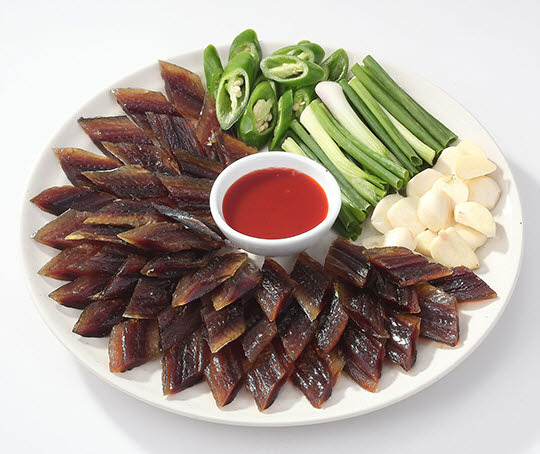
a slice of gwamegi on top, then some garlic, chili pepper, and scallions,
all rolled up and dipped into tangy chili-vinegar sauce.
One bite and you instantly think, “Ah, it’s winter.”
Naturally, a few questions follow:
- “People say gwamegi is good for you. How much of that is actually true?”
- “I have gout. Is it safe for me to eat gwamegi?”
- “The fishy smell is too strong for me. Is there any way to make it less fishy?”
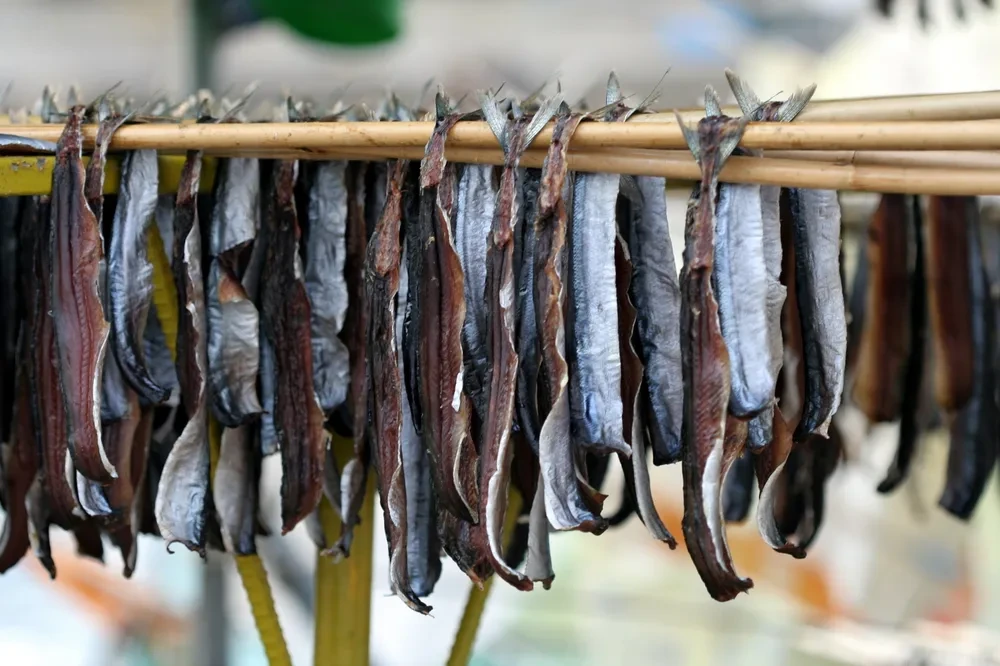
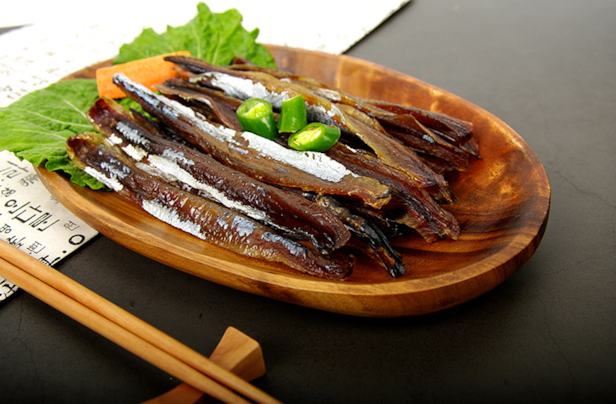
Gwamegi is made by taking Pacific saury or herring and hanging it in the cold winter sea breeze so it repeatedly freezes and thaws as it dries.
During this process, protein, fat, omega-3 fatty acids, and vitamins become more concentrated in the fish.
That’s why gwamegi is considered a high-protein, high-fat winter seasonal food that may support blood vessels, brain health, and fatigue recovery.
But on the flip side, because of its purine, sodium, and histamine content, gwamegi can also cause problems for certain people.
In this post, we’ll walk through everything in one place:
- Gwamegi benefits (for heart, brain, fatigue, and bone health)
- Gwamegi side effects, especially if you have gout, digestive issues, or allergies
- How to reduce the fishy smell and enjoy gwamegi deliciously
- How to choose, prepare, store gwamegi and how much to eat safely in a week

2. What Exactly Is Gwamegi? (Season, Calories, Nutrition)
2-1. What gwamegi is and when it’s in season
Traditionally, gwamegi started as a way of drying herring by skewering it on a string – originally called gwanmok (貫目).
Over time, the name changed, and these days most products are made with Pacific saury gwamegi, although herring gwamegi has been making a comeback.
- Season: Typically from November to February
- How it’s made: Cleaned fish are hung outdoors in the cold winter sea breeze for about 10–15 days, freezing and thawing over and over.
This process drives off moisture and concentrates flavor and nutrients.
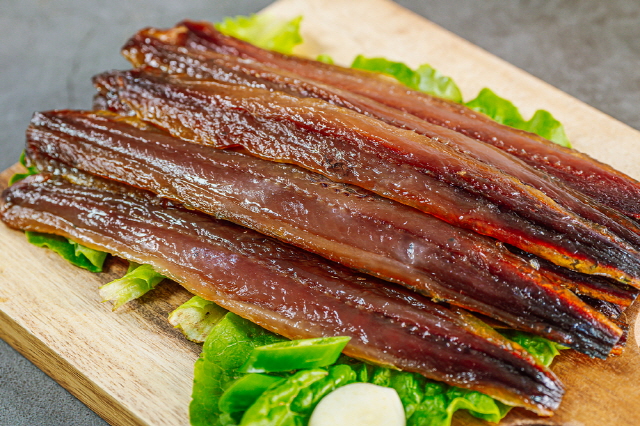
When you look at a good piece of gwamegi:
- The flesh isn’t rock-hard,
- It has a deep reddish color with a nice sheen,
- And it looks slightly moist, not overly dried out.
These are all good signs of quality.
2-2. Gwamegi calories and basic nutrition
Gwamegi is a high-protein, high-fat oily fish.
If we use raw Pacific saury 100 g as a rough reference, you get approximately:
- Calories: around 200 kcal
- Protein: about 18–20 g
- Fat: about 16–18 g
- Omega-3 fatty acids (EPA, DHA): several hundred mg
- Vitamins & minerals: vitamin D, B vitamins, selenium, and more
Because gwamegi is dried, you can think of it like this:
“The water is taken out, so the nutrients are packed in more tightly.”
That idea makes it easier to understand why it’s such a dense, energy-rich food.
2-3. Key nutrition points of winter gwamegi
We can summarize the nutrition profile of gwamegi like this:
- Rich in omega-3 fatty acids
Gwamegi is packed with EPA and DHA, which are linked to heart, brain, and eye health. - High-protein food
It’s a good source of protein for muscle maintenance and fatigue recovery. - Contains vitamins A, D, and E
These vitamins support bone, skin, and immune health and have antioxidant roles.
At the same time, purine, sodium, and fat levels can also be relatively high,
so it’s important to look at gwamegi benefits and gwamegi side effects together, not just the good parts.
3. Top 5 Gwamegi Benefits – Heart, Brain, Fatigue, and Bone Health
3-1. Supports blood vessels and heart health
Gwamegi contains a lot of omega-3 fatty acids (EPA and DHA).
Various studies have shown that these fats can help:
- Reduce triglycerides (TG) in the blood
- Decrease inflammatory responses
- Reduce platelet aggregation (making blood less “sticky”)
Because of these effects, omega-3 intake is associated with a lower risk of major cardiovascular events like heart attacks and strokes.
Large observational studies and meta-analyses have repeatedly found that:
People who regularly eat fish tend to have a lower overall risk of death from cardiovascular disease.
Since gwamegi is especially rich in omega-3s,
having it about once a week in winter, in appropriate portions,
can be a plus for your heart and blood vessel health.
3-2. Brain, vision, and nervous system support
EPA and DHA are structural components of both the brain and the retina.
This is why omega-3 intake is often discussed in relation to:
- Cognitive function (memory, focus, processing speed)
- Vision and eye health
- Nervous system development and maintenance
For growing children, students with heavy study loads,
and older adults concerned about memory or dementia,
health professionals often recommend oily fish as part of the diet.
Enjoying gwamegi once or twice during the winter season can be a smart way to boost these nutrients.
3-3. High-protein food for fatigue and muscle maintenance
Gwamegi is naturally rich in protein, which can be particularly helpful for:
- People starting an exercise routine or trying to build muscle
- Middle-aged and older adults who worry about age-related muscle loss
- Anyone who feels fatigued easily and lacks stamina
Protein, combined with B vitamins, iron, and selenium found in fish,
can support energy production and recovery when paired with a balanced diet.
3-4. Bone, immune, and skin health
Gwamegi also contains vitamins D, A, and E:
- Vitamin D
Helps with calcium absorption and plays a key role in preventing osteoporosis. - Vitamins A and E
Act as antioxidants, protecting cells from damage and helping slow skin aging.
Together with essential amino acids, these nutrients make gwamegi a food that can broadly support bone, skin, and immune health, when eaten in moderation as part of a balanced diet.
3-5. Gwamegi calories and weight management
If you’ve ever searched for “gwamegi calories” or “gwamegi for diet”, you’re not alone.
From a nutrition standpoint, gwamegi:
- Has almost no carbohydrates, and
- Is made up mostly of protein and fat.
That means it can fit relatively well into low-carb or higher-protein meal plans,
as long as you adjust your total calorie intake.
However, it’s still a high-fat, high-calorie fish, so it isn’t a “free food.”
To use gwamegi wisely for weight control:
- Cut back slightly on rice, bread, or alcohol when you eat it.
- Load up your plate with vegetables and seaweed to increase volume and fiber.
- Think of gwamegi as a protein-rich side dish, not the main calorie source.
4. Gwamegi Side Effects – Who Needs to Be Careful?
No matter how healthy a food is,
there is no such thing as “the more, the better” for everyone.
Gwamegi is no exception.
4-1. Purine, gout, and uric acid
Gwamegi is made from oily fish that has been dried and semi-fermented,
which places it in the category of high-purine foods.
Purine is broken down into uric acid in the body.
If uric acid levels get too high, it can crystallize and cause gout attacks.
So if you:
- Have been diagnosed with gout, or
- Have been told at a check-up that your uric acid is elevated,
then it’s wise to be cautious with foods like gwamegi, anchovies, dried shrimp, organ meats, and certain other dried fish.
For people with gout or high uric acid, gwamegi should be eaten in small amounts, not in large portions or too frequently.
This is exactly why you often see warnings about “gwamegi, gout, and purine.”
4-2. Histamine, digestive upset, and allergic reactions
Oily, semi-fermented fish like gwamegi can develop higher levels of histamine
if they are not handled and stored properly.
Eating fish with excess histamine can trigger “histamine poisoning,” which feels like:
- Flushing and facial redness
- Hives and itching
- Headache, nausea, or vomiting
Because gwamegi is also relatively high in fat, people with sensitive stomachs might experience:
- Bloating or heaviness after eating
- Poor digestion or indigestion
- Worsening reflux or heartburn
If you have a history of fish allergies,
or you struggle with gastritis, acid reflux, or irritable bowel syndrome,
it’s safer to start with a very small amount the first time and see how your body reacts.
4-3. Sodium, fat, blood pressure, and kidney health
Gwamegi itself is just fish,
but in real life we rarely eat it alone.
We usually add:
- Chili-vinegar sauce (gochujang + soy sauce, etc.)
- Salted side dishes
- Alcohol
This combination can easily push sodium and calories much higher than we think.
If you have:
- High blood pressure
- Chronic kidney disease
- Heart failure or fluid retention problems,
then it’s especially important to:
- Reduce your portion size of gwamegi,
- Go light on salty sauces and side dishes, and
- Limit or avoid alcohol when eating gwamegi.
This kind of adjustment can make a real difference in blood pressure and swelling over time.

5. How to Make Gwamegi Taste Great (and Less Fishy)
Many people who dislike gwamegi say the same thing:
“It’s just too fishy for me.”
The good news is, once you know a few tricks,
gwamegi can taste much milder and more approachable than you might expect.
5-1. Classic combo: Gwamegi seaweed wrap with chili dipping sauce
What you’ll need
- Dried seaweed (gim), roasted or unroasted
- Blanched seaweed stems (miyeok) or kelp (dashima)
- Prepared gwamegi, cut into bite-sized pieces
- Vegetables: scallions, onions, garlic, chili peppers, lettuce, perilla leaves, etc.
- Dipping sauce: simple chili-vinegar sauce
- (gochujang + vinegar + a little sugar + minced garlic)
How to eat it
- Place a sheet of seaweed on your hand or plate.
- Lay a strip of blanched seaweed or kelp on top.
- Add one or two pieces of gwamegi.
- Finish with a bit of scallion, garlic, or chili pepper.
- Roll it up and dip it into the chili-vinegar sauce.
- Pop the whole roll into your mouth in one bite.
Seaweeds like miyeok and kelp are rich in fiber and minerals.
They help increase fullness and can support your body in handling fat and sodium more efficiently.
5-2. Simple ways to reduce the fishy smell
- Defrost in the fridge, then blot
If your gwamegi is frozen, let it thaw slowly in the refrigerator,
then blot the surface with paper towels to remove excess moisture and oil.
This alone can noticeably reduce the fishy odor. - Let it warm slightly before eating
After defrosting, leave it at room temperature for 10–15 minutes.
When it’s not ice-cold, the flavor is smoother and the texture feels more tender. - Trim off some of the dark red bloodline
If you’re very sensitive to fishiness,
you can carefully remove some of the dark red central portion (bloodline) before eating. - Lightly pan-sear if raw texture is hard to handle
If eating gwamegi raw feels too intense,
you can lightly grill or pan-sear it.
The flavor mellows out and it becomes easier for first-timers to enjoy—almost like a gently grilled fish.
6. How to Choose, Prepare, and Store Gwamegi Safely
6-1. How to pick good gwamegi
Look for pieces that:
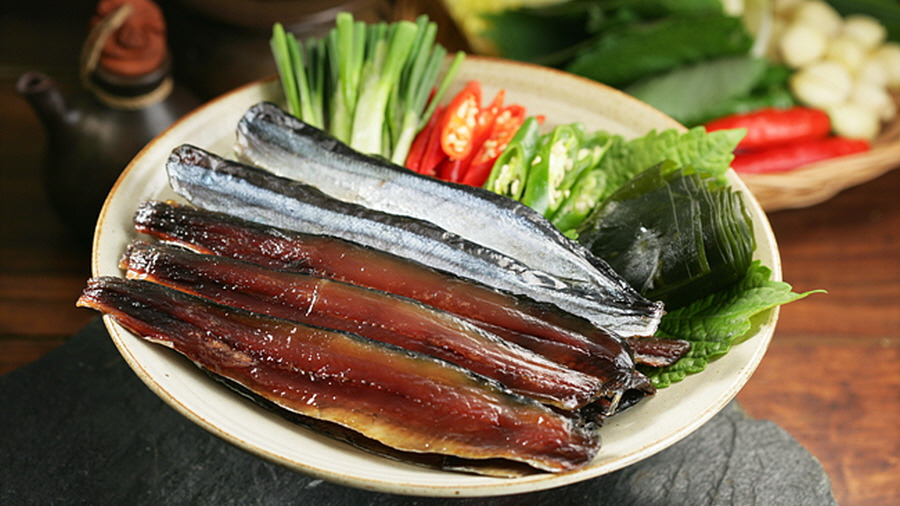
- Have a deep reddish color with a glossy sheen,
- Are not overly dried or rock-hard, but still slightly springy,
- Don’t have a harsh, overpowering smell or any sour, “off” odors,
- Show no mold spots or strange colors (greenish or gray patches).
If you keep these points in mind, it becomes much easier to avoid poor-quality product.
6-2. Basic prep steps
- Either rinse the gwamegi quickly or simply wipe it with a clean paper towel.
- Open it along the back and remove the main bones and large pin bones.
- Cut it into bite-sized pieces that are easy to wrap and eat.
- Place only the amount you’ll eat right away on a plate.
- Put the rest into an airtight container and store it in the fridge or freezer.
6-3. Storage and defrosting
- Refrigerator:
Store at 0–4°C (32–39°F) and try to eat it within 2–3 days. - Freezer:
At –18°C (0°F) or below, it can be kept for several weeks,
but it’s better not to refreeze once it’s been thawed. - Best defrosting method:
Move it from the freezer to the refrigerator the day before you plan to eat it,
and let it thaw slowly.
This helps keep the texture and flavor at their best.
7. How Much Gwamegi Is Too Much? Practical Tips You Can Use Right Away
When you think about both gwamegi benefits and gwamegi side effects,
the most realistic question becomes:
“So… how much can I actually eat?”
7-1. Reasonable intake for a generally healthy adult
- One serving: about 100 g gwamegi (roughly 2–3 fish pieces)
- Frequency: around once a week during the winter season
On other days, it’s a good idea to rotate with:
- Mackerel, salmon, or other fish
- Tofu, eggs, beans, and other protein sources
This way, no single food dominates your purine, fat, or histamine intake.
If you have gout, kidney disease, heart disease, or chronic digestive issues,
you may need smaller portions or stricter limits than this.
In that case, working out a personal plan with your healthcare provider is the safest choice.
7-2. Five habits you can start using today
- Prioritize vegetables and seaweed over rice and alcohol
When you eat gwamegi, reduce your rice and alcohol portions,
and generously increase seaweed and vegetables
such as gim, miyeok, lettuce, perilla leaves, and onions. - Make the “gwamegi + seaweed wrap” a habit
A gwamegi wrap with seaweed and chili-vinegar sauce isn’t just tasty—
it also adds fiber and minerals, which help digestion and satiety. - Cut back on store-bought sauces and make your own
Ready-made sauces often contain a lot of sodium and sugar.
Mixing vinegar, gochujang, a bit of sugar, and minced garlic at home
gives you a lighter, more controllable dipping sauce. - If you have gout or digestive issues, start with “just a couple of bites”
If you have gout or a sensitive stomach,
start with one or two small pieces of gwamegi the first time,
and watch how your body feels over the next day. - Check for overlap with your omega-3 supplements
If you already take high-dose omega-3 supplements,
and on top of that you eat a lot of gwamegi and other oily fish,
your total omega-3 intake may become higher than necessary.
In that situation, it’s worth discussing supplement dosage
with your healthcare provider.

8. Final Takeaway – How to Make Gwamegi Work for You
Let’s wrap up the key points.
Gwamegi benefits
- Gwamegi is a winter seasonal food rich in
omega-3, protein, and vitamins A, D, and E. - In moderation, it can support heart, brain, fatigue, bone, and skin health
as part of a balanced diet.
Gwamegi side effects
- It can also be high in purine, histamine, sodium, and fat.
- People with gout, digestive issues, high blood pressure, kidney disease, or allergies
need to be especially careful with portion size and frequency.
How to eat gwamegi well
- Enjoy it as gwamegi seaweed wraps with miyeok, gim, vegetables, and homemade chili-vinegar sauce.
- This reduces fishiness and helps balance the meal with fiber and micronutrients.
Practical rule of thumb
- For most healthy adults, a reasonable guideline is:
about 100 g once a week during the winter. - Adjust the amount based on your own health status,
and rotate gwamegi with other fish and protein sources.
On a cold winter evening, as you take a bite of gwamegi,
it can be helpful to pause for just a second and ask:
“What is this one bite doing to my body?”
If you keep that question in mind,
you’ll naturally find a balance where you enjoy the taste of gwamegi,
take advantage of its benefits,
and keep its side effects in check—
turning your winter table into something that’s satisfying and smart.
Important Note
This article is for general health information and educational purposes only.
It is not a substitute for professional medical advice, diagnosis, or treatment.
If you have specific symptoms, existing medical conditions, or concerns about your health,
please consult your doctor or qualified healthcare provider for an evaluation tailored to you.






최근댓글