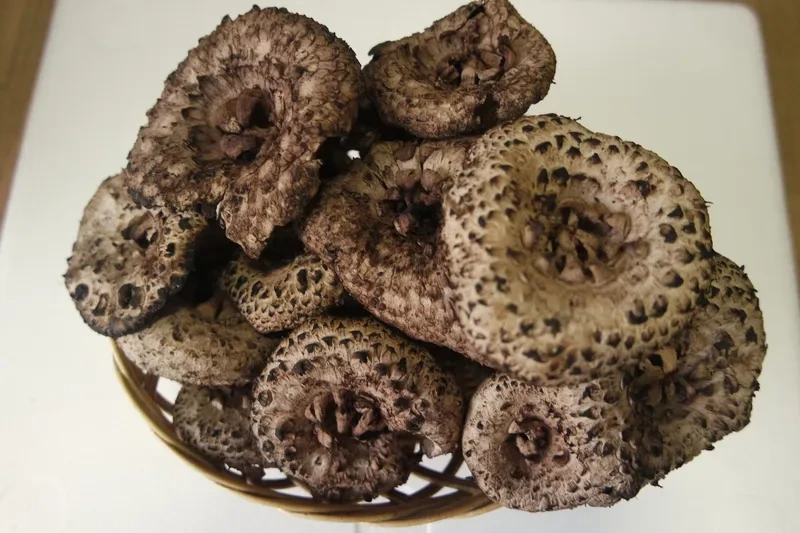
1. Why Are Neungi Mushrooms Considered So Special?
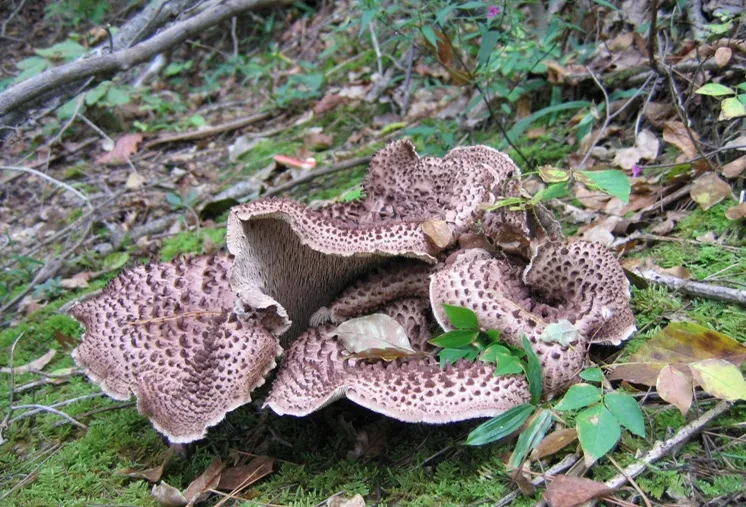
Neungi is a wild mushroom traditionally enjoyed in Korean cuisine, especially in soups and stews. Because of its strong aroma and limited supply, it has a reputation as a “medicinal” or “tonic” autumn mushroom.
Nutritionally, neungi mushrooms:
- Are low in energy yet filling
- Provide fiber that supports digestion
- Contain minerals that help with fluid balance, nerve function, and metabolism
- Offer amino acids and small amounts of healthy fats
In daily meals, adding neungi mushrooms to dishes like stews, hot pots, or chicken soup can make the meal feel lighter on the stomach while adding depth of flavor.
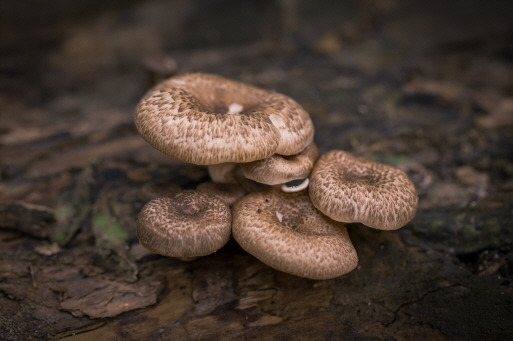
2. Neungi Mushroom Benefits – A Simple Overview
2-1. Immune Support and Antioxidant Effects
Like many other edible mushrooms, neungi contains beta-glucans and various polysaccharides. In experimental studies, these compounds have been shown to:
- Support the activity of immune cells
- Reduce oxidative stress by scavenging free radicals
- Help regulate inflammatory responses
Because of this, when people talk about neungi mushroom benefits, they often associate it with:
- “A mushroom that supports immunity”
- “A food that helps the body feel nourished and replenished”
That said, most of these findings come from animal or cell studies, not large-scale human trials. For now, the safest way to think about neungi is as:
A supportive, health-oriented ingredient that can complement a balanced lifestyle,
rather than a medical treatment on its own.
2-2. Blood Sugar, Cholesterol, and Fatty Liver
Some recent animal studies have looked at neungi mushroom extracts in the context of metabolic health. In high-fat diet models, neungi extracts were associated with:
- Less weight gain
- Improved blood lipid profiles (lower total cholesterol and triglycerides)
- Reduced fatty liver changes and inflammation
In diabetic animal models, certain neungi polysaccharides have been reported to:
- Lower blood sugar levels
- Improve insulin resistance
- Reduce fat accumulation in the liver
Based on these experimental findings, neungi mushroom benefits are now being explored in relation to:
- Blood vessel and heart health
- Cholesterol management
- Obesity and fatty liver risk
However, we are not at a stage where we can say,
“Eating neungi mushrooms alone will normalize your blood sugar or cholesterol.”
A more realistic and safe interpretation is:
If you follow a balanced diet, exercise regularly,
and then include neungi mushrooms as part of your meals,
they may provide a small additional benefit for metabolic health.
2-3. Comfort for Digestion and the Respiratory Tract
Traditionally, many people have felt that neungi mushrooms:
- Make heavy, fatty meals easier to digest
- Help chicken soup or hot pot feel lighter on the stomach
- Offer a soothing warmth when enjoyed as a broth or tea during seasonal changes
Experimental work on neungi extracts has shown that they may:
- Help protect the stomach lining
- Reduce oxidative stress in the stomach
- Support a healthier balance of gut microbiota
Putting this together, you can think of neungi mushroom benefits in three main pillars:
- Immune and antioxidant support
- Metabolic health (blood sugar, lipids, weight)
- Digestive, gut, and possibly airway comfort
Again, these are supportive effects, not direct treatment effects.
3. Neungi Mushroom Side Effects – What You Need to Know
Neungi mushroom side effects are not very common, but there are several important points to keep in mind. It’s not a food you should overeat just because it is “healthy.”
3-1. Do Not Eat Neungi Mushrooms Raw
The most important safety rule is never eat neungi mushrooms raw.
- There have been reports of people experiencing nausea, stomach pain, and diarrhea after eating neungi mushrooms that were not cooked properly.
- For safety, the basic rule of how to eat neungi mushrooms is:
Always cook them thoroughly before eating.
If you want to minimize neungi mushroom side effects,
full cooking is essential.
3-2. If You Have a Sensitive Stomach, Start with Small Portions
Neungi is sometimes described as having a slightly “cool” nature in traditional food therapy. For people with sensitive digestion, this can matter. Be cautious if you:
- Often experience diarrhea or abdominal pain
- Frequently feel cold in your hands and feet
- Have a naturally weak digestive system
In that case, it is better to:
- Start with small portions
- Choose warm, gentle dishes such as soups and stews
- Increase the amount slowly, while paying attention to how your body reacts
Because neungi mushroom side effects can vary by individual constitution,
portion control is especially important the first few times you try it.
3-3. Allergy and Medication Considerations
If you:
- Have a known mushroom allergy, or
- Take certain medications long term
you should be careful when adding any new mushroom, including neungi, to your regular diet. If you plan to eat it often, it’s wise to check with your healthcare provider first.
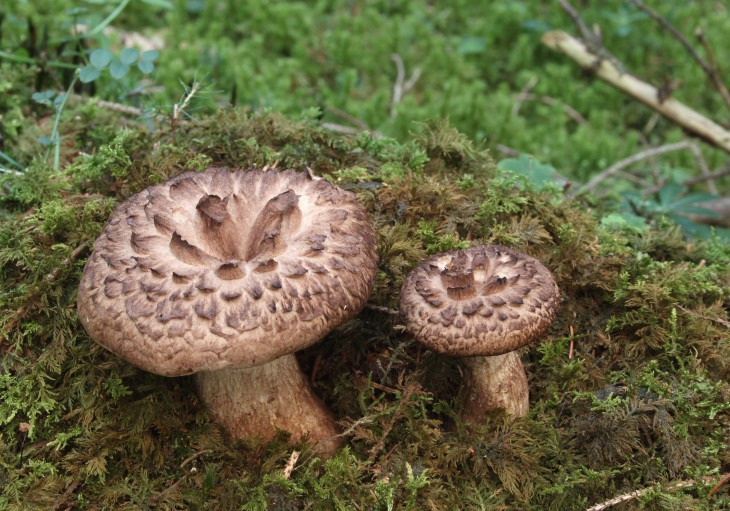
4. How to Prepare and Store Neungi Mushrooms
How you handle neungi mushrooms is just as important as how you eat them. To enjoy the full neungi mushroom benefits, keeping them fresh and clean is key.
4-1. Cleaning and Trimming
1. Rinse lightly
- Rinse quickly under running water to remove dust and debris.
- Avoid soaking or over-washing, as this can wash away aroma and flavor.
2. Trim the base
- Cut off only the part of the stem that is heavily covered in soil.
3. Check for worms or spoiled parts
- Wild neungi mushrooms can sometimes have insects or spoiled spots.
- Slice them open if needed and remove any damaged areas.
4-2. Storage Methods
Refrigeration
- Place cleaned mushrooms in a container lined with paper towels.
- Store in the fridge and consume within 3–4 days for best quality.
Freezing
- Blanch briefly in boiling water, cool completely, then portion and freeze.
- This helps keep both flavor and texture more stable.
Drying
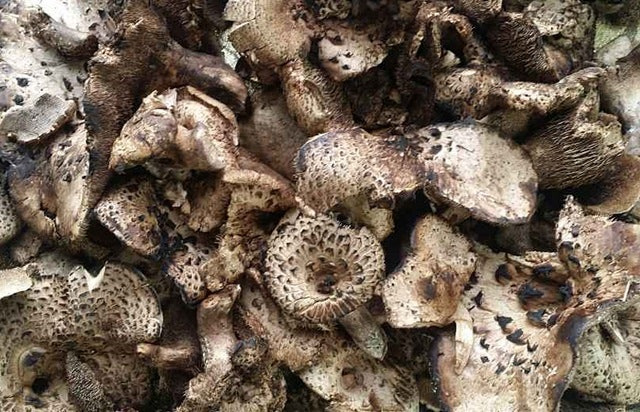
- Air-dry in a well-ventilated place to make dried neungi mushrooms.
- These can be used later in teas, soups, hot pots, and stews.
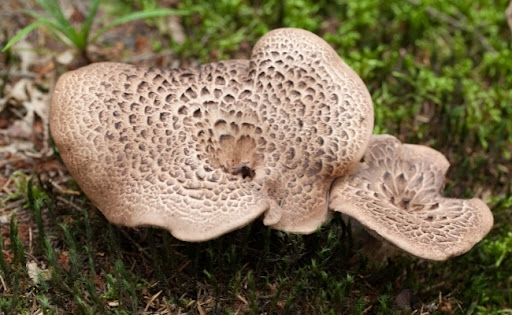
5. How to Eat Neungi Mushrooms – Easy Everyday Recipes
You don’t need complicated recipes to enjoy neungi mushrooms. Often, the best way is simply to add them to dishes you already cook at home.
5-1. Neungi Chicken Soup (Neungi Baeksuk)
- Add neungi mushrooms, green onions, whole garlic cloves, and jujubes to a whole chicken (or duck) and simmer slowly.
- The mushroom deepens the flavor of the broth and adds fiber, which can help heavy soups feel easier on the stomach.
5-2. Neungi Hot Pot and Stews
- Toss a handful of neungi mushrooms into dishes like soybean paste hot pot, mixed mushroom hot pot, or kimchi stew.
- They blend well with other mushrooms and make the broth more aromatic and satisfying.
5-3. Stir-Fried or Seasoned Neungi
- Blanch neungi briefly, then season with soy sauce, sesame oil, garlic, and sesame seeds.
- Or stir-fry with vegetables as a side dish for rice.
5-4. Neungi Tea or Neungi Infusion
- Rinse dried neungi mushrooms lightly, then simmer them gently in water over low heat.
- Drink the warm infusion like a mild mushroom tea, especially during cooler seasons.
Across all these methods, the most important principle of how to eat neungi mushrooms is:
Always cook them thoroughly
and choose a form that does not upset your digestion.
6. Practical Tips for Using Neungi Mushrooms in Daily Life
If you’d like to enjoy neungi mushroom benefits without overdoing it, these four habits are easy to adopt.
Tip 1. Have a “Mushroom Day” Once or Twice a Week
Instead of focusing only on neungi mushrooms:
- Rotate different mushrooms like shiitake, oyster, and king oyster along with neungi.
- Aim to include mushrooms in your meals 1–2 times per week or more.
This naturally increases your intake of fiber and antioxidant-rich foods.
Tip 2. Add Neungi on “Heavy” Eating Days
On days when you eat fried or fatty foods such as:
- Pork belly, fried chicken, or other rich dishes
try adding:
- Neungi hot pot
- Neungi stir-fry
- A simple neungi mushroom side dish
This can boost satiety and may help reduce overeating.
Tip 3. If You Have a Sensitive Stomach, Start with Broth
If your digestion is easily upset:
- Begin with gentle dishes like neungi chicken soup or neungi broth.
- Increase the portion gradually while watching how your body responds.
This approach helps you enjoy the flavor and potential benefits without unnecessary discomfort.
Tip 4. See Neungi as “Supportive,” Not a Miracle Cure
If you’re concerned about:
- Blood pressure
- Blood sugar
- Cholesterol
it might be tempting to rely solely on neungi mushroom benefits.
But the foundation should always be:
- Regular physical activity
- Weight management
- Reducing sugary and highly processed foods
Neungi mushrooms are best viewed as a supportive ingredient you add on top of these fundamentals.
7. Summary and Final Thoughts
To wrap up, here is a simple recap of neungi mushroom benefits, side effects, and how to eat them.
Neungi Mushroom Benefits
- Contain beta-glucans and polysaccharides that may support
immune function, antioxidant activity, and inflammation control. - Animal studies suggest possible benefits for:
- Blood sugar control
- Cholesterol and triglycerides
- Fatty liver and metabolic health
These findings point to a potential positive role in metabolic and cardiovascular health, but more human research is needed.
Neungi Mushroom Side Effects
- Eating neungi mushrooms raw has been linked to
nausea, abdominal pain, and diarrhea in some cases.
→ Always cook them thoroughly. - People with weak digestion should start with small amounts.
- Those with mushroom allergies or on long-term medication should be cautious and, if in doubt, consult a healthcare provider.
How to Eat Neungi Mushrooms
- The easiest options include:
- Neungi chicken soup or hot pot
- Stews and soups
- Stir-fried or seasoned side dishes
- Mild neungi tea made from dried mushrooms
- Cook them well, match the portion to your own constitution,
and combine them with other healthy ingredients.
Neungi mushrooms are certainly an attractive ingredient for anyone interested in health and traditional foods. The key is not to rely on neungi mushroom benefits alone, but to:
- Maintain regular routines
- Move your body often
- Cut back on highly processed and sugary foods
Then, add neungi mushrooms into your meals as a flavorful, health-supportive extra.
Within that balance, you can enjoy neungi mushrooms safely and deliciously while making the most of what they have to offer.
Important Note
The information in this article is intended to help you better understand neungi mushrooms and general health topics.
It is not a substitute for medical diagnosis, treatment, or professional advice.
If you have specific symptoms, medical conditions, or concerns, please consult a qualified healthcare provider for a personalized evaluation.






최근댓글