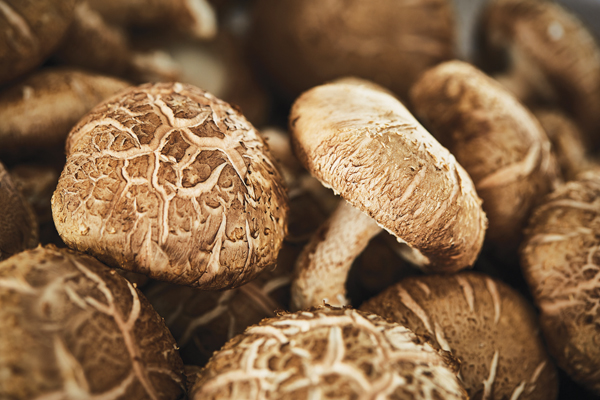
1. Why Are Shiitake Mushrooms Considered So Healthy?
“People say shiitake mushrooms boost immunity…
How much can I eat in a day?
“I have gout. Is it still safe for me to eat shiitake mushrooms?”
These are very common questions.
Shiitake mushrooms have been used for generations in hot pots, stews, and broth in many Asian kitchens.
These days, they’re getting a fresh spotlight as a go-to ingredient for immunity, cardiovascular health, and even weight management.
However, focusing only on the “good” side and eating a lot without any understanding can backfire.
It’s much safer to know both the benefits and side effects of shiitake mushrooms, along with how to eat them properly, and then fit them into your own diet.
In this article, we’ll walk through:
- Shiitake mushroom nutrition and calories
- Key shiitake mushroom benefits for immunity, blood vessels, and cholesterol
- Possible side effects such as digestive issues, allergy, skin reactions, and gout concerns
- Practical tips on how to eat shiitake mushrooms, daily intake, storage, and easy cooking ideas
— all in one place.
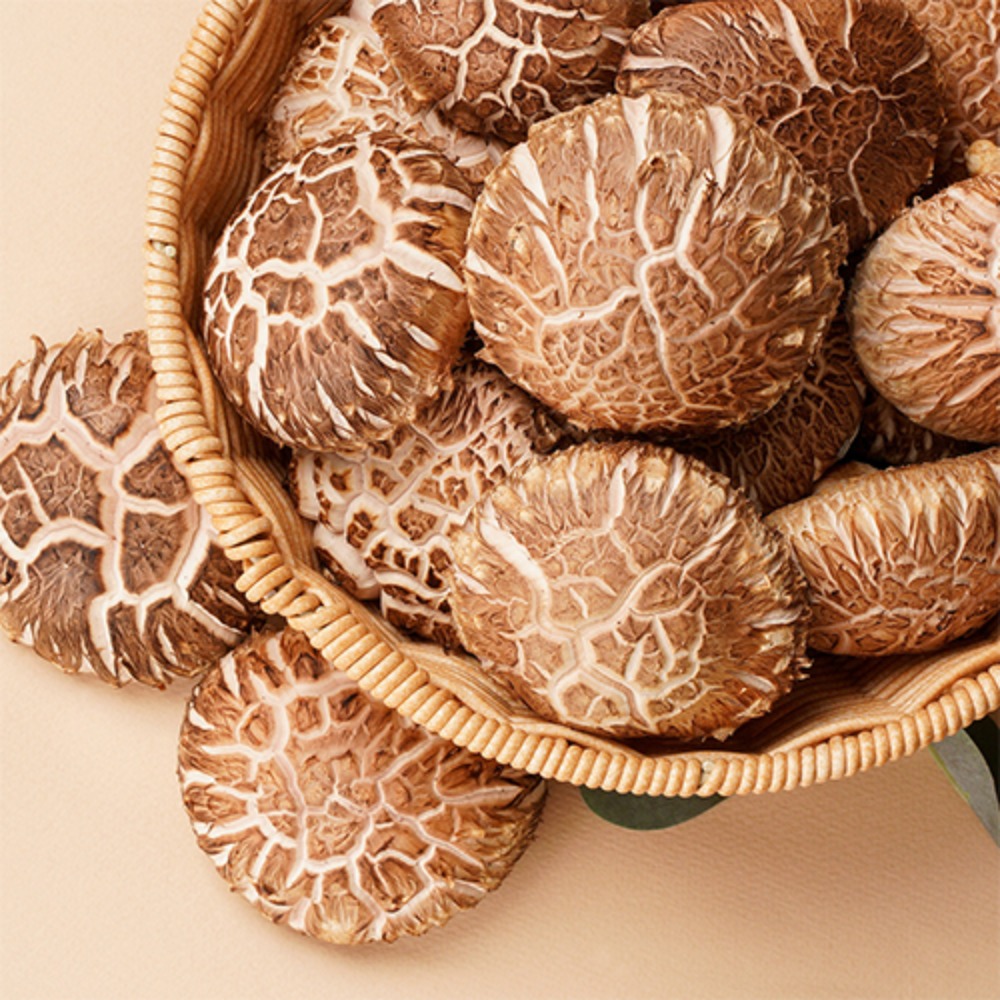
2. Shiitake Nutrition & Calories at a Glance
Let’s start with shiitake mushroom nutrition and calorie content.
Once you see the numbers, it becomes clear why shiitake is considered a “low-burden” healthy ingredient.
2-1. Low in Calories, Surprisingly Nutritious
For fresh shiitake mushrooms, 100 g (about 3.5 oz) provides roughly:
- 30–40 kcal – very low in calories
- About 7 g of carbohydrate
- Around 2 g of protein
- Less than 1 g of fat
- Around 2–3 g of dietary fiber
- B vitamins, potassium, copper, selenium, and other trace minerals
In other words, shiitake mushrooms are low in calories but still help you feel full.
For people who are:
- Watching their weight
- Managing blood sugar or cholesterol
it often works well to slightly reduce high-calorie side dishes and add an extra shiitake-based side dish instead.
2-2. Dried Shiitake and Vitamin D
When shiitake mushrooms are dried or exposed to sunlight / UV light,
certain compounds inside the mushroom change and vitamin D2 levels increase.
That’s why:
- Sun-dried shiitake mushrooms
- UV-treated dried shiitake
can be more valuable as a dietary source of vitamin D than fresh shiitake.
If you rarely get direct sunlight or spend most of your day indoors,
using dried shiitake regularly in soups, stews, and rice dishes can be a simple way to support your vitamin D intake through food.
3. Health Benefits: Immunity, Blood Vessels, and More
Now to what most people are curious about: shiitake mushroom benefits.
Based on research, but in plain language:
3-1. Immune Support and Antioxidant Effects
Shiitake mushrooms contain complex carbohydrates such as:
- β-glucan (beta-glucan)
- Lentinan
These are polysaccharides that act as “helpers” for your immune cells, supporting them so they can do their job more effectively.
In simple terms, they may:
- Help your body respond better to invading germs
- Reduce oxidative stress inside the body
- Support overall immune function and antioxidant defense
This doesn’t mean “eating shiitake mushrooms prevents every disease,”
but within a balanced diet, they can be one of the ingredients that gently support immune health.
3-2. Cholesterol and Blood Vessel Health
Shiitake mushrooms also contain a compound called eritadenine,
which has been shown in experimental studies to help lower blood cholesterol levels.
Along with that, dietary fiber and β-glucan in shiitake mushrooms may:
- Help reduce “bad” LDL cholesterol
- Support a healthier gut environment
- Contribute to overall heart and blood vessel health
If you often eat fried foods, heavy meats, or late-night snacks,
simply adding shiitake mushroom dishes alongside meat dishes can make your everyday meals a bit more heart-friendly.
3-3. Bone Health and Vitamin D
As mentioned earlier, dried shiitake mushrooms can contain higher levels of vitamin D2.
Vitamin D plays an important role in:
- Helping your body absorb calcium
- Supporting bone and muscle health
- Regulating parts of the immune system
If you don’t get much sun exposure,
using dried shiitake in your rice, soups, and stews more often can be a practical way to support vitamin D intake through food.
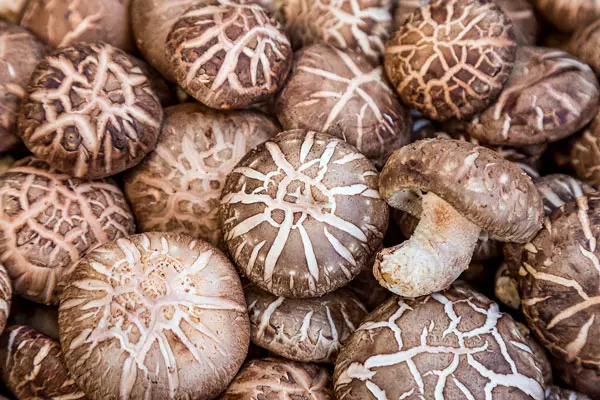
4. Side Effects and Who Should Be Careful
No matter how impressive the health benefits of shiitake mushrooms look,
you shouldn’t ignore the possible side effects.
4-1. Digestive Issues: Bloating and Loose Stool
Shiitake mushrooms are rich in dietary fiber.
Fiber is good for gut health, but if you eat too much at once, you may experience:
- Bloating or a heavy feeling in your stomach
- More gas than usual
- Loose stool or mild diarrhea
If you already have a sensitive gut or irritable bowel-type symptoms, it’s better to:
- Start with a small portion,
- Eat well-cooked shiitake dishes,
- Slowly increase the amount as your body gets used to it.
4-2. Undercooked Shiitake → “Whip-Like” Rash (Shiitake Dermatitis)
When shiitake mushrooms are not fully cooked,
some people develop a very unique rash that looks like red whip marks across the skin.
This condition is known as “shiitake dermatitis”.
Typically:
- It appears 1–3 days after eating undercooked shiitake
- Red, itchy, streak-like rashes show up on the skin
- In many cases, it gradually fades on its own
- In more severe cases, medical treatment may be needed
Because of this, the basic rule for how to eat shiitake safely is very simple:
✅ “Do not eat shiitake raw. Make sure they are fully cooked all the way through.”
Using raw shiitake slices directly in salads is not recommended.
4-3. Gout and High Uric Acid
Mushrooms, including shiitake, contain a certain amount of purines.
Purines are broken down in the body and turned into uric acid.
If you’ve already been diagnosed with gout or high uric acid,
it’s better not to eat a lot of shiitake just because of the health benefits.
Instead, try to follow these guidelines:
- Keep to a moderate portion per meal
(about 30–50 g of fresh shiitake before cooking) - Limit intake to 2–3 times a week
- On days when you eat a lot of meat, organ meats, or seafood (high-purine foods),
avoid large portions of shiitake on top of that
In gout, the real issue is not “one single food,”
but how much total purine you’re taking in from all foods combined.
4-4. If You Have a History of Allergies, Start Small
If you’ve ever eaten mushrooms and then noticed:
- Swollen lips
- Itchy mouth
- Hives or trouble breathing
you should be extra careful with shiitake.
In that case, always start with a very small amount,
pay attention to how your body reacts,
and stop eating them if you notice any suspicious symptoms.
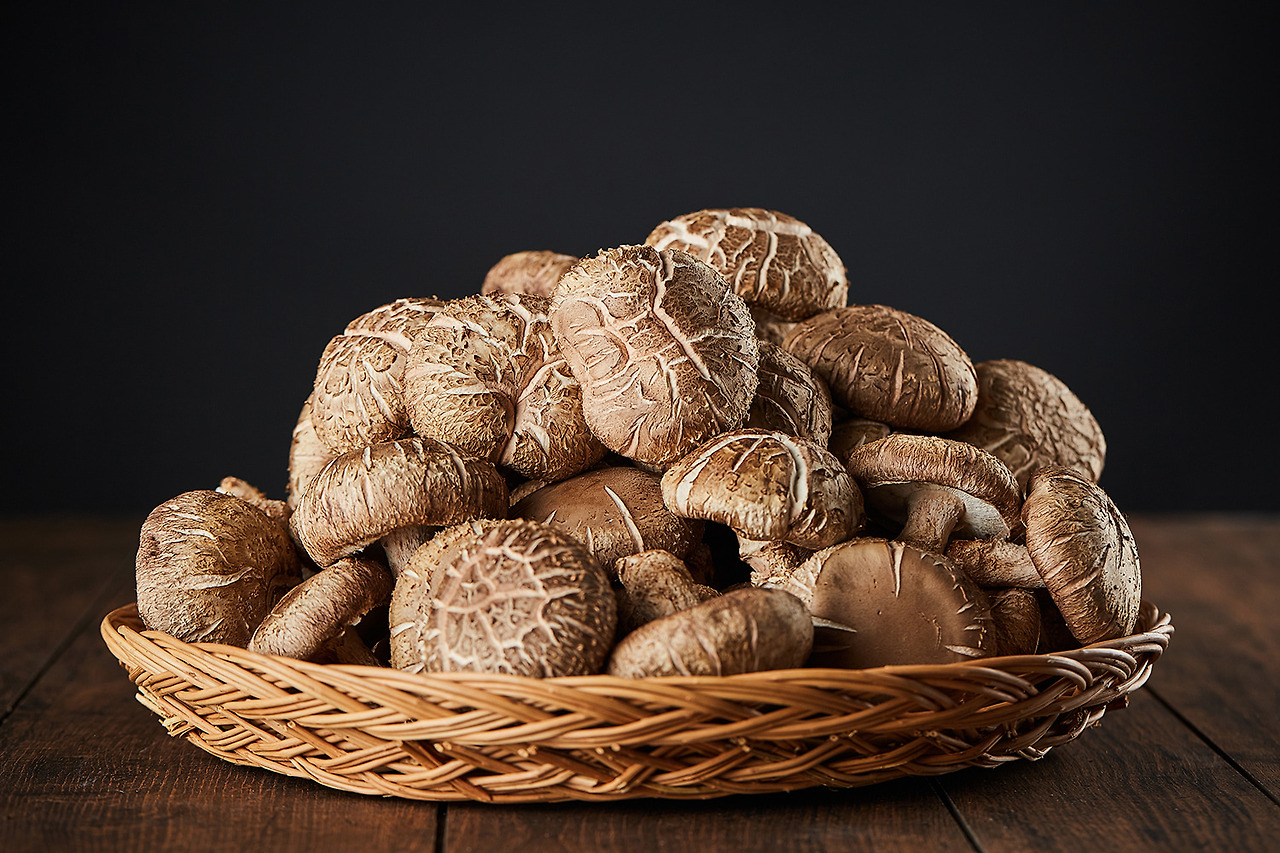
5. How to Eat Shiitake: Daily Intake and Practical Tips
So how exactly should you eat shiitake mushrooms,
and what is a reasonable daily intake?
5-1. Reasonable Daily Amount
For a generally healthy adult, a common practical range is:
- About 30–50 g of fresh shiitake before cooking per day
- Which usually translates to about one side-dish portion after cooking
If you have gout or high uric acid:
- Limit shiitake to 2–3 times per week
- Keep to around 2–3 dried shiitake caps per meal, depending on size
Exact limits can vary depending on your medications, other foods you eat, and your overall health,
so your doctor or dietitian’s advice should come first.
5-2. Five Simple Tips You Can Use Right Away
- Mix shiitake into meat dishes
- Slightly reduce the amount of meat in dishes like stir-fries, stews, or bulgogi-style dishes
- Replace that portion with sliced shiitake and vegetables
→ This lowers calorie density while still giving you the benefits of shiitake mushrooms.
- Use more dried shiitake to boost vitamin D
- Soak dried shiitake in water ahead of time
- Add them to soups, stews, noodle dishes, fried rice, or bibimbap
→ You get vitamin D plus a deep umami flavor.
- If you have a weak stomach, slice thin and cook longer
- For sensitive digestion, cut shiitake into thin strips
- Cook them thoroughly so the texture softens
→ This makes them easier on your gut.
- If you have gout, manage both portion and frequency
- For gout, how often and how much you eat is more important than one bite here or there
- On days when you eat more meat, alcohol, or seafood,
keep your shiitake portions smaller or skip them altogether.
- With any new food, test a small amount first
- If you have a history of allergies or unusual rashes,
start with just one or two small pieces - Increase gradually only if nothing unusual happens.
- If you have a history of allergies or unusual rashes,
6. Storage and Cooking Ideas
Once you understand shiitake mushroom benefits and side effects,
it’s time to make sure you can store and use them well in your kitchen.
6-1. Storing Fresh Shiitake Mushrooms
- If they’re wet, gently wipe off moisture
- Place them in a container or bag lined with paper towels
- Store in the vegetable drawer of your fridge and use within 3–5 days
If you seal them tightly in plastic with no air, moisture builds up and they spoil faster,
so let them “breathe” a little.
6-2. Soaking Dried Shiitake
- Soak dried shiitake in lukewarm water for 30–60 minutes
- This softens the texture and brings out more aroma and flavor
- The soaking liquid is rich in umami, so don’t throw it away
– use it as a base for soups, hot pots, sauces, or even to cook rice
6-3. Easy Ways to Add Shiitake to Your Meals
Shiitake mushrooms work well in:
- Miso soup, soybean paste soup, or other hearty soups
- Kimchi stew, hot pots, and noodle soups
- Stir-fries, fried rice, and noodle dishes
- Japchae-style dishes, dumpling fillings, meat patties, or meatballs
If children don’t like the look or texture of mushrooms,
you can finely chop shiitake and mix them into hamburger patties, meatballs, or dumpling filling.
This keeps the nutrition and flavor while reducing the “mushroom look” they might dislike.
7. Key Takeaways & Final Thoughts
To wrap up, here’s a quick summary of shiitake mushroom benefits, side effects, and how to eat them.
Benefits of Shiitake Mushrooms
- Low in calories but contain fiber, vitamins, and minerals
→ May support weight management, gut health, and cardiovascular health - Compounds like β-glucan and lentinan
→ May help with immune support, antioxidant defense, and cholesterol management
Side Effects and Cautions
- Eating too much at once may cause bloating, gas, or loose stool
- Undercooked shiitake can trigger “shiitake dermatitis,” a whip-like rash,
so they should always be fully cooked before eating - People with gout or high uric acid need to pay attention to total purine intake
and manage both the amount and frequency of shiitake consumption
How to Eat Shiitake Safely
- For most healthy adults: about 30–50 g of fresh shiitake per day,
around 2–3 times a week, is a reasonable and practical range - Dried shiitake can help support vitamin D intake and add natural umami to everyday dishes
In the end, shiitake mushrooms are best described as:
“A mushroom that becomes like medicine when you know how to use it, eat the right amount, and cook it properly.”
By thinking about your own health status and eating habits,
you can start by simply adding one shiitake dish to your weekly menu
and adjust from there.
Used wisely, shiitake mushrooms can be a delicious, everyday ally on your path to better health.
Medical & Legal Disclaimer
The information in this article is for general health education only.
It is not intended to replace a medical consultation, diagnosis, or treatment plan.
If you have symptoms, a medical condition, or questions about your own health,
please seek evaluation and advice from a qualified healthcare professional.






최근댓글