You’ve probably heard people say things like,
“It’s good for cancer,” or “It helps your immune system,”
when they talk about sanghwang mushroom.
That’s usually when many people start thinking:
- Is it really helpful for my health?
- Are there any side effects besides the benefits?
- How much should I take, and what’s the best way to consume it?
Even if you search online, information about sanghwang mushroom benefits and side effects can be confusing and sometimes exaggerated.
Over the past few years, there have been more and more studies using extracts of sanghwang mushroom (Phellinus linteus) to look at immune function and antioxidant effects.
Some human trials have reported that people who took sanghwang mushroom extract for a certain period showed improved immune markers such as natural killer (NK) cell activity, so it’s now often introduced as an “immune-supporting functional food.”
However, just because sanghwang mushroom has potential benefits doesn’t mean it’s right for everyone.
Depending on your body type, health conditions, and the medications you take, you may experience sanghwang mushroom side effects instead.
In this article, we’ll walk through:
- What kind of mushroom sanghwang is
- Scientifically known sanghwang mushroom benefits
- Who needs to be careful about sanghwang mushroom side effects
- Simple, practical tips on how to take sanghwang mushroom safely
so you can make a calm and informed decision.

1. What Exactly Is Sanghwang Mushroom?
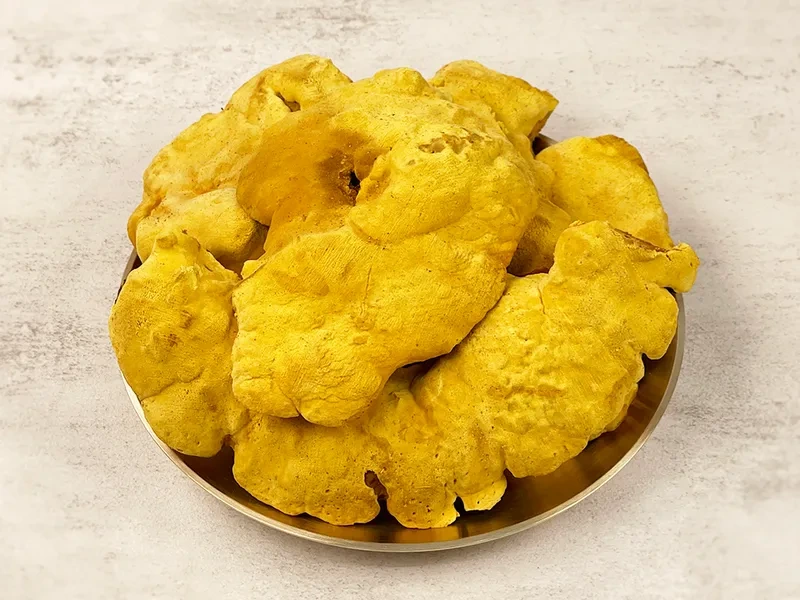
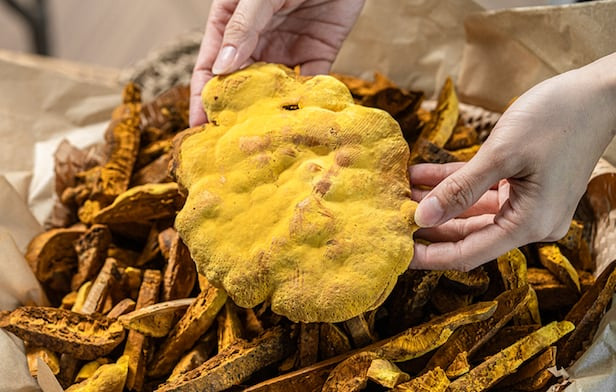
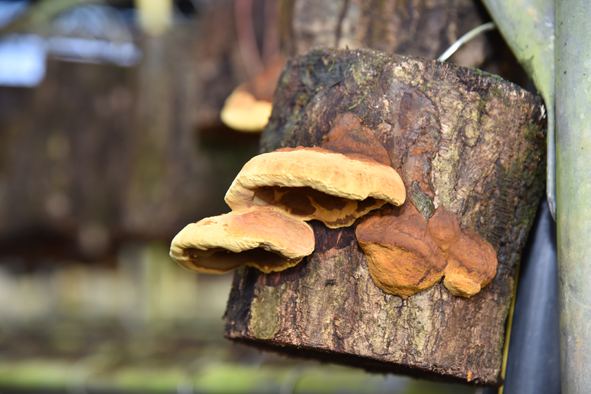
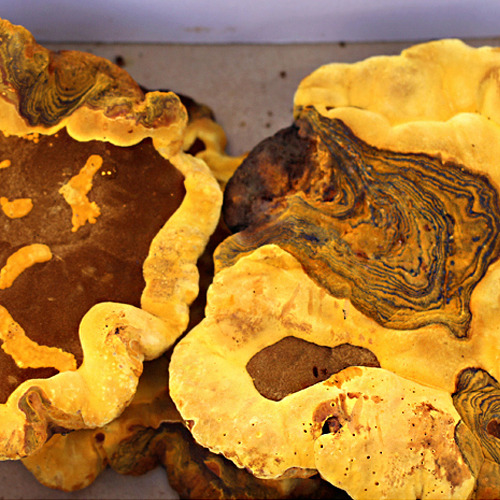
Sanghwang mushroom is a hard mushroom that grows tightly attached to tree trunks.
Because it often looks like a horse’s hoof, it’s also called a “horse hoof mushroom” in some contexts.
It’s commonly found on hard hardwood trees such as mulberry and has been used traditionally as a medicinal ingredient to:
- Strengthen the body
- “Replenish energy”
- Support overall vitality
These days, you’ll see sanghwang mushroom in several forms:
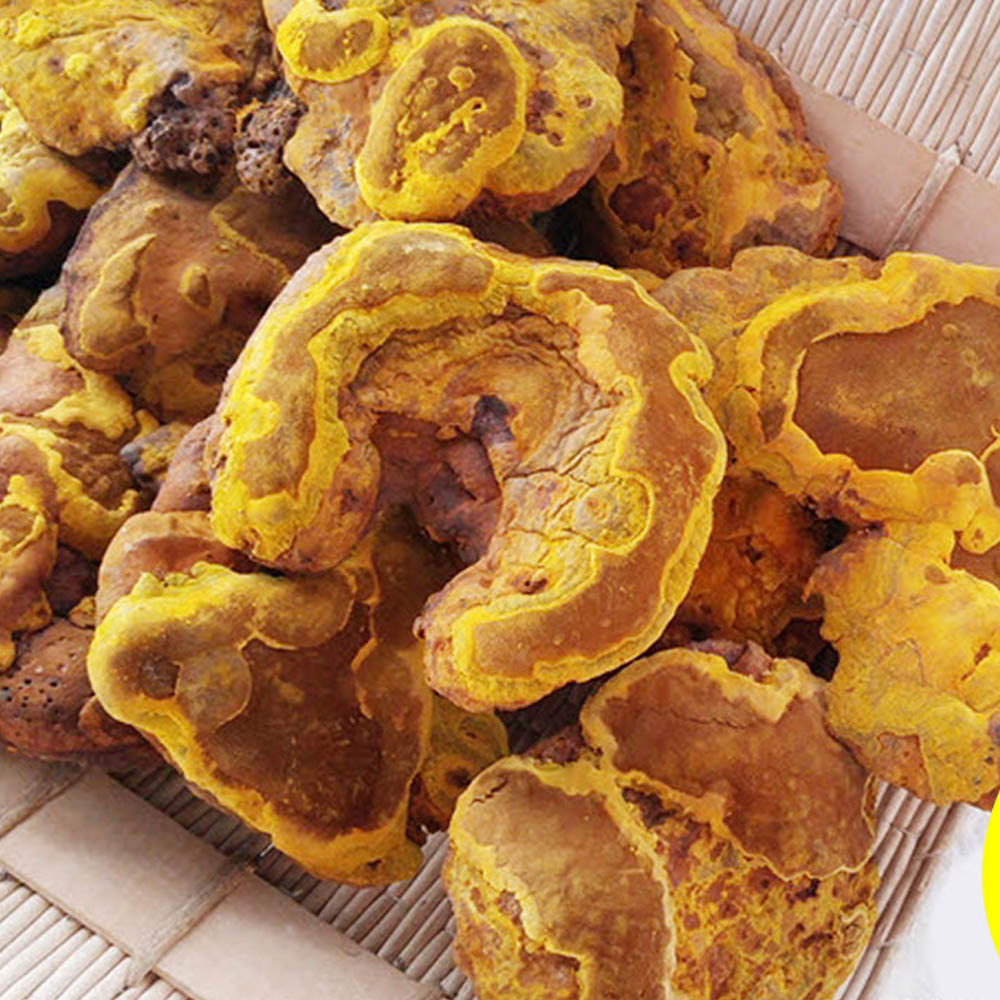
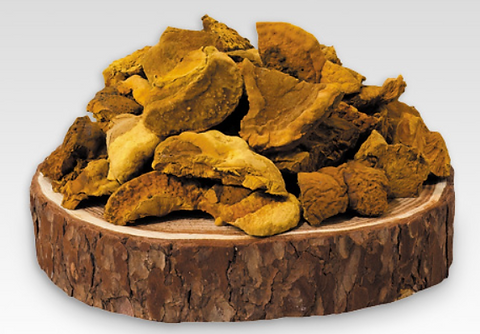
- Dried slices simmered as a tea (decoction)
- Ground into powder
- Processed into capsules, tablets, or other health supplements
Sanghwang mushroom has gained attention mainly because of the compounds it contains:
- Beta-glucans (β-glucan)
- Various polysaccharides
- Polyphenols and other antioxidant substances
These components may help:
- Support the activity of immune cells
- Reduce oxidative stress in the body
In short, sanghwang mushroom is:
- A traditional medicinal mushroom that has been used for a long time, and
- A mushroom that is now being studied for its immune, antioxidant, and potential anti-cancer support effects
2. Sanghwang Mushroom Benefits – Immunity, Anti-Cancer Support, and Antioxidant Action
2-1. Supportive for the Immune System
When people talk about sanghwang mushroom benefits,
the first thing that usually comes up is its potential effect on immune health.
Some human studies have reported that, after taking sanghwang mushroom extract for a certain period, participants showed:
- Increased activity of natural killer (NK) cells
- Changes in immune-related cytokines in a positive direction
In simple terms, the “body’s defense soldiers” became a bit more active.
Of course, these results alone do not mean:
- “If you take sanghwang mushroom, you’ll never catch a cold,” or
- “You can prevent every disease just with this mushroom.”
It does mean, however, that there is some scientific basis for researching sanghwang mushroom’s immune and potential anti-cancer effects further.
Because of this, more people are now turning to sanghwang mushroom tea or capsules for:
- Frequent fatigue and recurrent colds
- Immune support before and after cancer treatment (as a complement, not a replacement)
- Additional immune support in people with chronic conditions
2-2. Anti-Cancer “Support” – Avoid Overblown Expectations
Sanghwang mushroom is often introduced as a mushroom that is “good for cancer.”
In several cell and animal studies, researchers have found that sanghwang mushroom extract may:
- Suppress the growth of cancer cells, and
- Trigger processes that lead cancer cells to die (apoptosis)
This sounds encouraging, but it does not mean:
- “Sanghwang mushroom alone can cure cancer,” or
- “You can replace chemotherapy with sanghwang mushroom.”
At this point, the most reasonable way to view it is as:
A potential supportive ingredient that may have an anti-cancer role alongside standard treatment,
not a stand-alone cure.
If you are currently undergoing cancer treatment,
you should always discuss sanghwang mushroom and any other supplements with your oncologist or care team and carefully review precautions for cancer patients taking sanghwang mushroom before starting anything new.
2-3. Antioxidant and Anti-Inflammatory Effects – Possible Help for Blood Vessels and Liver Health
The polyphenols and polysaccharides in sanghwang mushroom are known to have antioxidant and anti-inflammatory properties.
These actions may help:
- Reduce oxidative stress in the body
- Calm down chronic inflammatory responses
Because of this, sanghwang mushroom is sometimes mentioned in research related to:
- Blood vessel health
- Fatty liver and liver function
- Joint pain and chronic inflammatory conditions
However, many of these studies are:
- Small in scale, or
- Conducted mainly in animals or in vitro
So we cannot say,
“Humans will definitely see the exact same effect.”
For now, it’s safest to view sanghwang mushroom benefits as:
A supportive tool that may help when used together with balanced diet, regular exercise, and good sleep,
rather than a single magic solution.
3. Sanghwang Mushroom Side Effects – Who Needs to Be Careful?
No food or supplement comes with only upsides.
Sanghwang mushroom side effects definitely exist too.
Especially if you take it in high doses or for a long time, problems can occur, so it’s important to look at benefits and side effects together.
3-1. The Most Common Issue: Digestive Discomfort
The most frequently reported sanghwang mushroom side effects are digestive symptoms such as:
- Bloating or a heavy feeling in the stomach
- Nausea or a queasy stomach
- Loose stools or mild diarrhea
These tend to show up more often when:
- The sanghwang mushroom tea is too strong, or
- You drink a large amount on an empty stomach
If you’re trying sanghwang mushroom for the first time, it’s better to start:
- Mild, not strong
- In a small amount
- Preferably after meals, not on an empty stomach
and increase gradually if your body tolerates it well.
3-2. If You’re on Blood Thinners or Diabetes Medication
Sanghwang mushroom may influence blood vessels, blood sugar, and inflammatory processes.
Because of this, there is a theoretical possibility that it can interact with:
- Blood thinners and antiplatelet medications, such as
warfarin, aspirin, clopidogrel - Diabetes medications, including insulin and oral hypoglycemic agents
If you use any of these, it’s better not to start sanghwang mushroom based only on its advertised benefits.
Instead, make sure to:
- Write down your full list of medications
- Talk to your doctor or pharmacist
- Ask specifically,
“Is it safe for me to drink sanghwang mushroom tea or take a sanghwang supplement?”
So far, major adverse effects have not been widely reported,
but most studies are small and short-term.
Because we can’t say it’s “100% safe in all situations,”
taking a cautious approach is the smarter choice.
3-3. Pregnancy, Breastfeeding, and Autoimmune Conditions – Not Enough Data
If you:
- Are pregnant
- Are breastfeeding
- Have an autoimmune disease (such as rheumatoid arthritis, lupus, etc.)
there is very limited safety data on sanghwang mushroom in these groups.
This area is honestly “we don’t know enough yet.”
Since sanghwang mushroom can influence the immune system,
there is a theoretical concern that in people with autoimmune diseases,
it might worsen symptoms by overstimulating immune activity.
For that reason, if you fall into these categories,
it’s best not to take sanghwang mushroom long-term,
or at high doses,
without clear guidance from a healthcare professional who knows your history.
4. How to Take Sanghwang Mushroom – Tea, Powder, and Capsules
Now let’s get to the most practical part:
How to take sanghwang mushroom in daily life.
We’ll look at:
- How to make sanghwang mushroom tea
- A reasonable daily amount and duration
- How to choose powder and capsule products
4-1. How to Make Sanghwang Mushroom Tea (Basic Recipe)
Here’s a simple way to make sanghwang mushroom tea at home:
- Rinse 16–20 g of dried sanghwang mushroom slices under running water.
- Put the slices in a pot with about 2 liters of water.
- Bring it to a boil over high heat.
Once it boils, reduce to low heat and let it simmer for at least 1 hour. - When the water turns a deep brown color, turn off the heat and let it cool slightly.
- Pour into a cup and drink warm.
- You can usually reuse the same slices 2–3 more times to make additional tea.
If the taste feels too strong or bitter:
- Add more water, or
- Dilute the tea with plain hot water
to adjust the strength to your preference.
4-2. Recommended Daily Intake and Duration
Sanghwang mushroom is closer to a food or tea than a strict drug,
so there is no official, standardized daily dosage.
However, based on traditional use and various sources, a commonly used amount is:
About 16–20 g of dried sanghwang mushroom per day,
simmered as tea and sipped throughout the day.
If that feels like too much at first, you can start more gently:
- For the first week, use about 10 g of dried mushroom
- Brew a milder tea and drink 1–2 cups a day
- If your body feels comfortable with it, gradually increase the strength or amount
As for how long to continue:
- You can consider around 4 weeks (1 month) as one cycle
- If there are no issues, you may extend to 8–12 weeks, with breaks in between
If you have existing health conditions or are on medications,
always discuss the duration and dose with your healthcare provider first.
4-3. How to Choose Sanghwang Powder, Capsules, or Extracts
If you prefer sanghwang mushroom in powder, capsule, or extract form,
look at the following points before you buy:
- Ingredient Label
- Check that it clearly lists Phellinus linteus, sanghwang mushroom, Meshima, or similar terms.
- Active Component Content
- Look for products that show the content of beta-glucans or polysaccharides in numbers or percentages.
- Other Ingredients (Fillers and Additives)
- Avoid products loaded with sugar, artificial colors, or unnecessary flavorings.
- Daily Serving Instructions
- Check the recommended daily serving, how many capsules per day,
and how much of the active ingredient you’re actually getting per serving.
- Check the recommended daily serving, how many capsules per day,
Be extra cautious with products that use dramatic claims such as:
- “This cured my cancer completely”
- “All diseases disappeared in one month”
Such expressions are red flags.
A more trustworthy product usually focuses on accurate ingredients, dosage, and sourcing,
rather than miracle-like testimonials.
5. Practical Tips: How to Use Sanghwang Mushroom Safely in Daily Life
To enjoy sanghwang mushroom benefits while minimizing side effects,
here are some down-to-earth tips you can put into practice right away.
1) Start “Mild and Small”
- Drinking a strong sanghwang mushroom tea right from the start
can easily upset your stomach. - For the first 1–2 weeks, try:
→ A milder tea, made with less mushroom or more water
→ Just 1–2 cups a day - If you feel fine, you can slowly increase to 2–3 cups a day.
2) Drink It with Food, Not on an Empty Stomach
- Sanghwang mushroom tea is easier on your stomach when you drink it
right after a meal or with a snack, rather than on an empty stomach. - If you have a sensitive stomach,
pair it with something light like bread, fruit, or nuts and sip slowly.
3) Check Your Medication List First
- If you are taking blood thinners, diabetes medications, or immunosuppressants,
whether you can take sanghwang mushroom at all is more important than the recipe. - Go through your pill bottles or medication list,
and at your next appointment, ask: - “Is it okay for me to drink sanghwang mushroom tea or take a sanghwang supplement with my current medications?”
4) Let Go of the “Miracle Cure” Mindset
- Sanghwang mushroom benefits are real enough to be studied,
but research is still limited, and it cannot replace necessary medical treatment. - The smartest way to use it is as a supportive tool,
along with:- A balanced diet
- Regular exercise
- Good sleep
- Stress management
Rather than expecting it to fix everything,
think of it as one helpful piece of a bigger healthy lifestyle puzzle.
6. Sanghwang Mushroom in a Nutshell – What to Remember
Let’s recap the key points about sanghwang mushroom benefits and side effects.
What kind of mushroom is it?
- Sanghwang is a medicinal mushroom that grows firmly on tree trunks.
- It contains beta-glucans, polysaccharides, and antioxidant compounds,
and is being studied for its potential roles in immune and antioxidant support.
What benefits can you realistically expect?
- Some studies have reported improvements in immune markers,
as well as antioxidant, anti-inflammatory, and potential anti-cancer support effects. - However, it does not replace medical treatment.
It’s best seen as a supportive ingredient that can add value
when combined with healthy habits and proper medical care.
What are the main side effects?
- The most common side effects are digestive issues such as:
- Stomach discomfort
- Nausea
- Diarrhea or loose stools
- If you are taking blood thinners, diabetes medication, or immunosuppressants,
talk with a healthcare professional before using sanghwang mushroom. - For people who are pregnant, breastfeeding, or have autoimmune disease,
safety data is limited, so extra caution is needed.
How should you take it?
- A common way is to simmer 16–20 g of dried sanghwang mushroom in 2 liters of water
for at least an hour, and drink it as a tea throughout the day. - Start with a mild tea and 1–2 cups a day,
then adjust based on how your body feels.
Bottom line:
Sanghwang mushroom can be a helpful medicinal mushroom when used wisely,
but it’s still too early to hand over all of your health expectations to it.
Check your current health conditions and medications first,
start mild, small, and gradual,
and use it as one of several tools in your overall health routine.
If you do that, you’ll be more likely to enjoy the benefits of sanghwang mushroom
while keeping the side effects to a minimum.
Health Information Notice
The information in this article is intended to help you better understand health-related topics and sanghwang mushroom in general.
It does not replace a consultation, diagnosis, or treatment plan from a qualified healthcare professional.
For an accurate assessment of your symptoms or condition, please seek evaluation and guidance from a licensed medical provider.






최근댓글