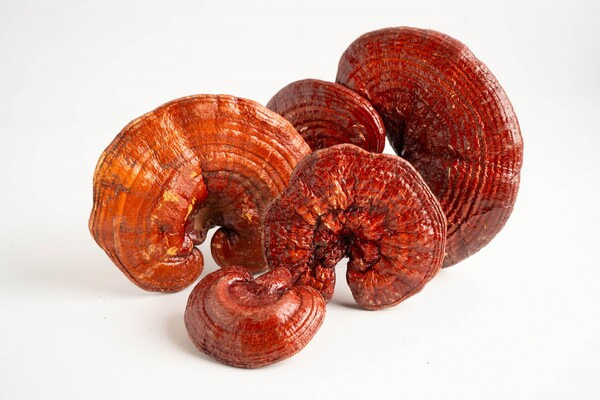
1. “Why am I always so tired?” – When You Start Looking Up Reishi
As we get older, certain thoughts naturally pop up:
- “I wake up tired no matter how long I sleep.”
- “My check-up showed borderline blood sugar and blood pressure. I’m worried.”
- “I toss and turn at night and end up watching the clock until dawn.”
When that happens, we often head straight to the search bar and type in:
“reishi mushroom benefits,” “reishi mushroom side effects,” “how to take reishi mushroom.”
Reishi mushroom (known as Lingzhi in Chinese and Yeongji-beoseot in Korean) has long been called a “mushroom of immortality” and a longevity mushroom in traditional Eastern medicine.
These days it’s easy to find as tea, reishi water, capsules, and powders, so interest has only grown.
There’s one important thing to keep in mind:
Reishi mushroom is a supplemental health food that can support your body –
it is not a miracle cure that completely treats disease.
In this article, we’ll walk through:
- What research says about reishi mushroom benefits
- Important reishi mushroom side effects and safety tips
- Simple, practical ways to use reishi mushroom at home
all in one place.
2. What Exactly Is Reishi Mushroom? – A Simple Overview
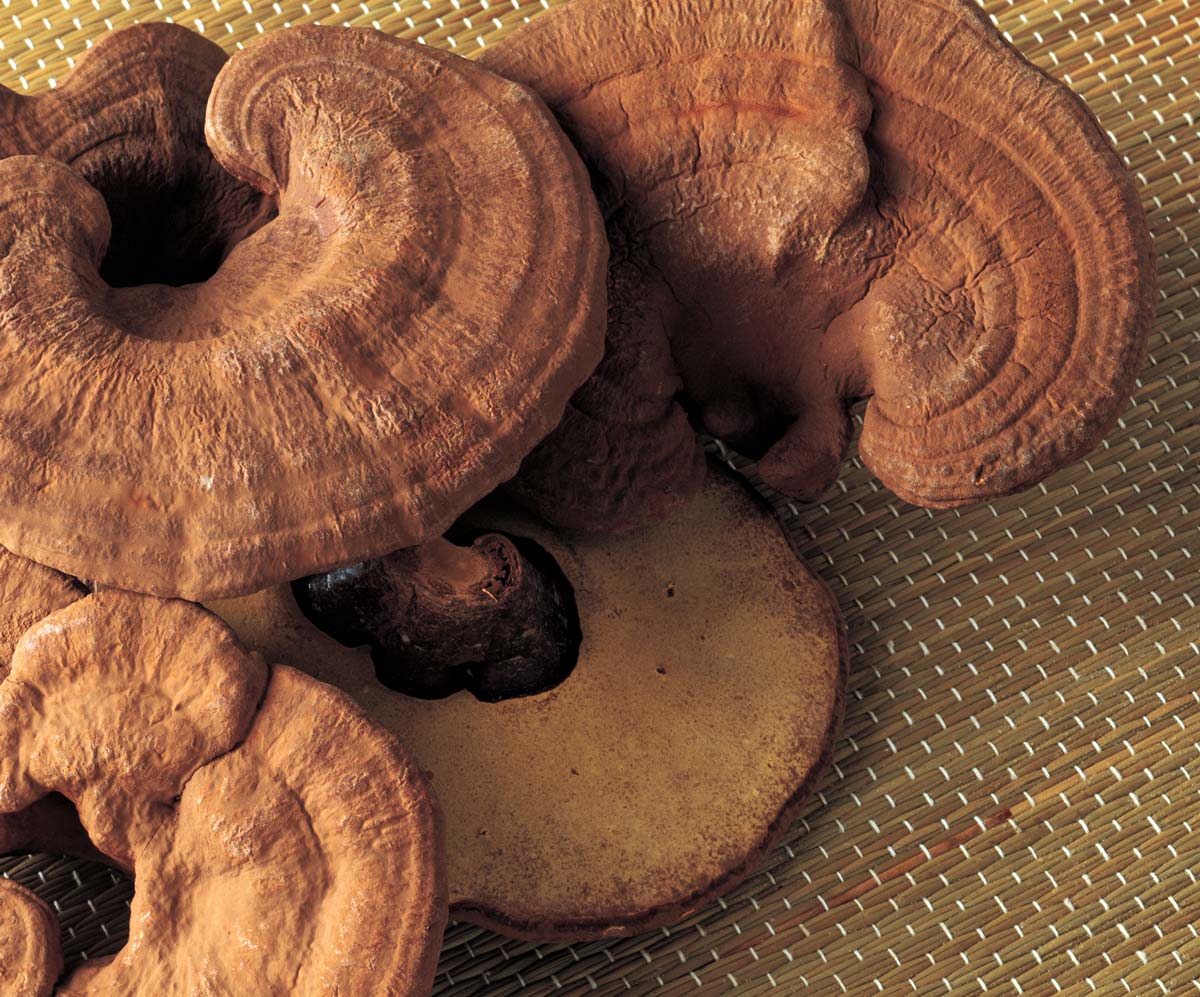
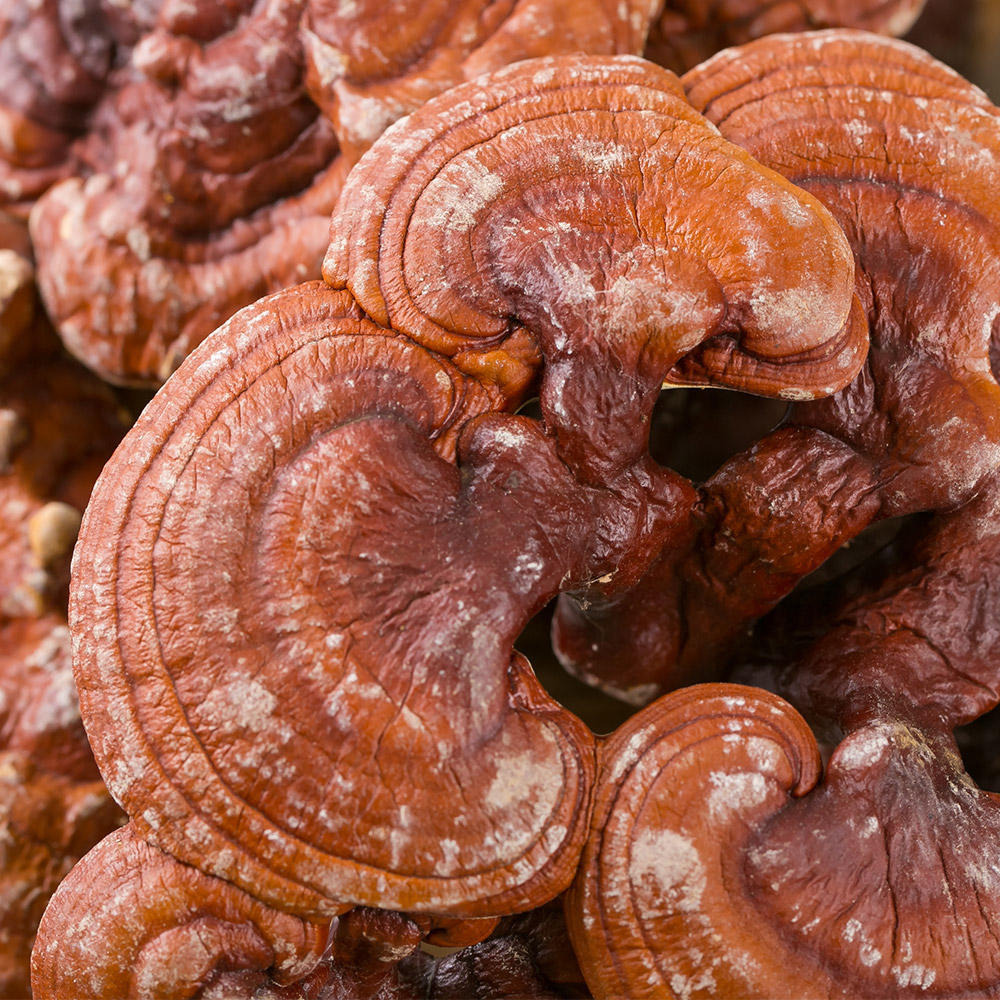
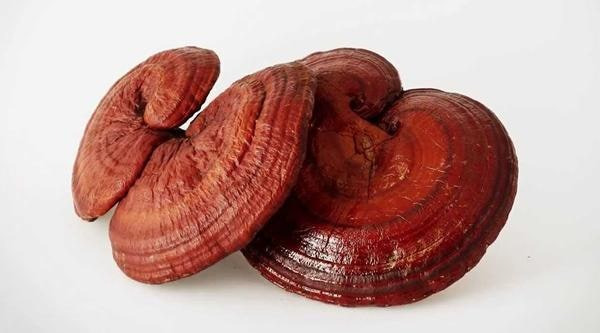
Reishi mushroom looks quite different from the mushrooms we cook with every day.
- It grows hard and woody, not soft.
- The cap is reddish to dark brown with a shiny, lacquered surface.
Basic facts:
- Scientific name: Ganoderma lucidum
- English names: Reishi, Lingzhi
- Traditionally used as a herbal ingredient to:
- restore energy,
- support the immune system,
- calm the mind and help with sleep,
usually in the form of decoctions or tea.
Today, people commonly use reishi mushroom in these ways:
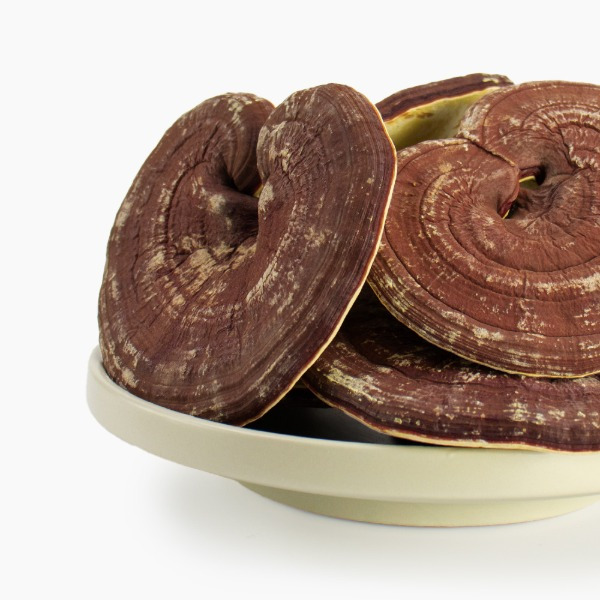
- Boiling dried slices to make reishi tea
- Making light reishi water and storing it in the fridge to sip throughout the day
- Taking reishi mushroom extract in capsules, tablets, or powder as a health supplement
3. Reishi Mushroom Benefits – Who Might It Help the Most?
Reishi mushroom contains many active compounds, but two groups are often highlighted in research on reishi mushroom benefits:
- Polysaccharides (including β-glucans)
→ may help modulate immune function - Triterpenoids (such as ganoderic acids)
→ linked to liver, blood vessel, and metabolic effects in experimental studies
Those names can sound technical, but the core idea is simple:
Reishi mushroom may support areas like
immunity, blood sugar, blood pressure, liver health, and sleep,
but acts more like a helper than a direct “treatment.”
3-1. Immunity & Fatigue – For Those Who Catch Everything and Recover Slowly
If you feel like:
- “Every cold seems to linger forever,”
- “I get tired so easily even with light activity,”
you’re not alone. Many people search for reishi mushroom benefits because of this.
Some studies suggest that reishi components may:
- help immune cells function not too weak, not overly reactive, but more balanced, and
- improve fatigue in conditions like chronic fatigue or during/after cancer treatment.
The important takeaway:
- Think of reishi as an immune-supporting supplement,
- Not as something that can replace medical treatment you already need.
3-2. Blood Sugar, Blood Pressure & Cholesterol – When Metabolic Health Is a Concern
Recent years have brought more data from reviews and pooled analyses of reishi studies.
Some findings suggest that reishi mushroom extract may:
- slightly improve blood sugar,
- help with blood pressure and cholesterol,
- and reduce certain markers of oxidative stress in some people.
However:
- Many of these studies involved small groups of participants,
- The type of extract and dosage varied a lot.
Because of this, we cannot say that reishi can “replace diabetes or blood pressure medication.”
A realistic approach to reishi mushroom benefits looks like this:
First: diet, exercise, and prescribed medication are your foundation.
Then: you can consider adding reishi tea or reishi water as a supportive extra.
3-3. Liver & Blood Vessel Health – When Liver Numbers or Fatty Liver Are on Your Mind
Animal and small human studies have suggested that reishi components may:
- help protect liver cells,
- improve some markers associated with fatty liver and inflammation.
In real life, this is why:
- People who drink alcohol often, or
- Those whose check-up showed borderline liver enzymes,
frequently search “how to make reishi tea” or “how to take reishi mushroom” and try drinking it regularly.
Still, even here:
Reishi is best viewed as a supportive food for liver health,
not as a stand-alone treatment for liver disease.
3-4. Sleep, Anxiety & Tension – When It’s Hard to Wind Down
In traditional Asian medicine, reishi is often used to:
- calm the mind,
- support restful sleep,
- reduce tension and nervousness.
Some modern studies have reported that people taking reishi extract experienced:
- improved sleep quality,
- reduced fatigue,
- and better overall mood.
So if sleep is your main concern, it can be helpful to:
- Skip caffeinated drinks in the late afternoon, and
- Try a warm cup of reishi tea in the evening,
- Combine it with gentle stretching and slow breathing.
Reishi itself won’t magically “fix” sleep overnight,
but it can become part of a healthy sleep routine that helps your body wind down.
4. Reishi Mushroom Side Effects – Why “It’s Good for You” Isn’t the Whole Story
Many online articles say reishi is “almost non-toxic,”
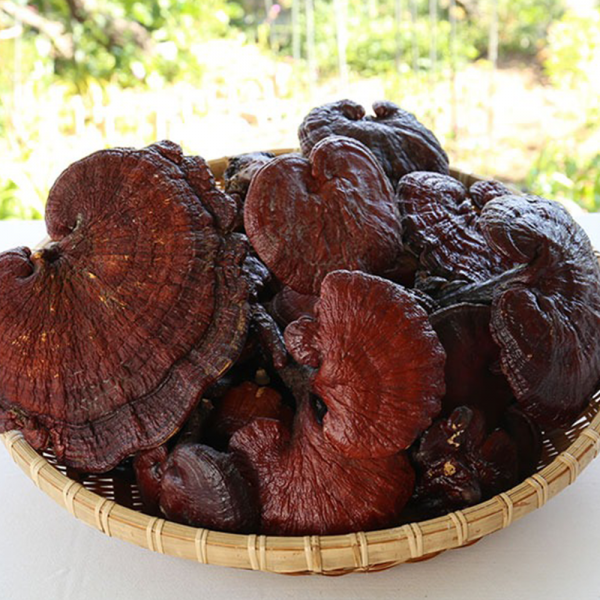
but reishi mushroom side effects absolutely exist.
You especially need to be careful if you’re taking other medications.
4-1. Commonly Reported Side Effects
If reishi is brewed too strong or doesn’t agree with your body, you may notice:
- Bloating or indigestion
- Diarrhea, nausea, stomach discomfort
- Mild dizziness or a “foggy” feeling in the head
- Itchy skin or hive-like reactions
If this happens:
- First, lower the concentration and amount you drink and see if that helps.
- If the discomfort continues, it’s safest to stop taking it and discuss it with a health professional if needed.
4-2. Why Combining Reishi with Medications Requires Extra Caution
Reishi mushroom can overlap or interact with some medications and potentially make their effects stronger.
Be especially cautious if you take:
- Blood pressure medications
→ Reishi may also lower blood pressure, so taking both together could
increase the risk of dizziness or low blood pressure. - Anticoagulants or antiplatelet drugs
(such as warfarin, heparin, aspirin, clopidogrel, etc.)
→ Reishi may slow blood clotting, so you might bruise more easily
or notice more frequent nosebleeds or gum bleeding. - Diabetes medications
→ Some research suggests reishi may lower blood sugar,
which means combining it with diabetes medication could
increase the risk of low blood sugar in some cases.
People undergoing cancer treatment should also be careful,
since reishi may influence how certain drugs work or how lab tests are interpreted.
In that situation, always involve your oncology team before starting reishi.
4-3. Who Should Definitely Talk to a Professional First?
If any of the following applies to you,
it’s especially important to think about safety before reishi mushroom benefits:
- You regularly take blood pressure, diabetes, or blood-thinning medications
- You are scheduled for surgery or recovering after surgery
- You are pregnant or breastfeeding
- You have been diagnosed with liver or kidney disease
In these cases, rather than starting just because you “heard it’s good,”
it’s much wiser to speak with your doctor or pharmacist first and then decide
if and how to include reishi mushroom in your routine.
5. How to Use Reishi Mushroom at Home – Tea, Reishi Water & Supplements
Now for the practical part.
Here’s how to actually apply “how to take reishi mushroom” in everyday life.
We’ll look at:
- A basic reishi tea recipe,
- A realistic idea of daily intake,
- And what to look for when choosing reishi supplements.
5-1. Basic Reishi Tea Recipe
Ingredients
- 20–30 g dried reishi mushroom slices
- 1.5–2 liters (about 6–8 cups) of water
- Optional: 2–3 jujubes (red dates), a slice of fresh ginger, a small piece of licorice root
How to make it
- Rinse the dried reishi slices briefly under running water,
then cut them into pieces about 2–3 cm (1 inch) long. - Add the water and reishi slices to a pot.
- Bring it to a boil over high heat, then
reduce to low heat and simmer gently for 30–40 minutes. - When the water has reduced by about half, turn off the heat.
Strain out the slices and pour the decoction into a glass bottle. - Let it cool to room temperature, then store it in the fridge.
When you drink it, warm it up and sip slowly.
As a starting point, many people do well with:
- About half to one cup per serving,
- Two to three times a day.
If you boil it with more water and for a shorter time,
you get a lighter “reishi water” that you can drink more like barley tea.
5-2. How Much Reishi per Day Is Reasonable?
For dried whole reishi mushroom:
- In traditional decoctions, you may see 25–100 g per day used,
- But at home, 20–30 g per batch that you sip over the day
is a common, practical pattern.
For reishi powders, capsules, or tablets:
- Labels often say something like
“1–3 g of reishi extract per day” or
“equivalent to 2.5–10 g of dried reishi per day.”
In that case, the safest approach is:
- Use the recommended daily dose on the label as your reference.
- Start with about half that amount for the first few days.
- Pay attention to how your body feels—digestion, sleep, energy, skin.
- If everything feels fine, you can gradually increase toward the full dose.
5-3. How to Choose a Good Reishi Supplement
To get the most from reishi mushroom benefits, product quality matters.
When checking the label, look for:
- Clear information on active ingredients and amounts
- Country of origin, growing conditions, and testing
(such as checks for heavy metals or pesticide residues) - Limited unnecessary additives
(avoid products overloaded with artificial colors, sweeteners, or fillers)
Taking a moment to read labels carefully can go a long way
toward choosing a safer, more effective product.
6. Practical Tips – How to Use Reishi Mushroom Wisely in Daily Life
To wrap up the practical side,
here are some realistic, everyday tips that balance
both reishi mushroom benefits and reishi mushroom side effects.
TIP 1. Think of Reishi as a “Helper,” Not a “Magic Medicine”
Even if reishi is good for you,
- If your blood sugar, blood pressure, or liver numbers are already off,
your first priorities are still:- proper medical care,
- regular check-ups,
- and lifestyle changes.
Reishi is most powerful when:
Food, movement, and sleep are your base,
and reishi sits on top as a supporting card,
not the only solution.
TIP 2. For the First Two Weeks, Go “Light and Low”
A basic rule for how to take reishi mushroom is:
“start low and go slow.”
- If you immediately drink strong reishi tea all day long,
your body may feel overwhelmed. - For the first 1–2 weeks,
try a light reishi water and limit yourself to
about 1–2 small cups a day. - Watch carefully for any changes in digestion, skin, or dizziness.
If you feel comfortable at that level,
you can slowly adjust the strength and amount later.
TIP 3. Add a Cup of Reishi Tea to Your Evening Wind-Down
If you struggle with insomnia or restless nights:
- Cut down on coffee and green tea later in the day.
- After dinner, about 2–3 hours before bed,
drink a warm cup of reishi tea. - Put your phone away,
do light stretching and slow breathing as you drink.
In that way, reishi becomes part of a sleep ritual
that tells your brain, “It’s time to prepare for rest now,”
rather than being expected to “fix” sleep all by itself.
TIP 4. If You Take Medications, Loop in Your Healthcare Provider
If you’re on:
- blood pressure meds,
- diabetes medications,
- blood thinners, or
- cancer treatments,
and you’re thinking of taking reishi regularly,
it’s wise to inform your doctor or pharmacist in advance.
A short conversation can help clarify:
- Whether reishi is appropriate for you,
- The right dosage,
- And how long you might safely use it.
TIP 5. Don’t Copy Someone Else’s Dose
You might hear someone say,
“I drink a full liter of reishi water every day.”
But keep in mind:
- Body weight,
- Existing health conditions,
- Medications,
- Liver and kidney function
all differ from person to person.
The healthiest approach is to stop at the point where
“even a small amount makes my body feel comfortable and supported.”
That’s much safer than chasing someone else’s routine.
7. Key Takeaways – Using Reishi Mushroom Wisely
Let’s briefly recap the main points about
reishi mushroom benefits, side effects, and how to take it.
Reishi Mushroom Benefits in One Line
Reishi mushroom may help support:
- immune function,
- fatigue,
- blood sugar and blood pressure,
- liver and blood vessel health,
- and sleep quality.
But it is not a miracle superfood that can replace medication or cure disease.
Reishi Mushroom Side Effects You Shouldn’t Ignore
- If you drink it too strong or too often,
you may experience indigestion, diarrhea, dizziness, or itching. - If you take blood pressure meds, blood thinners, diabetes medications, or cancer drugs,
there is a real possibility of interactions,
so you need to be more careful.
How to Take Reishi Mushroom – Core Points
- At home, a common method is to simmer
20–30 g of dried reishi slices in 1.5–2 liters of water
and sip it as tea or reishi water throughout the day. - Start with a lighter brew and smaller amounts,
watch your body’s response, and adjust slowly.
Using Reishi Long-Term, Without Overdoing It
- Healthy habits—diet, exercise, sleep, stress management—
are still your main pillars. - Reishi fits best as a supporting role,
layered on top of those basics. - Find a level and routine that match your body,
and go slowly and consistently rather than aggressively.
Medical & Legal Note
The information in this article is intended to help you better understand
reishi mushroom, its potential benefits, and possible side effects.
It is not a substitute for a medical consultation, diagnosis,
or treatment plan from a qualified healthcare professional.
For an accurate assessment of your health, symptoms, and conditions,
you should always seek evaluation and guidance from a licensed medical provider.






최근댓글