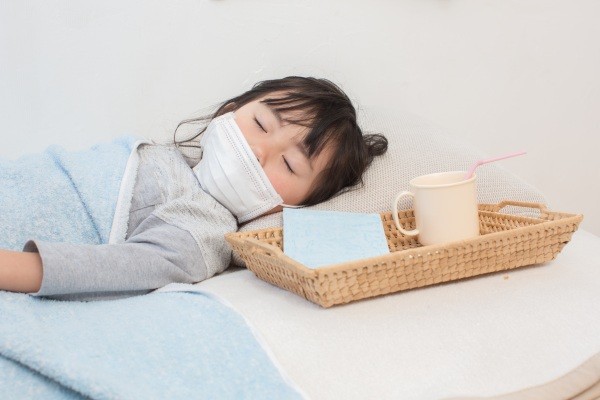
1. Why Does the Flu in Children Feel So Scary?
Every winter, many parents find themselves asking the same questions:
“My child’s fever shot up to 39°C (102–103°F). Is this just a cold or is it the flu?”
“There’s a flu outbreak at daycare, and now my child suddenly has a high fever. Should I be worried?”
Pediatric flu (influenza in children) is not just a bad cold.
It’s a highly contagious respiratory infection caused by the influenza virus.
Compared to a common cold, the flu in children:
- Comes with a sudden high fever
- Causes strong muscle aches and headaches
- Makes children look sluggish, irritable, and much less active
Children under 5 years old, especially toddlers and babies, have a higher risk of developing complications such as pneumonia and ear infections.
That’s why the flu in children makes parents feel so anxious.
Parents I talk to often share similar stories:
“I thought it was just a cold and tried to wait it out for two or three days,
but when we finally went to the clinic, they said it was the flu.”
In this post, we’ll walk through the questions parents ask most often:
- How is pediatric flu different from a common cold?
- Which flu symptoms in children mean it’s time to see a doctor?
- How is pediatric flu diagnosed and treated?
- What can you do to prevent the flu from coming back, including vaccination and daily habits?
Let’s go through everything step by step.

2. What Is Pediatric Flu? Understanding the Difference from a Cold
2-1. What Exactly Is the Flu in Children?
Pediatric flu is a respiratory illness caused by influenza A or B viruses that infect a child’s nose, throat, and lungs.
Once infected, children often develop a sudden high fever and body aches, and their whole body can feel sick all at once.
The flu spreads mainly in three ways:
- Respiratory droplets from coughs and sneezes
- Touching the eyes, nose, or mouth with virus-contaminated hands
- Contact with contaminated surfaces (toys, doorknobs, tables) and then touching the face
This is why places like daycare centers, preschools, and early elementary classrooms—
where children stay close together—are perfect environments for the flu to spread quickly.
Once one child catches the flu, it can spread to several children in a short time.
2-2. Pediatric Flu vs. Common Cold: The Biggest Differences
The key to telling the difference between a cold and flu in children is
how suddenly the symptoms appear and how intense they are.
Common cold
- Symptoms usually start slowly
- Runny or stuffy nose comes first
- Fever is mild or sometimes absent
Pediatric flu
- High fever (38–40°C / 100.4–104°F) appears within a day
- Strong muscle aches, chills, and headaches
- Child doesn’t want to play, looks tired and floppy, and may be very fussy
A cold can certainly be uncomfortable,
but if your child suddenly has high fever + full-body aches + cough or sore throat,
it’s better to suspect pediatric flu at least once rather than dismiss it as “just a cold.”
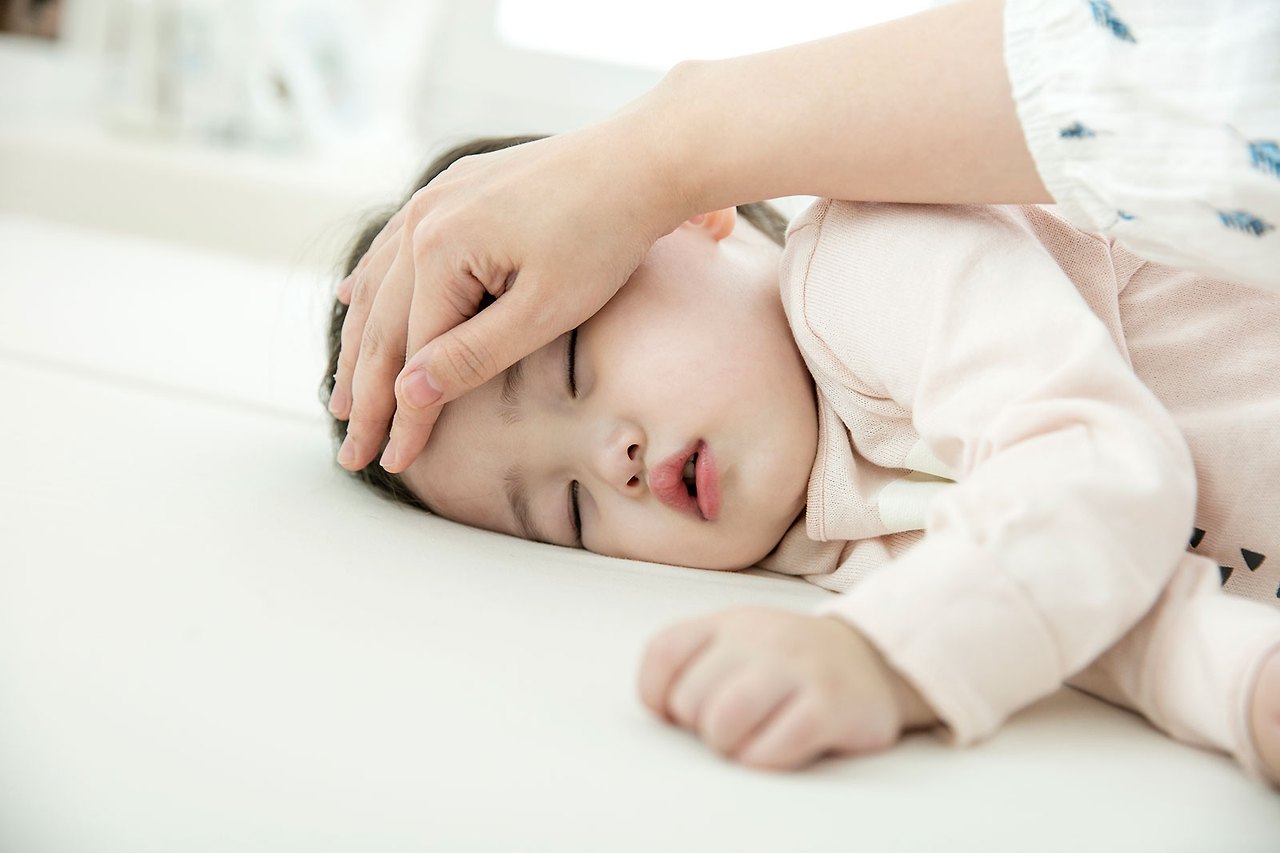
3. Flu Symptoms in Children: What to Watch for at Home
3-1. Typical Pediatric Flu Symptoms
One of the first signs parents notice is a sudden high fever.
The main pediatric flu symptoms include:
- High fever of 38–40°C (100.4–104°F), often lasting 2–3 days
- Dry cough and sore throat
- Headache; children may say their eyes hurt or their head feels heavy
- General body aches and fatigue – they don’t want to walk or play as usual
- Poor appetite, sometimes with vomiting, stomach pain, or diarrhea
- In babies: more fussiness, poor feeding, and looking limp or less responsive
Many parents ask, “How many days does a child’s flu fever last?”
Typically, the high fever lasts about 2–3 days.
After that, the temperature slowly comes down,
but cough and fatigue can linger for a week or more.
3-2. When to Go Straight to the Doctor or ER
The following are warning signs that mean your child needs immediate medical attention,
even if it’s late at night or early in the morning:
- Breathing looks fast, labored, or you see the chest/under ribs pulling in with each breath
- Lips or face look bluish or grayish
- No urine for 8 hours or more, dry mouth, no tears when crying → signs of severe dehydration
- Child is very hard to wake, doesn’t respond well, or seems unusually drowsy or confused
- A seizure (convulsion) occurs
- Any fever in a baby younger than 3 months, even if other symptoms are mild
These may indicate that pediatric flu complications like pneumonia or encephalitis are developing.
In these situations, it’s safest to go to the emergency room right away.
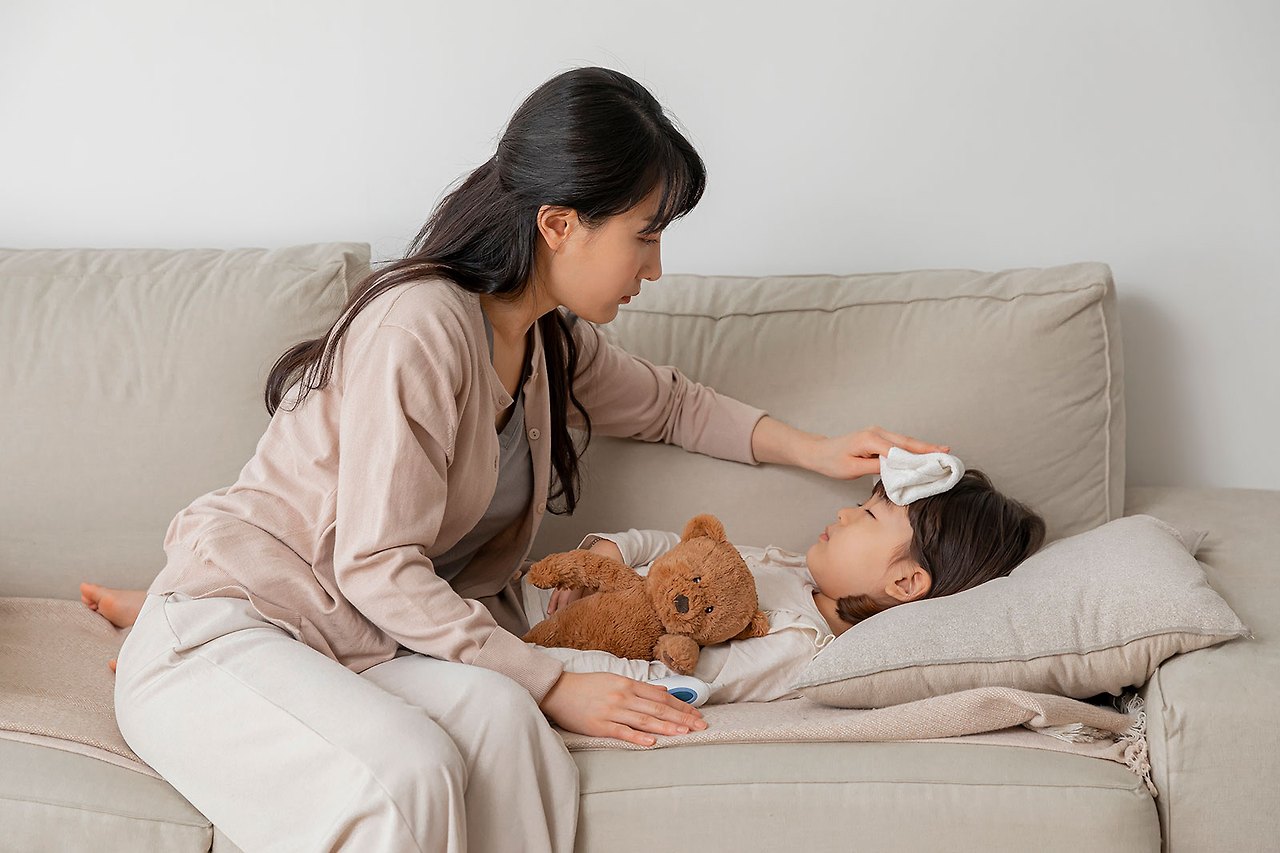
4. How Doctors Diagnose Pediatric Flu
4-1. When Should You Suspect Flu in Your Child?
You may want to consider pediatric flu if:
- It’s winter to early spring, and you’re getting messages or news about a flu outbreak
- You hear that many children at daycare or school are absent due to the flu
- Your child suddenly has a fever of 38.5°C (101.3°F) or higher + cough + body aches
In this situation, instead of thinking,
“It’s probably just a cold, I’ll wait one more day,”
it’s usually better to visit a pediatric clinic within 1–2 days,
especially if your child seems very uncomfortable or has risk factors.
4-2. Flu Testing (Rapid Antigen Test)
At the clinic, most doctors use a rapid influenza antigen test to check for the flu.
- A soft swab is inserted into the back of the nose to collect a sample
- Within about 10–15 minutes, the test can detect influenza A or B
Once a pediatric flu diagnosis is confirmed,
the doctor will consider your child’s age, underlying health conditions, and when symptoms started
to decide whether to prescribe an antiviral medication.
If symptoms are very severe, breathing is difficult,
or the doctor is concerned about pneumonia,
they may order additional tests such as:
- Chest X-ray
- Blood tests
to check for complications of pediatric flu, such as pneumonia.
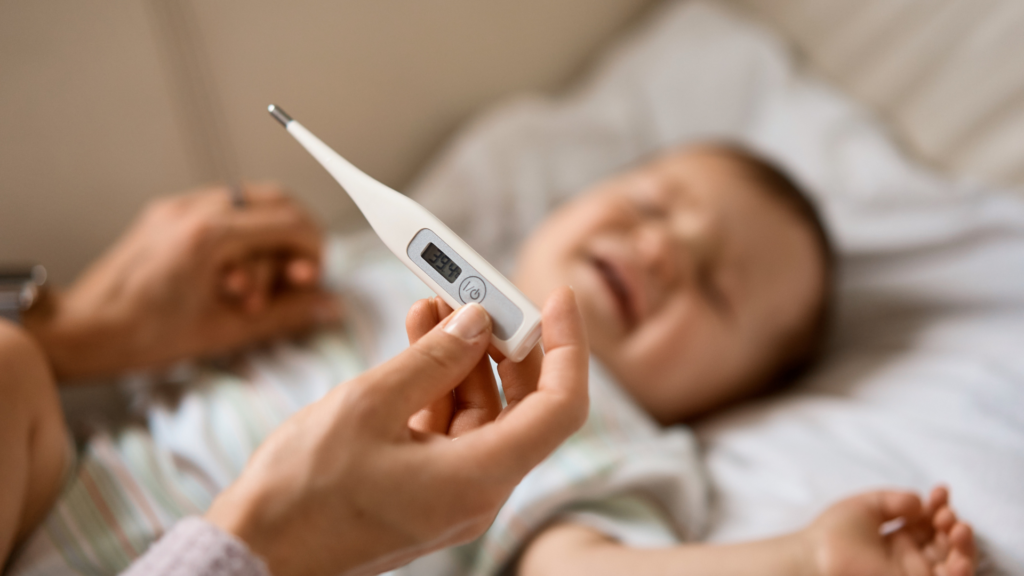
5. Treatment for Pediatric Flu: Fever Reducers, Antivirals, and Home Care
5-1. Using Fever Reducers Safely
In pediatric flu treatment, fever reducers play a big role in making children more comfortable.
Commonly used medications include:
- Acetaminophen (e.g., Tylenol)
- Ibuprofen
They are usually given as liquid syrup or suppositories, depending on the child’s age and situation.
Important points:
- Always follow the weight-based dosing recommended on the package or by your pediatrician
- Do not shorten the dosing interval or give multiple fever medications at the same time unless instructed
- Overusing or combining medications incorrectly can be harmful
In the early phase of pediatric flu,
even if you give a fever reducer, the temperature may not drop all the way to normal.
It often:
- Falls to the low 37°C (99°F) range and
- Then rises again to 38–39°C (100.4–102.2°F) over the next several hours
This up-and-down pattern is very common with flu in children.
However, you should return to the doctor if:
- The fever stays near 40°C (104°F) despite medication, or
- Your child’s overall condition continues to worsen
5-2. Antiviral Medications (e.g., Tamiflu)
Antiviral drugs for pediatric flu such as oseltamivir (Tamiflu)
help slow down the multiplication of the flu virus in the body.
They tend to work best when:
- Started within 48 hours of symptom onset
In that window, antivirals may:
- Shorten the duration of fever and symptoms, and
- Help reduce the risk of complications, especially in high-risk children
Antiviral medications are especially considered for:
- Children under 5 (especially under 2 years old)
- Those with asthma, heart disease, immune problems, or other chronic conditions
Because these drugs require a prescription,
the pediatrician will examine your child and decide:
“Does this child benefit more from taking an antiviral than not?”
If the answer is yes, they will prescribe the medication with clear instructions.
5-3. Practical Home Care Tips for Children with Flu
Home care is just as important as medicines in pediatric flu treatment.
Here are five practical tips you can start right away:
- Offer Fluids Frequently in Small Amounts
- Use water, lukewarm electrolyte drinks, diluted juice, or clear soup
- Instead of large amounts at once, give small sips more often to reduce vomiting
- Make Breathing More Comfortable
- Keep the room slightly humid using a humidifier or a damp towel
- Raise the head of the bed or use an extra pillow to help with breathing
- Reduce Screen Time and Encourage Rest
- Too much TV or smartphone time can worsen headaches and fatigue
- Let your child nap more often and avoid rough play until they feel better
- Don’t Share Cups, Utensils, or Towels
- Give each child their own cup, spoon, and towel
- During flu season, remind kids not to cough directly in each other’s faces
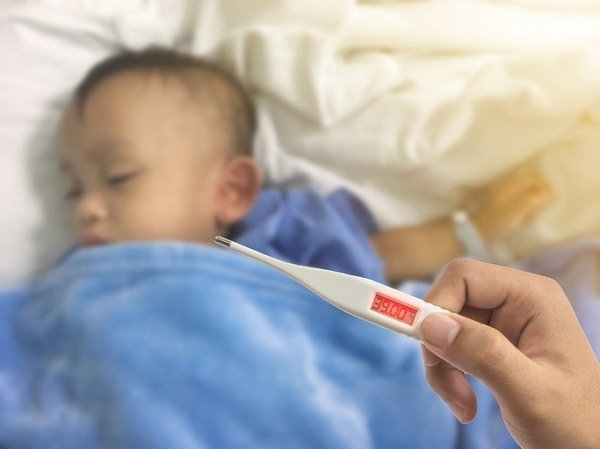
- Keep a Simple Symptom and Fever Log
- Record:
- Time and highest temperature
- When you gave fever reducers
- Any vomiting, diarrhea, or breathing problems
- This log is extremely helpful for the doctor in planning flu treatment and follow-up
- Record:
6. Preventing Pediatric Flu: Vaccination and Daily Habits
6-1. Is Flu Vaccination Really Necessary for Children?
When it comes to preventing pediatric flu,
flu vaccination is the most important tool we have.
Studies have shown that vaccinated children:
- Have a significantly reduced risk of hospitalization, severe complications, and death from flu
- Benefit even more when they are under 5 years old or have chronic health conditions
In many countries, including Korea,
children in certain age groups are supported through national immunization programs.
If you’re on the fence thinking, “Should my child get a flu shot or not?”,
it’s a good idea to talk to your pediatrician about:
- Your child’s age
- Health conditions
- The recommended schedule and number of flu shots per season
6-2. When Should Children Get the Flu Shot?
Basic principles for pediatric flu vaccination:
- Aim to vaccinate in early fall (September–November) before flu season peaks
- Children under 8 years old who are getting the flu shot for the first time
may need two doses in one season, a few weeks apart - After that, an annual flu shot helps maintain protection each season
Because it takes about two weeks after vaccination to build antibody protection,
it’s better not to wait until flu season is already in full swing.
6-3. Four Everyday Habits That Help Prevent Flu in Children
- Create a Handwashing Routine
- Wash hands with soap for at least 20–30 seconds:
before eating, after using the bathroom, after coming home, and after coughing or sneezing - Turning it into a game, like washing hands while singing “Happy Birthday,”
helps kids enjoy the habit
- Wash hands with soap for at least 20–30 seconds:
- Teach Cough and Sneeze Etiquette
- Instead of using hands, teach children to cough or sneeze into their elbow
- Throw used tissues away immediately and wash hands if possible
- Prioritize Sleep and Balanced Meals
- Limit late-night TV and device use, and keep a consistent bedtime
- Serve a balanced diet with vegetables, fruits, protein (meat, fish, eggs, tofu), and healthy fats (nuts)
- These habits strengthen the immune system, not only for flu but for all infections
- Avoid Crowded Indoor Spaces During Peak Season
- When you hear that flu cases are surging,
it can help to temporarily reduce visits to indoor playgrounds, kids’ cafés, and packed theaters
- When you hear that flu cases are surging,
7. Key Takeaways & A Final Note for Parents
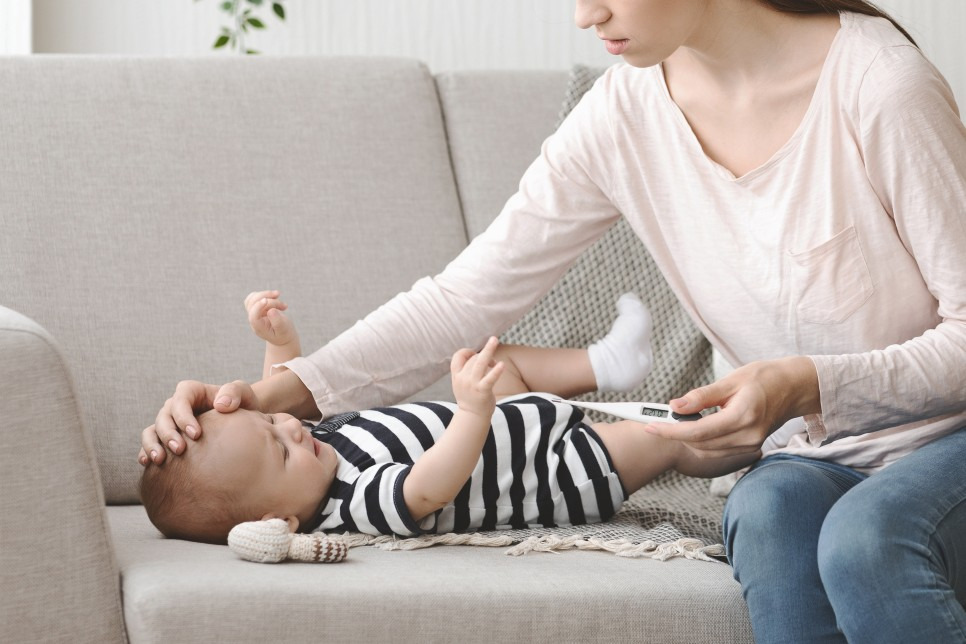
Let’s wrap up the essentials about pediatric flu symptoms, diagnosis, treatment, and prevention:
- Pediatric flu is not just a bad cold.
It’s a viral infection characterized by sudden high fever and intense body aches. - In winter, if your child has a sudden high fever plus cough, headache, and muscle pain,
don’t dismiss it as “just a cold.”
It’s wise to consider the possibility of flu in children. - At the clinic, doctors use a rapid flu test to confirm the diagnosis.
When appropriate, they may prescribe antiviral medications
to shorten the illness and reduce the risk of complications. - At home, you can support pediatric flu treatment by:
- Using weight-based fever reducers correctly
- Ensuring enough fluids and rest
- Separating cups and towels between siblings
- Keeping a simple log of temperature and symptoms
- Above all, annual flu vaccination,
along with basic habits like handwashing, good sleep, and healthy eating,
plays a huge role in helping your family get through flu season safely every year.
When a child spikes a fever, a parent’s heart heats up even faster.
Instead of being overwhelmed by fear, it helps to:
- Recognize which symptoms are red flags,
- Know when to seek medical care, and
- Build steady habits like vaccination and healthy routines over time.
With that foundation, even the flu season that comes back every year
can feel much less frightening and far more manageable.
Medical Disclaimer
This article is for general health information and educational purposes only.
It does not replace a medical consultation, diagnosis, or treatment plan.
For an accurate assessment of your child’s symptoms or condition,
please seek evaluation and advice from a licensed healthcare professional.






최근댓글