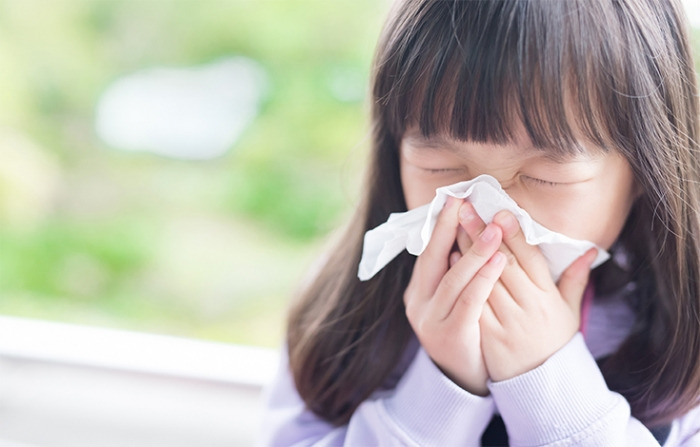
1. Introduction – “The doctor says it’s just a cold… but is my child really okay?”
If you’re raising a young child, this scene probably feels very familiar.
- Your child coughs all night, and no one in the house gets any real sleep.
- The thermometer keeps jumping just above 100.4°F (38°C), then drops a little after fever medicine, only to climb back up again.
- The doctor says it’s a “pediatric cold,” but in your head you’re thinking,
“What if it turns into pneumonia?”
So you find yourself typing the same questions into the search bar over and over:
- “How many days does a child’s cold fever last?”
- “How can I bring my child’s fever down at home?”
- “When should I take my child with a cold to the doctor?”
- “How long do cold symptoms last in kids?”
- “How do I tell the difference between a cold and pneumonia in a child?”
Colds are extremely common in children.
In most cases, a few days of rest, plenty of fluids, and proper use of fever medicine are enough for them to get better on their own.
However, there are times when you really do need to think about more serious illnesses like pneumonia, flu, or a bacterial infection and not just “a simple cold.”
In this post, we’ll walk through the questions parents ask most often:
- Main causes of colds in children
- Age-specific symptoms of pediatric colds
- Warning signs that mean it’s time for a clinic or ER visit
- What you can safely do at home for treatment
- Practical prevention tips and everyday habits that actually help
All in one place, in clear and simple language.
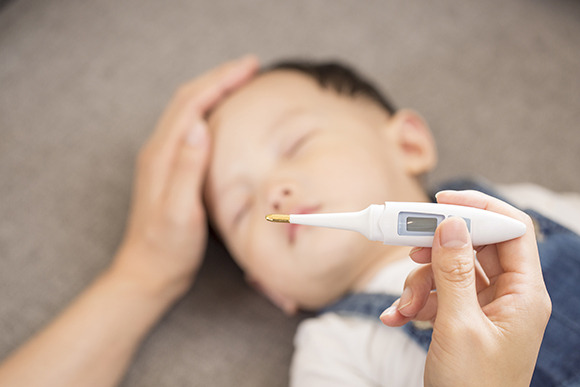
2. What Exactly Is a “Pediatric Cold”?
2-1. What is a pediatric cold?
A pediatric cold is an infection of the upper respiratory tract – the nose, throat, and upper airway – caused by viruses.
That’s why doctors often call it an upper respiratory infection.
There are many different viruses that can cause a child’s cold, including:
- Rhinovirus
- RSV (respiratory syncytial virus)
- Common cold–type coronaviruses
- Parainfluenza, adenovirus, and others
These viruses spread very easily through:
- Droplets from coughing and sneezing
- Shared toys, cups, utensils, and towels
- Little hands constantly touching the nose and mouth
Once a child starts going to daycare or preschool, colds tend to spread very quickly.
If one child catches a cold, it usually doesn’t take long before several other kids begin to show symptoms.
That’s why cold prevention in daycare and preschool settings is such an important topic for parents.
2-2. Why does my child catch colds so often?
Studies suggest that young children can catch a cold 6–8 times a year, and in some cases even more than 10 times.
As a parent, this can be worrying. You might think:
“Is it normal for my child to be sick this often?”
In many cases, this is simply part of how children build their immune system.
As they are exposed to many different viruses, their body gradually learns how to respond and protect itself.
However, if your child:
- Has colds extremely frequently,
- Gets very severe symptoms each time, or
- Almost always develops complications like pneumonia or ear infections,
then it’s worth having a pediatrician check whether there are any underlying health or immune system issues that need attention.
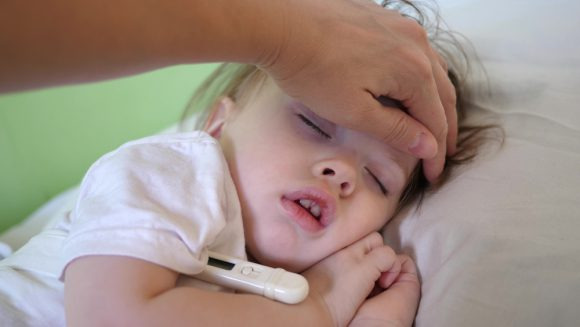
3. Pediatric Cold Symptoms by Age – How They Can Look Different
3-1. Infants (a few months old to about 1 year)
Cold symptoms in infants can be quite subtle at first and easy to miss.
Typical signs include:
- Nasal congestion and clear runny nose
- Low-grade fever or a temperature around 100.4°F–100.9°F (38°C range)
- Stopping and starting frequently while breastfeeding or bottle feeding because it’s hard to breathe through a stuffy nose
- Cough that tends to get worse after 2–3 days
Because infants can’t tell you how they feel, they often show it by:
- Drinking less milk or formula
- Being fussier than usual
- Having more trouble sleeping
3-2. Toddlers and preschoolers (about 2–5 years old)
This is the age when parents most often search:
“How many days does a child’s cold fever last?”
Typical symptoms in this age group include:
- Frequent runny or stuffy nose
- Persistent cough, often worse at night
- Fevers that go up and down for 2–3 days
If you’re wondering “How long do cold symptoms last in kids?”, a general pattern is:
- Fever usually improves around day 3
- Cough and runny nose can still linger for 1–2 weeks
Even if the cough hangs on for a while, if your child’s energy, mood, and appetite are coming back, that’s usually a sign they are on a normal path to recovery.
3-3. School-age children
Older children can describe their symptoms more clearly. They might say:
- “My throat really hurts.”
- “I have a headache.”
- “My whole body aches like I have the flu.”
Because they’re in school, a cold can make it hard to focus on classwork or activities.
This often leads parents to wonder:
“Should I send my child to school today, or keep them home?”
The causes of colds in older children are still mainly viruses,
but conditions like sinus infections, strep throat, or bacterial infections can be mixed in.
If symptoms drag on or get worse, it’s a good idea to have them examined.
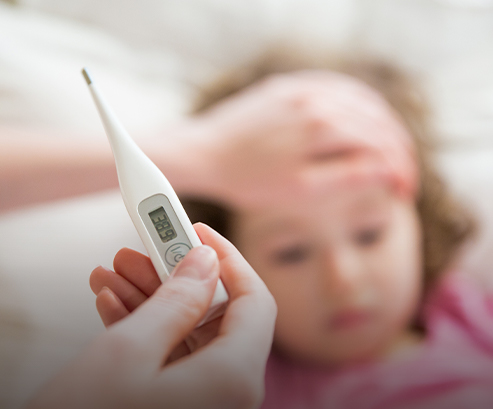
4. Simple Cold or Something More Serious? Warning Signs Parents Should Watch For
4-1. How to tell a typical cold from something like pneumonia or flu
At home, it’s impossible to perfectly diagnose the exact illness,
but there are practical signs that help you decide when you need to worry more.
Signs that suggest a simple pediatric cold is more likely
- Your child has a fever, but it comes down at least somewhat with fever medicine.
- When the fever is down, your child can still smile, play, and act somewhat like their usual self.
- Breathing does not look labored or unusually fast.
- Lips and fingernails look their normal color, not bluish or gray.
- Your child is still drinking some fluids on their own.
Signs that may indicate pneumonia, flu, or a more serious infection
- Breathing is much faster than usual, and
you can see the skin between the ribs or at the base of the neck pulling in with each breath. - High fever (often 102°F–104°F / 38.9°C–40°C) lasting 3 or more days,
or fever that barely responds to medicine. - Your child is extremely tired, hard to wake, or very floppy.
- They are hardly drinking anything and barely urinating, suggesting dehydration.
- Their lips or face look bluish or unusually pale.
If you notice these danger signs, it’s important not to simply assume
“It’s probably just a cold.”
In those situations, your child should be seen by a doctor or taken to an emergency department right away.
4-2. Fever in children – when to call the doctor or go to the ER
In general, a fever in children is defined as 100.4°F (38°C) or higher.
Fever-reducing medication can help when:
- The temperature is 100.4°F (38°C) or higher, and
- Your child is clearly uncomfortable, not sleeping well, and not eating or drinking much
You should seek medical care in the following situations:
- A baby under 3 months old with a temperature of 100.4°F (38°C) or higher
- Any child, regardless of age, who has:
- Fever lasting more than 3 days
- Worsening breathing difficulty or appears to struggle to breathe
- Diarrhea along with very little urination, dry lips, or other signs of dehydration
- Seizures or convulsions along with fever (including febrile seizures)
These red-flag features are emphasized in many pediatric guidelines around the world and should always be taken seriously.
5. Home Treatment for Pediatric Colds – What Actually Helps
5-1. Four basic principles of treating a child’s cold at home
The main goal of treating a pediatric cold is to support the child’s body while it fights off the virus.
You can focus on these four basics:
- Plenty of fluids
- Offer water, lukewarm tea, oral rehydration solution, or diluted electrolyte drinks according to age.
- Instead of pushing large amounts at once, give small sips frequently.
- Rest and sleep
- When kids are sick, sleep is medicine.
- Even if daily routines get a bit disrupted, letting your child rest when they feel sleepy helps them recover faster.
- Comfortable room temperature and humidity
- Keep the room slightly cool and comfortable, around 70–73°F (21–23°C).
- Use a humidifier or a bowl of water / damp towel to maintain 40–60% humidity,
which helps reduce throat irritation and makes breathing easier.
- Relieving nasal congestion
- Use saline nasal spray or a gentle nasal rinse appropriate for your child’s age.
- Elevating the head and upper body slightly while sleeping can help with breathing at night.
5-2. How to safely bring down a child’s fever – using fever medicine correctly
The most commonly used fever-reducing medications in children are:
- Acetaminophen (paracetamol)
- Ibuprofen
When using these medications, the basic rules are:
- Your child’s temperature is 100.4°F (38°C) or above, and
- They clearly look uncomfortable, are not sleeping well, or are not eating/drinking well
In that case, it’s reasonable to give a fever reducer.
Important points:
- The dose must be based on your child’s weight, not just age.
- Follow the recommended intervals and maximum daily doses.
- Always follow the dosing instructions given by your doctor or pharmacist.
Even if:
- The fever doesn’t drop all the way back to “normal,” or
- The temperature goes down only to the 99–100°F (37–37.8°C) range,
it can still be considered effective if your child:
- Looks more comfortable,
- Is able to drink fluids better, and
- Can rest or sleep.
On the other hand, if:
- The fever barely changes at all,
- Or drops only for a very short time and then shoots back up high,
- Or a high fever lasts more than 3 days,
then your child should be evaluated to make sure something more than a simple cold isn’t going on.
5-3. Common myths about antibiotics and “cold medicine”
Many parents ask:
“Why did the doctor prescribe so few medicines?”
“Won’t antibiotics make the cold go away faster?”
In most cases, the cause of a pediatric cold is viral, not bacterial.
Antibiotics are designed to treat bacterial infections,
so they do not speed up recovery from a typical viral cold.
Antibiotics may be needed when there is strong suspicion of:
- Bacterial ear infection (otitis media)
- Bacterial pneumonia
- Bacterial sinus infection
These decisions should be made by a doctor after examining your child.
Over-the-counter cough and cold medicines for children also need to be used with caution.
Because safety and effectiveness vary by age and dose,
it’s not recommended to give “a small piece of an adult tablet” to a child.
6. Preventing Colds in Children – What You Can Do at Home and in Daycare
6-1. Handwashing and cough etiquette – small habits that make a big difference
Research has shown that handwashing education and use of hand sanitizers
can significantly reduce respiratory infections in daycare and school settings.
For cold prevention in daycare and preschool, simple but powerful rules include:
- Washing hands after arriving, before meals, and after using the bathroom
- Covering mouth and nose with a sleeve or tissue when coughing or sneezing
- Throwing used tissues away immediately
- Reducing shared use of toys, cups, utensils, and towels as much as possible
If you keep the same habits at home,
these everyday routines naturally become part of your child’s cold prevention strategy.
6-2. Vaccinations – protecting against serious respiratory illnesses
Children are exposed to many respiratory infections, including:
- Influenza (the flu)
- Pneumococcal infections
- RSV
- COVID-19
Vaccines do not prevent every single cold,
but they play a major role in reducing the risk of severe illness and complications.
During routine checkups, it’s helpful to confirm:
- Whether your child’s vaccination schedule is up to date
- When it’s best to receive the seasonal flu shot
Checking these items with your pediatrician once or twice a year can go a long way toward protecting your child’s overall health.
6-3. Vitamin D, zinc, and other supplements – helpful or just hype?
Recent studies have shown mixed results:
- Some research suggests that vitamin D may help reduce the risk of certain respiratory infections in people who are deficient.
- Other large analyses have found the effect is smaller than expected or not very clear.
In other words, vitamin D and zinc are not magic shields against colds.
The real foundation of cold prevention is still:
- Good hand hygiene
- Adequate sleep
- Balanced nutrition
However, if your child:
- Spends most of their time indoors,
- Has very little sun exposure, or
- Has been found to have low vitamin D levels on blood tests,
your pediatrician may recommend appropriate supplementation as part of an overall health plan.
7. Five Practical Tips You Can Start Today
To wrap things up, here are five simple, realistic tips you can start using right away.
Tip 1. Watch “fever, breathing, and expression” together
Don’t rely only on the thermometer. Also check:
- How your child looks when they have a fever
- How fast and how hard they are breathing
- How different their energy level is compared to usual
Looking at these three together will help you decide more accurately
when it’s time to call the doctor or visit a clinic.
Tip 2. Turn handwashing into a game
Pick three key times a day:
- After coming home or arriving at daycare
- Before meals
- Before bedtime
Sing a short “handwashing song” and let your child make lots of bubbles for 20–30 seconds.
To your child, it feels like play,
but to you, it’s an easy way to reinforce cold prevention habits at home and in daycare.
Tip 3. Check the air quality at home
Try to keep these three basic rules:
- Room temperature around 70–73°F (21–23°C)
- Humidity around 40–60%
- Minimize cigarette smoke, strong scents, and dust
These small adjustments can make breathing much more comfortable
when your child already has cold symptoms.
Tip 4. Change how you offer fluids
Instead of simply saying, “Drink more water,” you can:
- Use a fun cup, straw, or water bottle your child likes
- Offer small sips every 10–20 minutes instead of a large amount at once
This often works better, especially when they don’t feel well.
Tip 5. Use checkups to stay ahead
During regular checkups, ask your pediatrician about:
- Vaccination status and upcoming shots
- Growth chart (height and weight trends)
- Basic labs like anemia or vitamin D if recommended
Staying informed about these areas can help you catch and address
potential underlying factors that make infections more frequent or severe.
8. Key Takeaways and a Final Word for Parents
- Colds are extremely common in children, but
most of the time they improve with rest, fluids, and supportive care. - The most important question is not just
“Is this a cold or not?”
but rather,
“Are there any danger signs that mean my child needs medical care right now?” - As a general guideline for how long cold symptoms last:
- Fever often improves around day 3
- Cough and runny nose can persist for 1–2 weeks
The core of pediatric cold prevention is:
- Handwashing
- Proper cough etiquette
- Enough sleep
- Balanced meals
- Appropriate vaccinations
And one more thing:
No one knows your child better than you do.
If the thermometer looks okay
but your child’s eyes, behavior, or breathing feel “off” to you,
and something in your gut tells you,
“This just doesn’t seem right,”
then choosing to have them checked one more time
is often the safest and kindest decision you can make for your child.
Medical Information Notice
The information in this article is intended to help you better understand pediatric colds and general child health.
It is not a substitute for a medical diagnosis, consultation, or treatment plan.
For an accurate assessment of your child’s symptoms or condition,
please seek evaluation and guidance from a licensed healthcare professional.






최근댓글