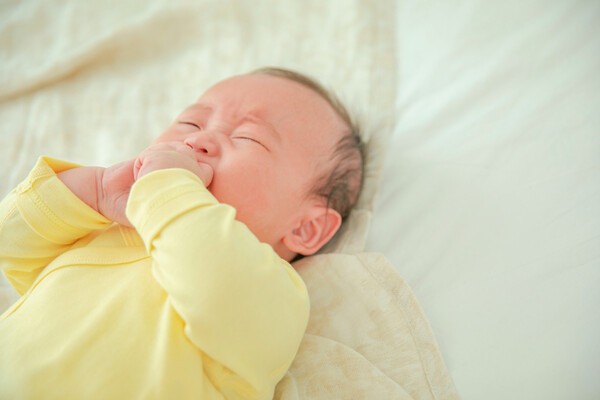
1. “It’s just a cold…” and then it becomes bronchiolitis
“My baby has a little cough and a runny nose. It’s probably just a cold, right?”
This is the most common thought many parents have in the beginning.
But a few days later, you might notice:
- Your baby’s chest pulling in and out with every breath
- A high-pitched wheezing sound when you put your ear near their chest
That’s the moment many parents suddenly think,
“Could this be bronchiolitis?”
Bronchiolitis is a very common lower respiratory infection in infants and toddlers, especially under 2 years of age.
In the early stage, it looks almost exactly like a simple cold –
just a runny nose and mild cough –
so it’s easy to miss the moment when things start to get serious.
When it gets worse, bronchiolitis can lead to:
- Trouble breathing
- Constant wheezing
- Dehydration
- And in some cases, hospitalization
Several studies over the past few years show that, worldwide,
bronchiolitis is one of the most common reasons infants are admitted to the hospital for breathing problems.
That’s why it’s so important to know:
- When it’s still “just a cold,” and
- When it has progressed to infant bronchiolitis
— and how to decide when it’s time to see a doctor or go to the ER.
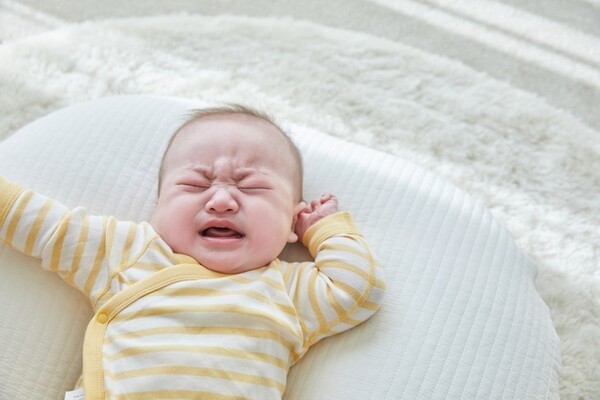
2. What is bronchiolitis? A simple explanation and how it differs from a cold
Before anything else, let’s make bronchiolitis less intimidating by understanding what it actually is.
1) Where does bronchiolitis happen?
Inside the lungs, there are airways that carry air in and out.
- The larger tubes are called bronchi
- As they branch out and get smaller and thinner, they become bronchioles
Bronchiolitis is an infection and inflammation of these tiny airways, the bronchioles.
When a virus infects these small airways:
- The lining becomes swollen
- Sticky mucus builds up
- The airway narrows and gets partially blocked
As a result, air cannot move in and out smoothly, and your baby may:
- Breathe faster
- Use a lot of effort to breathe
- Make a whistling or wheezing sound when exhaling
That’s why babies with bronchiolitis often look like they are working very hard just to breathe.
2) Bronchiolitis vs. a simple cold
Common cold
- Infection mainly in the upper airway (nose, throat)
- Typical symptoms: runny nose, nasal congestion, mild cough, mild fever
Infant bronchiolitis
- Infection moves down into the lower airway (bronchi, bronchioles)
- Typical symptoms:
- Wheezing
- Fast breathing
- Chest pulling in and out (retractions)
- Shortness of breath
In many cases, bronchiolitis starts as what looks like an ordinary cold.
Over a few days, the infection travels deeper into the lungs and affects the bronchioles.
That’s when “early cold-like symptoms” turn into “true bronchiolitis symptoms.”
3. Viruses that cause bronchiolitis and babies who are more at risk
1) The most common cause: RSV
The number one culprit behind bronchiolitis is a virus called RSV (Respiratory Syncytial Virus).
RSV bronchiolitis typically:
- Spreads mostly from late fall through winter into early spring
- Starts with cold-like symptoms: runny nose, cough, low-grade fever
- A few days later, leads to wheezing, fast breathing, and sometimes hospitalization
Many studies show that a large portion of infant bronchiolitis cases are caused by RSV,
which is why you’ll often hear the term “RSV bronchiolitis.”
2) Other viruses that can trigger bronchiolitis
Bronchiolitis is not only caused by RSV. Other viruses include:
- Rhinovirus
- Parainfluenza virus
- Influenza (flu)
- Human metapneumovirus
Sometimes, babies can be infected by two or more viruses at the same time.
3) Babies who need extra caution
Some babies are more vulnerable and can become sicker more quickly when they develop bronchiolitis. Extra caution is needed if your baby:
- Is under 12 months old, especially under 6 months
- Was born premature
- Has congenital heart disease or chronic lung disease
- Has a weakened immune system
- Has older siblings in daycare or preschool who often bring home viruses
- Is regularly exposed to cigarette smoke at home or in the car
If a baby with these risk factors shows early signs of bronchiolitis,
it’s safer to lean toward “Let’s get checked” rather than “Let’s just wait and see.”

4. From runny nose to wheezing: stages of bronchiolitis symptoms
Now let’s walk through the typical stages of bronchiolitis symptoms, step by step.
This often answers the question: “When should I start worrying?”
1) Stage 1 – Cold-like early symptoms (about day 1–3)
At first, bronchiolitis looks just like a simple cold:
- Clear runny nose
- Nasal congestion
- Sneezing
- Mild cough
- Mild fever (around 100–101°F / 37.8–38.3°C)
At this stage, it’s almost impossible to tell the difference between “just a cold” and early bronchiolitis.
Most parents simply think, “My baby just caught a cold.”
2) Stage 2 – Worsening breathing symptoms (around day 3–5)
After a few days, you may begin to notice changes in your baby’s breathing:
- Cough becomes deeper and more chesty
- Your baby seems short of breath
- Breathing rate becomes noticeably faster
- When your baby breathes in, you may see:
- The skin between or below the ribs pulling inward
- The area below the neck or around the collarbone pulling in
These are called retractions, a sign that your baby is working extra hard to breathe.
If you put your ear close to your baby’s chest, you may hear a whistling, musical sound when they breathe out.
This is the classic wheezing of bronchiolitis.
This is the turning point when “a simple cold” has now progressed into true bronchiolitis.
3) Stage 3 – General condition changes
As breathing becomes more difficult, your baby may also show:
- A clear drop in feeding (drinking much less breast milk or formula)
- Vomiting more easily, especially after coughing
- Being unusually sleepy, fussy, or less responsive
- In severe cases, bluish lips, tongue, or fingertips (cyanosis)
If your baby reaches this stage, it’s very likely that medical evaluation and infant bronchiolitis treatment are needed.

5. How to help at home: 5 practical bronchiolitis care tips
Because bronchiolitis is usually caused by a virus,
there is no single “magic drug” that instantly cures it.
Most international guidelines emphasize supportive care as the main treatment:
- Helping your baby breathe more comfortably
- Preventing dehydration
- Supporting them while the infection runs its course
Even so, what you do at home can make a big difference.
1) Keep the room temperature and humidity comfortable
Aim for:
- Temperature: around 72–75°F (22–24°C)
- Humidity: around 40–60%
If the air is too dry, your baby’s airways can become more irritated, and coughing may worsen.
If you use a humidifier:
- Change the water daily
- Clean the inside regularly to prevent mold and bacteria from growing
2) Clear the nose: congestion and mucus care
For babies, a stuffy nose makes breathing and feeding much harder.
You can:
- Use saline nose drops or spray to gently moisten the inside of the nose
- Then use a soft suction bulb or nasal aspirator to remove mucus gently
Even this simple routine can make a big difference in how your baby feels,
and is one of the most effective at-home bronchiolitis care methods.
3) Fluids and feeding: “a little at a time, more often”
When babies are struggling to breathe, they may not drink as much as usual.
- They may not manage their usual full feeding in one go
- Instead of pushing large feeds, offer smaller amounts more often
If your baby eats solids:
- Offer soft, easy-to-digest foods like porridge or purees
- Avoid very salty, spicy, or heavy foods while they are sick
Staying well hydrated helps thin the mucus and supports recovery.
4) Change positions and keep the upper body slightly elevated
Rather than laying your baby completely flat:
- Hold them with their upper body slightly elevated
- This can help air reach deeper into the lungs and make breathing a bit easier
- Avoid leaving your baby in the exact same position for long periods
- Gently change sides or positions from time to time
5) Avoid cigarette smoke and reduce air pollution exposure
- Do not allow smoking inside the home or in the car, even when windows are open
- On days with poor air quality, limit outdoor time
- Ventilate the house regularly and use an air purifier if available
Studies repeatedly show that babies exposed to secondhand smoke
get respiratory infections, including bronchiolitis, more often and more severely.
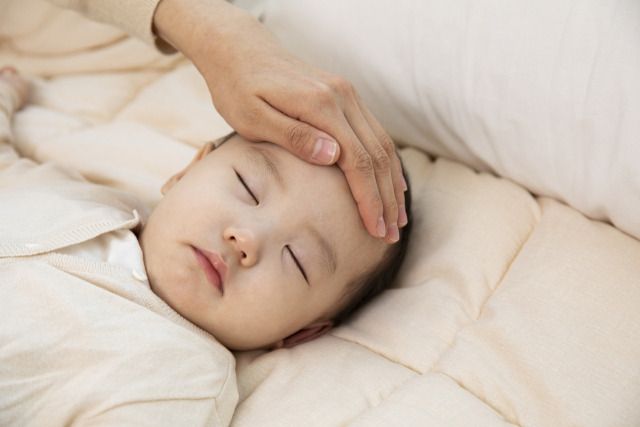
6. When you should go straight to the ER or call your doctor
This is the part that worries parents the most:
“Should we go to the ER right now,
or can we wait and see if things improve by tomorrow?”
Here are some clear signs that you should not wait.
🔴 Go to the ER or seek urgent care immediately if:
- Your baby’s breathing is clearly very fast or labored
- You see retractions – the skin under the ribs, between the ribs, or at the base of the neck pulling in with each breath
- You hear loud wheezing with every breath and your baby looks exhausted
- Your baby’s lips, tongue, or face look bluish or gray (cyanosis)
- Feeding drops to half or less of normal, and the number of wet diapers decreases significantly
- Your baby is extremely sleepy, difficult to wake, or not responding normally
- Your infant is under 3 months old with a fever of 100.4°F (38°C) or higher
These are signs that your baby’s wheezing and breathing difficulty may be severe and that they may need:
- Oxygen
- IV fluids
- Close monitoring and possibly hospital treatment
🟡 Make an appointment with your pediatrician as soon as possible if:
- Fever and cough continue for more than 3–4 days
- Wheezing comes and goes, even if it’s not constant
- Your baby is coughing and breathing hard at night and cannot sleep well
- Symptoms start to improve, but then suddenly worsen again
In these situations, the difference between “a lingering cold” and “infant bronchiolitis that still needs treatment” can be subtle.
Your pediatrician can:
- Listen to your baby’s lungs with a stethoscope
- Check oxygen levels with a pulse oximeter
- Order a chest X-ray or RSV test if necessary
7. Prevention, everyday habits & RSV prevention shots
1) The basics: handwashing and cough etiquette
These simple habits are powerful against all respiratory viruses:
- Have everyone in the family wash hands after coming home and before meals
- Teach older siblings to cover their mouth and nose with their elbow or sleeve when coughing
- If someone in the household has cold symptoms, try to limit close face-to-face contact with the baby
2) Managing siblings and daycare exposure
If an older sibling in daycare or preschool catches a cold:
- Try to avoid kissing the baby’s face until they are better
- Use separate towels, cups, and utensils as much as possible
This won’t block every virus, but it can lower the viral load your baby is exposed to.
3) RSV prevention: antibody shots and vaccines
In recent years, several countries have introduced new ways to protect infants from severe RSV disease, such as:
- Maternal RSV vaccines given during pregnancy
- Long-acting monoclonal antibody shots (such as nirsevimab) for infants
Early data suggests these tools can reduce RSV-related hospitalizations in young babies.
However:
- Who is eligible
- Which products are available
- When and how they are given
can vary by country, health system, and year.
The best way to know what’s currently available for your baby is to ask your pediatrician:
“Is my baby a candidate for RSV prevention,
such as antibody shots or vaccines?”
4) Daily habits to reduce the risk of bronchiolitis and wheezing
Over time, the following habits can help lower the risk of bronchiolitis and other wheezing illnesses:
- Keep your home and car smoke-free
- Wash bedding and soft items regularly, and reduce dust and mold
- Ventilate rooms daily; use an air purifier if helpful
- Avoid overexertion or crowded indoor spaces when your baby is already sick
These simple lifestyle steps may also help reduce the chance that bronchiolitis episodes lead to recurrent wheezing or asthma-like symptoms later on.
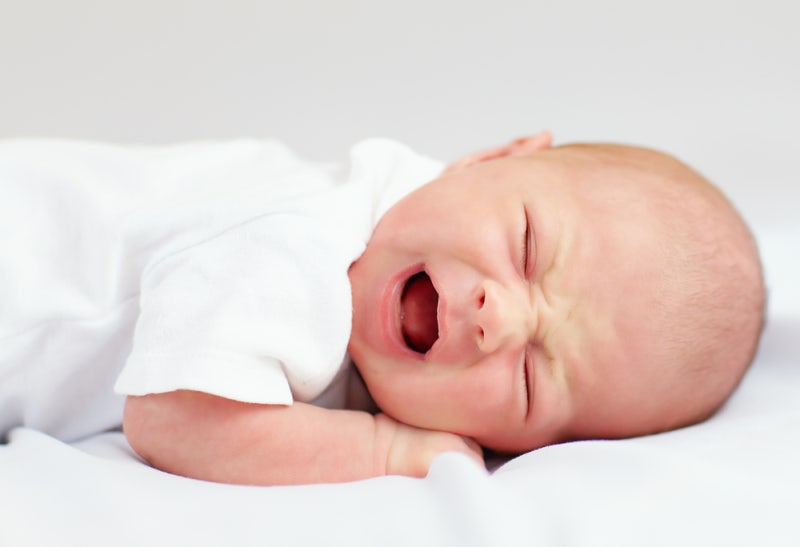
8. Key takeaways & a gentle reminder for parents
Let’s wrap up the most important points.
- Bronchiolitis is a very common lower respiratory infection in infants, especially under 2 years old, and one of the leading causes of hospital stays for breathing problems.
- In most cases, it starts as what looks like a simple cold and then progresses to wheezing, fast breathing, and feeding difficulties over a few days.
- Early symptoms include:
- Runny nose, nasal congestion, mild cough, mild fever
- Later, you may see increased breathing rate, retractions, wheezing, and changes in your baby’s energy and feeding.
- At home, you can help your baby by:
- Keeping room temperature and humidity comfortable
- Clearing nasal congestion with saline drops and gentle suction
- Offering small, frequent feeds to prevent dehydration
- Elevating the upper body slightly and changing positions regularly
- Avoiding cigarette smoke and polluted air
- Go straight to the ER or urgent care if you see:
- Very fast or labored breathing
- Chest pulling in (retractions)
- Blue lips or tongue
- Marked drop in feeding and fewer wet diapers
- Extreme sleepiness or poor responsiveness
- RSV prevention options, like antibody shots and maternal vaccines, are becoming more common. Ask your pediatrician whether your baby qualifies.
Most of all, remember this:
You are not “an overreacting parent.”
You are the person who knows your baby’s breathing, color, and energy better than anyone else.
Try making a small nightly habit:
- When your baby is asleep,
- Sit quietly beside them for a minute,
- Watch their chest rise and fall,
- And listen to their breathing.
This simple routine can be one of the most powerful tools for catching bronchiolitis and other breathing problems early.
Medical & Legal Disclaimer
This article is provided for general health information and education only.
It does not replace an in-person evaluation, diagnosis, or treatment plan from a qualified healthcare professional.
If you are worried about your baby’s symptoms—especially breathing difficulties, poor feeding, or changes in color or responsiveness—
please seek medical care from a licensed doctor or pediatric specialist without delay.






최근댓글