
1. “My hands turn red every time I wash the dishes” – A relatable start to contact dermatitis
“Every time I do the dishes, my hands turn red and start to sting.”
“Since I started using a new skincare product, my face feels hot and itchy.”
Many people have had experiences like this.
Most of the time we brush it off as:
“My skin is just sensitive. It’ll calm down if I leave it alone.”
But if these symptoms keep coming back after your skin touches certain products or materials,
it’s more than just dry or sensitive skin.
It could be contact dermatitis.
Contact dermatitis is an inflammatory skin condition that occurs
when the skin comes into contact with a substance such as detergents, metals, cosmetics, or chemicals.
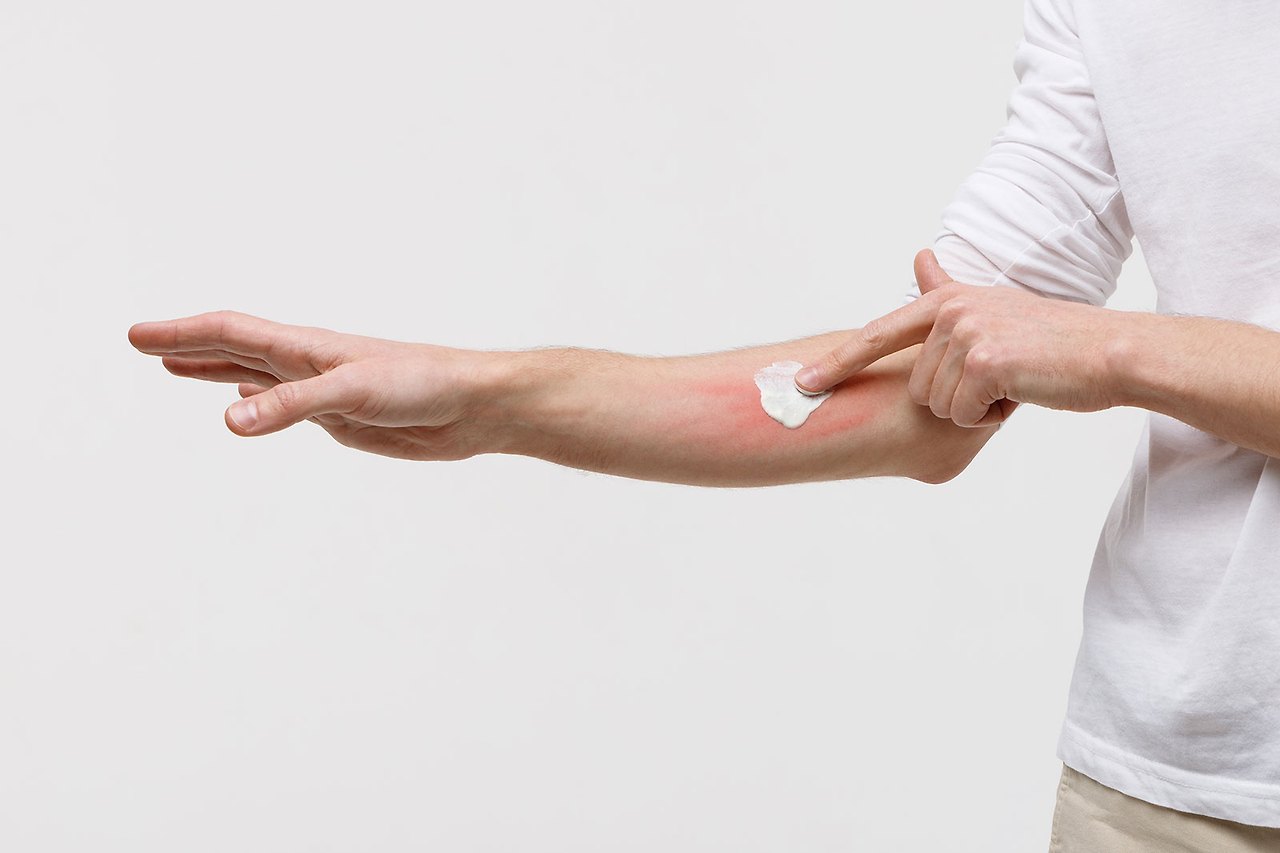
- The skin becomes red, itchy, and irritated
- In more severe cases, blisters, oozing, and crusting can occur
- Over time, this can significantly affect your comfort, work, and daily life
This is especially true for hand contact dermatitis.
Because we constantly use our hands for dishwashing, cleaning, childcare, cooking, and work,
once the skin barrier is damaged, it can feel like it “never fully heals.”
In this article, we’ll walk through:
- Main causes of contact dermatitis
- Typical symptoms
- How doctors diagnose it
- Standard treatment options
- And simple lifestyle changes that help prevent flare-ups
So you can better understand what’s happening to your skin
and make more informed decisions about medical care and daily management.
2. What is contact dermatitis?
Two main types: irritant vs allergic
Contact dermatitis is an umbrella term.
Under it, there are two major types:
- Irritant contact dermatitis
- Allergic contact dermatitis
Both are forms of “contact dermatitis,”
but the reason they develop and how they progress are slightly different.
2-1. Irritant contact dermatitis – when the skin barrier is overworked
Irritant contact dermatitis happens when the outer layer of the skin
is repeatedly damaged by harsh substances or physical irritants, such as:
- Strong dishwashing liquids or household cleaners
- Frequent handwashing with soap
- Wet work (hands often in water)
- Certain chemicals at work
It’s especially common in people who:
- Work in jobs that require frequent handwashing
- Do a lot of dishwashing and cleaning at home
- Use strong cleaning products without wearing gloves
In this type, the immune system isn’t “remembering and attacking” a specific allergen.
Instead, the skin barrier is simply worn down over time.
You can think of irritant contact dermatitis as:
“Skin that’s been pushed too hard without enough time to recover.”
2-2. Allergic contact dermatitis – when the immune system becomes sensitized
Allergic contact dermatitis is a little different.
Over time, repeated exposure to a particular substance
can “teach” the immune system to recognize it as a threat.
Once your immune system becomes sensitized,
even small amounts of that substance touching your skin
can trigger inflammation, redness, and itching.
Typical examples include:
- Metal allergy contact dermatitis
- Earrings, necklaces, watches, bracelets, belt buckles, metal buttons
- Cosmetic allergy contact dermatitis
- Toners, lotions, creams, sunscreens, hair dyes, fragrances
In allergic contact dermatitis,
finding and avoiding the exact trigger (allergen) is the key step in long-term management.
3. Common causes of contact dermatitis
Everyday irritants hiding in your routine
The causes of contact dermatitis are often much closer than we think.
If you mentally replay what your hands and skin touch in a single day,
you’ll likely spot several of the culprits below.
3-1. Detergents and cleaning products
- Dishwashing liquids
- Bathroom and kitchen cleaners
- Bleach, mold removers, strong multipurpose cleaners
These products are designed to remove oil, grease, and stains very effectively.
The downside is that they can also strip away the natural protective oils from your skin.
When used frequently, especially with hot water,
they can rapidly dry and weaken the skin barrier,
raising the risk of irritant contact dermatitis.
3-2. Metal items (nickel, cobalt, etc.)
- Earrings, necklaces, rings
- Watches, bracelets, belt buckles
- Eyeglass frames, metal buttons and zippers
If you have a metal allergy, you might notice:
- Red marks where the metal touches the skin
- Itching, burning, or flaking in those spots
- Small bumps or rashes that keep recurring
Comments like:
“My ears always get sore when I wear earrings.”
“I keep getting a rash right where my belt buckle touches my belly.”
are classic clues that allergic contact dermatitis to metal may be involved.
3-3. Cosmetics and beauty products
- Toners, serums, moisturizers, creams
- Sunscreens
- Hair dye products
- Perfume, body mist, fragranced lotions
Cosmetics often contain a long list of ingredients—
preservatives, fragrances, emulsifiers, pigments, and more.
So when a rash appears,
it’s difficult to know which single ingredient is the trigger.
That’s why, if cosmetic allergy contact dermatitis is suspected,
it’s usually better to:
- Avoid constantly switching brands at random, and instead
- Work with a professional to identify the specific ingredient causing problems
3-4. Workplace exposures
People at higher risk for occupational contact dermatitis include those who:
- Work in kitchens, cleaning, housekeeping, or food service
- Frequently wear protective gloves for long periods
- Handle chemicals, solvents, cement, or metals
For these individuals,
early attention to skin protection and moisturization
can make a huge difference in preventing chronic, hard-to-treat hand dermatitis later on.

4. Symptoms of contact dermatitis
Where it shows up, and how it looks
Contact dermatitis symptoms tend to appear first
on the areas that directly contact the trigger.
Common symptoms include:
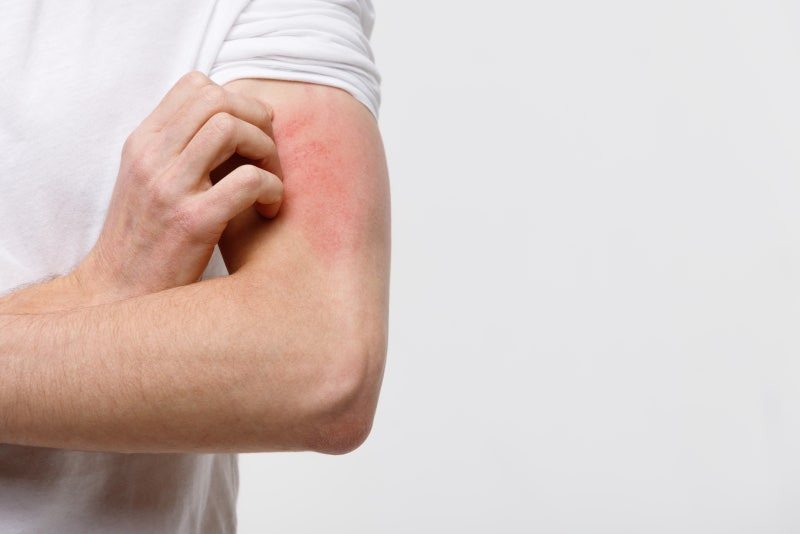
- Redness and inflammation
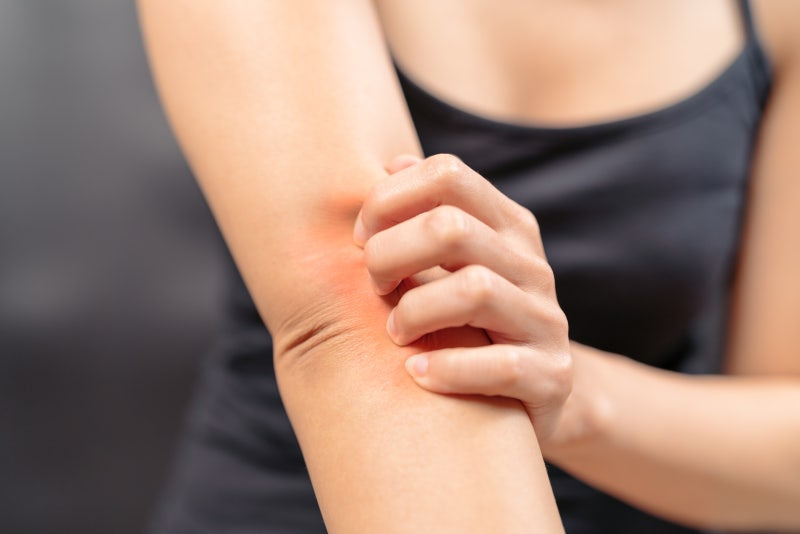
- Itching or stinging
- Warmth or burning sensation in the area
- Small blisters, oozing, and crusting
- Over time, skin may become thickened, rough, and cracked
4-1. Typical patterns by body area
Hand contact dermatitis
- Commonly linked to dishwashing, cleaning, frequent handwashing, work tasks
- Often affects the knuckles, backs of the hands, and sometimes the palms
- The skin may look red, scaly, and may crack and bleed in severe cases
Face and neck contact dermatitis
- Often related to skincare products, sunscreens, perfumes, or hair dyes
- Red patches and itching around the eyes, cheeks, jawline, or neck
Ears, neck, wrists, waist
- Associated with earrings, necklaces, watches, bracelets, belt buckles, and metal buttons
- Typical pattern in metal allergy contact dermatitis
4-2. Habits that make it worse
Certain lifestyle habits can worsen or prolong contact dermatitis:
- Washing hands very frequently with hot water
- Using strong soaps or cleansers with high cleansing power
- Skipping moisturizer after showering, dishwashing, or handwashing
- Staying in very dry indoor environments (heating, air conditioning)
- Chronic stress and poor sleep, which slow skin recovery
Managing contact dermatitis means
reducing the triggers and simultaneously cutting down the aggravating factors.

5. How is contact dermatitis diagnosed?
What doctors look at during an evaluation
Diagnosing contact dermatitis
is not just about taking a quick look at the rash and prescribing a cream.
A thorough evaluation usually includes:
- Your lifestyle and daily routine
- Your job and hobbies
- Products and materials your skin frequently touches
- How and when your symptoms started and worsened
5-1. Questions you may be asked at the clinic
During a visit, your healthcare provider may ask:
- When did the symptoms first appear?
- Have you noticed situations that make it worse?
- Dishwashing, cleaning, hair coloring, new skincare products, etc.
- What kind of work do you do?
- Which detergents, cosmetics, or beauty products do you use regularly?
These questions help narrow down the probable causes of your contact dermatitis.
5-2. Patch testing
If allergic contact dermatitis is strongly suspected,
your provider may recommend a patch test.
- Small amounts of common allergens (metals, fragrances, preservatives, etc.)
are applied to your back using adhesive patches. - The patches are left in place for a set time,
and your skin is checked 1–3 days later for reactions.
Patch testing can help identify:
“Exactly which substance is causing trouble for my skin.”
Once you know that,
you can make much more targeted changes in your products and environment.
6. Treatment of contact dermatitis
Avoiding triggers + medication + skin barrier care
There is rarely a single magic fix for contact dermatitis.
Effective treatment usually combines three approaches:
- Avoiding the trigger
- Calming the inflammation and itch (creams and/or medication)
- Helping the skin barrier recover with moisturizers and better habits
6-1. Avoiding the trigger
- When washing dishes or cleaning, wear cotton gloves under rubber gloves
- If you have a metal allergy, switch to low-nickel or hypoallergenic accessories
and avoid direct metal-to-skin contact when possible - If certain products (a specific detergent or cream) seem to make things much worse,
take photos or note the full ingredient list so you can discuss it with your provider
6-2. Creams and medication
Topical steroids (steroid creams/ointments)
- Commonly used for acute, red, itchy, oozing rashes
- The strength and type of steroid depend on
- where it’s being applied (face vs body vs hands/feet)
- how severe the inflammation is
Topical calcineurin inhibitors (non-steroid creams)
- Sometimes considered for delicate areas like the face or around the eyes
- Can be useful when long-term steroid use is a concern
Oral medications (such as antihistamines)
- May be used when nighttime itching is severe enough to disrupt sleep
- Can help reduce itch, indirectly improving quality of life and rest
Medication choice and duration should always be tailored to:
- Your current skin condition
- Other medications you are taking
- Your overall health history
So it’s important to discuss these with a qualified healthcare professional.
6-3. Building a soothing moisturizing routine
In contact dermatitis management, a good moisturizer is:
- Part treatment
- Part prevention
Tips for a barrier-friendly routine:
- Choose products that are fragrance-free or low in added fragrance
and designed for sensitive or eczema-prone skin - Apply moisturizer within a few minutes after showering or washing your hands
- If you have hand contact dermatitis,
make an intentional habit of applying moisturizer
every time you finish dishwashing or cleaning
Over time, this simple routine can support barrier repair
and reduce how often your skin flares.
7. Five practical tips you can start today
The good news is that
small tweaks in daily habits can make a big difference in contact dermatitis.
TIP 1. Fix your “glove routine” for dishwashing and cleaning
- Try to avoid doing dishes with bare hands whenever possible
- Use cotton gloves under rubber gloves for longer cleaning sessions
- If the inside of the glove becomes very damp and sweaty,
take a short break to dry your hands and gloves
TIP 2. Switch from hot water to lukewarm
Very hot water strips away skin oils in one go.
If you have hand contact dermatitis, try to:
- Wash dishes, shower, and wash your hands
with lukewarm water as a default
This small change alone can reduce irritation for many people.
TIP 3. Treat moisturizing as “the second half” of handwashing
Imagine that handwashing isn’t finished
until you’ve moisturized.
- Wash your hands
- Gently pat them dry (don’t scrub with the towel)
- Apply moisturizer within 1–2 minutes
It may feel fussy at first, but after just a week or two,
many people notice less tightness, redness, and cracking of the hands.
TIP 4. Patch-test new cosmetics before full use
Before applying a new skincare product all over your face:
- Apply a small amount to the inner forearm or behind the ear
- Use it for 2–3 days and watch for redness or itching
- If your skin stays calm, then move on to using it on larger areas
This is a simple and effective way
to lower the risk of cosmetic allergy contact dermatitis.
TIP 5. Keep a simple “trigger diary”
On days when your skin flares badly, jot down:
- Which products you used
- What you did (e.g., heavy cleaning, hair dye, long glove use, metal tools)
- Accessories or jewelry you wore
Within just 2–3 weeks,
you’ll often start to see patterns like:
“My skin always gets worse after this cleaner”
“Every time I dye my hair, my neck gets itchy”
This “trigger diary” can be extremely helpful
both for you and for your doctor when figuring out
what’s driving your contact dermatitis.
8. Key takeaways & final thoughts
Let’s recap the main points.
- Contact dermatitis is an inflammatory skin condition
that develops when your skin comes into contact with certain substances. - Irritant contact dermatitis is mainly due to
repeated damage to the skin barrier
from things like detergents, water, chemicals, and frequent handwashing. - Allergic contact dermatitis happens when the immune system
becomes sensitized to a specific substance, such as metals or cosmetic ingredients,
and overreacts whenever you’re exposed again. - The main causes of contact dermatitis are
everyday items: detergents, metals, cosmetics, and workplace exposures.
In other words, it’s tightly linked to your daily life. - Common symptoms include redness, itching, burning, small blisters,
and in chronic cases, thickening and cracking of the skin—
especially in hand contact dermatitis, which can interfere with housework and work. - Diagnosis looks at your lifestyle, job, products you use, and where the rash appears.
When allergic contact dermatitis is suspected,
patch testing can help confirm which specific allergens are to blame. - Effective treatment combines three pillars:
- Avoiding the offending substances
- Using the right creams and medications
- Improving moisturizing and daily habits
Rather than thinking of contact dermatitis as:
“Once I have it, I’ll have it forever,”
it can be more helpful to see it as:
“A condition that improves when I understand
what irritates my skin and adjust my habits accordingly.”
If you’ve been dealing with itchy, red, irritated skin
on your hands, face, or other specific areas again and again,
it may be worth taking a closer look at:
- The products your skin touches every day
- The detergents and cosmetics you use
- Your work environment and routine
Even one or two small changes in your daily pattern
can make managing contact dermatitis much more manageable.
This guide is meant to support you
in navigating contact dermatitis causes, symptoms, tests, treatment, and practical coping tips
so that your skin—and your daily life—can feel a little more comfortable.
Medical disclaimer
This article is for general information and education only.
It is not a substitute for professional medical advice, diagnosis, or treatment.
If you have persistent or worsening skin symptoms,
please consult a qualified healthcare provider or dermatologist
for an accurate evaluation and personalized care.






최근댓글