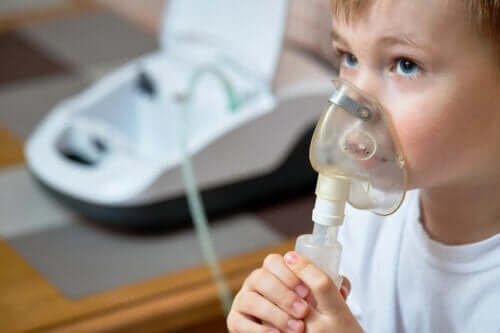
Many parents say the same thing when they first hear the word pneumonia from their child’s doctor:
“My child had a fever and a cough, so I thought it was just a cold.”
“I assumed it was a bad cold, but the doctor said it’s pneumonia. I was shocked.”
Pediatric pneumonia means that there is inflammation in your child’s lungs.
With a simple cold, the infection usually stays in the nose, throat, or upper airways.
With pneumonia, the inflammation reaches the tiny air sacs deep inside the lungs (the alveoli), so symptoms tend to be more severe and complications are more likely.
Recent reports still list pneumonia as one of the major causes of death in children under 5 worldwide.
The good news: when pneumonia is caught early and treated properly, most children recover well with the right care and prevention.
In simple terms, you can think of pediatric pneumonia like this:
- An infection that has gone deeper than an ordinary cold
- Often starts like a cold, but the fever is higher and lasts longer, and breathing becomes harder
- A condition that usually improves with early diagnosis and treatment, but can be dangerous if ignored
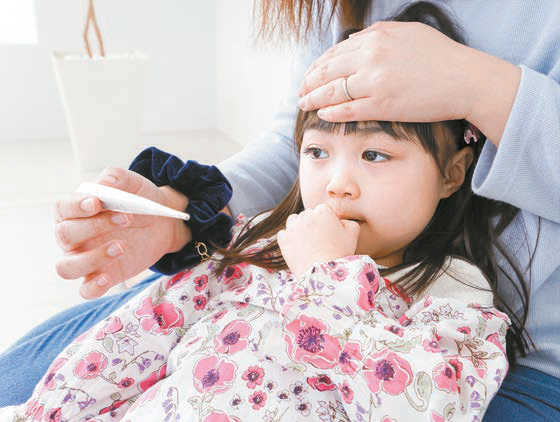
1. What Is Pediatric Pneumonia and How Is It Different from a Cold?
Pediatric pneumonia is an infection where your child’s lung tissue becomes inflamed.
A cold usually affects:
- Nose
- Throat
- Upper airways (like the larger bronchi)
Pneumonia affects:
- The deep parts of the lungs, especially the tiny air sacs (alveoli), where oxygen exchange happens
Because of this, pneumonia is more likely to cause:
- High, persistent fever
- Faster, harder breathing
- Greater risk of complications, especially in babies and medically fragile children
Even though pneumonia is still a serious disease for young children, early recognition, appropriate treatment, and good follow-up care dramatically improve outcomes.
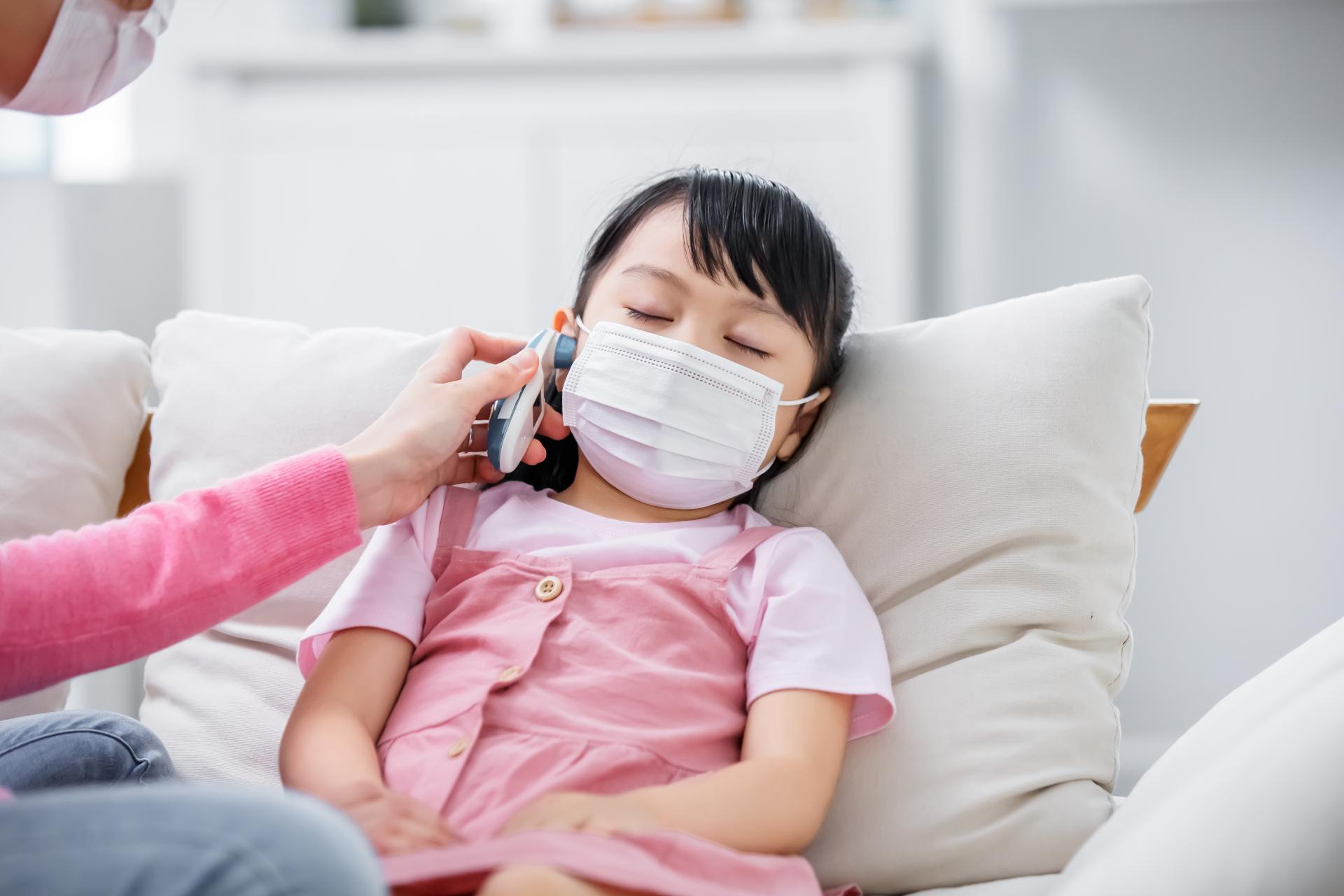
2. Common Causes of Pediatric Pneumonia and Which Children Are at Higher Risk
1) The Most Common Causes of Pediatric Pneumonia
Pediatric pneumonia is most often caused by viruses and bacteria.
Viral causes
- RSV (respiratory syncytial virus)
- Influenza (flu virus)
- Adenovirus and other respiratory viruses
These are especially common in infants and toddlers and often overlap with colds or bronchitis.
Bacterial causes
- Streptococcus pneumoniae (pneumococcus) – the classic bacterial cause of pneumonia in children
- Mycoplasma pneumoniae – often seen in school-aged children and teens (“walking pneumonia”)
- Staphylococcus aureus and Haemophilus influenzae can also be responsible in some cases
Recent research from various countries consistently shows that pneumococcus and Mycoplasma remain important causes of pediatric pneumonia.
2) Children Who Are More Likely to Develop Severe Pneumonia
Any child can get pneumonia, but certain situations increase the risk or make pneumonia more severe:
- Babies born premature or with low birth weight
- Children with poor nutrition or low body weight
- Kids with congenital heart disease, chronic lung disease, or immune problems
- Children exposed to secondhand smoke or poor indoor air quality
- Kids in daycare or preschool who are in close contact with many other children
- Children who are not fully vaccinated for pneumococcus, Hib, or the flu
In short, a child’s immune strength, environment, and vaccination status are three major pillars that affect the risk and severity of pediatric pneumonia.

3. Early Warning Signs: How to Tell Pediatric Pneumonia from a Simple Cold
One of the hardest questions for parents is:
“Is this just a cold, or could it be early pneumonia?”
Only a physician can make a firm diagnosis, but there are warning signs at home that should prompt you to seek medical care sooner rather than later.
1) Fever Pattern
- High fever (100.4°F / 38.5°C or higher) lasting more than 3 days
- Fever that drops briefly with medication but keeps coming back strongly
- Even with a lower fever, your child looks very tired, weak, or glassy-eyed
2) Breathing Pattern
Watch your child’s breathing carefully:
- Breathing looks noticeably faster than usual
- When your child breathes in, the areas between the ribs or below the ribs pull inward (chest retractions)
- Your child has to stop talking or crying to catch their breath
- You hear wheezing or whistling when they breathe
3) Overall Condition
- Your child is drinking or eating much less than usual and has fewer wet diapers or fewer bathroom trips
- They lie down most of the time, don’t want to play, and seem unusually inactive
- Their lips or fingertips look bluish or gray (possible cyanosis)
- Severe headache, unusual sleepiness, confusion, or any seizure-like activity
If several of these signs appear together, they may be early symptoms of pediatric pneumonia.
In that situation, it’s safer to get your child checked by a pediatrician rather than waiting to see if it passes.
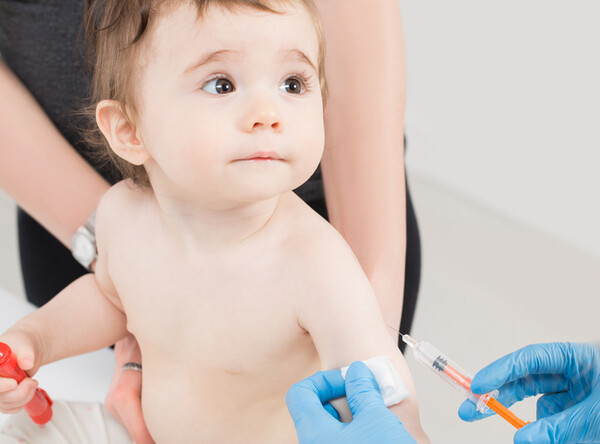
4. How Pediatric Pneumonia Is Diagnosed at the Clinic
Doctors diagnose pediatric pneumonia by combining your child’s symptoms, physical exam, and test results.
1) Medical History, Physical Exam, and Chest Listening
The doctor will ask about:
- How long the fever has lasted
- What the cough sounds like (dry, phlegmy, barking, etc.)
- When the shortness of breath started
- How much your child is eating and drinking
- How often your child is urinating
Then the doctor will:
- Listen to your child’s chest with a stethoscope
- Check for crackles (little popping sounds) or abnormal breath sounds
- Count the breathing rate and observe the chest and belly movement
- Look for signs of cyanosis (bluish discoloration)
2) Oxygen Saturation (SpO₂)
A small device on your child’s finger measures oxygen saturation in the blood.
- Higher numbers are better (in many healthy children, mid-to-high 90s are typical)
- If the oxygen level is significantly low, the doctor will suspect low blood oxygen (hypoxemia) and may recommend more intensive monitoring or treatment
3) Chest X-ray for Pediatric Pneumonia
A chest X-ray is often ordered when:
- High fever and cough persist
- The physical exam alone is not clear enough
- The doctor is deciding whether hospital admission is needed
On X-ray:
- A localized cloudy area in one lung often suggests bacterial pneumonia
- A more diffuse pattern in both lungs may suggest viral or Mycoplasma pneumonia
However, X-ray images must be interpreted by a trained physician and can’t be used alone to determine severity or rule pneumonia in or out with absolute certainty.
4) Blood Tests and Viral Testing
Depending on the situation, the doctor may order:
- Blood tests to look at white blood cell count and inflammation markers (like CRP)
- Viral tests (PCR) for flu, RSV, COVID-19, and other respiratory viruses
- Sputum (phlegm) cultures in more severe or hospitalized cases
These tests help your child’s healthcare provider decide whether antibiotics are needed and what level of care is safest.
5. Treatment Options for Pediatric Pneumonia and How to Care for Your Child at Home
Treatment for pediatric pneumonia depends on:
- The cause (viral vs. bacterial)
- Your child’s age and overall health
- How severe the symptoms are
- Whether there are any underlying medical conditions
1) When Are Antibiotics Needed?
Bacterial pneumonia
- Often requires antibiotics
- Many guidelines recommend amoxicillin or similar antibiotics as first-line treatment for uncomplicated bacterial pneumonia in otherwise healthy children
Viral pneumonia
- Antibiotics do not treat viruses
- The focus is on supportive care: fever control, hydration, and oxygen support if needed
Mycoplasma pneumonia
- Often treated with macrolide antibiotics (such as azithromycin) in certain age groups
- Because of antibiotic resistance, doctors weigh the benefits and risks carefully before prescribing
The exact choice of antibiotic, dose, and duration must always be decided by a pediatrician who knows your child’s condition.
2) When Is Hospitalization Necessary?
Many children with mild pneumonia can safely recover at home with medicine and close observation.
Hospitalization may be considered when:
- Oxygen saturation is low
- Your child is too short of breath to drink enough fluids, raising concern for dehydration
- Severe chest retractions, cyanosis, or changes in consciousness are present
- Very young infants (especially under 3 months) have high fever and breathing difficulty
- Your child has heart disease, chronic lung disease, or immune problems
- It is difficult to monitor or care for the child adequately at home
3) What to Watch at Home During Treatment
If your child has started antibiotics and is resting at home, focus on these checkpoints:
Breathing
- Is the breathing gradually becoming slower and less strained?
- Are nighttime awakenings from shortness of breath becoming less frequent?
Fever
- Is the fever slowly coming down within 2–3 days after starting antibiotics?
- Do you need fever medicine less often than before?
Hydration and urine output
- Is your child drinking more and having a normal number of wet diapers or trips to the bathroom?
- Do their lips look moist rather than dry and cracked?
Energy and mood
- Is your child’s face brighter, with more interest in toys or favorite shows?
- Do they seem more alert and interactive, instead of staring blankly at the TV?
If your child seems to improve and then suddenly develops a new high fever, worsening cough, or more labored breathing, contact your pediatrician again or seek urgent care.
6. How to Prevent Pediatric Pneumonia: Everyday Habits That Help
Once a child has had pneumonia, many parents understandably worry:
“Is my child going to get pneumonia again?”
Nothing can guarantee 100% prevention, but multiple studies show that certain steps significantly reduce the risk and severity of pediatric pneumonia.
1) Vaccines You Should Not Skip
- Pneumococcal vaccine (PCV)
- In many countries, this vaccine has led to a notable drop in severe pneumococcal pneumonia, bloodstream infections, and meningitis in children.
- Hib (Haemophilus influenzae type b) vaccine
- Protects against serious bacterial infections, including some forms of pneumonia and meningitis.
- Seasonal influenza (flu) vaccine
- Reduces the chance of flu-related pneumonia and secondary bacterial pneumonia after the flu.
Following your country’s recommended childhood immunization schedule and completing all doses on time is one of the most effective ways to protect your child from serious lung infections.
2) Five Simple Habits You Can Start at Home Today
- Make your home completely smoke-free
- Secondhand smoke inside the home is closely linked to more frequent and more severe respiratory infections, including pneumonia, bronchitis, and asthma flares.
- Even “only on the balcony” smoke can drift indoors. The safest goal is no smoking at all inside or near the home.
- Teach handwashing and cough etiquette
- Practice washing hands with soap and water for at least 20–30 seconds after coming home, after using the bathroom, and before eating.
- Show your child how to cough or sneeze into their elbow, not their hands, and turn it into a fun routine.
- Improve indoor air quality and ventilation
- On days when outdoor air quality is reasonable, open windows 2–3 times a day for about 10 minutes.
- Use a kitchen hood while cooking and limit heavy use of scented candles, incense, or strong air fresheners.
- Offer balanced meals and enough fluids
- Help your child eat a variety of foods: vegetables, fruits, and protein sources like meat, fish, eggs, and beans.
- Encourage frequent small amounts of water or fluids to prevent dehydration and support overall health.
- Return to daycare or school gradually
- After pneumonia, give your child time to recover fully.
- Ideally, wait until your child has been fever-free for at least 24 hours, breathing comfortably, and eating and drinking well before sending them back to daycare or school.

7. Key Takeaways for Parents
Here are the main points to remember about pediatric pneumonia:
- Pediatric pneumonia is an infection in the lungs, deeper than a typical cold.
- High fever lasting more than 3 days, fast or labored breathing, chest retractions, and a limp, unusually tired appearance can all be warning signs of early pneumonia.
- Doctors diagnose pediatric pneumonia using your child’s symptoms, a physical exam, oxygen saturation, and, when needed, chest X-rays and blood tests.
- Bacterial pneumonia often requires antibiotics; viral pneumonia is treated mainly with supportive care. Severe breathing problems or low oxygen may require hospital treatment.
- Vaccinations (pneumococcal, Hib, flu), a smoke-free home, good hand hygiene, decent ventilation, balanced nutrition, and proper rest all play a big role in preventing pneumonia or reducing its severity.
When parents understand the basic red flags and early symptoms, it becomes much easier to think,
“Maybe we should get this checked sooner,” instead of waiting and worrying at home.
If you’re currently wondering whether your child has “just a cold” or something more, the safest next step is to have your child examined by a pediatrician.
A timely visit can bring clarity, prevent complications, and give you peace of mind.
Important Note
This information is intended to help you better understand health-related topics and pediatric pneumonia in general.
It does not replace a medical evaluation, diagnosis, or treatment plan from a qualified healthcare professional.
For an accurate assessment of your child’s symptoms or condition, please seek care from a licensed medical provider.






최근댓글