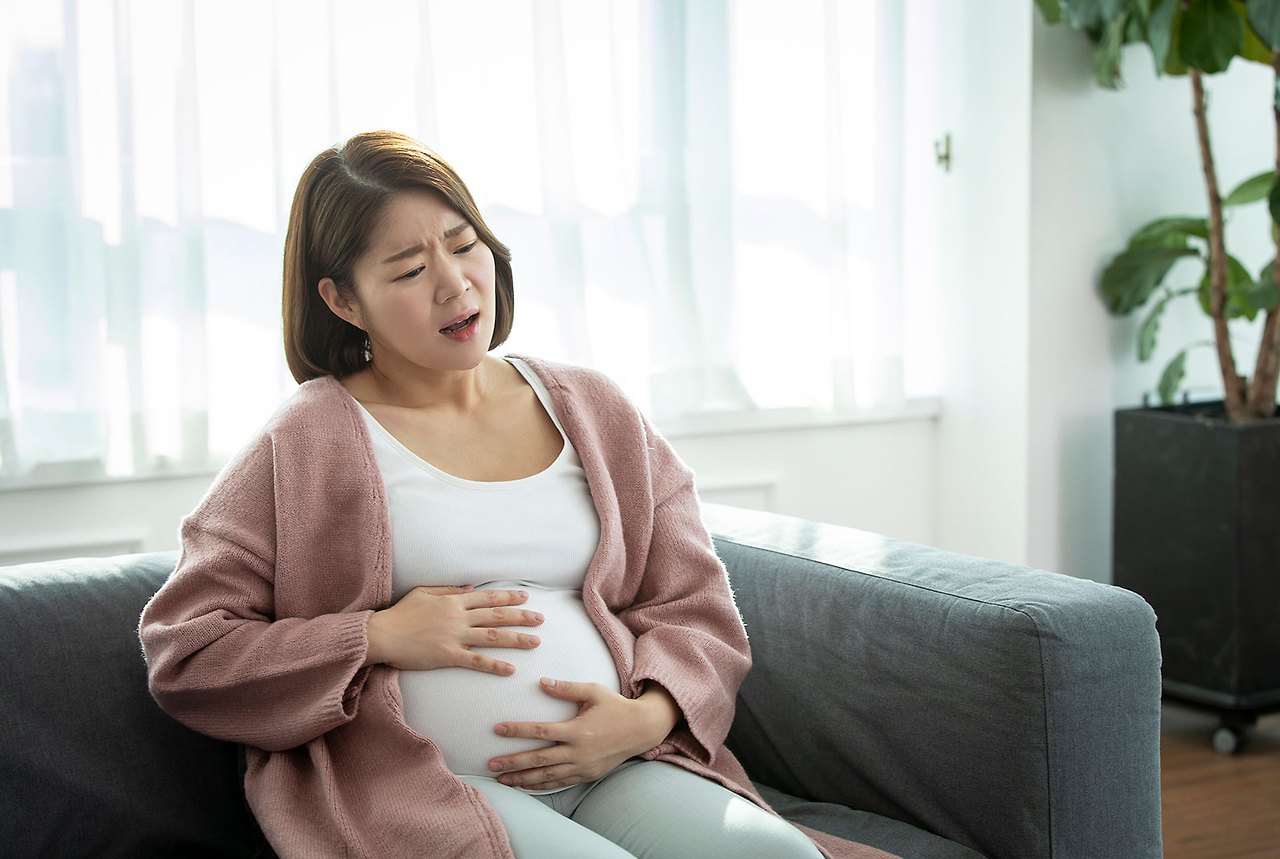
0. Introduction|“My blood pressure is a bit high… is that okay?”
At routine prenatal visits, many pregnant women hear comments like:
“Your blood pressure is a little high today.”
“You’re a bit more swollen than usual.”
In that moment, the same question usually pops up:
“Is my baby and I still okay?”
Preeclampsia (often called pregnancy toxemia or pregnancy-induced hypertension) is a complication in which blood pressure rises during pregnancy and the strain affects various organs throughout the body.
If you can recognize the signs of preeclampsia early and know when it’s time to call your doctor or go to the hospital, you can protect both yourself and your baby much more safely.
In this post, I’ll keep the medical jargon to a minimum and walk you through:
- What actually causes preeclampsia
- Which early symptoms are real red flags
- How doctors use preeclampsia diagnostic criteria and tests
- What treatment, monitoring, and prevention usually look like in real life
👉 This guide is especially for you if you’ve been told your blood pressure is “a bit high” or your swelling is getting worse, and you’re wondering,
“Could this be preeclampsia?”

1. What Is Preeclampsia?
In one sentence: “A whole-body blood vessel disease that occurs during pregnancy”
Let’s start with the terminology.
In the past, the condition was often called “pregnancy toxemia”.
These days, the medical term “preeclampsia” is more commonly used.
For most readers, you can think of preeclampsia = pregnancy toxemia in everyday language.
1) An easy way to understand preeclampsia
Preeclampsia typically means:
- It develops after 20 weeks of pregnancy, and
- Blood pressure is 140/90 mmHg or higher, and
- There is protein in the urine, or
- There are abnormal findings in major organs like the liver, kidneys, brain, or lungs
So it’s not just “a bit of high blood pressure.”
It’s easier to think of it as:
“A condition where pregnancy puts serious stress on the blood vessels and organs throughout the mother’s body.”
2) Why is it dangerous?
The exact cause of preeclampsia isn’t 100% clear yet.
However, many studies point to problems with how the placental blood vessels develop and anchor in early pregnancy. When this process goes wrong, it puts strain on the mother’s entire circulatory system.
As a result:
- For the mother, there is a higher risk of
brain hemorrhage, seizures (eclampsia), pulmonary edema, liver damage, and kidney dysfunction - For the baby, the risks of
growth restriction, low birth weight, preterm birth, and even fetal death increase
Because of this, preeclampsia is not just a mild discomfort of pregnancy.
It’s a condition that must be evaluated and managed according to clear diagnostic criteria and guidelines.
2. When Should You Suspect Preeclampsia?
Early Symptoms and Warning Signs
The tricky part is that early preeclampsia symptoms often feel like the typical discomforts of pregnancy.
That’s exactly why you need to pay a little closer attention.
1) Common early symptoms of preeclampsia
If the following symptoms suddenly appear or worsen over a short period of time, it may be an early sign of preeclampsia:
- Significant swelling (edema) in the hands, feet, ankles, or face that feels “puffy and tight”
- A rapid weight gain of about 1 kg (2–3 lbs) or more in a week
- A persistent headache that doesn’t go away easily with rest
- Visual changes, such as flashing lights, sparkles, or blurred vision
- Upper abdominal pain, especially sharp or stabbing pain in the upper right side under the ribs
- Shortness of breath, or feeling unusually winded going up a few stairs
Of course, having one of these symptoms doesn’t automatically mean you have preeclampsia.
However, if several symptoms occur together or get markedly worse quite suddenly, it’s important to let your obstetrician know.
2) “Pregnancy is supposed to be uncomfortable” vs “This is a ‘call the doctor’ moment”
The line between normal pregnancy discomfort and something more serious can be confusing.
In general, you should contact your doctor or hospital without delay if:
- Your home blood pressure readings are 140/90 mmHg or higher repeatedly
- Your face and hands are very swollen even in the morning and the swelling doesn’t go down throughout the day
- You develop a new or different type of headache that lasts for several hours or more
- You see flashing lights, spots, or sudden narrowing/blurred vision
- You feel so short of breath that it is hard to lie flat comfortably
- You keep feeling that your baby’s movements (kicks) have clearly decreased compared to usual
👉 If it’s hard to memorize all the numbers and criteria, remember this simple rule of thumb:
“If it feels clearly different from my usual pregnancy discomfort, and it got worse suddenly,”
then it may be an early warning sign of preeclampsia and deserves prompt attention.
3. How Is Preeclampsia Diagnosed?
What Doctors Look At: Criteria and Tests
When preeclampsia is suspected, your medical team will look at blood pressure, urine tests, blood tests, and your baby’s condition together to see whether you meet the diagnostic criteria for preeclampsia.
1) Basic evaluations for suspected preeclampsia
a. Blood pressure measurement
- Blood pressure is checked multiple times at set intervals
- If it repeatedly measures 140/90 mmHg or higher, preeclampsia becomes a significant concern
b. Urine test (proteinuria)
- A dipstick test is usually done first to check for protein in the urine
- If needed, you may be asked to collect urine over 24 hours for a more accurate measurement of total protein
c. Blood tests
- Platelet count – to see if platelets are low
- Liver enzymes (AST, ALT) – to check liver function
- Creatinine – to assess kidney function
- Additional tests may be done to look at your overall organ function and blood clotting status
2) Evaluating the baby’s condition
- An ultrasound is used to check your baby’s growth, amniotic fluid volume, and placental condition
- A fetal heart rate monitor (CTG) assesses how stressed your baby might be inside the womb
Your medical team puts all of this information together to decide:
- Whether your condition can be monitored safely as an outpatient,
- Or whether hospitalization is needed because of severe preeclampsia, and
- When and how to plan delivery—whether to wait, induce labor, or recommend a cesarean section
4. Treatment and Management of Preeclampsia
How Do Doctors Decide When to Deliver?
The most important principle in treating preeclampsia is this:
“At what point is delivering the baby safer than continuing the pregnancy?”
Your medical team constantly balances the safety of both mother and baby.
1) Management of mild preeclampsia
If you’ve been diagnosed with preeclampsia but:
- Your blood pressure is elevated but not dangerously high,
- There is no severe organ damage, and
- Your baby’s condition is relatively stable,
then management typically includes:
- Frequent check-ups at the clinic or short-term hospitalization for closer monitoring
- Home blood pressure monitoring and keeping a record of your readings
- Watching for new or worsening symptoms such as headaches, swelling, or visual changes
- Regular follow-up with urine tests, blood tests, and fetal monitoring
Depending on how things progress, many patients are scheduled for delivery around 34–37 weeks of pregnancy, but the exact timing varies from person to person.
2) When severe preeclampsia or eclampsia is suspected
The following situations are often treated as severe preeclampsia and usually require more intensive treatment and hospitalization:
- Blood pressure persistently 160/110 mmHg or higher
- Liver or kidney function worsening rapidly
- Signs of pulmonary edema (fluid in the lungs) with severe shortness of breath
- Marked visual disturbances, severe persistent headache, or changes in consciousness
In these cases, doctors may:
- Use medications to lower blood pressure quickly
- Give magnesium sulfate to help prevent seizures (eclampsia)
- Admit you to the hospital for continuous monitoring
- Consider early delivery (induction or cesarean section) depending on the mother’s and baby’s condition
The core idea is this:
Treatment for preeclampsia is not about “holding on for a few more days no matter what.”
It’s about constantly asking,
“Is it safer to deliver now, or is it still safe to continue the pregnancy a little longer?”
and making that decision together with your medical team.
5. Can Preeclampsia Be Prevented?
Lifestyle Habits and High-Risk Pregnancy Management
There is currently no way to completely guarantee prevention of preeclampsia.
However, recent research suggests that in certain high-risk pregnancies, taking low-dose aspirin under medical supervision may help reduce the risk.
(Any medication, including aspirin, should only be started after discussing it with your doctor.)
Here, we’ll focus on what you can actually do in your daily life.
1) Am I in a high-risk group for preeclampsia?
If any of the following apply to you, it’s a good idea to discuss preeclampsia risk with your provider early in pregnancy:
- You had preeclampsia in a previous pregnancy
- You have pre-existing high blood pressure, kidney disease, diabetes, or autoimmune conditions
- You are pregnant with twins or multiples
- You are 40 years of age or older
- You have obesity, metabolic syndrome, or smoke heavily
Being high-risk does not mean you will definitely develop preeclampsia.
It simply means that more frequent and careful monitoring can make a big difference in safety.
2) Five practical tips you can start using right now
① Create a home blood pressure routine
- Measure your blood pressure at set times, such as morning and evening
- Write down the readings in a notebook or tracking app
- This makes it much easier to spot any sudden upward trend and catch early signs of preeclampsia
② Check swelling and weight together
- Take a quick look each day at how swollen your ankles, hands, and face look
- Watch for any sudden jumps in weight over a short period, like a few pounds in a week
③ Cut back on salty and highly processed foods
- Instant noodles, processed meats (ham, sausage), fast food, and salty soups can all push your blood pressure higher
- When possible, try to choose home-cooked meals and a diet centered on vegetables and lean protein
④ Choose gentle, regular movement over intense workouts
- Avoid exercise that leaves you gasping for breath
- Instead, aim for regular walking and light stretching as tolerated and approved by your doctor
⑤ Bring a “question list” to your prenatal visits
Before your appointment, jot down questions like:
- “My home blood pressure has been around 135/85. Is that okay in my case?”
- “My headaches and swelling have gotten worse recently. Could it be related to preeclampsia?”
A simple list like this helps you get the most out of even a short visit and ensures your main concerns are clearly addressed.
6. When You Should Call or Go to the Hospital Today
One of the hardest parts for many pregnant women is deciding,
“Is this serious enough to go in today, or can it wait until my next appointment?”
The symptoms below are considered urgent warning signs and usually warrant same-day evaluation or a visit to the emergency department:
- Blood pressure readings of 160/110 mmHg or higher, repeatedly
- A severe headache that does not improve with rest or usual pain relievers and lasts for several hours
- Sudden visual changes, such as flashing lights, bright spots, or sudden blurred/narrowed vision
- Shortness of breath so bad that it is hard to lie flat or speak comfortably
- Persistent, severe pain in the upper right abdomen (liver area)
- Seizures or any loss of consciousness
- A noticeable and persistent decrease in baby’s movements compared to your usual pattern
In these situations, it is much safer to think:
“I should call the hospital now and ask what to do,”
rather than,
“Maybe I’ll just wait and see how it is tomorrow.”

Final Thoughts|Knowledge and Preparedness Are Powerful
Hearing the word “preeclampsia” understandably causes fear and anxiety for many expectant mothers.
But it’s important to remember:
- When you know the early signs and danger signals,
- When you keep an eye on your blood pressure, swelling, and weight,
- When you stay up to date on your prenatal visits, and
- When you discuss prevention and management strategies with your healthcare team when needed,
preeclampsia becomes a condition that can often be managed with much less risk.
Quick recap of the key points
- After 20 weeks of pregnancy, if your blood pressure is 140/90 or higher and there is protein in the urine or organ involvement,
→ Preeclampsia should be carefully evaluated. - If your hands, feet, or face suddenly become very swollen, and you develop headaches, visual changes, or upper abdominal pain,
→ These may be early symptoms of preeclampsia. - The goal of treatment is not simply to “hold on longer,” but to decide
→ “When and how is it safest for both mother and baby to deliver?” - Tracking your blood pressure, swelling, and weight at home and reporting concerning changes promptly
→ Plays a major role in preventing complications and catching preeclampsia early.
My hope is that this post helps shift your feelings from vague fear about preeclampsia to clear, informed awareness of what to watch for and how to act.
Paying close attention to your body throughout pregnancy is not being overly anxious—
it’s one of the kindest and most protective things you can do for your baby and for yourself.
Important Medical Disclaimer
This article is intended for general information and education only.
It cannot replace a personal consultation, diagnosis, or treatment plan from a qualified healthcare professional.
If you have any symptoms or concerns that might suggest preeclampsia or any other health problem,
please seek evaluation and medical advice from your doctor or another licensed healthcare provider.






최근댓글