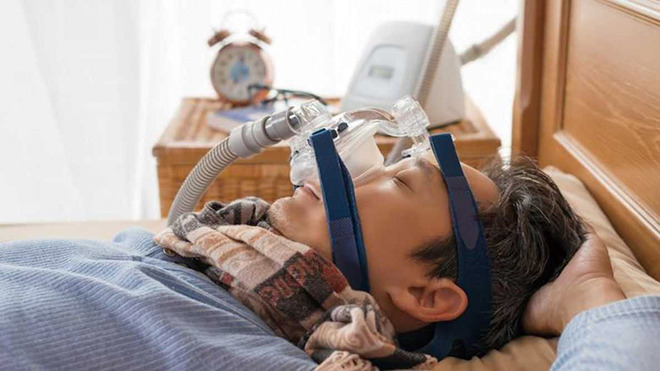
1. “I Thought It Was Just Snoring” – The Sleep Apnea Many People Miss
“I suddenly realized everything went quiet while my partner was sleeping, and it felt like they stopped breathing.”
“I wake up with a heavy head, and I’m so sleepy all day long.”
You’ve probably heard something like this at least once.
Many people brush it off as “just snoring,” but in a lot of cases it’s actually sleep apnea.
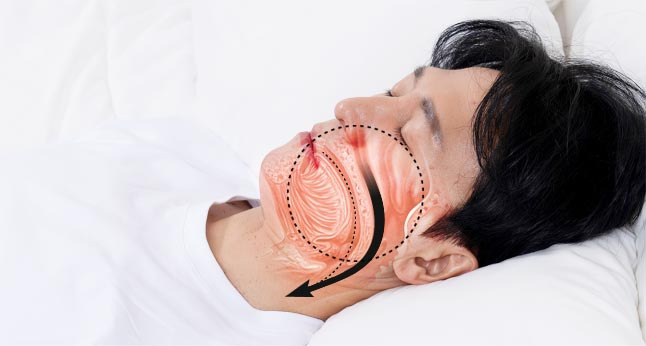
Sleep apnea is a condition where your breathing stops for 10 seconds or longer, or becomes extremely shallow, multiple times while you sleep.
This isn’t just a “sleep quirk.” It’s a chronic medical condition that can:
- Raise your blood pressure
- Put stress on your heart and blood vessels
- Increase the risk of complications like stroke and heart attack
Sleep apnea is especially common in people over 40, those who are overweight, or those with loud, long-standing snoring.
On the outside, it might look like you’re just “tired from life,” but inside, your body may be going through repeated oxygen shortages every night.
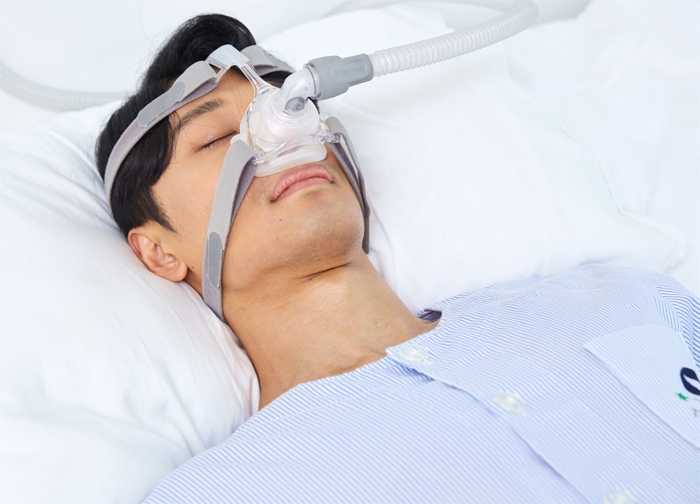
2. Why Do I Have Sleep Apnea? Common Causes
There’s rarely just one single cause of sleep apnea.
Most people have several factors overlapping. Let’s break down the main sleep apnea causes in simple terms.
1) Obesity and Neck Circumference
One of the most common causes is excess weight.
When you gain weight, fat doesn’t just build up on your belly. It can also accumulate around your neck.
This extra tissue narrows your airway, so when you lie down and fall asleep, your airway can collapse more easily and lead to sleep apnea.
If you have:
- A larger belly
- A thick neck
- And loud, chronic snoring
then obesity and sleep apnea are likely closely connected in your case.
2) Jaw and Throat Structure, Tonsils, and Adenoids
Some people are born with a smaller jaw or a lower jaw that sits slightly backward.
This can make the space behind the tongue narrower from the start.
Enlarged tonsils or adenoids can also physically block the airway.
In children and teenagers, enlarged tonsils and adenoids are a very common cause of snoring and sleep apnea.
3) Age, Sex, and Hormonal Changes
- As we get older, muscle tone in the throat decreases, so the airway collapses more easily.
- Sleep apnea is more common in men, but women’s risk rises after menopause.
4) Nasal Problems, Alcohol, and Smoking
- Chronic nasal congestion, allergic rhinitis, or sinus issues make it hard to breathe through the nose. That pushes you toward mouth breathing, which worsens airway collapse.
- Drinking alcohol or smoking before bed further relaxes the throat muscles and can make sleep apnea symptoms worse.
5) Family History
If your parents or siblings have severe snoring or have been diagnosed with sleep apnea, you may share similar body structure or facial anatomy.
That means you may share the same underlying sleep apnea causes as well.
3. Sleep Apnea Symptoms You Should Never Ignore
Many people get confused about the difference between snoring and sleep apnea.
- Snoring is the sound made when air struggles through a narrowed airway.
- Sleep apnea means your breathing actually stops or almost stops for a period of time.
Use the checklist below to see if you or someone in your family may have sleep apnea symptoms.
✅ Nighttime Symptoms
- Loud, long-lasting snoring
- Periods where snoring suddenly stops and everything goes quiet, followed by a choking or gasping sound
- Frequent tossing and turning or waking up multiple times at night
- Waking up with a dry mouth or sore, scratchy throat
✅ Morning and Daytime Symptoms
- Waking up unrefreshed, even after a “full night’s sleep”
- Morning headaches or heavy, foggy feeling in the head
- Feeling very sleepy during the day, especially during meetings or while driving
- Feeling like your concentration and memory are getting worse
- Rising blood pressure or high blood pressure that’s hard to control
- Gradual weight gain and increasing abdominal fat
If several of these sleep apnea symptoms apply to you, it may be more than just “light sleep” or “stress.”
For people with a history of high blood pressure, diabetes, heart disease, or stroke in the family, checking for sleep apnea is especially important to reduce long-term complications.
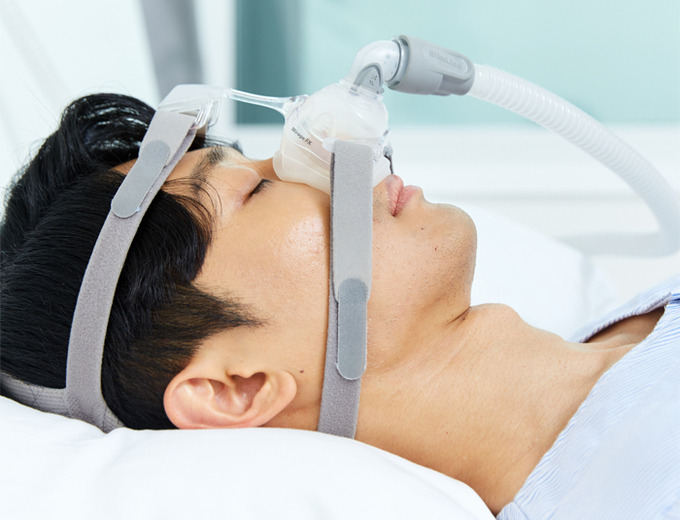
4. How a Sleep Study (Polysomnography) Confirms Sleep Apnea
You may be wondering:
“How do I know if it’s really sleep apnea and not just tiredness?”
This is where a sleep study (polysomnography) comes in. It’s the gold standard test for diagnosing sleep apnea.
What Happens During a Sleep Study?
A sleep study is usually done overnight at a hospital or sleep center.
You spend one night there while various measurements are recorded.
Sensors are placed to monitor:
- Brain waves (EEG)
- Eye movements
- Jaw and leg muscle activity
- Heart rhythm (ECG)
- Breathing patterns and airflow
- Oxygen saturation levels
- Snoring sounds
- Sleep position (back, side, stomach)
All of this is recorded while you sleep naturally.
AHI – The Key Number in Sleep Apnea Testing
One of the main numbers you’ll see in your results is the AHI (Apnea–Hypopnea Index).
This shows how many times per hour your breathing stops (apnea) or becomes very shallow (hypopnea).
- AHI under 5: Normal range
- AHI 5–15: Mild sleep apnea
- AHI 15–30: Moderate sleep apnea
- AHI 30 or more: Severe sleep apnea
The higher the AHI, the higher the risk of sleep apnea symptoms and sleep apnea complications such as heart and vascular problems.
Doctors will also look at:
- How low your oxygen levels dropped
- How often you woke up or briefly aroused from sleep
- Which positions made your sleep apnea worse
All of this helps them recommend the best sleep apnea treatment plan for you.
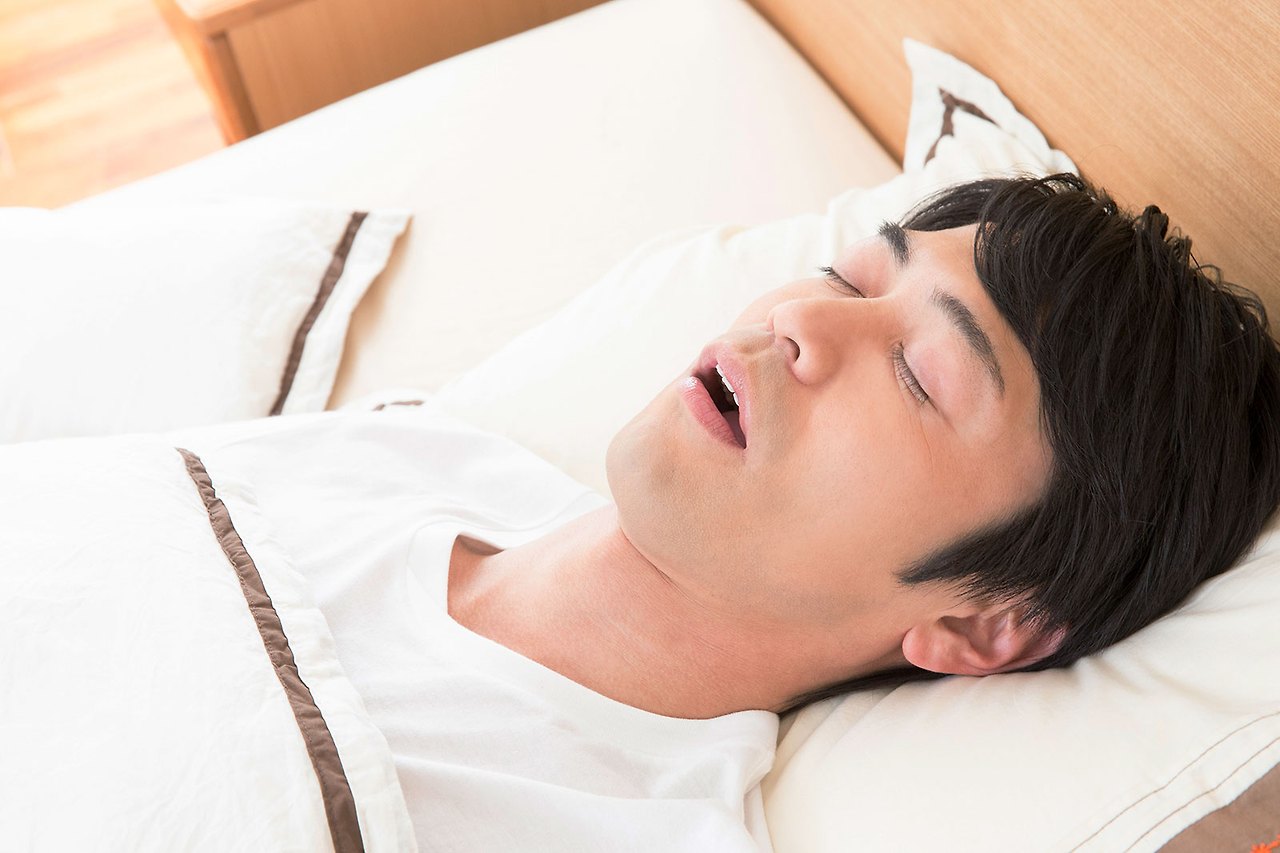
5. Sleep Apnea Treatment Options: Finding What Works for You
Sleep apnea treatment is not one-size-fits-all.
The right approach depends on your AHI, anatomy, lifestyle, and other health conditions.
The key is finding the right combination for your situation.
1) CPAP Therapy – The Gold Standard for Moderate to Severe Sleep Apnea
For moderate to severe sleep apnea, the most widely used treatment is CPAP therapy (Continuous Positive Airway Pressure).
- You wear a mask over your nose, or nose and mouth, while you sleep.
- The CPAP machine gently blows air to keep your airway from collapsing.
When used consistently, CPAP can:
- Reduce snoring and breathing pauses
- Help restore deeper, more restorative sleep
Research shows that people with sleep apnea who use CPAP regularly tend to have fewer heart-related events and may have lower mortality compared to those who don’t use it.
Of course, results vary from person to person, and long-term benefit relies heavily on how regularly you use the CPAP.
2) Oral Appliance (Mouthpiece)
A custom-made oral appliance from a dentist or sleep specialist can be a good option in some cases.
- It slightly moves the lower jaw forward
- This opens up more space in the airway behind the tongue
This can be useful for:
- Mild to moderate sleep apnea
- People who struggle with CPAP or cannot tolerate it well
3) Surgery for Sleep Apnea
Surgery may be considered when:
- Tonsils are very large
- Nasal structures are severely deviated or narrowed
- Jaw or facial bone structure leads to a very narrow airway
In those cases, sleep apnea surgery can improve the airway structure.
However, surgery alone is rarely a complete cure. Many people still need lifestyle changes and sometimes CPAP afterward.
4) Lifestyle Changes – The Foundation of Every Treatment Plan
No matter which sleep apnea treatment you choose, lifestyle plays a huge role.
Without changing daily habits, any medical treatment will have limited effect.
Let’s look at specific changes you can start right away.
ㅁ
6. Five Practical Tips You Can Start at Home
A big part of sleep apnea causes is tied to everyday habits.
These sleep apnea self-care tips can reduce sleep apnea symptoms and improve overall sleep quality.
1) Aim to Lose 5–10% of Your Body Weight
You don’t need a dramatic transformation overnight.
Just tell yourself, “Let me try losing 5–10% of my current weight.”
You can start with small steps:
- Reduce your dinner portion by 20–30%
- Cut back on sugary drinks and late-night snacks
- Add a 30-minute walk to your daily routine
Even modest weight loss can reduce neck and belly fat, which may significantly improve sleep apnea in many people.
2) Avoid Heavy Meals and Alcohol Before Bed
Alcohol relaxes the throat muscles and can worsen both snoring and sleep apnea.
- Try not to drink alcohol or eat heavy meals within 3 hours of bedtime.
- If you do drink on certain days, be extra mindful of your sleep position (sleeping on your side helps).
These small changes alone can make breathing at night feel easier.
3) Practice Sleeping on Your Side
For many people, sleep apnea symptoms are worse when lying flat on the back.
- Try placing a small pillow or cushion behind your back to keep you from rolling onto your back.
- Notice whether breathing feels easier and awakenings become less frequent when you sleep on your side.
Over time, this can become a natural habit.
4) Take Care of Your Nasal Health
When your nose is constantly stuffed, you automatically start breathing through your mouth.
Mouth breathing makes it easier for the airway to collapse and worsen sleep apnea.
- If you have chronic allergies or sinus issues, get them evaluated and treated.
- Use a humidifier or saline nasal spray to reduce dryness and irritation, especially in winter or in dry environments.
A clear nose often means quieter, smoother breathing at night.
5) Cut Back on Screens and Caffeine Before Bed
To restore your body overnight, you need deep, uninterrupted sleep.
But scrolling on your phone until the moment you fall asleep, or drinking coffee and energy drinks late in the day, makes it harder to reach deep sleep.
- Reduce screen time for at least 1 hour before bed
- Limit caffeine intake later in the afternoon and evening
- Try to keep a consistent sleep and wake time, even on weekends
These habits help both your sleep apnea treatment and your overall sleep quality.
7. Key Takeaways and a Final Word
We’ve covered sleep apnea causes, symptoms, testing, and treatment in a simple, step-by-step way.
Here’s a quick recap:
- Sleep apnea is not just loud snoring.
It’s a condition that can increase the risk of high blood pressure, heart disease, and stroke. - Common sleep apnea causes include:
Excess weight, jaw and throat structure, age and hormones, nasal problems, alcohol and smoking, and family history. - Repeated sleep apnea symptoms like:
- Loud snoring
- Pauses in breathing during sleep
- Morning headaches and daytime sleepiness
- Sleep apnea treatment options include:
- CPAP therapy
- Oral appliances
- Surgery in selected cases
- And, importantly, lifestyle changes
- Simple daily steps like:
- Losing 5–10% of your body weight
- Avoiding late-night alcohol and heavy meals
- Sleeping on your side
- Caring for your nasal health
- Reducing late-night screen time and caffeine
If you’ve been living with nightly snoring, constant fatigue, and the feeling that your sleep is never truly restful, it doesn’t have to stay that way.
If you recognized yourself in several of the points above, this may be the right time to:
- Go through the checklist again, and
- Talk with an ENT specialist, pulmonologist, or sleep clinic about getting a sleep study.
One careful look at your sleep today can protect your heart, brain, and quality of life for many years to come.
Medical Disclaimer
This article is for general health information and educational purposes only.
It is not a substitute for professional medical advice, diagnosis, or treatment.
If you suspect that you may have sleep apnea or any other health condition,
always consult a qualified healthcare provider for an accurate evaluation and personalized treatment plan.






최근댓글