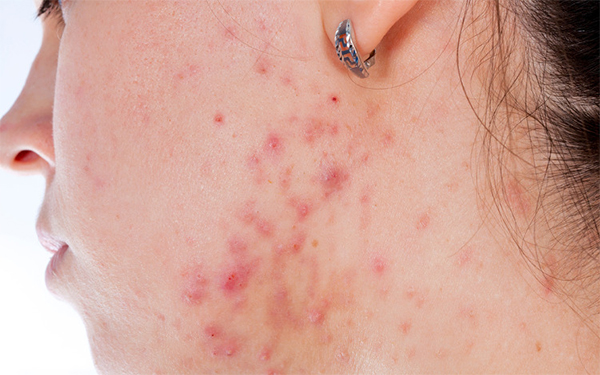
If your hands suddenly turned red and itchy after using a new dish soap,
or your earlobes started oozing and swelling every time you wore a certain pair of earrings,
you may be dealing with contact dermatitis.
Contact dermatitis is an inflammatory skin condition that develops after the skin touches a certain substance.
That substance can either irritate the skin directly or trigger an allergic reaction, leading to:
- Redness
- Itching
- Stinging or burning
- Small blisters and even oozing
There are two main types of contact dermatitis:
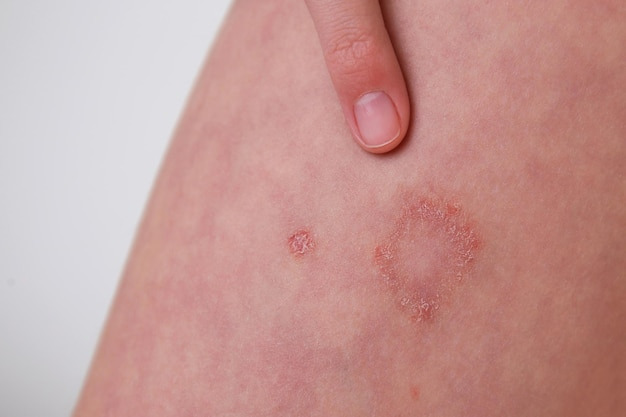
1. What Is Contact Dermatitis? A Simple Explanation
✔ Irritant Contact Dermatitis
This type is caused by substances that directly damage or irritate the skin.
Common examples include:
- Strong detergents and cleaning products
- Disinfectants and bleach
- Frequent handwashing with soap
- Cement, oils, and other industrial chemicals
Anyone can develop irritant contact dermatitis, especially on the hands.
That’s why hand contact dermatitis is so common in people who often do housework or manual work.
✔ Allergic Contact Dermatitis
Allergic contact dermatitis happens when your immune system reacts to a substance as if it were dangerous.
This can occur after repeated exposure over time.
Typical triggers include:
- Metals like nickel (in earrings, necklaces, watches, belt buckles)
- Hair dye and nail products
- Perfume, lotions, sunscreen, and other cosmetics
- Rubber or latex gloves and some rubber products
It doesn’t always show up the first time.
You might use a product for weeks or months with no issue, then one day the skin suddenly becomes red, itchy, and inflamed after contact.
At a glance, irritant and allergic contact dermatitis can look very similar,
so it’s not easy to tell them apart without a professional evaluation.
Still, they share one important message:
Your skin is reacting because something it touched made it “angry.”
2. Common Everyday Causes of Contact Dermatitis
Contact dermatitis isn’t a rare or unusual disease.
In many cases, it comes from small habits and products we use every single day.
1) Household and Workplace Irritants
These are common causes of irritant contact dermatitis:
- Strong dishwashing liquids, cleaning agents, bleach
- Frequent handwashing with soap or hand sanitizer
- Cement, oils, solvents, and other chemicals handled at work
These irritants often lead to hand contact dermatitis, where:
- Fingers and the backs of the hands crack,
- The skin becomes dry and flaky,
- Itching and burning can make simple tasks uncomfortable.
2) Accessories, Cosmetics, and Hair Dye
These are classic triggers of allergic contact dermatitis:
- Earrings, necklaces, watches, belt buckles containing metal (especially nickel)
- Hair dye, nail products, perfume, lotions, sunscreen
- Latex gloves, rubber bands, and some rubber items
If you constantly notice that:
- Your ears swell and ooze when you wear certain earrings, or
- Your face becomes red and itchy after using a specific sunscreen,
then allergic contact dermatitis should be on your radar.
3) Environmental Factors
Some environmental factors may not directly cause contact dermatitis,
but they weaken the skin barrier and make it more reactive:
- Cold wind and harsh weather
- Very dry indoor air
- Rapid temperature changes
- Wintertime heating without proper moisturizing
When the skin barrier is compromised, even small irritants can trigger contact dermatitis symptoms more easily.
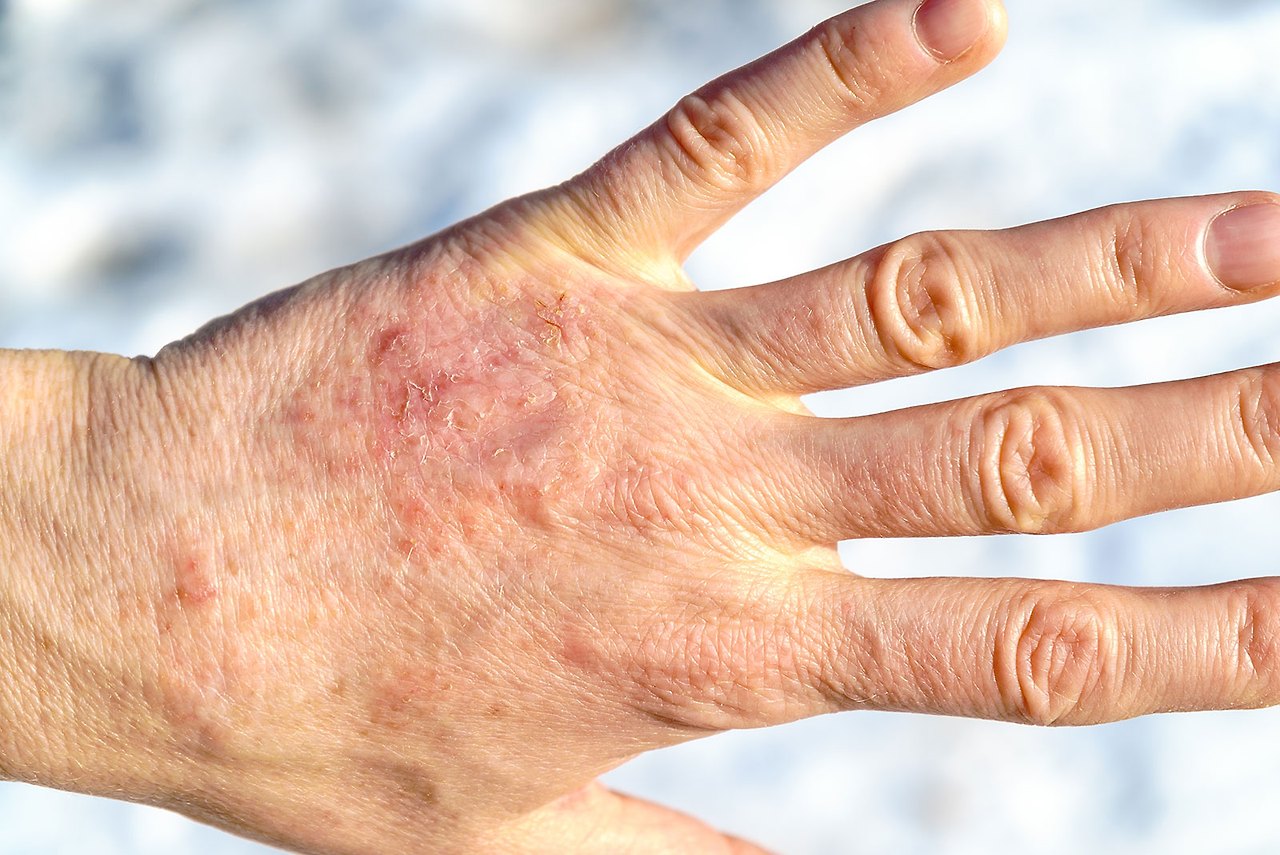
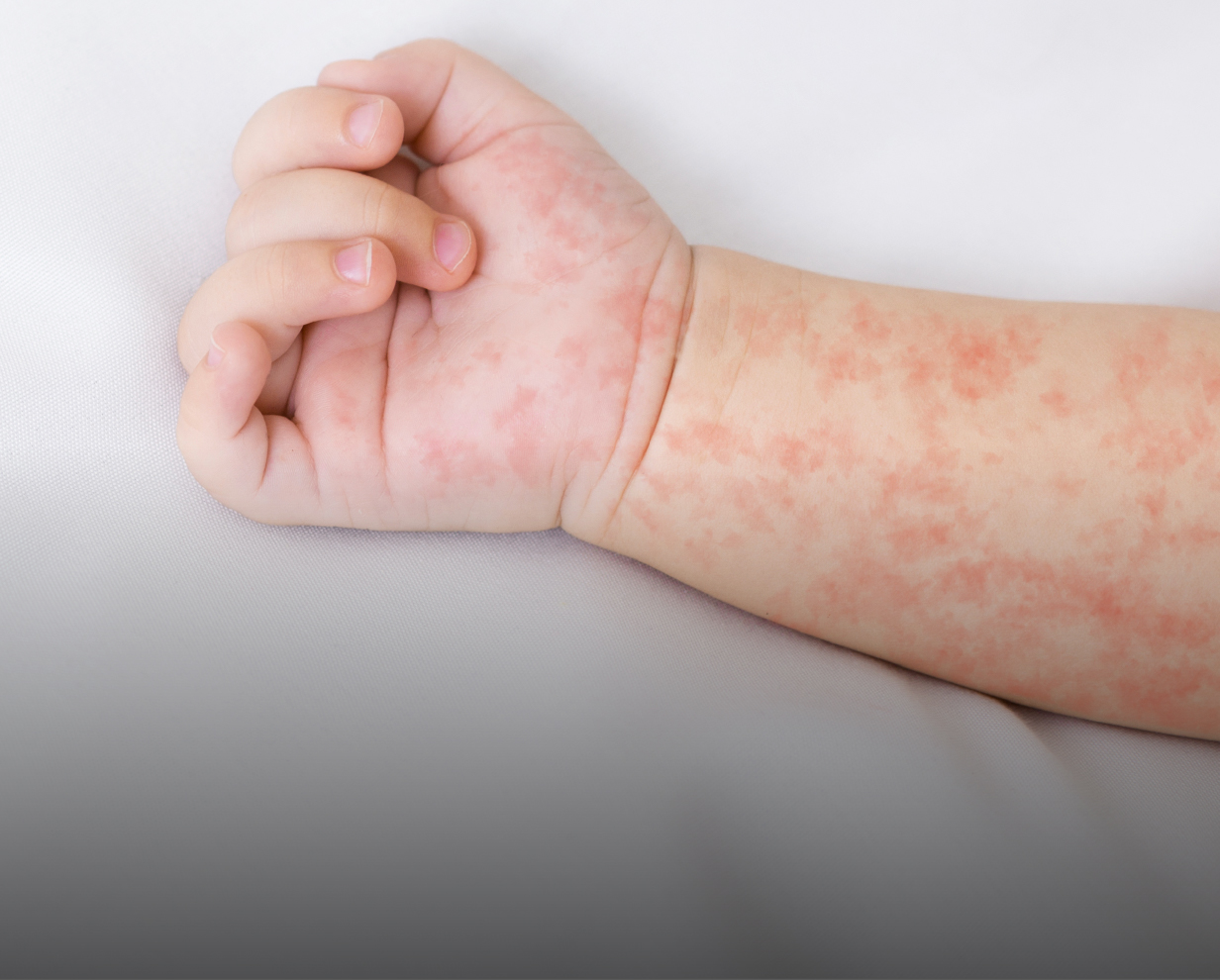
3. How Contact Dermatitis Symptoms Usually Look
One characteristic feature is that symptoms often appear exactly where the skin touched the trigger.
For example:
- Redness shows up in the shape of a watch strap
- A ring-shaped rash forms where a ring sits
- Marks appear in a line or patch where gloves or clothing contact the skin
✔ Acute (Sudden) Contact Dermatitis Symptoms
- Skin suddenly becomes red and swollen
- Small fluid-filled blisters may appear and can ooze when they break
- Intense itching, burning, or stinging pain
- Rashes often match the shape or location of the contact area
✔ Chronic (Long-Standing) Contact Dermatitis Symptoms
If you keep being exposed to the same irritant or allergen,
contact dermatitis can become chronic:
- Skin becomes thickened and rough
- Cracks form and may bleed from dryness
- There is a lot of flaking and scaling
- The affected area can look darker or discolored over time
Once it reaches this stage, simple moisturizers are often not enough,
and proper contact dermatitis treatment is usually needed to calm the skin and repair the barrier.

4. How Do Doctors Diagnose Contact Dermatitis? (Patch Testing and More)
Many people wonder:
“Is this contact dermatitis, or could it be eczema, atopic dermatitis, or something else?”
In clinic, doctors typically follow steps like these:
1) Medical History and Questions
Your doctor will ask:
- When the symptoms started and which areas are affected
- What your job and daily activities are like
- What household products, cosmetics, or chemicals you often use
- Whether your symptoms get worse after specific exposures
This helps narrow down the list of possible trigger substances.
2) Physical Examination
The doctor will look at:
- The location, shape, and size of the rash
- Whether it matches the areas that usually contact certain products
- Whether it looks more like an acute flare or a chronic, thickened rash
- Whether there are signs of secondary infection (pus, crusting, etc.)
3) Patch Testing
Patch testing is often used when allergic contact dermatitis is suspected.
- Small amounts of potential allergens (like metals, fragrances, preservatives)
are placed on special patches and applied to your back. - These patches stay in place for about 48 hours.
- After removal, the skin is checked for redness, swelling, or tiny blisters.
If your skin reacts strongly to a specific substance,
that substance is likely a key allergic contact dermatitis trigger for you.
4) Other Tests
Depending on the case, your doctor may also:
- Use your own cosmetics, gloves, or workplace materials in controlled tests
- Order bacterial or fungal tests if there is oozing, crusting, or suspicion of infection
By combining history, examination, and tests,
your provider can better understand your contact dermatitis causes and symptoms
and recommend the most appropriate treatment plan.
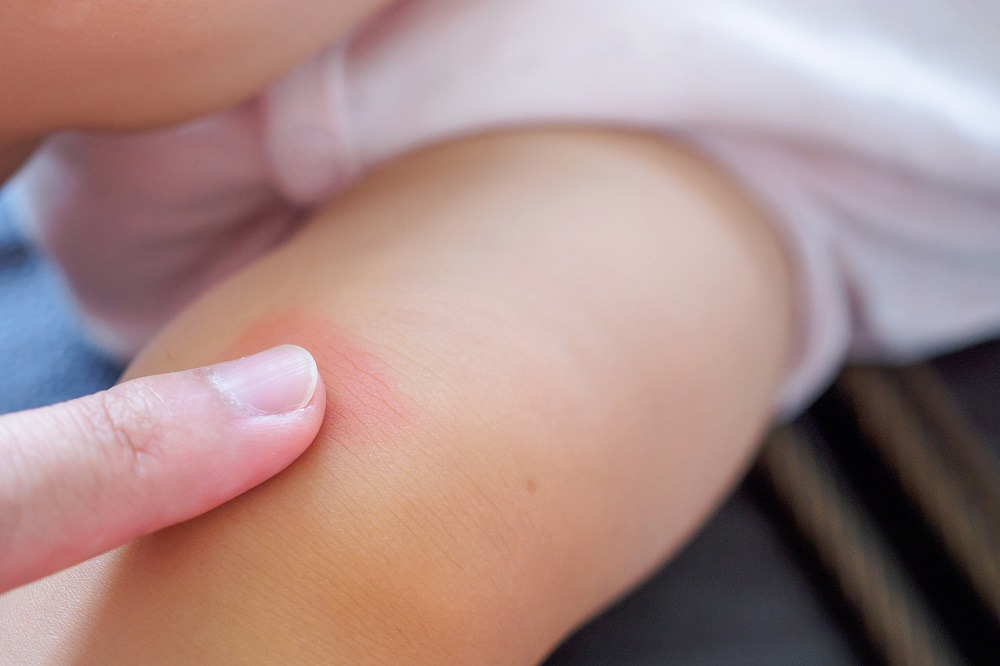
5. Treatment for Contact Dermatitis: Creams, Medication, and Daily Care
In general, contact dermatitis treatment follows four main steps:
1. Identify the trigger
2. Avoid or reduce contact with that trigger
3. Calm the inflammation
4. Repair and protect the skin barrier
1) Avoiding the Trigger
This is the foundation of treatment. Without it, rashes tend to keep coming back.
Practical steps include:
- Wearing rubber gloves over cotton liner gloves when washing dishes or cleaning
- Removing suspicious accessories (earrings, necklaces, watches, belt buckles) for a period of time
- Testing new cosmetics or hair dye on a small area first
- Using adequate protective gloves or clothing if you handle chemicals at work
Even the best creams and medications won’t work well long term
if the skin is continuously exposed to the same irritant or allergen.
2) Topical Treatment (Steroid and Non-Steroid Creams)
When the skin is very red, itchy, and inflamed,
doctors often prescribe topical steroid creams or ointments as first-line treatment.
- For delicate areas like the face, neck, and skin folds,
a lower-strength steroid or a steroid-sparing cream
(such as a calcineurin inhibitor) may be used instead.
For safe use, it’s important to:
- Apply the cream to the right area
- Use the prescribed amount
- Follow the recommended duration
Using strong steroid creams for too long or on the wrong area
can lead to side effects, so they should be used under professional guidance.
3) Oral Medications
In some cases, your doctor may recommend oral medications, especially when:
- The rash covers a large area of the body
- Itching is severe and affects sleep or daily life
These may include:
- Pills to reduce inflammation
- Antihistamines to help reduce itching and improve comfort
The exact medication depends on your overall health and symptoms,
so it should always be decided together with your healthcare provider.
4) Moisturizing and Barrier Repair
Moisturizing is not optional—it’s an essential part of contact dermatitis care.
Good habits include:
- Applying moisturizer within 3 minutes after showering
- Choosing products with simple formulas, minimal fragrance and color
- Using creams or ointments rather than very light lotions
- Reapplying moisturizer frequently, especially
after handwashing or any water/soap exposure
When the skin barrier is stronger,
you’ll experience fewer flares, and when a flare does occur,
the skin usually heals faster.
6. Preventing Recurrence: 5 Practical Habits You Can Start Today
Contact dermatitis often doesn’t end with “one episode and done.”
If the same triggers and habits continue,
the rash tends to come back again and again.
That’s why prevention is really a form of long-term treatment.
1) Don’t Let Bare Skin Touch Harsh Chemicals
- When doing dishes or cleaning, wear cotton gloves inside rubber gloves whenever possible.
- If you work with chemicals, choose protective gloves and clothing suited to your job.
2) Make “Wash + Moisturize” a Set Routine
- After washing your hands, gently pat them dry with a towel,
then apply moisturizer right away. - If you frequently struggle with hand contact dermatitis,
keep small tubes of cream at home, at work, and in your bag
so you can reapply throughout the day.
3) Watch How Your Skin Reacts to Accessories
- If the same spot turns red, itchy, and bumpy
every time you wear certain jewelry or a watch,
metal allergy (especially to nickel) could be involved. - Take a break from all accessories for a while,
then consider switching to nickel-free or hypoallergenic products.
4) Patch-Test New Cosmetics and Hair Dye
- Apply a small amount behind your ear or on the inner forearm
for 24–48 hours before full use. - If you’ve had allergic contact dermatitis in the past,
this simple habit can greatly lower your risk of another flare.
5) Keep a “Skin Diary” to Find Your Pattern
- On days when your rash is worse, jot down:
what you used, what you wore, what work or chores you did. - After a few weeks or months,
you may start to notice patterns like:
“It always gets worse after I switch dish soap” or
“My rash flares when I wear a certain pair of gloves.”
These patterns are valuable clues and become your personal prevention guide
for managing contact dermatitis more effectively.
7. Key Takeaways: What to Remember About Contact Dermatitis
Contact dermatitis is very common,
but living with red, itchy, painful skin is never “no big deal.”
The discomfort, sleep disturbance, and cosmetic concerns
can all take a toll on how you feel day to day.
Here’s a quick recap of the essentials:
What is Contact Dermatitis?
- An inflammatory reaction that occurs after the skin touches a specific substance
- Includes irritant contact dermatitis and allergic contact dermatitis
Main Causes and Symptoms
- Triggers include detergents, disinfectants, cement, metals, cosmetics, hair dye, rubber, and more
- Symptoms include redness, itching, blisters, oozing, cracking, and thickened skin in chronic cases
Treatment Approaches
- Identify and avoid the trigger as much as possible
- Use topical creams (steroids and non-steroids), oral medication if needed
- Support the skin with consistent moisturizing and barrier repair
- Consider patch testing to identify specific allergens in allergic contact dermatitis
Prevention and Lifestyle Tips
- Use gloves and protective gear appropriately
- Always moisturize after washing hands
- Patch-test new cosmetics and hair dye before full use
- Track your own triggers with a simple skin diary
Contact dermatitis is, in many ways,
your skin’s way of sending you a signal.
By paying attention to that signal and gently adjusting your habits,
you can significantly reduce flare-ups and regain comfort in your daily life.
Important Note
The information in this article is for general educational purposes only
and is not a substitute for professional medical advice, diagnosis, or treatment.
If you have persistent or severe skin symptoms,
please consult a qualified healthcare provider for an accurate evaluation and personalized care.






최근댓글