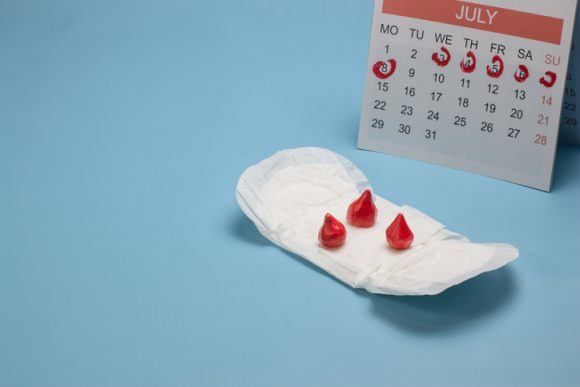
“My period is late again…” – A body signal you shouldn’t ignore
You’ve probably had thoughts like these at least once:
- “My period is late again. It’s probably just stress, right?”
- “My cycle has always been irregular, so I’ve just learned to live with it.”
A slight change in your menstrual cycle for a month or two can happen to anyone and often passes without serious problems.
But if your cycle keeps jumping around, if you go more than three months without a period, or your flow suddenly becomes much heavier or much lighter than usual, your body may be sending you an important warning sign.
From a medical point of view, a menstrual cycle is generally considered “within normal range” when:
- Cycle length: about 21–35 days
- Duration of bleeding: about 3–7 days
- Regularity: the start date does not shift by more than about 7 days from month to month
If your pattern keeps falling outside these boundaries, it can be classified as an irregular period or irregular menstrual cycle.
Irregular periods are not just about “taking a pill to make your period come.”
They can reflect changes in:
- Hormone balance
- Ovarian and uterine health
- Body weight and body fat
- Stress level and lifestyle
- Other underlying health conditions
In this post, we’ll walk through, in clear and simple language:
- What counts as an irregular period
- The main causes and symptoms you should watch for
- When you really should see a doctor
- How irregular periods are diagnosed and treated
- How irregular cycles affect your chances of getting pregnant
So you can better understand your body and know what to do next.
1. What exactly is an irregular period?
Before you decide whether your period is “irregular” or not,
you first need a basic idea of what a typical cycle looks like.
1) Normal menstrual cycle – a simple guide
While there is individual variation, doctors often use the following as a rough guideline:
- Cycle length: 21–35 days between the first day of one period and the first day of the next
- Duration: 3–7 days of bleeding
- Amount of bleeding:
- During the day, changing your pad, tampon, or menstrual cup about every 2–3 hours
- At night, usually one change is enough without heavy leakage
- Regularity:
- The start date changes, but not by more than about 7 days each month
If your pattern fits roughly within these boundaries, your period is generally considered to be within a normal range.
2) When does it count as an irregular period?
You may need to look into the underlying causes of an irregular menstrual cycle if you notice:
- Your period often comes sooner than 21 days or later than 35 days, repeatedly
- The start date shifts by 10 days or more from month to month
- Your period lasts less than 2 days or more than 8 days
- Your flow is so light you wonder, “Is this even a period?”
- Or the opposite – you need to change protection every 1–2 hours because the flow is very heavy
- You haven’t had a period at all for three months or longer (amenorrhea)
If this kind of pattern keeps repeating,
instead of thinking, “That’s just how my body is,”
it’s worth taking a step back and reviewing the causes and symptoms of irregular periods.
2. Common causes of irregular periods – explained simply
Most of the time, irregular periods are not caused by just one single factor.
Several things often overlap.
To make it easier to understand, let’s group them into a few main categories.
① Stress, dieting, and excessive exercise
This is one of the most common reasons these days.
- You suddenly start a strict diet and drastically cut your food intake
- You work out very hard, to the point that your body constantly feels exhausted
- Your stress level is very high from work, school, caregiving, or life changes
When this happens, your brain may decide,
“Right now is not a safe time to support pregnancy,”
and temporarily shut down ovulation.
As a result, your periods may keep getting delayed or even stop for a while.
This pattern is often referred to as stress- or diet-induced irregular periods and is related to what doctors call functional hypothalamic amenorrhea.
② Polycystic ovary syndrome (PCOS)
Polycystic ovary syndrome (PCOS) is another very common cause of irregular periods.
Typical signs include:
- Your cycle is very long, or you sometimes skip periods for months
- You gain weight easily or find it hard to lose weight
- Hair growth increases on areas such as the chin, chest, or lower abdomen
- Acne becomes more severe, especially on the face or back
PCOS is a condition where ovulation doesn’t occur regularly,
so your cycles become irregular or infrequent.
If PCOS is left unaddressed,
it can affect your chances of getting pregnant with an irregular cycle,
and over time, it may also be linked to blood sugar issues and metabolic health.
The good news: with a combination of weight management, dietary changes, and appropriate medication,
many people see significant improvements.
③ Thyroid and prolactin hormone problems
Your period can also be affected by hormone issues such as:
- Hypothyroidism or hyperthyroidism (underactive or overactive thyroid)
- High prolactin levels (the hormone that helps produce breast milk)
Watch for symptoms like:
- Sudden, unexplained weight gain or weight loss
- Feeling unusually cold or tired
- Constant fatigue that feels different from usual
- Discharge from the nipples even when you are not pregnant or breastfeeding
If these signs show up along with irregular periods,
a blood test to check your hormone levels can be very helpful.
④ Uterine issues: fibroids, endometrial overgrowth, and more
If you have fibroids (benign tumors), polyps,
or endometrial hyperplasia (the lining of the uterus becoming too thick), you may notice:
- Much heavier bleeding than usual
- Larger blood clots when you bleed
- Periods that last much longer than you’re used to
In this case, it’s not just a hormone fluctuation.
You may need tests such as:
- Pelvic ultrasound
- Endometrial (uterine lining) evaluation or biopsy
to understand what’s going on inside the uterus.
⑤ Medications, birth control, and devices (IUD/IUS)
Your cycle can also change when:
- You start or change birth control pills
- You have an IUD or IUS (intrauterine device or system) inserted
For the first few months, it’s not unusual to experience spotting,
irregular bleeding, or changes in your flow.
Certain medications, such as some psychiatric medications or blood-thinning drugs,
may also influence your bleeding pattern.
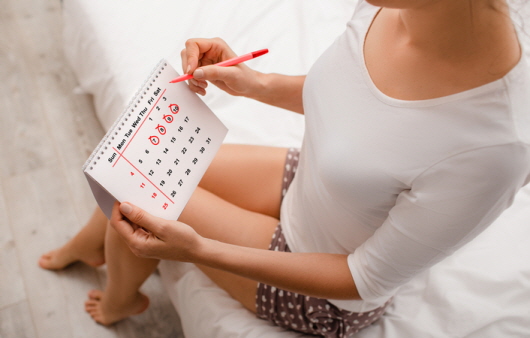
3. Irregular period red flags – when to see a doctor
If any of the following apply to you,
it’s best not to keep wondering,
“Should I go see a doctor?”
Instead, consider booking an appointment with a gynecologist.
1) No period at all for three months or longer
- If there’s a chance you could be pregnant, take a pregnancy test first.
- If you’re not pregnant, other causes to investigate include:
- Stress- or diet-related hypothalamic amenorrhea
- Polycystic ovary syndrome (PCOS)
- Thyroid or prolactin hormone problems
2) Very short or very long cycles
If your cycle is consistently:
- Shorter than 21 days, or
- Longer than 35 days,
and this pattern repeats for three or more cycles,
it may be more than a temporary fluctuation.
This can suggest ovulation problems or hormone imbalance that deserve a closer look.
3) Extremely heavy periods
You may be bleeding too heavily if:
- You need to change your pad, tampon, or cup every 1–2 hours, even during the day
- You wake up several times a night to change protection because of heavy leakage
- You feel dizzy, short of breath, or notice signs of anemia (pale skin, rapid heartbeat, fatigue)
In these cases, there may be underlying issues such as uterine fibroids, endometrial problems, or bleeding disorders.
4) Bleeding between periods or after sex
If you often notice:
- Bleeding or spotting when you’re not on your period, or
- Bleeding after sex that keeps happening,
this can be related to cervical inflammation, cervical changes, or uterine lining issues,
and should be checked by a professional.
5) Severe pain that disrupts your daily life
If you experience:
- Period pain so intense that painkillers barely help
- Severe pelvic or lower back pain that makes normal activities difficult
conditions such as endometriosis, adenomyosis, or pelvic inflammatory disease may be involved.

4. How to track your menstrual cycle at home
When it comes to treating irregular periods, the first step is recording your cycle.
At the clinic, the very first questions you’ll usually be asked are:
- When did your last period start?
- How long is your usual cycle?
- How many days does your period last?
- How heavy is the flow?
- How bad is the pain, and what other symptoms do you notice?
The more clearly you can answer these,
the easier it is for your doctor to figure out what’s going on.
1) What should you write down?
You can use a calendar, planner, or a period-tracking app.
Try to record:
- The start and end dates of each period
- Any spotting or bleeding that happens between periods
- Flow level:
- Is it heavier or lighter than usual?
- Are there more clots than before?
- Pain level:
- Rate it on a scale from 0 to 10 (for example, “today it was a 7”)
- Other symptoms:
- Headache, lower back pain, dizziness, nausea, mood changes, etc.
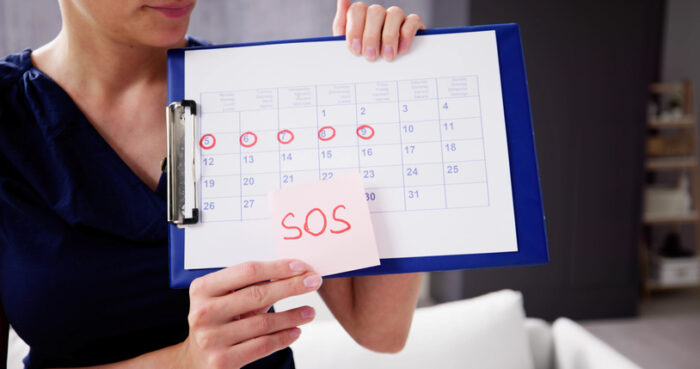
2) Aim for at least 3–6 months of data
One or two months of data often isn’t enough to see a clear pattern.
If you can, try to track your cycle for at least 3 months,
and ideally 6 months.
That way, you can look back and see:
- Whether your cycles are getting longer or shorter over time
- Whether changes in your cycle seem to start around a big event
(like starting a new diet, a stressful period at work or school, or a major life change)
This makes it much easier to connect your lifestyle with your menstrual health.
5. Treatment for irregular periods – and the lifestyle changes that matter
Irregular periods are most effectively managed when you look at both:
- The medical cause, and
- Your daily habits and lifestyle.
Rather than hoping for a single “magic pill,”
it helps to think of it as a process of finding balance in your body.
1) Common medical treatments you may hear about
Depending on the cause, your healthcare provider may suggest:
- Combined oral contraceptive pills (birth control pills)
- Help regulate hormone fluctuations
- Can make your periods more regular and sometimes lighter
- Progestin (progesterone) therapy
- Taken for specific days in your cycle
- Helps protect the uterine lining and create more regular bleeding patterns
- Hormonal intrauterine system (IUS)
- A device that releases a small amount of hormone inside the uterus
- Often used when periods are very heavy, to reduce flow over time
- Treating underlying conditions
- Adjusting thyroid medications
- Treating high prolactin levels
- Removing fibroids or polyps if needed
The key point is this:
taking hormones on your own for a long time, without knowing the cause, is not a good idea.
It’s always better to have a proper evaluation and work with a healthcare provider to choose the safest, most effective treatment for you.
2) PCOS and irregular periods
With polycystic ovary syndrome (PCOS), the main focus is on:
- Weight management (if overweight)
- Blood sugar and insulin control
- Checking whether ovulation is happening regularly
For many people with PCOS:
- Losing just 5–10% of body weight (if overweight)
can make cycles noticeably more regular. - Cutting back on sugary drinks, desserts, and fried foods
and switching to a diet rich in vegetables, lean protein, and whole grains
can help with both weight and hormone balance. - Slow, steady progress is better than rapid, extreme dieting.
3) When stress, dieting, and over-exercising are the main triggers
If your body feels like it’s constantly running on empty,
your brain may shut down ovulation to conserve energy.
Pay attention if:
- You’re eating very little
- You work out intensely almost every day
- You’re under constant stress and not sleeping well
In this case, it often helps to:
- Increase your calorie intake to a more appropriate level
- Make sure you’re getting enough healthy carbs and fats, not only protein
- Lower the intensity or frequency of workouts if they’re very intense
- Create more room for rest, relaxation, and sleep
Your body needs to feel “safe” and “well-fed” to comfortably maintain a regular cycle.
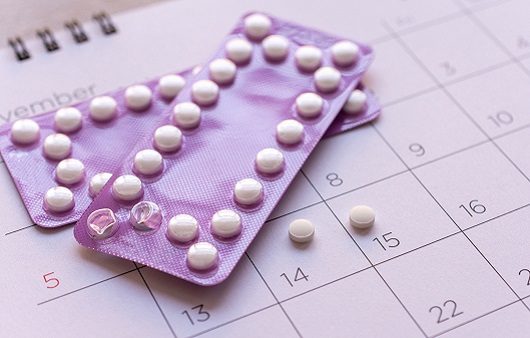
💡 5 simple lifestyle tips you can start today
These tips can support menstrual health in many different types of irregular cycles:
- Sleep: Aim for at least 7 hours of quality sleep
- Try to go to bed before midnight when possible.
- Keep your sleep and wake times fairly consistent, even on weekends.
- A stable sleep routine helps your hormone system stay more balanced.
- Meals: No extreme diets – focus on three balanced meals
- Don’t skip breakfast if you can help it.
- At each meal, include:
- Protein (eggs, tofu, fish, chicken, beans)
- Complex carbs (brown rice, oats, sweet potatoes, whole grains)
- Healthy fats (nuts, seeds, olive oil, avocado, sesame or perilla oil)
- Avoid letting yourself reach the point of being starving for long periods.
- Exercise: Consistent, not punishing
- Aim for exercise 3–5 days a week:
- 30 minutes of brisk walking, cycling, or light jogging
- Plus simple strength training (squats, planks, light weights) 2–3 times a week
- If you already exercise a lot,
reducing the intensity slightly and adding more rest days alone
can sometimes help your cycle normalize.
- Aim for exercise 3–5 days a week:
- Cut back on caffeine and alcohol
- Try to limit caffeine intake after mid-afternoon (around 3–4 p.m.)
to support better sleep and stress control. - Keep alcohol to once a week or less,
and avoid drinking to the point of getting drunk.
- Try to limit caffeine intake after mid-afternoon (around 3–4 p.m.)
- Track your period, mood, and body signals together
- Along with period dates, jot down:
- Major stress events
- Sleep duration and quality
- Whether you’re starting or changing a diet or exercise routine
- Later, this helps you see when your irregular periods started
and what might be connected.
- Along with period dates, jot down:
6. Irregular periods and pregnancy – what if you want to conceive?
When your periods are irregular,
one of the biggest concerns is often:
“Can I still get pregnant with an irregular cycle?”
If ovulation isn’t happening regularly,
your chances of getting pregnant naturally can be lower.
But that doesn’t mean pregnancy is impossible.
Especially in conditions like PCOS or functional hypothalamic amenorrhea,
many people see improvement and successful pregnancies when:
- The underlying cause is identified
- Lifestyle and weight are managed appropriately
- Medications or fertility treatments are used when needed
If you’re planning a pregnancy, it can help to:
- Track your cycle carefully for several months
- See a gynecologist or fertility specialist to check:
- Whether you’re ovulating
- Your ovarian reserve and ovarian function
- The thickness and condition of your uterine lining
- Basic blood and hormone levels
- Based on this, you may work on:
- Adjusting your diet and weight
- Using hormone therapy if appropriate
- Considering ovulation-inducing medications if recommended
With the right information and support,
many people with irregular periods are able to conceive.
🔎 Key takeaways
Let’s briefly recap the most important points:
- Irregular periods are not just a minor inconvenience.
They’re one of the ways your body tells you about your overall health. - A cycle is often considered irregular if:
- It’s shorter than 21 days or longer than 35 days
- The pattern keeps repeating
- The duration or amount of bleeding is very different from your usual pattern
- Common causes of irregular periods include:
- Stress, dieting, and over-exercising
- Polycystic ovary syndrome (PCOS)
- Thyroid or prolactin hormone issues
- Uterine conditions like fibroids or endometrial overgrowth
- Medications and hormonal birth control
- You should strongly consider seeing a doctor if you have:
- No period for three months or more
- Very heavy bleeding, severe pain, or frequent spotting
- Bleeding after sex or between periods
- The most effective approach to irregular periods is:
- Understanding the root cause
- Evaluating hormone and uterine health
- Combining medical treatment with
healthy sleep, diet, exercise, and stress management
If irregular periods have been bothering you for a while,
it’s not something you need to face alone or ignore.
Start by organizing your recent menstrual records,
and, if needed, discuss them with a healthcare professional
to find a plan that fits your body and your goals.
Listening to these small signals from your body today
can make a big difference in your health and quality of life in the years ahead.
Important note
The information in this article is for educational and informational purposes only.
It is not a substitute for professional medical advice, diagnosis, or treatment.
If you have symptoms or concerns related to your menstrual cycle or overall health,
please consult a qualified healthcare provider for an accurate evaluation and personalized recommendations.






최근댓글