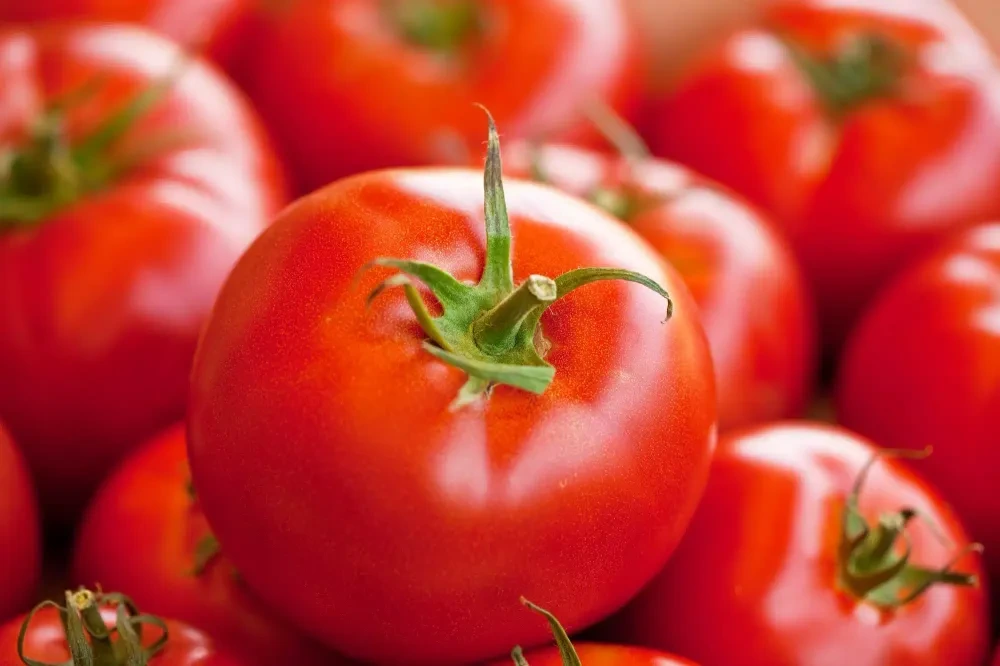
1. Why do so many people tell you to eat tomatoes?
“You know tomatoes are good for your heart, right?”
“I heard tomatoes are the best when you’re on a diet.”
You’ve probably heard something like this at least once.
Tomatoes are treated almost like a basic ingredient of a healthy diet around the world – and the reasons are pretty simple:
- Low in calories (very diet-friendly tomato calories)
- Packed with vitamins, minerals, and antioxidants
- Easy to add to your meals in many different ways
The red color in tomatoes comes from lycopene, a powerful antioxidant.
Lycopene has been studied for its potential roles in heart and blood vessel health, aging, and inflammation.
That doesn’t mean “tomatoes cure every disease.”
But adding tomatoes into your daily meals in a smart way can definitely help with:
- Heart and blood vessel health
- Skin and anti-aging care
- Weight and appetite control
In short, tomatoes are a small change that can support your overall health in a big way.
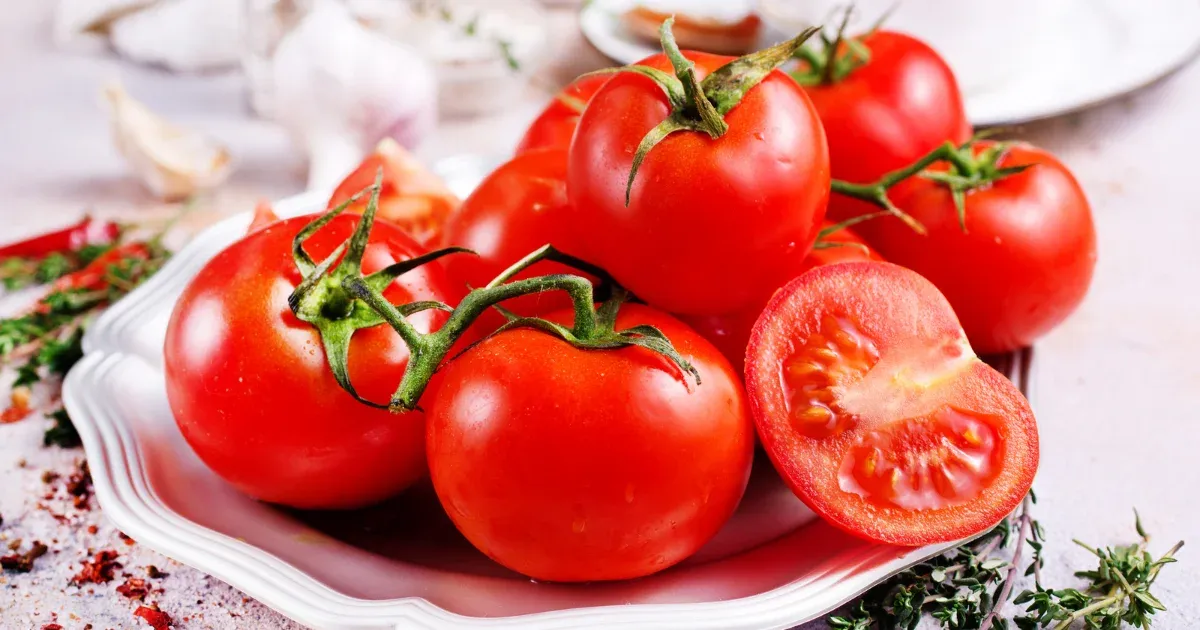
2. Tomato nutrition and calories at a glance
Let’s start with tomato calories, since that’s what many people worry about.
- Regular raw tomato: about 16–18 kcal per 100 g
- About 10 cherry tomatoes (≈150 g): around 30 kcal
So compared to how full you feel, tomato calories are very low.
That’s why tomatoes keep showing up in weight-loss and clean-eating meal plans.
Key nutrients in tomatoes include:
- Vitamins: Vitamin C, Vitamin A, Vitamin E
- Minerals: Potassium, folate
- Fiber
- Antioxidants: Lycopene, beta-carotene and other carotenoids
Personally, when I crave a late-night snack, I often reach for a bowl of cherry tomatoes instead of chips.
They keep my mouth busy, taste fresh, and because tomato calories are so low, I don’t feel as guilty about it.
One thing to keep in mind: many store-bought tomato juices and tomato drinks contain added sugar or salt.
- Always read the nutrition label for sugars and sodium
- Choose unsweetened and low-sodium tomato products whenever possible
3. Three key tomato benefits you should know
3-1. Supporting blood pressure, blood vessels, and heart health
Several human studies have looked at tomato intake and lycopene supplements.
When people consistently consumed tomato products or lycopene, researchers often saw:
- A small but meaningful drop in blood pressure, especially systolic blood pressure
- Lower LDL (“bad”) cholesterol levels
- Better endothelial function (the flexibility and health of your blood vessels)
Among the many tomato benefits, the one that shows up most often in research is heart and blood vessel health.
Of course, tomatoes are not a replacement for blood pressure medication or medical treatment.
Think of them as one helpful piece in a heart-healthy lifestyle:
- Balanced diet
- Regular movement
- Enough sleep
- Smart use of foods like tomatoes, olive oil, nuts, and vegetables
When you put these pieces together, tomatoes become a very useful ingredient in “good-for-your-heart” meals.
3-2. Antioxidants, skin, and healthy aging
Tomatoes are rich in lycopene and other antioxidants that help the body neutralize free radicals, which speed up aging.
Some potential benefits of regular tomato intake include:
- Helping protect the skin from UV-related damage
- Supporting skin elasticity and possibly helping with fine lines and uneven tone
- Providing overall anti-oxidative and anti-inflammatory support
In several small human studies, people who ate tomato paste or tomato products regularly showed less redness and damage after UV exposure compared to those who didn’t.
This doesn’t mean tomatoes can replace sunscreen.
But during the summer, a combo of:
- Daily sunscreen on the outside
- Tomato-rich meals on the inside
can be a smart way to support your skin from both directions.
3-3. Weight management and appetite control
Because tomato calories are low and water and fiber content are high, tomatoes are a great “full but light” type of food.
Tomatoes can help when:
- You’re on a diet and want a lighter snack
- You’re craving something to chew late at night
Choosing tomatoes instead of chips, cookies, or instant noodles can:
- Lower your overall daily calorie intake
- Help you feel more satisfied without overeating
But be careful with “tomato-only diets.”
Extremely restrictive diets based only on tomatoes (or any single food) can:
- Cause nutrient imbalances
- Slow your metabolism
- Increase the risk of yo-yo weight gain
The safest and most sustainable approach is:
Balanced meals + smart use of tomatoes
Use tomatoes as a regular part of your salads, sides, soups, and snacks – not as your only food.
4. Tomato side effects – who should be careful?
Tomato benefits are well known, but tomato side effects also exist, especially if you have certain conditions.
If you fall into any of the groups below, “how much and how you eat tomatoes” matters a lot.
4-1. If you have a sensitive stomach or acid reflux (GERD)
Tomatoes are a slightly acidic food, so they can irritate some people’s digestive systems.
Be extra cautious if you:
- Have gastritis or a history of stomach ulcers
- Struggle with acid reflux or frequent heartburn
- Feel bloated or uncomfortable easily after acidic foods
In these cases, try to:
- Avoid eating large amounts of raw tomato on an empty stomach
- Eat tomatoes with meals or after meals, and in smaller portions
- Prefer cooked tomatoes (soups, stews, sauces) to reduce the burden on your stomach
Simply changing how and when you eat tomatoes can significantly reduce tomato side effects like heartburn and discomfort.
4-2. If you have kidney disease or high potassium levels
Tomatoes are a good source of potassium.
For most healthy people, this is a benefit. But if your kidneys don’t work well, too much potassium can be dangerous.
Be careful if you:
- Have chronic kidney disease (CKD)
- Are on dialysis
- Have been told you have high potassium (hyperkalemia) on blood tests
In that case, eating large amounts of tomatoes every day may cause potassium to build up in your blood.
This can affect your heart rhythm and overall safety.
If you fit this group, it’s essential to talk to your doctor or renal dietitian and ask:
- “How much tomato is safe for me per day?”
- “How often can I eat tomatoes in a week?”
Getting a personalized limit is the safest approach.
4-3. If you have allergies or take certain medications
Some people develop allergic reactions to tomatoes.
Watch for these symptoms after eating tomatoes:
- Itchy or tingly lips, mouth, or throat
- Hives or rashes on the skin
- Swelling or breathing difficulty (this needs emergency care)
If these symptoms happen repeatedly, tomato allergy is a possibility.
In that situation, it’s best to stop eating tomatoes and discuss it with a healthcare professional.
Also, certain blood-thinning medications and complex treatment plans require careful dietary balance.
If you’re on long-term medication and want to eat tomatoes very frequently, it’s always wise to ask:
“Is it okay if I eat tomatoes regularly?”
A quick conversation with your doctor can prevent unnecessary risk.

5. How to eat tomatoes: best ways, daily amount, and good pairings
Tomato benefits depend not only on “how much” but also on how you eat them.
A few simple habits can really boost what you get out of every tomato.
5-1. Raw tomatoes vs. cooked tomatoes
Raw tomatoes
- Help you get more vitamin C
- Great for salads, snacks, or as a topping on yogurt and grain bowls
Cooked tomatoes (sauce, soup, stews, baked dishes)
- Lycopene is better absorbed when tomatoes are cooked
- Cooking tomatoes with a little healthy fat like olive oil increases lycopene absorption even more
A practical way to combine both tomato benefits:
- Morning or snacks: raw tomatoes or cherry tomatoes
- Lunch and dinner: tomato sauce, tomato soup, tomato-egg stir-fry, tomato stew
Using both raw and cooked tomatoes gives you a nice balance of vitamin C and lycopene.
5-2. Daily amount and best timing
For general health (not for disease treatment), a commonly suggested range is:
- About 1–2 medium-sized tomatoes (150–300 g) per day, or
- About 10–20 cherry tomatoes
Of course, you don’t need to be exact every day. Think of it as a flexible guideline.
When should you eat tomatoes?
- If your stomach is strong:
– It usually doesn’t matter much if it’s before or after meals. - If you have a sensitive stomach:
– Avoid raw tomatoes on an empty stomach.
– Eat small amounts after meals. - As a late-night snack:
– Keep the portion modest.
– Use tomatoes as a lighter option instead of salty, high-calorie snacks like instant noodles or chips.
A little attention to timing and portion size can help you enjoy tomato benefits while minimizing tomato side effects.
6. How to choose, store, and use tomatoes – plus 4 easy health habits
6-1. How to choose good tomatoes
When you’re at the store, check:
- Is the skin smooth and shiny?
- Are there few scars or dark spots?
- Is the stem area (calyx) still green and not completely dried out?
- Does the tomato feel heavier than it looks in your hand?
- For cherry tomatoes: is the color evenly red without too many pale or green areas?
These simple checks help you pick sweeter, juicier tomatoes.
6-2. How to store tomatoes
To keep flavor and nutrition:
- Let under-ripe tomatoes sit at room temperature until they fully ripen
- Once ripe, wrap them lightly in paper or a kitchen towel and keep them in the refrigerator
- Sliced tomatoes should go into an airtight container and be eaten within 1–2 days
This keeps them fresh, flavorful, and reduces unnecessary waste.
6-3. Four tomato habits you can start right away
TIP 1. “One red food a day” rule
- Aim to include tomatoes in at least one meal a day.
- Salad, side dishes, soup, tomato-egg stir-fry – any form works.
TIP 2. Swap chips for cherry tomatoes
- When you want a snack at night,
choose a bowl of cherry tomatoes instead of a bag of chips. - Low tomato calories + good crunch = easier weight control.
TIP 3. If your stomach is sensitive, cook and eat after meals
- If you have gastritis or acid reflux,
avoid raw tomatoes on an empty stomach. - Choose cooked tomato dishes and eat them with or after other foods.
TIP 4. If you have kidney issues, get a safe limit first
- If you have kidney disease or a history of high potassium,
don’t increase tomato intake on your own. - First ask your doctor:
“How much tomato is safe for me per day or per week?”

7. Quick summary and final thoughts
Let’s wrap up the main points of this guide on tomato benefits, side effects, and how to eat tomatoes.
Tomato benefits
- May help improve blood pressure, cholesterol, and blood vessel function
- Offer antioxidant and anti-inflammatory support that can be good for skin and healthy aging
Tomato calories
- About 16–18 kcal per 100 g – very low
- Perfect for salads, snacks, and weight-conscious meals
Tomato side effects
- If you have a sensitive stomach or acid reflux, avoid lots of raw tomatoes on an empty stomach.
- If you have kidney disease or high potassium, you must control your tomato intake.
- If you notice allergic reactions (itching, hives, swelling), stop eating tomatoes and get it checked.
How to eat tomatoes
- Raw tomatoes are great for vitamin C,
- Cooked tomatoes with a bit of olive oil are ideal for lycopene absorption.
- A simple guide is 1–2 medium tomatoes a day, naturally spread across your meals.
Everyday action points
- Put red tomatoes on your table at least once a day.
- Swap junk snacks for cherry tomatoes whenever you can.
- Adjust amount, timing, and cooking method based on your stomach and kidney health.
Tomatoes won’t magically fix everything, but if you enjoy them regularly, in a way that fits your body, they can help you care for your heart, weight, and skin all at once.
Next time you’re at the store and wondering what to add to your cart,
it might be a good day to slide a bag of tomatoes into your basket. 🥰
Important note
This article is for general health information only and is not a substitute for professional medical advice, diagnosis, or treatment.
If you have specific symptoms or medical conditions, always consult your doctor or a qualified healthcare professional.






최근댓글