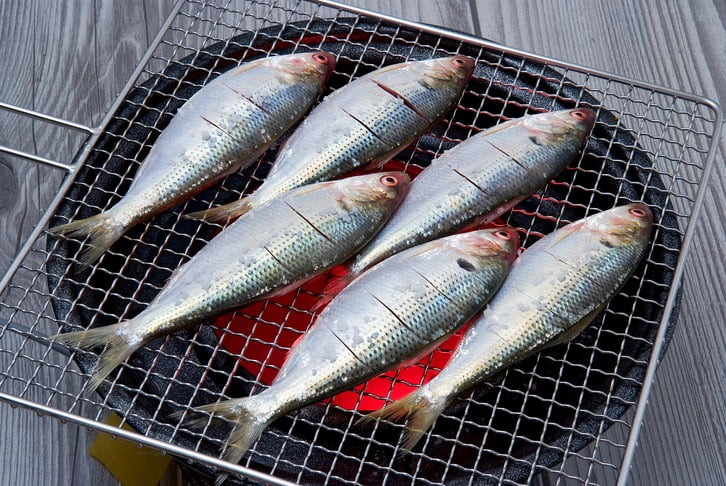
1. Why Is Fall Gizzard Shad So Popular?
You’ve probably heard someone say, “You have to eat gizzard shad at least once in the fall.”
As soon as the weather cools down, grill restaurants get fully booked, and fresh gizzard shad disappears quickly from supermarket and fish market shelves.
People don’t love gizzard shad only because it tastes rich and nutty.
- They’ve heard that fall gizzard shad is packed with health benefits
- That it’s rich in omega-3 fatty acids
- And that it can help support bone and blood vessel health
As these ideas spread by word of mouth, gizzard shad has earned a reputation as a fish that’s “both delicious and good for you.”
At the same time, many people quietly worry about things like:
- “I heard gizzard shad is pretty high in calories. Is it okay for weight loss?”
- “I have gout. Could gizzard shad make it worse?”
- “Is it healthier as sashimi, or should I stick to grilled?”
In this post, we’ll walk through gizzard shad benefits, gizzard shad side effects, and how to eat gizzard shad in a healthy way, using recent research on omega-3 and oily fish, plus existing nutrition data—explained in simple, everyday language.
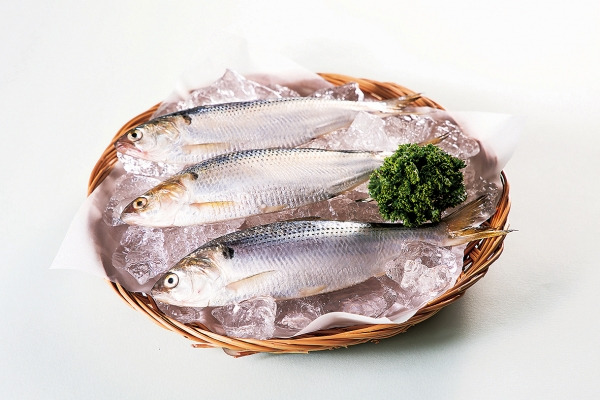
2. Gizzard Shad Calories and Nutrition – A Simple Overview
Let’s start with gizzard shad calories and nutrients.
You don’t need to memorize all the numbers.
It’s more helpful to get a feel for “what kind of fish this is.”
2-1. Understanding Gizzard Shad Calories
Gizzard shad is an oily fish, in the same family style as mackerel or Pacific saury.
- It’s generally estimated at about 150–200 kcal per 100 g
- It contains a fair amount of fat
- But it’s also high in protein
So you can think of gizzard shad as:
- A high-protein fish that works well as a main dish with rice and side dishes,
while also being - A fish that can add up in calories pretty quickly if you overeat it
2-2. Key Nutrition Highlights in One Line
If we simplify the main nutrients in gizzard shad, it looks like this:
- Omega-3 fatty acids (EPA & DHA) → support heart, blood vessel, and brain health
- Protein → supports muscle maintenance, recovery, and energy
- Calcium & phosphorus → help maintain bone health and may aid in preventing osteoporosis
- Vitamin D & B vitamins → involved in calcium absorption and energy metabolism
Because gizzard shad is often eaten with the bones, you can get more calcium compared with many other fish. That’s why calcium is frequently mentioned among gizzard shad benefits.
3. Gizzard Shad Benefits – What You Can Expect for Heart, Brain, and Bone Health
Most gizzard shad benefits come from its combination of omega-3 (EPA & DHA) plus protein, calcium, and vitamins.
There aren’t many large human trials done only on gizzard shad yet, but when we look at recent research on oily fish and omega-3s, we can reasonably expect similar directions of benefit from gizzard shad.
3-1. Supporting Heart and Blood Vessel Health
Omega-3s (EPA & DHA) are well known as “good fats” for the heart and blood vessels.
Recent large studies and meta-analyses have consistently shown that people who regularly consume marine omega-3s tend to:
- Have a slightly lower risk of cardiovascular disease, and
- Experience fewer heart-related events, such as heart attacks
Since 100 g of gizzard shad is thought to provide a solid amount of omega-3,
adding gizzard shad to your meals once or twice a week during the fall can be one helpful piece of a heart-healthy eating pattern.
Of course, this doesn’t mean gizzard shad alone can prevent heart disease.
It’s more accurate to say: gizzard shad can be one helpful part of an overall heart-friendly diet.
3-2. Helping Brain Health and Memory
DHA is a major structural fat in both the brain and the retina.
Recent studies suggest that people who get enough omega-3—especially DHA—may:
- Experience slower age-related memory decline, and
- Maintain better cognitive function as they get older
When people say “gizzard shad is good for the brain” or “good for kids and seniors,” that idea largely comes from DHA’s role.
We can’t honestly claim that eating gizzard shad “prevents dementia,”
but it is a natural, food-based way to get more of the fats that support overall brain health, especially as one of several oily fish options.
3-3. Bone Health and Osteoporosis Prevention
When you grill and eat gizzard shad with the bones, you naturally take in extra calcium.
On top of that, gizzard shad offers:
- Vitamin D, which helps the body absorb calcium
- High-quality protein, which contributes to the structure of bones
That’s why bone health almost always appears on the list of gizzard shad benefits.
This can be especially helpful for:
- Growing children and teenagers, and
- Middle-aged and older adults who are concerned about osteoporosis
For people who don’t tolerate milk or dairy well, having gizzard shad in the fall can be a valuable alternative source of calcium and protein.
3-4. Energy and Fatigue Recovery
Because gizzard shad is a high-protein food, grilling and eating it on days when your energy is low or your appetite is off can help you feel a bit more “recharged.”
In traditional medicine, gizzard shad has been used as a food that:
- Soothes the stomach
- Helps restore energy
- Supports recovery from fatigue
In modern terms, you can think of it as a fish where protein, vitamins, and minerals work together to help your body produce and maintain energy.
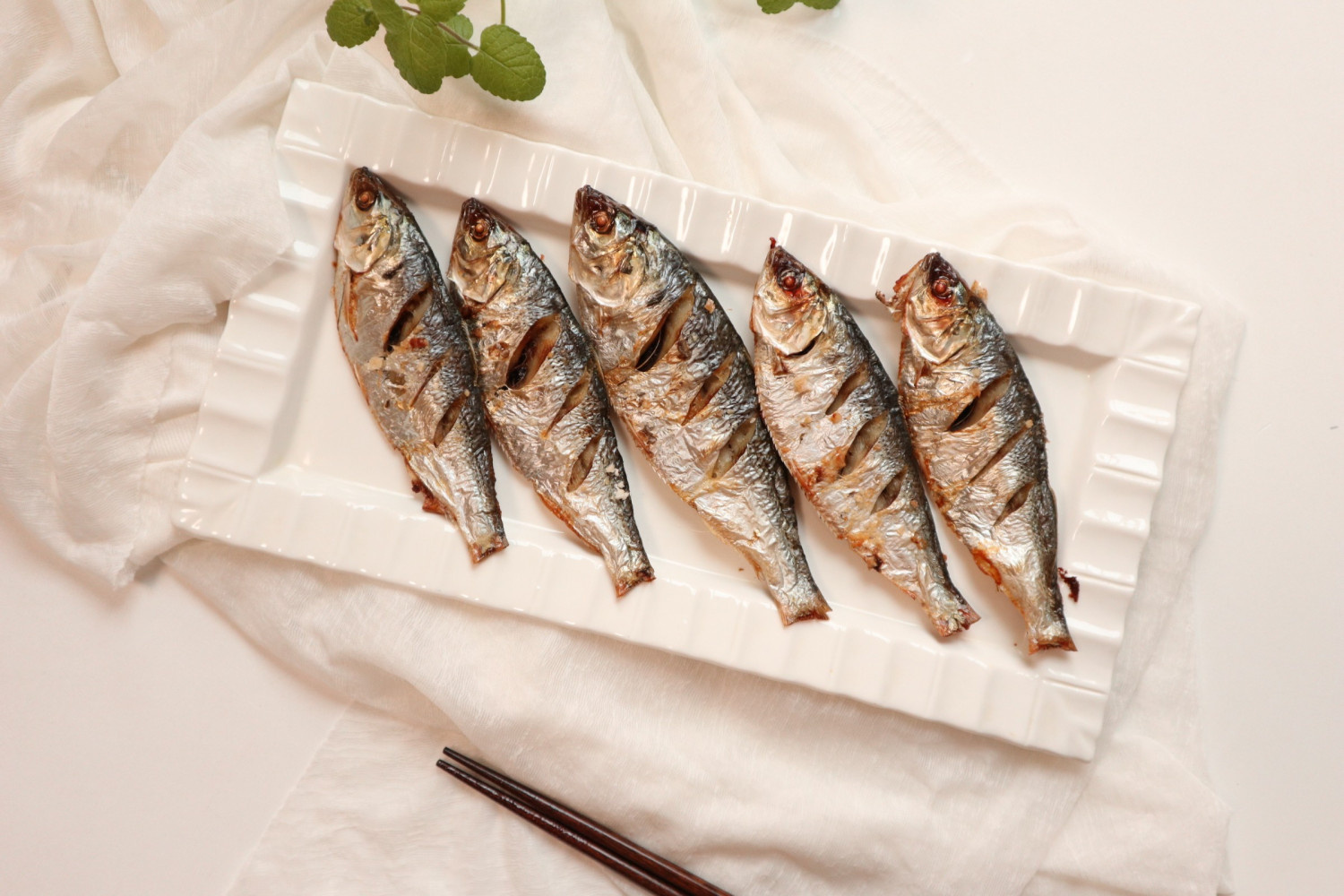
4. Gizzard Shad Side Effects – Who Needs to Be Careful?
Even if gizzard shad benefits are impressive, eating it in a way that doesn’t suit your body can create problems.
Let’s look at situations where gizzard shad side effects are more likely.
4-1. If You’re on a Diet, Portion Size Is Key
Gizzard shad is high in protein but also relatively high in fat and calories.
- Gizzard shad sashimi → tends to be lighter in calories
- Grilled gizzard shad → calories climb quickly once you add oil and seasoning
If you’re trying to lose weight, a realistic approach is:
- Keep each serving to about 80–100 g of fish meat per meal
- Eat it as part of a balanced plate with rice and plenty of vegetables
If you keep thinking, “It’s healthy, so I can eat as much as I want,” and end up piling on gizzard shad,
then calories and fat will accumulate much faster than the health benefits.
4-2. Gout and High Uric Acid – Possible Issues for Some People
Oily fish, including gizzard shad, tend to be relatively high in purines,
which can raise uric acid levels in the body.
If you already have gout or high uric acid, eating large amounts of gizzard shad frequently could increase your risk of gout flare-ups.
If you:
- Have been diagnosed with gout, or
- Have been told your uric acid level is high on blood tests,
then it’s safer to treat gizzard shad as:
- A small portion,
- Once a week or less, around 50–70 g per serving
rather than a fish you eat freely and often.
4-3. Allergies, Digestive Issues, and Tiny Bones
Consider being extra cautious if you:
- Have a known fish allergy
- Often feel bloated or uncomfortable after eating raw fish
- Have a sensitive stomach or digestive condition
In these cases, grilled gizzard shad, stews, or braised dishes are usually a better choice than sashimi.
Also, gizzard shad has many small bones.
So when serving it to:
- Young children
- Older adults
- Or anyone with swallowing difficulties
it’s important to remove as many bones as possible to prevent choking or throat injuries.
Emergency rooms do regularly see patients with fish bone incidents, so this is not just a theory—it’s a real-world concern.
4-4. If You’re Already Taking Omega-3 Supplements
If you take an omega-3 supplement every day, and on top of that eat gizzard shad and other oily fish very often, your total omega-3 intake can become unnecessarily high.
This is especially important if you:
- Take blood-thinning medication (anticoagulants), or
- Have chronic conditions that require multiple medications
In such cases, it’s wise to review your overall omega-3 intake from both food and supplements, and if needed, talk with your healthcare provider about the best balance for you.
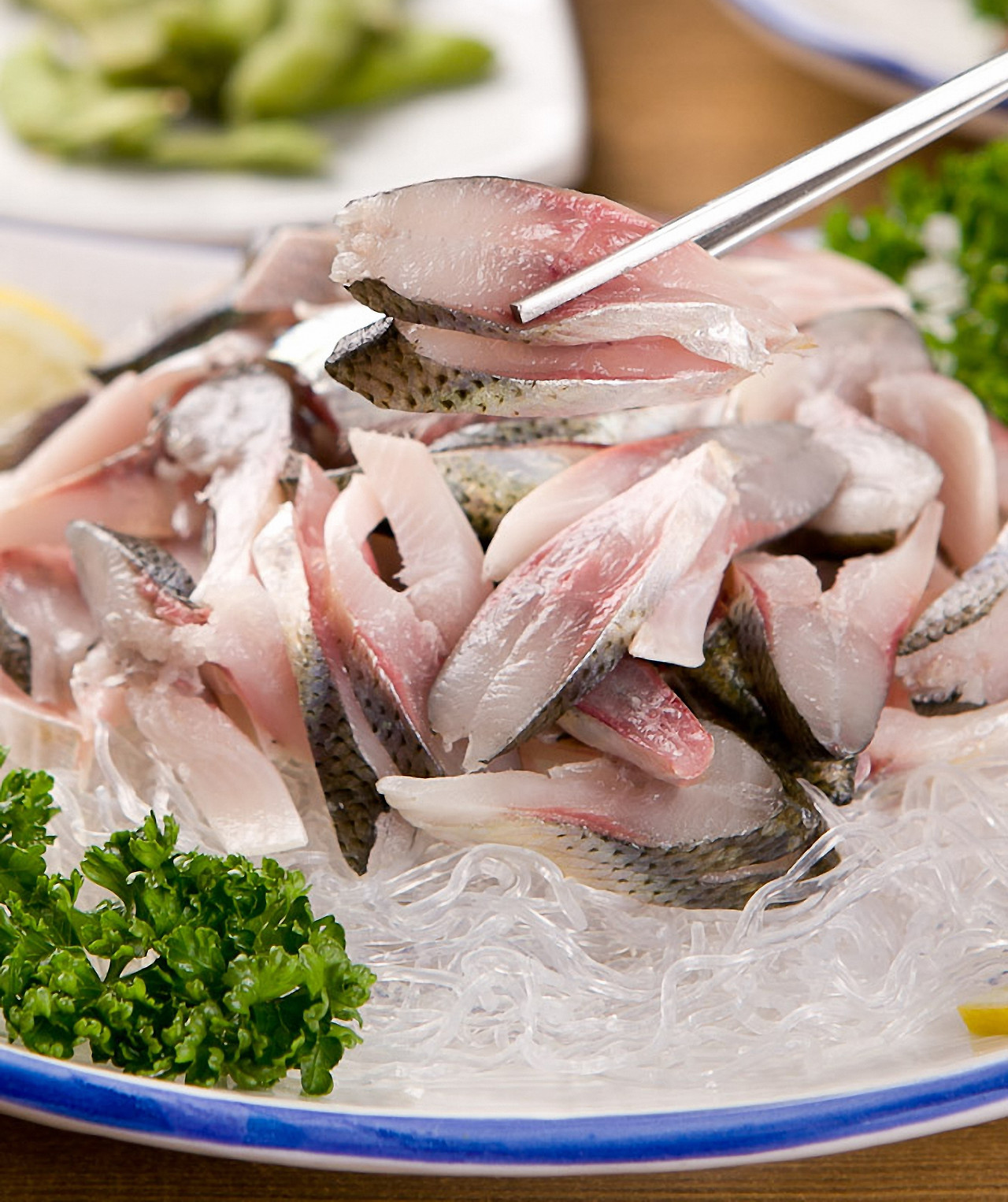
5. How to Eat Gizzard Shad – Sashimi, Grilled, or Stewed?
Now let’s talk about the most practical question: how to eat gizzard shad in a healthier way.
Here are ways to enjoy gizzard shad benefits while minimizing potential side effects.
5-1. Gizzard Shad Sashimi – Preserving Omega-3s
Freshly sliced gizzard shad sashimi is a classic fall delicacy.
Because it isn’t heated, omega-3 and heat-sensitive vitamins are better preserved.
So gizzard shad sashimi is a good option if you:
- Want to keep as much omega-3 and vitamins intact as possible
- Want to slightly lower the total gizzard shad calories compared with heavy grilled dishes
However, if you:
- Have a weak stomach
- Don’t tolerate raw fish well
- Are pregnant, immunocompromised, or very young
then sashimi may not be the best choice. For these groups, grilled or stewed preparations are usually safer.
5-2. Grilled Gizzard Shad – Tasty, If You Control Salt and Oil
Grilled gizzard shad is one of the most popular ways to enjoy this fish in the fall.
To make grilled gizzard shad healthier:
- Go light on the salt
- Season lightly, then adjust the flavor with dipping sauces and vegetables
- Avoid heavily salted or extremely seasoned versions
- Avoid adding extra oil
- Gizzard shad is already naturally oily
- You usually don’t need to add much oil to the pan or grill
- Always eat it with vegetables
- Pair it with lettuce, perilla leaves, onions, garlic, and other vegetables
- This increases fiber and antioxidants, and helps you feel full sooner
With just these small changes, you can keep most gizzard shad benefits while reducing the risk of gizzard shad side effects from too much salt, oil, or calories.
5-3. Gizzard Shad Stews and Braised Dishes – Watch the Broth
Stews and braised dishes made with gizzard shad heads and bones can be a great way to get:
- Calcium
- Collagen
- And various amino acids
But remember: a lot of sodium (salt) ends up dissolved in the broth.
A simple rule of thumb:
- Enjoy some broth for flavor,
- But focus on eating the fish and vegetables,
- Rather than drinking every drop of the soup
This way, you still benefit from the nutrients without overloading on sodium.
6. Five Practical Tips to Enjoy Gizzard Shad in a Healthy Way
Based on everything we’ve covered, here are five practical tips you can start using right away:
- Set a simple rule: “Once or twice a week, one plate per meal.”
This helps you enjoy gizzard shad benefits while avoiding excess calories and fat. - Alternate between sashimi and grilled.
If your digestion allows, enjoy sashimi once and grilled fish another time.
This balances omega-3 intake with digestive comfort. - Make gizzard shad part of a balanced meal, not the whole meal.
Serve it with rice, vegetables, and soup.
Treat gizzard shad as the main protein on a full plate, rather than something you eat alone in large amounts.
This naturally prevents overeating and helps with blood sugar and weight management. - If you have gout or high cholesterol, think “small and spaced out.”
If you’re worried about gizzard shad and gout,
use a guideline like “once a week, about 50–70 g”,
and if you’ve already eaten other oily fish that week, consider skipping gizzard shad until the following week. - If you take omega-3 supplements, check your total intake.
If you’re combining supplements with frequent gizzard shad and other oily fish,
pause and review how much omega-3 you’re actually consuming, and adjust as needed with your healthcare provider if you have medical conditions.
7. Final Thoughts – A Fall Fish That’s Good When You Eat It Right
To sum it up:
- Gizzard shad benefits
Come from omega-3s (EPA & DHA), protein, calcium, and vitamins,
which together can help support heart, brain, and bone health as part of a balanced diet. - Gizzard shad side effects
Are more likely if you ignore your personal condition—
things like high calories and fat, gout and high uric acid,
allergies, digestive issues, and small bones can all become problems if you’re not careful. - The best way to eat gizzard shad
Is to choose a cooking method that fits your body:
sashimi to preserve omega-3s,
grilled or stewed dishes if your stomach is sensitive,
always with less salt and oil, and plenty of vegetables on the side.
Seasonal foods often match what our bodies naturally need at that time of year.
Fall gizzard shad is a great example of that.
You don’t have to treat it like a miracle “superfood” or force yourself to eat it often.
But if you listen to your body, manage portion size, and enjoy it once or twice a week,
gizzard shad can be a small but meaningful way to bring back your appetite and support your health during the fall season.
Legal and Medical Disclaimer
The information in this article is provided for general educational purposes only.
It is not a substitute for professional medical advice, diagnosis, or treatment.
If you have specific symptoms, medical conditions, or concerns,
please consult a qualified healthcare provider for a proper evaluation and personalized recommendations.






최근댓글