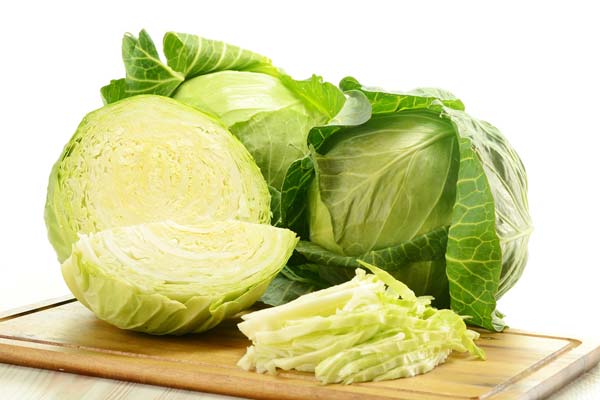
1. When Your Stomach Acts Up, Is Cabbage Really Helpful?
When your stomach feels sore, heavy, or bloated,
you may have thought,
“Maybe I should at least drink some cabbage juice.”
A lot of people ask questions like:
- “Are cabbage benefits really proven for gastritis?”
- “What’s the best way to eat cabbage? Do I have to eat it raw?”
- “I heard there are cabbage side effects too. Is it actually safe?”
Cabbage is a low-calorie cruciferous vegetable rich in vitamin C, vitamin K, fiber, and antioxidant compounds.
Over the past few years, studies on cabbage and other cruciferous vegetables have consistently suggested that they may:
- protect the stomach lining,
- reduce inflammation, and
- support heart health, blood sugar, and even weight control.
However, claims like
“Cabbage juice alone will completely cure stomach ulcers”
are not scientifically proven.
In this post, we’ll walk through cabbage benefits, cabbage side effects, and how to eat cabbage for stomach health, based on recent research trends—
in a way that’s easy to understand and practical to apply in daily life.
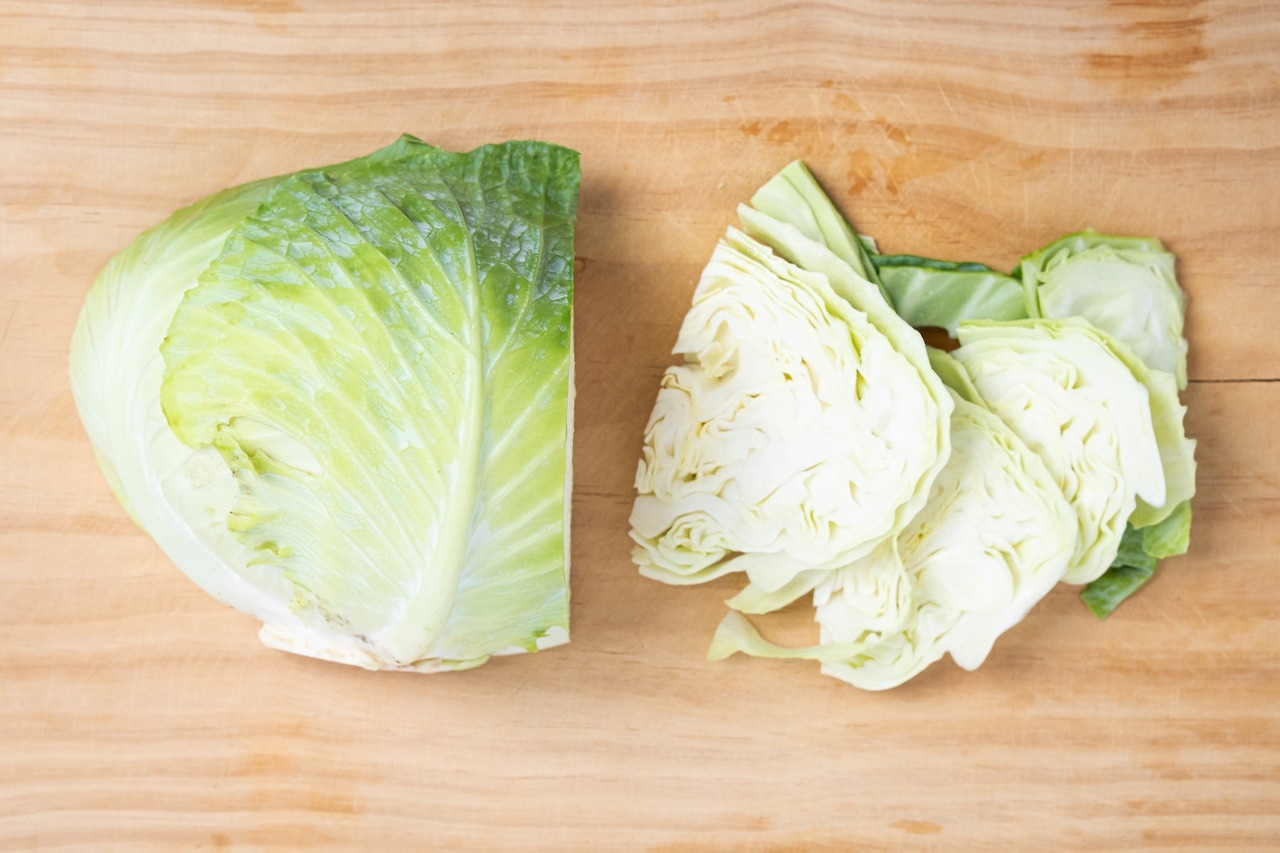
2. Cabbage at a Glance: What Kind of Food Is It?
To understand cabbage benefits, it helps to first look at what’s actually inside.
Per 100 g of raw cabbage (about half a small bowl):
- Calories: ~25 kcal (very low)
- Fiber: supports bowel movement and may ease constipation
- Vitamin C: key antioxidant for skin and blood vessel health
- Vitamin K: involved in blood clotting and bone health
- Folate & B vitamins: important for energy and cell production
- Antioxidants: polyphenols, glucosinolates, and other plant compounds
Cabbage is also known to contain a compound often called “vitamin U” (S-methylmethionine), which has long been associated with stomach-lining protection.
Recent animal and cell studies have shown that cabbage extracts can:
- reduce damage to the stomach lining, and
- lower inflammatory markers,
suggesting potential protective effects on the digestive tract.
Large, high-quality human trials are still limited,
so we can’t state exact numbers like
“cabbage reduces your risk by XX%.”
But taken together, the data give us a reasonable basis to say:
Cabbage is a food that can help support overall stomach and digestive health.
3. Cabbage Benefits for Gastritis and Stomach Issues
3-1. Protecting the Stomach Lining and Easing Inflammation
When you have gastritis or a stomach ulcer,
the stomach lining is weakened and inflammation is heightened.
Experimental studies show that cabbage extracts can:
- protect stomach tissue from strong irritants (like alcohol or acid),
- reduce inflammatory substances such as IL-6, and
- support antioxidant defenses, helping lessen cell damage.
So when people ask,
“Is cabbage good for gastritis and an irritated stomach?”
the most realistic answer is:
“Yes. Cabbage can be one of the foods that help protect the stomach lining and calm irritation.
But it’s not strong enough to replace prescribed medication or be treated as a stand-alone ‘cure.’”
3-2. Cabbage Juice and Stomach Ulcers – How Much Does It Really Help?
Cabbage juice is popular because it’s easy to drink and heavily marketed as being “good for the stomach.”
- Small older studies and case reports did suggest that cabbage juice might help stomach ulcers heal faster.
- However, modern large-scale human clinical trials are still lacking.
So when we talk about cabbage juice benefits:
- Think of it as something that helps alongside other healthy habits, not a miracle remedy.
- The basics still matter most:
- cut back on spicy, greasy, and highly acidic foods,
- avoid excessive alcohol,
- take prescribed gastritis or ulcer medications as directed, and
- use cabbage or cabbage juice as a supportive food, not a replacement for treatment.
Relying on cabbage juice alone and stopping your medication is not considered a safe or evidence-based approach at this time.
3-3. Gut Health and Constipation Support
Cabbage is rich in dietary fiber, which can:
- soften stool,
- improve bowel movement, and
- help relieve mild constipation.
Recent research on cruciferous vegetables also shows that they may:
- increase beneficial gut bacteria, and
- protect the intestinal lining in inflammatory bowel models.
To sum up, you can think of cabbage benefits in three main pillars:
- Protecting the stomach lining
- Easing inflammation
- Supporting bowel movement and relieving constipation
4. Beyond the Stomach: Cabbage for Heart Health, Blood Sugar, and Weight
Cabbage isn’t just good for your stomach and intestines.
Studies on cruciferous vegetables as a group suggest that they may support overall health in many ways.
4-1. Heart and Blood Vessel Health
Several observational studies and meta-analyses have found that people who frequently eat cruciferous vegetables such as:
- broccoli,
- kale, and
- cabbage
tend to have:
- a lower risk of cardiovascular diseases like heart attack and stroke, and
- lower overall mortality.
Of course, people who eat a lot of vegetables often have other good habits as well,
so we can’t say cabbage alone is entirely responsible.
Still, it’s reasonable to view cabbage as:
“One of the key vegetables that fit well into a heart-healthy diet.”
4-2. Blood Sugar, Insulin Resistance, and Diabetes Risk
The fiber and antioxidant compounds in cruciferous vegetables—
including indole-3-carbinol and isothiocyanates—
may help:
- improve insulin sensitivity, and
- support blood sugar control.
If you have diabetes or prediabetes (impaired fasting glucose),
simply reducing refined carbs (like white rice, bread, and noodles)
and adding more cabbage and other vegetables can make a meaningful difference
in your blood sugar patterns over time.
4-3. Low-Calorie and Filling: Cabbage for Weight Management
There’s a reason people talk about “the cabbage diet.”
Cabbage is widely used in weight-loss menus because:
- 100 g has only about 25 kcal,
- you need to chew it more, which helps you feel full, and
- its fiber supports regular bowel movements.
However, an extreme version of the cabbage diet—
eating almost nothing but cabbage three times a day—
is not a healthy long-term plan.
It can lead to:
- nutrient deficiencies,
- muscle loss, and
- rebound weight gain.
A more realistic, sustainable approach is:
“Slightly reduce your portion of rice or noodles
and fill that space with steamed cabbage or a cabbage salad.”
For example:
- One bowl of rice → ⅔ bowl of rice + a handful of steamed cabbage
- One pack of instant noodles → ¾ pack of noodles + plenty of cabbage, onion, and green onion
This way, you naturally cut calories while still feeling satisfied.
5. Cabbage Side Effects and Who Should Be Careful
Cabbage is generally safe for most people,
but there are a few cabbage side effects and situations where you should be cautious.
5-1. Gas, Bloating, and Loose Stools
Cabbage contains:
- fermentable carbohydrates (FODMAPs), and
- insoluble fiber,
which can cause digestive discomfort in those who are sensitive.
If you:
- have a sensitive gut,
- struggle with irritable bowel syndrome (IBS),
you may experience:
- excess gas,
- bloating, or
- loose stools/diarrhea.
In that case, try:
- avoiding large amounts of raw cabbage,
- starting with small portions of cooked cabbage, and
- slowly adjusting the portion based on how your body reacts.
5-2. Thyroid Function and Cruciferous Vegetables
Cruciferous vegetables, including cabbage, contain compounds sometimes called goitrogens,
which may affect thyroid hormone production in theory.
For people with normal thyroid function,
typical amounts of cabbage in a regular diet are unlikely to cause significant issues.
If you already have hypothyroidism and take thyroid medication:
- it’s best not to eat large amounts of raw cabbage every single day,
- and instead rely more on moderate portions of cooked cabbage spread throughout the week.
5-3. Taking Blood Thinners (Warfarin, etc.)
Cabbage is a source of vitamin K,
which can influence how blood thinners like warfarin work.
If you suddenly:
- go from eating almost no cabbage
to drinking cabbage juice and eating cabbage salad every day, or - drastically cut out cabbage when you usually eat it often,
your medication effect can be affected.
So if you’re on blood thinners, the key is:
Keep your intake of cabbage and other vitamin-K-rich foods consistent
rather than making big, sudden changes.
The exact safe range varies by person,
so it’s worth discussing your typical diet with your doctor or pharmacist.
5-4. Allergy
Although rare, some people may experience allergic reactions to cabbage, such as:
- itchy mouth or lips,
- hives, or
- difficulty breathing.
If any of these symptoms occur, stop eating cabbage and seek medical care.
6. How to Eat Cabbage for a Sensitive Stomach + Daily Amount
Now let’s talk about how to eat cabbage in a practical, stomach-friendly way.
6-1. Raw Cabbage vs. Cooked Cabbage
Raw cabbage
- Pros: preserves vitamin C and some heat-sensitive antioxidants
- Cons: can be harder to digest, may cause gas and bloating in sensitive people
Cooked cabbage (steamed, boiled lightly, or stir-fried)
- Pros: much easier to digest, better for people with gastritis, ulcers, or acid reflux
- Cons: some water-soluble vitamins like vitamin C may be partially lost
If your stomach is sensitive, the best strategy is:
Start with small portions of cooked cabbage.
If that feels fine, gradually add a little raw cabbage later.
6-2. Cabbage Juice – How Should You Drink It?
Cabbage juice is convenient,
but many commercial products contain a lot of added sugar or fruit juice.
When choosing cabbage juice:
- Always check the label for “total sugars (g)”.
- Avoid products with excessive added sugar or sweeteners.
A practical guideline:
- Limit to 1–2 small packs per day,
- drink it after meals rather than on an empty stomach, and
- think of it as a healthier snack or beverage, not a replacement for medication.
6-3. How Much Cabbage per Day Is Reasonable?
For most healthy adults:
- 50–100 g of cabbage a day
- split into 1–2 servings
is a reasonable, easy-to-tolerate range.
If you have gastritis, stomach ulcers, or acid reflux:
- begin with about 30–50 g of cooked cabbage per day,
- see how your stomach responds,
- then slowly increase the amount if you feel comfortable.
7. Easy Cabbage Habits You Can Start Today
Here are some simple cabbage habits you can adopt right away.
7-1. Add a Handful of Steamed Cabbage to Breakfast
Alongside your usual rice, toast, or eggs,
put a small plate of warm steamed cabbage on the table.
You’ll naturally:
- increase your vegetable intake, and
- feel fuller without adding many calories.
7-2. Load Up Your Noodles with Cabbage
When you eat ramen or noodle soup:
- cut back slightly on the seasoning packet, and
- add plenty of cabbage, onion, and green onion.
This helps reduce sodium and calories
while keeping the meal filling and more nutrient-dense.
7-3. Reduce Dinner Carbs and Add a Big Cabbage Salad
At dinner:
- cut your usual rice or bread portion to about 70%,
- fill the rest of the plate with a generous cabbage salad.
Use a light dressing such as:
- olive oil,
- lemon juice or vinegar,
- and a small amount of salt—
instead of heavy, sugary dressings.
This supports both weight control and blood sugar management.
7-4. Swap Sugary Snacks for Low-Sugar Cabbage Juice or Smoothies
If you often reach for cakes, cookies, or sweet drinks,
try replacing some of them with:
- low-sugar cabbage juice, or
- a homemade cabbage smoothie with modest fruit and no added sugar.
It’s not a magic bullet,
but over time it can make a real difference in your overall diet quality.
Final Summary and Practical Takeaways
Let’s bring everything together.
Cabbage Benefits
- Helps protect the stomach lining,
- may reduce inflammation,
- supports bowel movement and constipation relief,
- and, as a cruciferous vegetable, may also contribute to heart, blood vessel, blood sugar, and weight management when part of a healthy diet.
Cabbage Side Effects
- Can cause gas, bloating, and loose stools, especially in people with sensitive digestion or IBS.
- People with thyroid issues or those taking blood thinners should pay attention to portion sizes and consistency.
- Rarely, allergic reactions can occur.
How to Eat Cabbage for Stomach Health
- If your stomach is sensitive, start with small portions of cooked cabbage.
- A typical range is 50–100 g per day, divided into 1–2 servings.
- Cabbage juice can be a supportive option if it’s low in sugar and treated as a supplement to, not a replacement for, proper treatment and a balanced diet.
Cabbage is not an expensive superfood or miracle cure.
It’s a simple, affordable vegetable that can quietly support your stomach and overall health when you include it regularly and sensibly.
From your very next meal, try:
- slightly reducing your carbs, and
- adding a side of steamed cabbage or a fresh cabbage salad.
That one small extra serving on your plate,
kept up over months,
can gently but noticeably improve how your stomach and your body feel.
Medical Information Notice
The information in this article is for educational and general health purposes only.
It is not a substitute for professional medical diagnosis, advice, or treatment.
If you have ongoing symptoms or a diagnosed condition,
please consult your doctor or other qualified health-care provider for a personalized evaluation.






최근댓글