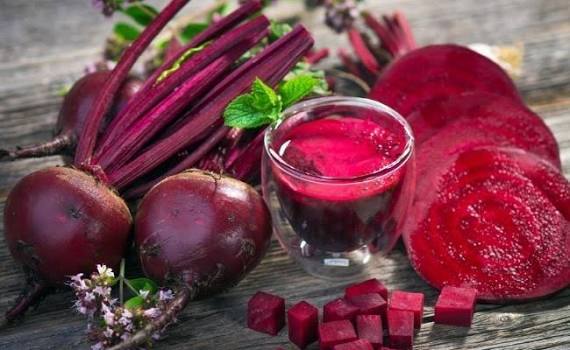
Have you heard people say that beet juice can “clean out your arteries”?
Maybe you’ve seen advertisements calling beets the “artery cleaner” or a miracle food for blood pressure.
These days, it’s easy to find red beets, beet juice, and even beet powder at the grocery store or your favorite café.
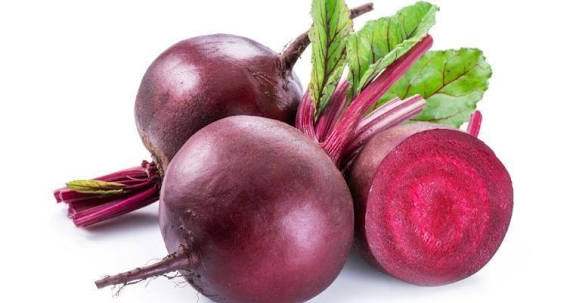
Because of their deep red color, they’re often called red beets, and for a long time many people thought of them simply as a salad ingredient.
So why are beets suddenly getting so much attention?
The simple answer: they’re widely known as a heart- and blood-pressure-friendly food.
Beets are rich in nitrates, a natural compound.
In your body, these nitrates turn into nitric oxide, a substance that helps relax and widen blood vessels, so blood can flow more easily.
That’s why beets are often linked to:
- Beet benefits for blood pressure
- Beet benefits for artery and heart health
…and why people started calling them “artery-cleaning beets.”
Of course, just eating beets won’t magically scrub plaque out of your arteries.
But when you combine healthy eating habits with the right way of eating beets, they can be a helpful supportive foodfor blood pressure and vascular health.
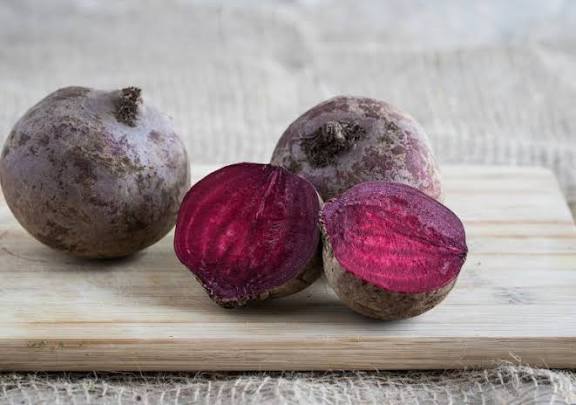
1. Beet Benefits: What Are They Actually Good For?
Beets offer more than just a pretty color.
When people talk about beet benefits, they’re usually referring to:
- Blood pressure and artery health
- Exercise performance and fatigue
- Antioxidant and liver support
- Gut health and bowel movements
Let’s break these down one by one.
1-1. Blood Pressure and Artery Health
The most researched beet benefit is its effect on blood pressure.
Studies have found that when people drink beet juice or red beet juice for a certain period,
their systolic blood pressure (the “top number”) tends to drop slightly.
This is largely thanks to the pathway:
Nitrates → Nitric Oxide → Relaxed blood vessels
Nitric oxide helps your blood vessels relax and widen, which can:
- Reduce stiffness in the arteries
- Improve blood flow
Because of this, beets are often mentioned as:
- A food that’s good for blood pressure
- A food that supports artery health
However, it’s very important to remember:
- Beets are not a replacement for blood pressure medication
- They work best as a supportive food within an overall heart-healthy lifestyle
1-2. Exercise Performance and Fatigue
Beets are also popular among people who exercise regularly.
Because they improve blood flow and oxygen delivery to muscles, beets may:
- Reduce how quickly you feel tired during exercise
- Slightly increase endurance and stamina
For middle-aged or older adults who find intense workouts difficult,
a small amount of beet juice before light exercise or walking is sometimes used as a gentle support tool for both blood pressure and exercise capacity.
1-3. Antioxidant Support and Liver Health
The red pigment in beets comes from betalain, a powerful antioxidant and anti-inflammatory compound.
These pigments may help:
- Reduce oxidative stress from free radicals
- Calm low-grade, chronic inflammation in the body
Some studies have also shown promising signals in people with fatty liver (NAFLD),
with certain liver markers improving when beet-based foods or extracts are included as part of their diet.
This doesn’t mean beets can cure liver disease.
A better way to see them is as one more antioxidant-rich food to add to an overall balanced eating pattern.
1-4. Gut Health and Bowel Movements
Beets also contain a decent amount of dietary fiber.
That means they can:
- Help soften stools and support regular bowel movements
- Create a friendlier environment for beneficial gut bacteria
On the other hand, if your digestive system is very sensitive,
eating too much beet at once can cause:
- Bloating
- Gas
- A “gurgling” sensation in your belly
So if your gut is easily upset, it’s best to start with a small portion and see how your body reacts.
2. Beet Side Effects: Who Should Be Careful?
Even healthy foods can cause problems if they don’t suit your body.
Here are the main beet side effects to keep in mind.
2-1. Kidney Stones (Beet Side Effects and Oxalates)
Beets are high in oxalates, a compound that can bind with calcium to form calcium oxalate kidney stones.
If you:
- Have had kidney stones in the past
- Have a family history of kidney stones
- Have reduced kidney function
then it’s safer to avoid drinking beet juice frequently or eating large amounts of raw beets.
In these situations, it’s better to:
- Choose boiled or steamed beets instead of raw
- Keep portions small, such as once or twice a week
- Drink enough water throughout the day
2-2. Low Blood Pressure or Blood Pressure Medication
Because beet benefits for blood pressure include lowering it,
this can turn into a beet side effect if:
- Your blood pressure is already low
- You’re taking medication for high blood pressure
For some people, adding beet juice on top of their regular medications can lower blood pressure too much, which may cause:
- Dizziness
- Fatigue
- Headaches
This is especially likely if you:
- Take your blood pressure pill in the morning
- Then immediately drink a large glass of strong beet juice
In that case, it’s better to:
- Set a lower daily limit for beet juice
- Check your blood pressure at home regularly for a week or two
- Adjust the amount based on how you feel and what your numbers show
2-3. Gout, High Uric Acid, and Sensitive Digestion
If you have gout or high uric acid levels,
the general rule with most foods—including beets—is:
“Enjoy in moderation and avoid overdoing it.”
Also, if you have irritable bowel syndrome (IBS) or a very sensitive gut,
large amounts of beet in one sitting can cause:
- Gas
- Bloating
- A feeling of fullness or discomfort in your abdomen
In that case, smaller, more frequent portions usually work better than big servings.
2-4. Red Urine or Stools (Beeturia)
After eating beets, some people notice that their:
- Urine
- Or stool
turns reddish or pink. This is called “beeturia.”
Most of the time, beeturia is harmless and simply reflects the pigments being excreted.
However, if:
- You stop eating beets
- But the red color in your urine or stool still continues
then it’s a good idea to get checked, just to rule out other causes.
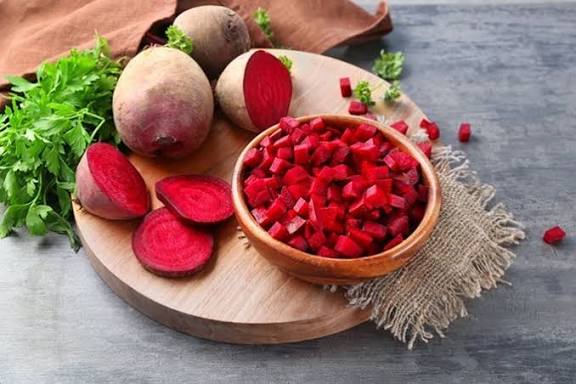
3. How to Eat Beets and a Safe Daily Amount
There is no strict, universal formula,
but based on research and expert opinion, we can outline some practical guidelines for how to eat beets and a reasonable daily amount.
3-1. General Adult Guidelines
For most healthy adults without major kidney or blood pressure issues:
Beet juice
- Around 100–200 mL (3–7 fl oz) per day
- Start below 100 mL and increase slowly, watching how your body responds
Whole beets (raw or cooked)
- About one small beet (80–100 g / 3–3.5 oz)
- A few times per week (for example, 3–4 times weekly) is usually enough
These suggestions are for generally healthy adults with:
- No history of kidney stones
- No severe low blood pressure
- No advanced kidney disease
3-2. If You Have High Blood Pressure (Using Red Beet Juice)
If you’re thinking about using red beet juice for blood pressure,
research often uses patterns like:
- About 1 small cup (around 150 mL / 5 fl oz) per day
- Often taken in the evening or 2–3 hours before bedtime
But if you already take blood pressure medications, you need to be careful.
When you start beet juice:
- Track your blood pressure morning and evening for 1–2 weeks
- Pay attention to any dizziness, fatigue, or unusual symptoms
This helps you figure out a beet intake level that supports your blood pressure without pushing it too low.
3-3. When You Should Cut Back or Avoid Beets
If any of the following applies to you,
it’s better to think in terms of “occasional, small servings” rather than daily intake:
- A history of kidney stones
- Chronic kidney disease or being on dialysis
- Naturally low blood pressure
- Gout or very high uric acid levels
- A very sensitive or irritable gut
In these cases, the possible beet side effects may outweigh the benefits,
so using beets as a small side dish now and then is usually a safer approach.
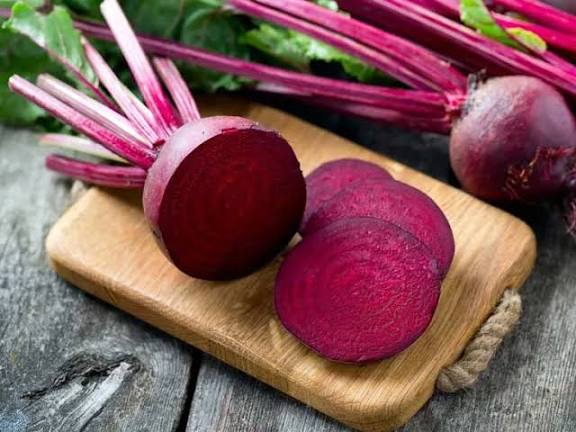
4. Practical Tips: 5 Easy Ways to Use Beets in Daily Life
Finally, here are some practical ideas you can start using right away.
These tips are designed to maximize beet benefits while minimizing beet side effects.
1) Think of Beets as “One More Vegetable,” Not a Miracle Cure
If you expect beets to cure every health problem,
you’ll probably end up disappointed—or overdoing it.
It’s much healthier to think:
“Today I’m just adding one more vegetable to my plate.”
Use beets as:
- A colorful salad ingredient
- A side dish
- A small addition to your usual meals
rather than a miracle remedy.
2) Start Beet Juice with “Half a Glass”
When you first try beet juice:
- Begin with just 2–3 sips or about 50–100 mL
- See how your stomach feels
- Check whether your blood pressure drops too much
- Watch your energy level over the next few hours
Then, over a week or two, slowly adjust the amount if you tolerate it well.
3) Choose Boiled or Steamed Beets Over Raw If You’re Worried About Stones
If you’re concerned about kidney stones or oxalates,
it’s wiser to choose:
- Boiled beets
- Or steamed beets
rather than eating them raw all the time.
Cooking beets in water can reduce some of their oxalate content,
which may ease the burden on your kidneys.
4) Pair Beets with Calcium-Rich Foods
The oxalates in beets can bind to calcium in your gut,
which may help reduce oxalate absorption.
Try pairing beets with foods like:
- Milk or yogurt
- Cheese
- Tofu
- Small dried anchovies or other calcium-rich sides
For example:
- Steamed beet salad topped with a little cheese
- Beet side dish served alongside tofu or a yogurt-based sauce
5) Create Your Own “Beet Baseline”
Everyone’s body is different.
Some people feel lighter and more energetic when they add beets to their diet.
Others may notice more bloating, discomfort, or dizziness.
For 1–2 weeks, try:
- Writing down how much beet you eat or drink each day
- Tracking your blood pressure, digestion, and bowel movements
Over time, patterns will emerge, and you’ll be able to see:
“This is the beet intake level that feels right for my body.”
That personal “beet baseline” is far more useful than any generic rule.
5. Key Takeaways and Final Thoughts
Let’s quickly wrap up the essentials.
Beet Benefits
- Can help support blood pressure and artery health
- Offer antioxidant and liver support
- May boost exercise stamina and reduce fatigue
- Support gut health and regular bowel movements
Beet Side Effects
- High in oxalates, which may increase the risk of kidney stones in susceptible people
- May lower blood pressure too much when combined with blood pressure medications
- Can cause digestive discomfort in people with gout, high uric acid, or sensitive digestion
- May temporarily cause red urine or stool (beeturia), which is usually harmless
How Much to Eat
- Healthy adults:
- Beet juice: about 100–200 mL per day
- Cooked beet: about one small beet, a few times per week
- People with high blood pressure:
- Start low, track your blood pressure, and adjust carefully alongside your medication
- People with kidney, blood pressure, gout, or gut issues:
- Stick to small, occasional portions, not daily intake
Beets aren’t a magic cure,
but they can be a valuable part of a heart-healthy, balanced diet.
If you:
- Reduce excess salt
- Eat plenty of vegetables and whole grains
- Include quality protein
- And add a modest amount of beet now and then
you’re creating a far more powerful foundation for long-term health than any single “superfood” could offer.
The next time you see beets at the store,
you’ll know exactly how far their “artery-cleaning” reputation really goes,
and you’ll be better prepared to decide how to use them in a way that fits your own body and lifestyle.
Important Note
This article is for general information and education only.
It does not replace a personal consultation, diagnosis, or treatment plan from your healthcare provider.
If you have existing medical conditions or take prescription medications,
talk with your doctor before making big changes to your diet or adding concentrated beet products.






최근댓글