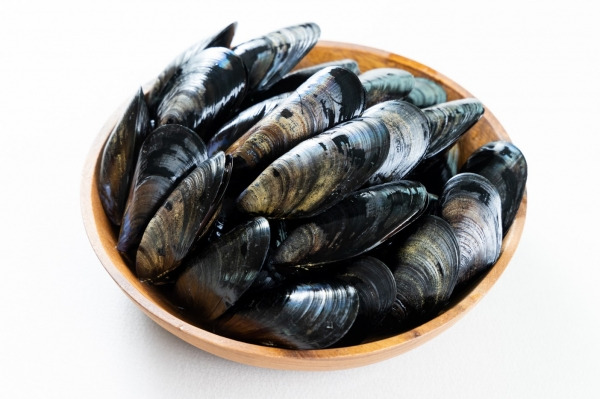
1. Why Are Mussels Called “Sea’s Superfood”?
On a cold day, just thinking about a steaming bowl of mussel soup is enough to warm you up.
Many people wonder:
“I thought mussels were only good for soup. Are they actually healthy?”
“Is there one place that clearly explains mussel benefits and side effects all together?”
Mussels are far more than just a flavor booster for broth.
They are a high-protein, low-fat, relatively low-calorie seafood packed with vitamins and minerals.
Research on shellfish, including mussels, shows that they are rich in:
- High-quality protein
- Omega-3 fatty acids (EPA and DHA)
- Vitamin B12, iron, zinc, and selenium
In other words, mussels are considered a nutrient-dense food that delivers a lot of nutrition per calorie.
In winter, when mussels are in season, the flesh becomes plump and flavorful.
That’s why people often call them a “sea’s superfood” or “sea’s health tonic” — the taste and nutrition are both at their peak.

2. Mussel Calories and Nutrition at a Glance
Let’s start with one of the most common questions:
“How many calories do mussels have per 100g?”
(Values can vary slightly depending on the database and cooking method.)
Approximate nutrition per 100g of mussels:
- Calories: about 90–150 kcal
- Protein: 13–24 g
- Fat: 2–8 g (a portion of this is omega-3)
- Carbohydrates: 3–7 g
So, in simple terms:
“Mussels are lower in calories than you’d expect, but packed with protein and minerals.”
Key nutrients that support mussel benefits:
- Protein → Helps maintain muscles, skin, and immune cells
- Iron & Vitamin B12 → Support red blood cell production and help with anemia and fatigue
- Omega-3 (EPA, DHA) → Support heart and blood vessel health
- Zinc & Selenium → Contribute to immune function and antioxidant protection
Put together, mussel benefits can be summed up as:
“A light-calorie seafood that is densely packed with the nutrition your body needs.”
3. 10 Health Benefits of Mussels
Now let’s break down 10 key mussel benefits in a simple, easy-to-understand way.
1) Support for Heart and Blood Vessel Health
Mussels contain omega-3 fatty acids and potassium.
These nutrients may help:
- Lower blood triglycerides
- Relax and protect blood vessels
If you’re worried about blood pressure or cholesterol,
simply choosing mussel soup or steamed mussels instead of deep-fried dishes can make your overall diet lighter and more heart-friendly.
2) Nutritional Support for Joint and Cartilage Health
Studies on green-lipped mussel extract from New Zealand suggest that it may help reduce pain and stiffness in people with osteoarthritis.
The mussels we commonly eat are not exactly the same as these specific extracts,
but they share similar components such as:
- Omega-3 fatty acids
- Lipid compounds that may help reduce inflammation
Because of this, mussels are often considered a joint-friendly food from a nutritional standpoint.
3) Help with Anemia and Fatigue
Mussels are rich in iron and vitamin B12,
two nutrients that are essential for making healthy red blood cells.
You may benefit from adding mussel dishes to your weekly menu if:
- You often feel tired or light-headed
- You don’t eat much red meat
Having mussel dishes once or twice a week can be a simple way to support energy levels.
4) Support for Immunity and Antioxidant Defense
Mussels provide zinc, selenium, and various antioxidant compounds
that help the body manage oxidative stress.
If you:
- Catch colds easily, or
- Often feel run-down and heavy
then mussels can be a smart choice that combines protein, minerals, and antioxidants in one food.
5) Helpful for Weight Management and Dieting
Because mussel calories per 100g are around 90–150 kcal,
yet they are high in protein and quite filling, they can support weight management.
If you choose:
- Mussel soup
- Steamed mussels
- Mussel rice
instead of late-night noodles or fried foods,
you can reduce fat and calories while still getting plenty of protein and minerals.
This is a key reason why many people say “mussels are good for dieting.”
6) Support for Brain and Nerve Health
Omega-3 fatty acids (EPA, DHA) and vitamin B12 play important roles in keeping brain and nerve cells healthy.
Mussels are not a “miracle brain food” that instantly boosts memory,
but for middle-aged and older adults,
regularly eating seafood rich in omega-3 and B12 — including mussels — can be a positive habit for long-term cognitive health.
7) A Strong Protein Source for Muscles and Strength
Mussels are a high-protein seafood.
They’re especially useful if:
- You exercise regularly, or
- You’re older and worried about muscle loss
They offer a nice change of pace when you’re tired of eating chicken breast or the same meats over and over,
making mussels a practical alternative protein source.
8) Higher Meal Satisfaction and Comfort
A meal with warm mussel soup, rice, mussel rice, or steamed mussels
naturally feels more satisfying.
Because you get fullness, flavor, and visual enjoyment together,
mussels can make you feel like you’re being properly treated —
even if you’re still watching your calories or trying to lose weight.
9) A More Eco-Friendly Protein Option
Compared with many land-based meats,
mussels and other shellfish generally require less feed and produce fewer emissions during farming.
If you care about both your family’s health and the environment,
mussels can be a more sustainable protein choice.
10) Highly Versatile in Cooking
How to eat mussels? You have plenty of options:
- Mussel soup
- Steamed mussels
- Mussel rice
- Mussel pasta or risotto
Because mussels fit into so many dishes,
they’re easy to enjoy regularly without getting bored,
which makes it easier to stick to healthier eating habits.
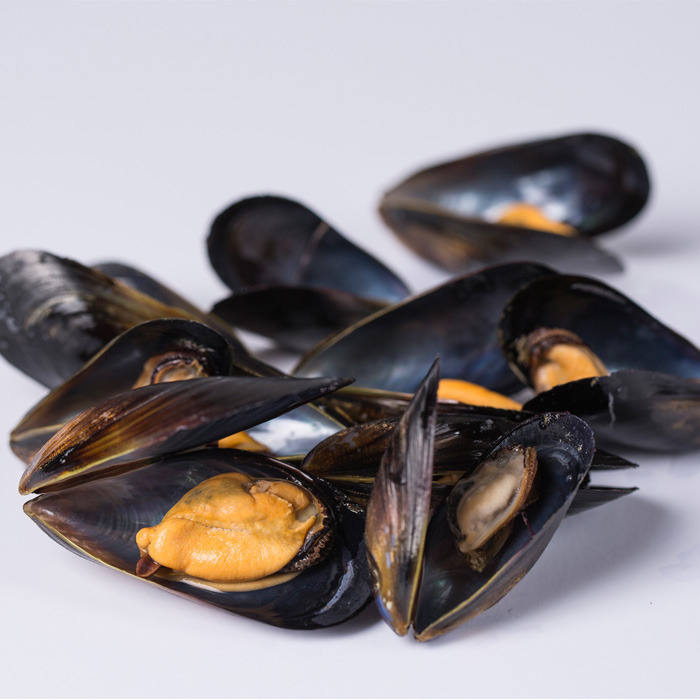
4. Mussel Side Effects and Who Should Be Careful
No matter how healthy a food is, it’s important to understand potential mussel side effects.
Three key points to watch are allergies, shellfish toxins, and uric acid (gout).
1) Mussel and Shellfish Allergies
People with allergies to shellfish, including mussels,
can react even to small amounts.
Possible symptoms include:
- Itching or swelling around the lips and mouth
- Hives or skin rashes
- Stomach pain, vomiting, or diarrhea
- In severe cases, difficulty breathing or low blood pressure (anaphylaxis)
If you’ve ever had a bad reaction after eating shrimp, clams, mussels, or other shellfish,
you should always consider allergy risk first before adding mussels to your diet.
2) Shellfish Toxins (Paralytic Shellfish Poisoning)
Mussels and other shellfish can accumulate toxins produced by certain marine algae (toxic plankton).
Eating mussels contaminated with these toxins may cause:
- Numbness around the mouth
- Dizziness
- In severe cases, weakness or breathing paralysis
Most countries, including Korea, regularly monitor harvesting areas and
ban collection when toxin levels are high.
For safety, it’s best to:
- Avoid mussels or shellfish collected directly from the beach
- Buy from reliable markets or stores that follow safety regulations
3) Caution for People with Gout or High Uric Acid
Mussels, like many shellfish, contain a fair amount of purines,
which are broken down into uric acid in the body.
If you have gout or hyperuricemia (high uric acid):
- Avoid eating a large amount at one time
- Limit to small portions, about once a week or less, and
- Discuss with your doctor about how much is safe for you
4) Too Much Sodium from Soup and Seasoning
Mussels themselves are not extremely high in sodium,
but mussel soup and stews often contain:
- Salt
- Soy sauce
- Instant soup bases or ramen seasoning
This can easily push your daily sodium intake above recommended levels.
If you have high blood pressure or kidney issues,
try to:
- Focus on the mussels and vegetables, and
- Limit mussel broth to about one-third of the bowl
This simple habit can noticeably lower your sodium intake.
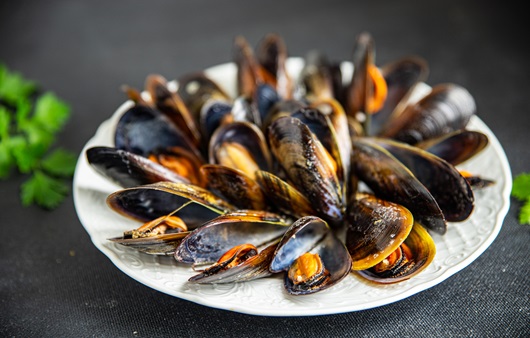
5. How to Eat Mussels: Serving Size and Healthy Recipes
Now let’s talk about how to eat mussels in a safe and healthy way,
and look at a practical mussel serving size guide.
1) Recommended Daily Serving Size
For most healthy adults, a reasonable guideline is:
- About 70–100 g of mussel meat per meal
(roughly 200–300 g of mussels with shells) - Two to three times per week is usually plenty
If you have high uric acid, gout, or kidney problems:
- Limit mussels to once a week or less, and
- Discuss your individual situation with your healthcare provider
2) Healthy Ways to Eat Mussels
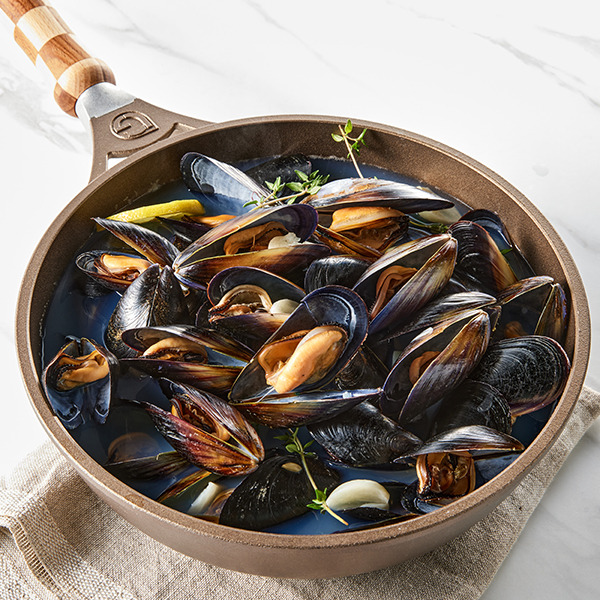
① Clear Mussel Soup
- Use mussels, garlic, green onion, ginger, and a small amount of salt
- Skip instant soup mixes or ramen seasoning
- Use anchovy and kelp broth instead to keep the sodium lower while maintaining flavor
This creates a light but flavorful mussel soup that is much friendlier for blood pressure and overall health.
② Steamed Mussels with Vegetables
- Steam mussels together with onion, bell pepper, and broccoli
- You’ll get protein, vitamins, and fiber in the same dish
A little bit of olive oil and lemon juice can brighten the flavor without overloading on salt.
③ Mussel Rice or Mussel Bibimbap-Style Bowl
- Cook rice with mussels, garlic, and a splash of light soy sauce for mussel rice
- Or mix cooked mussels with assorted vegetables and rice to make a mussel veggie bowl
Using brown rice, barley, or mixed grains instead of only white rice
helps stabilize blood sugar and keeps you full longer.
3) Foods That Pair Well with Mussels
To maximize mussel benefits and balance your meal:
- Seaweeds (kelp, sea mustard, etc.) → Extra minerals and fiber, deeper broth flavor
- Green onions, garlic, onions, leeks → Antioxidant and anti-inflammatory synergy
- Brown rice, oats, mixed grains → Help control blood sugar and improve satiety
These combinations help you enjoy mussels more often while keeping your overall diet balanced.
6. How to Choose and Store Fresh Mussels
Knowing how to choose mussels and how to store mussels safely
is just as important as knowing about their health benefits.
1) How to Choose Fresh Mussels
Look for mussels that:
- Have shells tightly closed, or that close quickly when tapped
- Do not smell strongly fishy, but instead have a clean, sea-like aroma
- Have shells that are intact (avoid cracked or broken shells)
- Do not look excessively dried out inside
Choosing fresh mussels is the first step in reducing the risk of foodborne illness and maximizing flavor.
2) How to Clean and Store Mussels
How to Clean Mussels
- Rinse the mussels under running water several times to remove sand and debris.
- Use a brush or the back of a knife to scrub off any barnacles or dirt on the shell surface.
- Firmly pull out the beard (byssus) that sticks out from between the shells.
How to Store Mussels
- Refrigerator:
- Cover mussels with a damp paper towel and store them in the fridge
- Use within 1–2 days
- Freezer:
- Remove the meat from the shells
- Place in a freezer bag, seal well, and freeze
- Try to use within about 1 month
Proper mussel storage not only preserves flavor but also reduces the risk of food poisoning and other mussel side effects related to spoilage.
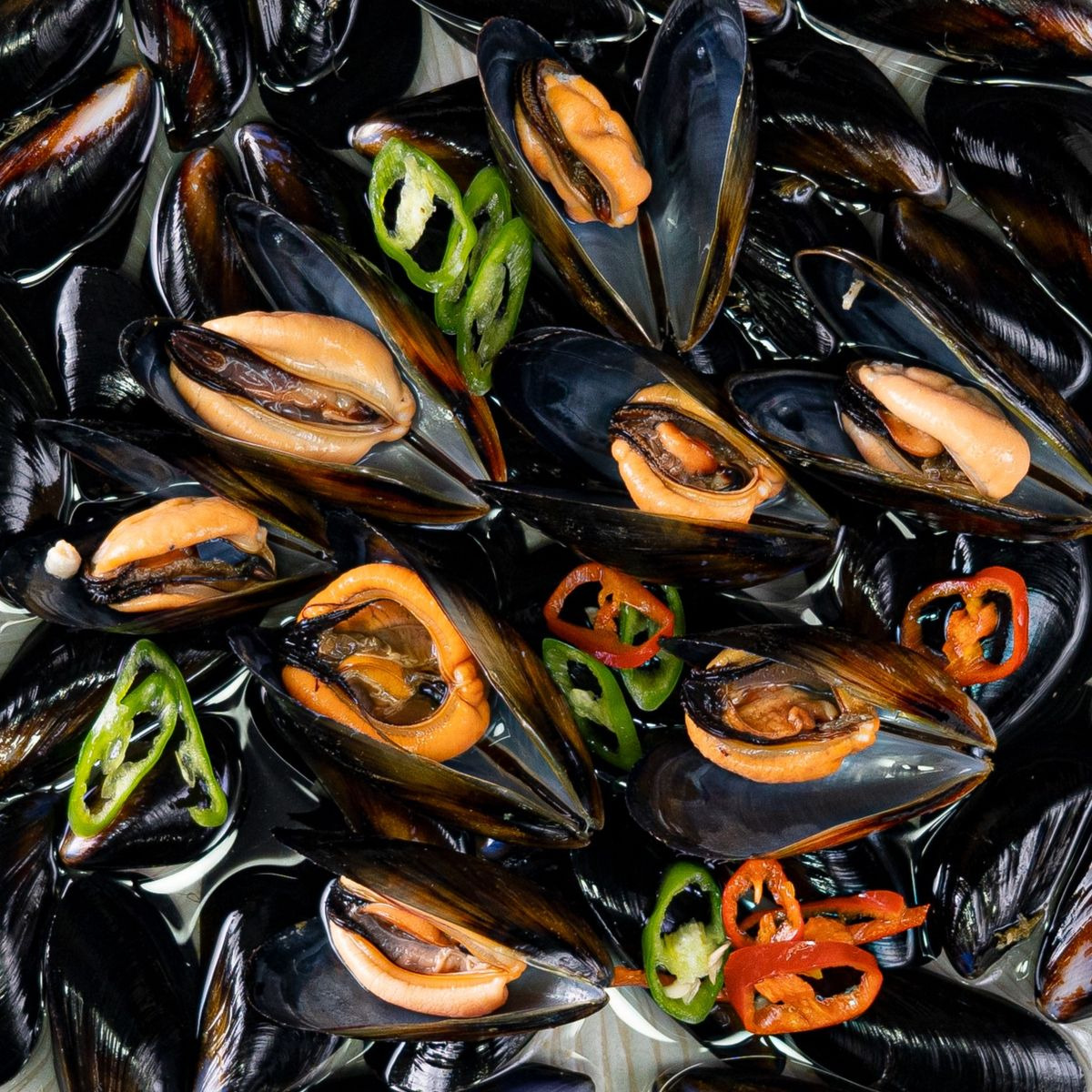
7. Simple Everyday Tips for Enjoying Mussels Safely
Here are five practical tips you can start using right away.
- Create a “Mussel Day” Instead of a Heavy Meat Day
- Once a week, swap out greasy meats or fried foods for mussel soup, mussel rice, or steamed mussels
- This naturally cuts calories and saturated fat while increasing protein and minerals
- Don’t Always Finish the Broth
- Mussel soup tastes amazing, but the broth can contain a lot of sodium
- Try eating mostly the mussels and vegetables, and limit the broth to half or one-third of the bowl
- Always Add Vegetables and Whole Grains
- Instead of just loading up on mussels,
- Pair them with mixed-grain rice, salad, and seaweed
- This combination improves blood sugar control, fullness, and nutrient balance
- If You Have a Family History of Shellfish Allergy, Test Small First
- If you’re worried about shellfish allergy,
- Start with one or two mussels, wait, and see how your body reacts
- Only increase the amount if there is no itching, swelling, or discomfort
- Enjoy Mussels More as a Meal than as Bar Food
- Mussels are a popular bar snack, but
- When combined with alcohol, they can put extra stress on uric acid, liver, and blood pressure
- It’s healthier to enjoy mussels as a proper meal or side dish with rice, not just as a late-night drinking snack
8. Key Takeaways and Final Notes
To sum up, mussel benefits cover a wide range of areas:
- Heart and blood vessel support
- Nutritional support for joints and cartilage
- Help with anemia and fatigue
- Immune and antioxidant support
- Weight management and diet-friendly meals
- Brain and nerve health
- Muscle and strength maintenance
- Higher meal satisfaction
- More eco-friendly protein compared to many meats
- High versatility in everyday cooking
On the other hand, key mussel side effects and cautions include:
- Shellfish allergies
- Shellfish toxins (paralytic shellfish poisoning)
- Gout and high uric acid
- Excess sodium when the broth is heavily seasoned
The healthiest way to eat mussels is to:
- Choose cooking methods like soup, steaming, and rice dishes that don’t require a lot of oil
- Keep your mussel serving size reasonable
- Practice proper mussel storage and cleaning, and
- Combine mussels with vegetables and whole grains
When you understand how to eat, choose, and store mussels correctly,
they can become a reliable “sea’s superfood” that supports your health throughout the winter and beyond.
Medical Disclaimer
The information provided in this article is for general health and educational purposes only.
It is not a substitute for professional medical advice, diagnosis, or treatment.
If you have specific symptoms or medical conditions, always consult a qualified healthcare professional for an accurate evaluation and personalized recommendations.






최근댓글