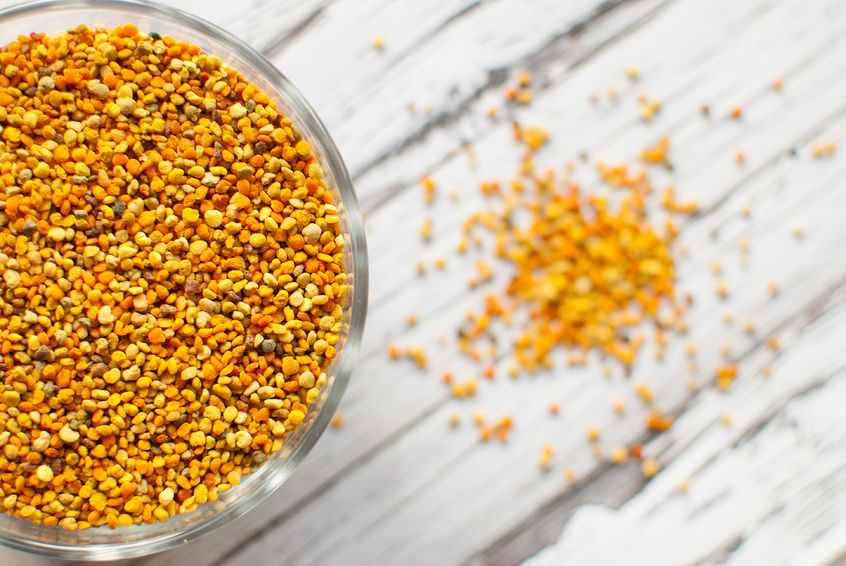
1. What Is Bee Pollen? A Simple Explanation
You might be wondering, “What makes bee pollen so good for my health?”
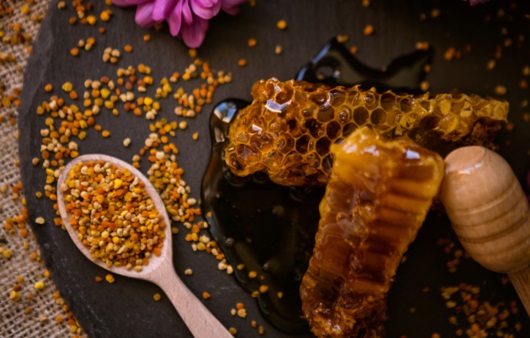
The “bee pollen” we eat (also called bee pollen granules, bee bread, or pollen pellets) is not just plain flower pollen. It’s made when a honeybee:
- Collects pollen from flowers
- Mixes it with a little honey and bee saliva
- Rolls it into tiny golden pellets and carries it back to the hive
For the bee, this is a high-protein food source.
For us, it’s a concentrated nutrient-dense superfood.
Inside each tiny pellet of bee pollen, you’ll find:
- Carbohydrates
- Protein (including essential amino acids)
- Healthy fats (including essential fatty acids)
- B vitamins and various minerals
- Antioxidants such as polyphenols and flavonoids
Because of this rich profile, bee pollen is often described as a “nutritional capsule from nature” or a food that comes close to a “complete food.”
That said, it’s important to keep one thing in mind:
There are still very few large, long-term human studies looking at bee pollen alone.
So the most realistic way to look at bee pollen is this:
It’s a promising health-supporting food and dietary supplement,
not a miracle cure or a replacement for medication.
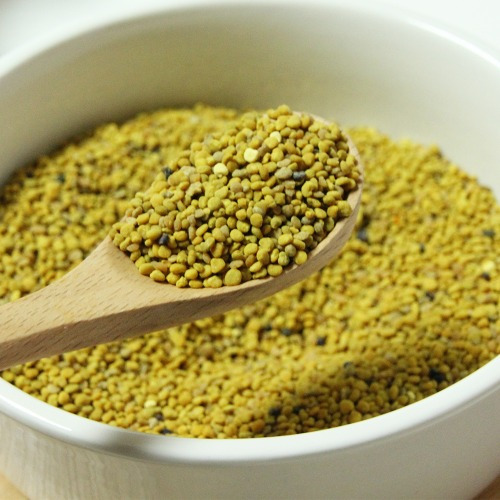
2. Bee Pollen Benefits You Can Realistically Expect
2-1. Immune Support and Inflammation
Bee pollen is naturally rich in antioxidants like polyphenols and flavonoids.
These compounds help reduce oxidative stress – the “wear and tear” caused by unstable molecules called free radicals.
By calming oxidative stress, bee pollen may:
- Support a healthier inflammatory response
- Help the body maintain better immune balance over time
That’s why you’ll often see bee pollen associated with:
- Immune support
- General “vitality” or “overall resilience”
It’s not a magic shield against every infection,
but it can be one more supportive piece in an overall healthy lifestyle.
2-2. Tired All the Time? Why Bee Pollen Is Used for Energy
Many people reach for bee pollen as a natural energy booster or gentle “pick-me-up.”
The logic is simple:
- Protein → helps maintain muscles and body tissues
- B vitamins → essential for energy production
- Minerals → support countless metabolic reactions
This combination can help your body use energy more efficiently,
especially when you’re under stress or not eating perfectly.
A lot of people share similar experiences:
“When I add a spoonful of bee pollen to my breakfast yogurt,
I snack less and feel less wiped out in the afternoon.”
Just keep in mind:
- Bee pollen is an energy-supporting food, not a substitute for sleep.
- If you’re always exhausted, you still need to look at sleep, stress, and overall diet first.
2-3. Heart, Blood Sugar, and Metabolic Health: Where Does Bee Pollen Fit?
There aren’t many human trials using bee pollen alone.
However, some studies using bee products that include pollen, honey, or propolis have shown:
- Improvements in cholesterol levels
- Signals of better blood pressure and blood vessel function
Because of this, you may see marketing phrases such as:
- “Support heart and blood vessel health with bee pollen”
- “Bee pollen for metabolism and weight management”
In reality, a more accurate summary is:
Bee pollen may support heart and metabolic health as part of an overall healthy lifestyle,
but it will not single-handedly lower your cholesterol or blood pressure.
It works best as one tool among many:
balanced diet, regular movement, and good sleep still come first.
2-4. Skin and Healthy Aging Support
Thanks to its antioxidant vitamins and polyphenols, bee pollen is also used in:
- Beauty supplements
- Certain skin and “anti-aging” formulas
These antioxidants may help:
- Neutralize free radicals caused by UV rays and daily stress
- Protect collagen and other components that keep skin firm and elastic
That’s why “bee pollen for skin and anti-aging” is becoming more common in beauty marketing.
Still, it’s important to stay realistic:
Bee pollen can support skin and healthy aging from the inside,
but it won’t radically transform your skin on its own.
Think of it as a nutritional bonus, not a cosmetic procedure.
3. Bee Pollen Side Effects and Allergy Warnings: Read This First
When we talk about bee pollen side effects,
the most important topic is allergic reactions.
Remember, bee pollen is made from the pollen of many flowers.
For sensitive people, this can trigger strong reactions.
3-1. If You Have Seasonal Allergies or Hay Fever
You may need to be extra careful if you have:
- Seasonal allergic rhinitis (hay fever)
- Known pollen allergies
- Past reactions to honey, bee stings, or certain fruits
In those people, the risk of bee pollen allergy is higher.
Reported severe reactions include:
- Swelling of the lips, eyes, or face
- Full-body hives or intense itching
- Trouble breathing or tightness in the chest
- In rare cases, anaphylaxis, a life-threatening allergic reaction
So if you have this kind of allergy history, it’s safer to:
Skip the “I’ll just try a spoonful and see what happens” approach,
and instead discuss bee pollen with your doctor or allergist first.
3-2. Mild Digestive Discomfort and Other Symptoms
Some people experience milder bee pollen side effects, such as:
- Bloating or stomach discomfort
- Diarrhea or cramping
- Headaches
- A feeling of puffiness or slight swelling
If you notice these symptoms:
- Stop taking bee pollen.
- Watch whether the symptoms fade.
- Only consider trying again later, and at a much smaller dose – or avoid it entirely if you’re unsure.
Your body’s reaction is valuable data.
If it doesn’t seem to agree with you, there’s no need to force it.
3-3. Bee Pollen and Pregnancy, Breastfeeding, or Young Children
For pregnant women, breastfeeding moms, and young children,
we simply don’t have enough high-quality research on bee pollen safety.
Because this period is especially sensitive –
and allergic reactions can be more concerning –
most experts recommend caution.
In practice, that means:
- Avoid starting bee pollen on your own during pregnancy or breastfeeding
- Don’t give bee pollen to infants or small children without professional guidance
When in doubt, it’s better to hold off and ask a healthcare professional first.
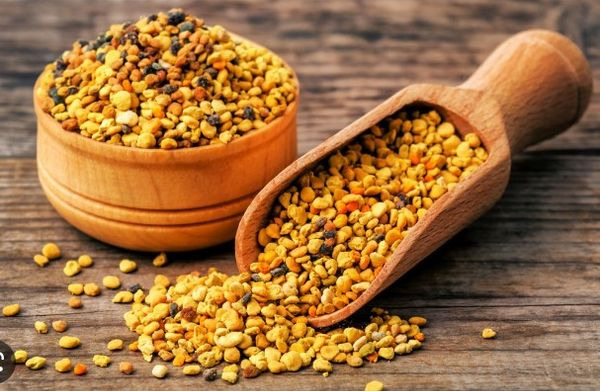
4. How to Take Bee Pollen and How Much Per Day
Now let’s look at how to take bee pollen and a reasonable bee pollen daily dosage.
4-1. A Safe Starting Dose for Adults
There is no official global standard dose,
but based on product guides and expert opinions, a practical approach is:
Step 1 – Test phase (first 2–3 days)
- Start with 1–2 g per day
(roughly 10–20 small granules) - Watch for signs of allergy:
itching, hives, swelling, trouble breathing, unusual digestive issues
Step 2 – If there are no reactions
- Gradually increase to about 3–5 g per day
(around one small teaspoon or less)
Some people take more,
but if your goal is to enjoy benefits while lowering risk,
a small, consistent daily amount is usually enough.
4-2. When and How to Take Bee Pollen
The good news: bee pollen is very easy to use.
Here are simple, popular ways to take it:
- With Breakfast
- Sprinkle bee pollen over plain yogurt, milk, soy milk, or oatmeal.
- If your stomach is sensitive, avoid taking it on a completely empty stomach.
Combining it with a light meal is gentler on digestion.
- Mixed with Honey and Warm Water
- Stir 1 spoon of honey + bee pollen into a glass of lukewarm water.
- Avoid very hot water – gentle warmth (around body temperature) is enough.
- As a Topping on Salads and Snacks
- Sprinkle bee pollen over salads, smoothie bowls, or fruit and nut mixes
to add extra crunch, flavor, and nutrition.
- Sprinkle bee pollen over salads, smoothie bowls, or fruit and nut mixes
Used this way, “how to take bee pollen” becomes very natural –
you’re simply upgrading the meals you’re already eating.
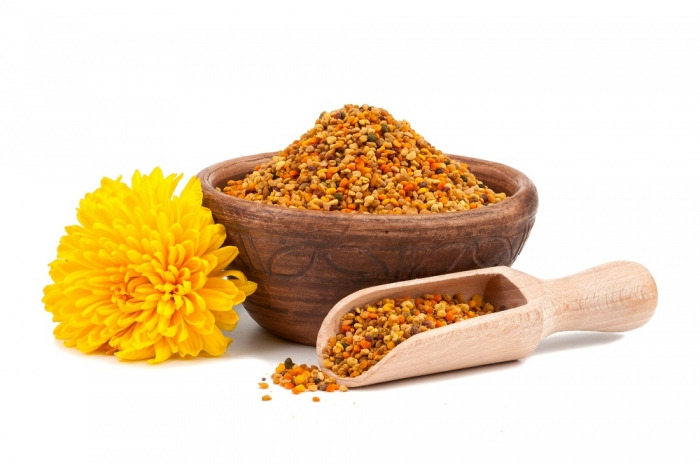
5. How to Store Bee Pollen and Choose a Quality Product
5-1. Basic Bee Pollen Storage Rules
Correct bee pollen storage can help keep its nutrients and flavor intact.
The three main enemies are light, moisture, and heat.
To store bee pollen properly:
- Use an airtight container
- After opening, transfer bee pollen to a jar or container with a tight-fitting lid.
- Less air means less oxidation and moisture.
- Keep it cool and away from direct sunlight
- Avoid hot spots such as above the stove or in direct sun.
- A cool cupboard or pantry is okay, but the refrigerator is even better.
- Refrigerate or freeze for longer storage
- If you’ll finish it in 2–3 months, the fridge works well.
- For longer storage, freeze small portions and take out only what you need.
5-2. How to Choose Good Bee Pollen: A Simple Checklist
When you’re shopping, check the following:
- Clear origin and floral source
- Labels like “Korean wildflower pollen” or “European wildflower bee pollen”
are more transparent than vague descriptions.
- Labels like “Korean wildflower pollen” or “European wildflower bee pollen”
- Natural color and aroma
- It’s normal to see a mix of yellow, orange, and brown granules.
- There should be a pleasant, slightly floral or honey-like smell.
- If you notice a musty, moldy, or very off odor, don’t use it.
- Information on drying and storage
- Phrases such as “low-temperature drying,” “cold storage,” or
“carefully controlled moisture” suggest better handling and quality control.
- Phrases such as “low-temperature drying,” “cold storage,” or
Choosing bee pollen with this checklist in mind will help you avoid poor-quality products and enjoy a safer experience.
6. Five Practical Tips to Enjoy Bee Pollen Safely
Here are 5 simple, actionable tips to get the most out of bee pollen benefits while staying safe.
- Follow the “3-Day Test Rule”
- For the first three days, take less than 1 g (a few granules) at a time.
- Watch closely for any signs of bee pollen allergy.
- If anything feels off, stop immediately.
- “A Little, Consistently” Works Best
- Aim for 3–5 g per day, divided between morning and midday.
- Smaller, regular servings are easier on your stomach and still effective as nutritional support.
- Use Bee Pollen to Upgrade Your Breakfast
- Try this simple recipe:
plain yogurt + fresh fruit + nuts + bee pollen - In one bowl, you get protein, fiber, and antioxidant-rich toppings.
- Try this simple recipe:
- Avoid Overlapping Too Many Bee Products
- If you already take honey, propolis, royal jelly, or multiple bee supplements,
adding large amounts of bee pollen might be unnecessary –
and it can increase sugar intake and cost. - Simplify: keep only what you truly need.
- If you already take honey, propolis, royal jelly, or multiple bee supplements,
- Tell Your Doctor if You Have Chronic Conditions or Take Medication
- If you’re on blood thinners, have allergies, asthma, or autoimmune conditions,
let your healthcare provider know you’re taking bee pollen. - This helps them see the whole picture and advise you more safely.
- If you’re on blood thinners, have allergies, asthma, or autoimmune conditions,
7. Key Takeaways and Final Thoughts
Let’s bring everything together.
- Bee pollen (bee pollen granules)
is made from flower pollen mixed with honey and bee salivary enzymes,
forming nutrient-dense pellets rich in protein, vitamins, minerals, and antioxidants. - Bee pollen benefits may include:
- Support for immune health and antioxidant protection
- Help with fatigue and energy levels
- Possible support for heart, metabolic, and skin health as part of a healthy lifestyle
- However, high-quality human research is still limited,
so the best way to view bee pollen is as a supportive dietary supplement,
not as a standalone treatment or cure. - The most serious bee pollen side effect is allergy,
including rare but severe anaphylactic reactions.
If you have a history of pollen, honey, or bee-related allergies,
or strong seasonal allergies, you should discuss bee pollen with a doctor before trying it. - For most adults, a practical approach is:
- Start with 1–2 g per day for a few days as a test
- If there’s no reaction, continue with 3–5 g per day
- Enjoy it in yogurt, salads, smoothies, or with honey and warm water
- Proper bee pollen storage means:
airtight container, cool and dark place, preferably refrigerated or frozen,
and avoiding unnecessary heat.
In the end, bee pollen works best when you:
Check whether it suits your body,
use small amounts consistently,
and combine it with a balanced, whole-food diet and healthy habits.
Used wisely, a spoonful of bee pollen can become
a small but meaningful ally for supporting immunity, energy, and healthy aging.
Health Information Notice
This article is for general health and educational purposes only.
It does not replace a medical diagnosis, personalized treatment, or professional medical advice.
If you have symptoms, chronic conditions, or are considering new supplements such as bee pollen,
please consult your doctor or qualified healthcare provider for guidance tailored to your situation.





최근댓글