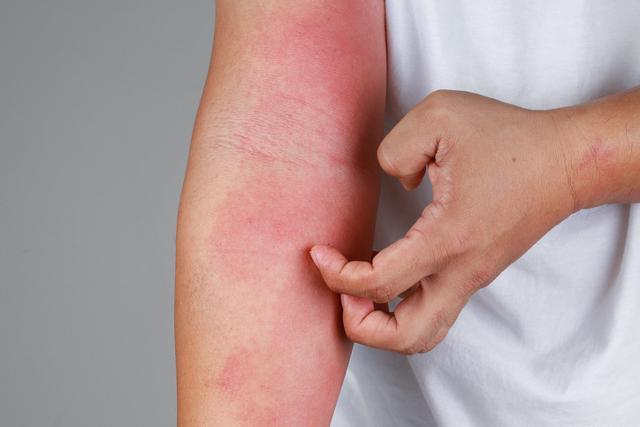
1. What Exactly Is Atopic Dermatitis?
“My child scratches all night and can’t sleep.”
“Every time I shower, my skin feels tight and turns red.”
If this sounds familiar, atopic dermatitis may be part of the picture.
Atopic dermatitis is a chronic inflammatory skin condition where itching and red rashes keep coming back over a long period of time.
It’s not just “sensitive skin.”
People with atopic dermatitis often have:
- A weakened skin barrier, so moisture escapes easily
- An over-reactive immune system that creates more inflammation
- Daily environmental and lifestyle triggers layered on top
Because of this, the skin becomes dry, itchy, and easily irritated.
Atopic dermatitis can:
- Start in infancy or childhood
- Improve and flare up again in teenage or adult years
- Affect not only the skin, but also sleep, work, school, and relationships
So it’s much more than a cosmetic issue – it is a condition that impacts overall quality of life.
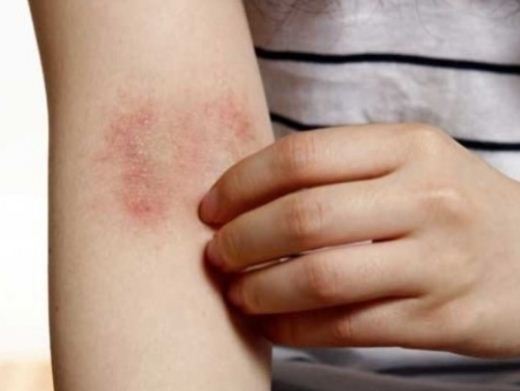
2. Four Main Factors That Make Atopic Dermatitis Worse
There is no single “one and only” cause.
In most people, several factors overlap and become triggers that worsen atopic dermatitis.
2.1. A Naturally Weaker Skin Barrier (Genetic Tendency)
The outer layer of our skin works like a protective barrier.
When that barrier is strong:
- Moisture stays inside the skin
- Dust, allergens, and irritants have a harder time getting in
In many people with atopic dermatitis, this barrier function is weaker by nature.
So in the same environment:
- One person may be fine
- Another person develops itchy, inflamed skin more easily and has more severe flare-ups
This doesn’t mean you did something wrong. It simply means your skin is more vulnerable and needs extra care.
2.2. An Over-Reactive Immune System
In atopic dermatitis, the immune system doesn’t just react to truly harmful things.
It tends to overreact, creating more inflammation than necessary.
As a result:
- The skin turns red and warm
- Itching becomes intense and constant
- Scratching leads to wounds, scabs, and sometimes oozing
That’s why many treatment plans include medications that calm down inflammation and the immune response.
2.3. Environmental and Lifestyle Triggers
Many everyday situations can worsen atopic dermatitis. For example:
- Winter heating and very dry indoor air
- Sudden temperature changes – going from hot to very cold or the opposite
- Air pollution, fine dust, cigarette smoke
- Dust mites and mold in bedding and soft furnishings
- Strongly scented body wash, fabric softener, or air fresheners
For skin that already has a weak barrier, these triggers can easily cause flare-ups and make symptoms more severe.
2.4. Stress and Lack of Sleep
When life gets stressful and sleep is short, atopic dermatitis often gets worse.
- Itching disrupts sleep → fatigue and irritability build up
- Feeling tired and on edge → you scratch more without even noticing
This cycle repeats and the skin has less chance to recover.
That’s why stress management and better sleep hygiene are considered important parts of atopic dermatitis care.
3. How Symptoms Change with Age and Location on the Body
The core symptoms of atopic dermatitis are similar – itching, redness, and dryness –
but the pattern can change depending on age and where it appears on the body.
3.1. Infant and Childhood Symptoms
Common childhood atopic dermatitis symptoms include:
- Red, rough patches on the cheeks, forehead, scalp, and outer arms or legs
- Thickened skin from frequent rubbing and scratching
- Waking up often at night because of intense itching
- Oozing and yellow crusts when the skin is scratched open
Many parents say the hardest part is watching their child scratch “from head to toe” and not knowing how to help.
3.2. Teen and Adult Atopic Dermatitis Symptoms
In teens and adults, atopic dermatitis often shows up as:
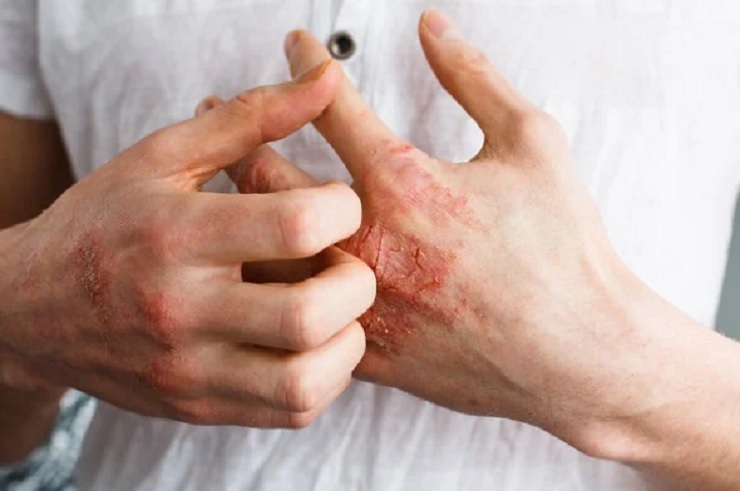
- Chronic itching in skin folds – neck, inner elbows, behind the knees, hands, and feet
- Rough, bumpy, or flaky dry skin
- Symptoms that get worse after a hot shower or in dry weather
- Tiredness from poor sleep and feeling self-conscious around others
Because adult atopic dermatitis affects work, social life, and mental health,
understanding the causes, symptoms, treatment, and daily management is especially important.
3.3. Simple Self-Check: When to Suspect Atopic Dermatitis
It may be atopic dermatitis if:
- Itching and red rashes have kept coming back for more than 6 months
- There is a family history of atopic dermatitis, allergies, asthma, or hay fever
- Your skin gets worse after a shower or during cold, dry seasons
- Night-time itching wakes you up or keeps you from falling asleep
If several of these sound familiar, it may be more than just “dry skin,”
and it’s worth considering atopic dermatitis as a possible diagnosis.
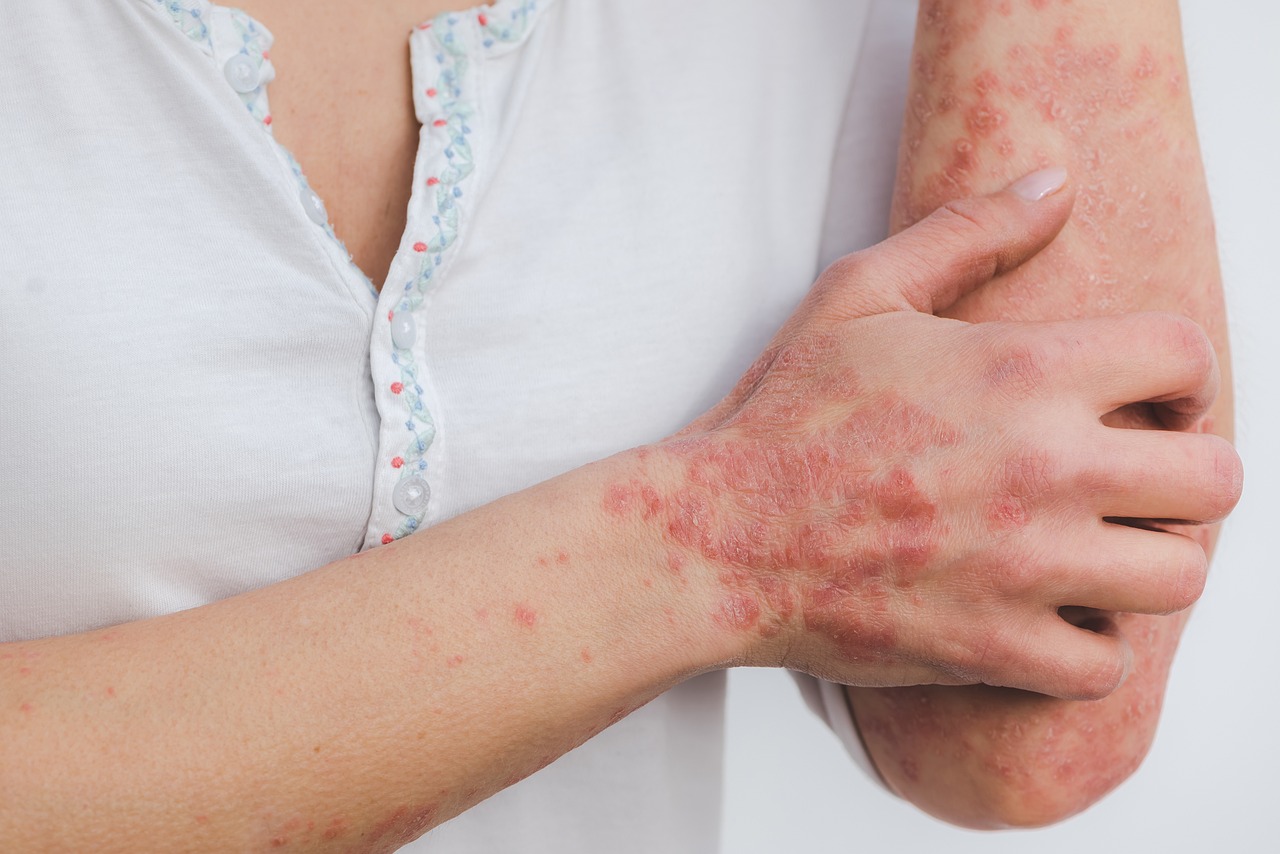
4. Medical Treatment for Atopic Dermatitis: A Step-by-Step Approach
Treatment for atopic dermatitis is usually stepwise.
Most plans focus on reducing symptoms and preventing flare-ups, rather than “erasing the cause” completely.
4.1. Step 1 – Gentle Cleansing, Moisturizing, and Reducing Irritation
No matter what medications you use, the foundation of care is protecting the skin.
Basic atopic dermatitis care includes:
- Keep showers and baths short – about 5–10 minutes
- Use lukewarm water, not very hot water
- Avoid harsh scrubbing, exfoliating gloves, and rough washcloths
- Apply a generous layer of moisturizer within 3 minutes after bathing
In many cases, switching from a light lotion to a thicker cream or ointment helps the skin hold moisture longer.
For some people, these basic steps alone significantly reduce itching and visible symptoms.
4.2. Step 2 – Prescription Creams for Inflammation (Topical Steroids and Immunomodulators)
When redness, swelling, and itching are more obvious, doctors may prescribe:
- Topical steroid creams or ointments
- Topical immunomodulators (such as tacrolimus)
Many people feel nervous about the word “steroid,”
but when you follow the prescribed amount, area, and duration, side effects can be minimized.
Delaying treatment out of fear can sometimes lead to more severe, harder-to-control flare-ups.
4.3. Step 3 – Light Therapy, Oral Medications, and Injections for Moderate to Severe Cases
For moderate to severe atopic dermatitis, or when creams and moisturizers are not enough, doctors may suggest:
- Phototherapy (ultraviolet light treatment)
- Systemic immunosuppressants (oral medications)
- Biologic injections (such as dupilumab and similar drugs)
- JAK inhibitor tablets
These treatments can be very effective, but they also require careful monitoring.
This is why they should always be used under the guidance of a dermatologist,
with regular follow-up to balance benefits, side effects, and long-term safety.
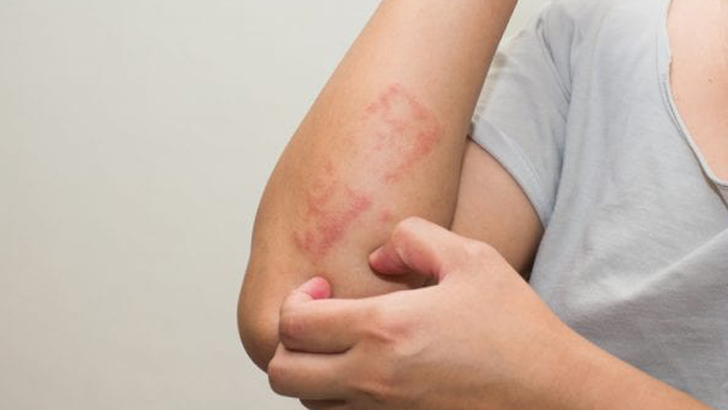
5. Five Daily Habits That Help You Manage Atopic Dermatitis at Home
Medical treatment is only half the story.
The other half is what you do every single day.
Even if you can’t remove every atopic dermatitis trigger,
you can build habits that lower your risk of flare-ups.
5.1. Build a Gentle “Atopic-Friendly” Bath Routine
Try this simple routine:
- Shower daily or every other day, for just 5–10 minutes
- Avoid body washes with strong fragrance and heavy foam
- Skip exfoliating scrubs and rough mitts
- Gently pat your skin dry with a soft towel instead of rubbing
- Apply a rich moisturizer right away
This kind of routine helps reduce dryness and irritation, which are major triggers for atopic dermatitis.
5.2. How to Choose a Moisturizer for Atopic Skin
Look for products that are:
- Low in fragrance, dyes, and alcohol
- Thicker in texture – creams or ointments rather than light lotions
- Suitable for your climate – in colder, drier months, you may need an extra ointment or oil
The most important part is not the brand name, but:
- Finding a product your skin tolerates well, and
- Using it at least twice a day, every day
Consistency matters more than perfection.
5.3. Creating a Skin-Friendly Home Environment
You can support your skin by adjusting your surroundings:
- Aim for indoor humidity around 40–60% (use a humidifier or wet towels if needed)
- Wash bedding, blankets, and curtains regularly in hot water
- Reduce items that collect dust, like carpets and large stuffed toys
- Cut back on heavily scented air fresheners, diffusers, and candles
These changes can reduce environmental triggers that irritate atopic skin.
5.4. Rethink Clothing and Bedding Choices
- Choose soft cotton or gentle performance fabrics
- Avoid rough, scratchy knits and very tight clothes
- Change out of sweaty clothes as soon as possible
For children, dressing them in several light layers and managing sweat well can make a big difference in daily comfort.
5.5. Nutrition and Whole-Body Health
The relationship between food and atopic dermatitis is highly individual.
That’s why it is helpful to track your symptoms and what you eat.
You can:
- Notice if certain foods reliably worsen your skin and adjust accordingly
- Cut back on chips, fast food, and deep-fried meals
- Eat more vegetables, fruit, whole grains, and healthy fats (like nuts and olive oil)
These dietary habits support your overall inflammation balance and benefit not just your skin, but your whole body.
6. Long-Term Management and Mindset: Reducing Relapse Over Time
For most people, atopic dermatitis is not something that disappears overnight.
It’s more like a condition you learn to manage and live with comfortably.
That’s why long-term management is just as important as short-term treatment.
6.1. Keep a Simple “Atopic Skin Journal”
You don’t need a complicated system – a few notes are enough:
- When your skin got worse (season, weather, stressful events)
- What seemed to trigger the flare-up (lack of sleep, certain products, specific situations)
- Which moisturizers or medications helped the most
Over time, patterns will emerge.
You’ll better understand your personal triggers and helpful strategies,
and your doctor will also have clearer information to work with.
6.2. Aim for “Realistic Control,” Not Perfection
When you’re exhausted from managing atopic dermatitis, thoughts like these easily come up:
- “Nothing works anymore.”
- “Do I have to live like this forever?”
In those moments, it can help to shrink your goals:
- “Today, I’ll just stick to my shower and moisturizing routine.”
- “This week, I’ll pay attention to indoor humidity and sleep.”
Small, sustainable steps add up.
Over time, they can reduce itching intensity, flare-up frequency, and daily discomfort.
6.3. Managing Atopic Dermatitis as a Family
For children with atopic dermatitis:
- Parents often feel guilty, as if it’s their fault
- Children may feel isolated, wondering “Why only me?”
In these cases, it helps when the whole family:
- Learns the basics of atopic dermatitis causes, symptoms, and treatment
- Sends a clear message:
- “This is not your fault. It’s a condition we handle together as a family.”
This kind of emotional support is a powerful part of long-term atopic dermatitis management.
7. Key Takeaways and Final Thoughts
Let’s wrap up the main points:
- Atopic dermatitis is a chronic inflammatory skin disease caused by a mix of weakened skin barrier, immune overreaction, and environmental/lifestyle factors.
- Atopic dermatitis causes are not just one thing; genetics, barrier function, immunity, environment, and stress all interact.
- Typical symptoms include itching, redness, and dryness, which look different depending on age and body location.
- Treatment usually follows a stepwise approach:
- Step 1: Gentle cleansing, moisturizing, and minimizing irritation
- Step 2: Prescription creams such as topical steroids or immunomodulators
- Step 3: Phototherapy, oral medications, or injections for more severe cases
- Daily management – smart bathing habits, a solid moisturizing routine, clothing and bedding choices, a skin-friendly home, and balanced eating – is the foundation for long-term control.
Most importantly, atopic dermatitis is not your fault.
It is a condition shaped by your skin type and environment – something you can learn to manage, step by step.
By gradually adjusting your habits, you can:
- Reduce how intense the itching feels
- Decrease how often flare-ups happen
- Take back control over your daily comfort and quality of life
If your symptoms last a long time or significantly interfere with your sleep, work, or school,
it’s worth moving beyond search results and working with a dermatologist to build a personalized plan.
Medical Disclaimer
This article is for general health information and educational purposes only.
It is not a substitute for professional medical advice, diagnosis, or treatment.
If you have concerns about your own symptoms or condition,
please consult a qualified healthcare provider or dermatologist for an accurate evaluation and personalized care.






최근댓글