
0. Introduction|Can Swapping Cookies for One Kiwi Really Help?
On a busy day, it’s easy to grab cookies, bread, or chips as a quick snack.
But many people quietly think:
- “I want more vitamins, but I’d rather get them from real food, not just pills.”
- “I’ve heard kiwi is good for you, but how much should I eat? Are there any side effects?”
Kiwi is a fruit that’s famously rich in vitamin C.
It also contains dietary fiber, potassium and various antioxidants, which may support:
- Immune health
- Fatigue recovery
- Digestion and constipation
- Sleep quality
In the past few years, several studies have suggested that people who eat gold and green kiwis regularly may see improvements in mood, energy levels, digestive comfort and sleep quality.
At the same time, there are some important kiwi side effects to know, such as:
- Kiwi allergy
- Tingling or irritation in the mouth
- Discomfort in people with sensitive stomachs
In this post, we’ll walk through:
- Kiwi benefits backed by nutrition and research
- Key kiwi side effects you should be aware of
- How to enjoy kiwi safely: how to eat kiwi, daily intake and storage tips
By the end, you’ll have a clear picture of how to use one simple kiwi instead of processed snacks to support your everyday health.

1. Kiwi Nutrition & Calories|Why Is It a “Vitamin C Powerhouse”?
To really understand kiwi benefits, it helps to look at the nutrition first.
On average, one medium kiwi (about 100 g) contains:
- Vitamin C – close to the recommended daily intake
- Dietary fiber – helps keep the bowels moving and may ease constipation
- Potassium – helps balance sodium and plays a role in blood pressure control
- Folate, vitamin K, vitamin E – involved in blood health and antioxidant defense
- Polyphenols and carotenoids – antioxidants that help protect cells from damage
- Calories – around 50 kcal per fruit, relatively low for a sweet snack
In simple terms, kiwi is a low-calorie fruit that’s packed with nutrients.
So if we put kiwi benefits and kiwi side effects at a glance, we can say:
- It’s gentle on your calorie budget, even if you’re watching your weight
- It helps you get vitamin C and fiber in one small fruit
- It fits nicely into snacks, late-night bites and weight-management meal plans
2. Top 5 Kiwi Benefits|Immunity, Gut Health, Sleep, Heart Health & Antioxidant Support
2-1. Immune Support and Fatigue Relief from Vitamin C
Eating just 1–2 kiwis a day can bring your vitamin C intake close to the daily recommendation.
Vitamin C plays a key role in:
- Supporting your immune system against everyday infections
- Reducing fatigue related to stress
- Protecting the body from oxidative stress
In some studies, people who ate gold kiwi every day for several weeks reported:
- Less fatigue
- Better overall mood and energy
That’s why kiwi benefits can be especially appealing if you:
- Don’t love taking multivitamin pills
- Feel tired but keep reaching for yet another cup of coffee
For many, adding kiwi is a simple way to support immunity and energy with real food.
2-2. A Gut-Friendly Fruit for Constipation and Digestion
One of the most noticeable kiwi benefits people report is better digestive comfort.
Kiwi contains:
- Dietary fiber, which helps move things along in the intestines
- A natural enzyme called actinidin, which helps break down protein
Because of this, several studies have found that in people with constipation,
eating about two green kiwis a day:
- Increased bowel movement frequency
- Improved stool consistency
- Reduced bloating and discomfort
That’s why you’ll often see kiwi described as a fruit that’s good for constipation and digestion.
Green kiwi in particular tends to contain more actinidin and more fiber, making it a great option if:
- You deal with constipation
- You eat a high-protein diet (like lots of chicken breast or steak) and feel heavy afterward
In those cases, adding kiwi to your routine can be a practical and gentle “food-based” approach to better gut health.
2-3. Possible Support for Better Sleep Quality
Kiwi also contains:
- Serotonin
- Various antioxidants
Because of this, there has long been a belief that eating kiwi before bed might improve sleep.
In some small studies, people who had trouble sleeping were asked to:
- Eat kiwi daily for several weeks
Many of them experienced:
- Shorter time to fall asleep
- Better scores on sleep quality questionnaires
Of course, not everyone will get the same result, and kiwi is not a sleeping pill.
Still, making a simple change like:
Replacing late-night cookies or chips with
1–2 kiwis + plain yogurt
can:
- Reduce unnecessary calories and sugar
- Give you a chance to see whether kiwi helps your sleep quality
This is where the phrase “kiwi for better sleep quality” becomes more than just a keyword and turns into a real-life experiment you can try.
2-4. Blood Pressure, Blood Sugar and Cholesterol: A Helpful Extra, Not a Cure
Because kiwi contains potassium, fiber and antioxidants,
it may support:
- Blood pressure
- Blood sugar balance
- Cholesterol levels
However, when researchers have looked at blood pressure, cholesterol (LDL, HDL, total cholesterol) and fasting blood sugar, the changes are not always dramatic or consistent.
In other words:
- Kiwi benefits alone are unlikely to “cure” heart disease or metabolic issues
- Kiwi works best as part of an overall healthy lifestyle: balanced diet, movement and weight management
A realistic way to think about it is:
Instead of trying to “fix everything” with kiwi,
simply let 1–2 portions of fruit per day be kiwi.
That way, kiwi becomes one supportive piece of your long-term heart and metabolic health plan.
2-5. Antioxidant & Anti-Inflammatory Support Over the Long Term
Kiwi provides a mix of antioxidant nutrients, including:
- Vitamins C and E
- Polyphenols
- Carotenoids
These compounds help:
- Reduce oxidative stress
- Limit cell damage
- Lower low-grade chronic inflammation over time
This isn’t something you see overnight on a lab test.
Rather, it’s the kind of benefit that builds when you eat antioxidant-rich foods like kiwi regularly over months and years.

3. Kiwi Side Effects|Allergy, Stomach Sensitivity and Kidney Disease
Kiwi side effects are not extremely common,
but knowing them helps you enjoy kiwi more safely.
3-1. Kiwi Allergy and Oral Allergy Syndrome
Kiwi is one of the more allergenic fruits.
Typical symptoms include:
- Tingling, burning or itching in the lips, tongue or mouth
- Redness or swelling around the lips
- In more serious cases, a tight throat or difficulty breathing
If you’ve ever eaten kiwi and experienced:
- Strong mouth irritation
- Hives, wheezing or breathing difficulty
it’s best to avoid kiwi and talk to an allergy specialist before trying it again.
Also, people who are allergic to:
- Latex
- Banana, avocado or papaya
can sometimes have cross-reactions with kiwi and should be especially cautious.
3-2. Sensitive Stomach? Be Careful with Large Amounts on an Empty Stomach
Kiwi is a slightly acidic fruit.
If you often struggle with:
- Gastritis
- Acid reflux (GERD)
eating a lot of kiwi on an empty stomach may lead to:
- Heartburn
- A burning or irritating sensation in the chest or throat
In that case, it’s better to:
- Start with small amounts after meals, and
- Combine kiwi with other foods rather than eating many fruits at once
This way, you can test your tolerance and still enjoy some kiwi benefits without overwhelming your stomach.
3-3. Kidney Disease and People Who Need to Limit Potassium
Kiwi contains a meaningful amount of potassium.
For most healthy adults, that’s a good thing.
But if you have:
- Chronic kidney disease, or
- Have been told you must limit potassium intake,
then eating a lot of kiwi just because it’s “healthy” can be risky.
In those cases, always discuss kiwi and total fruit intake with your healthcare provider,
and decide on a safe portion size together.
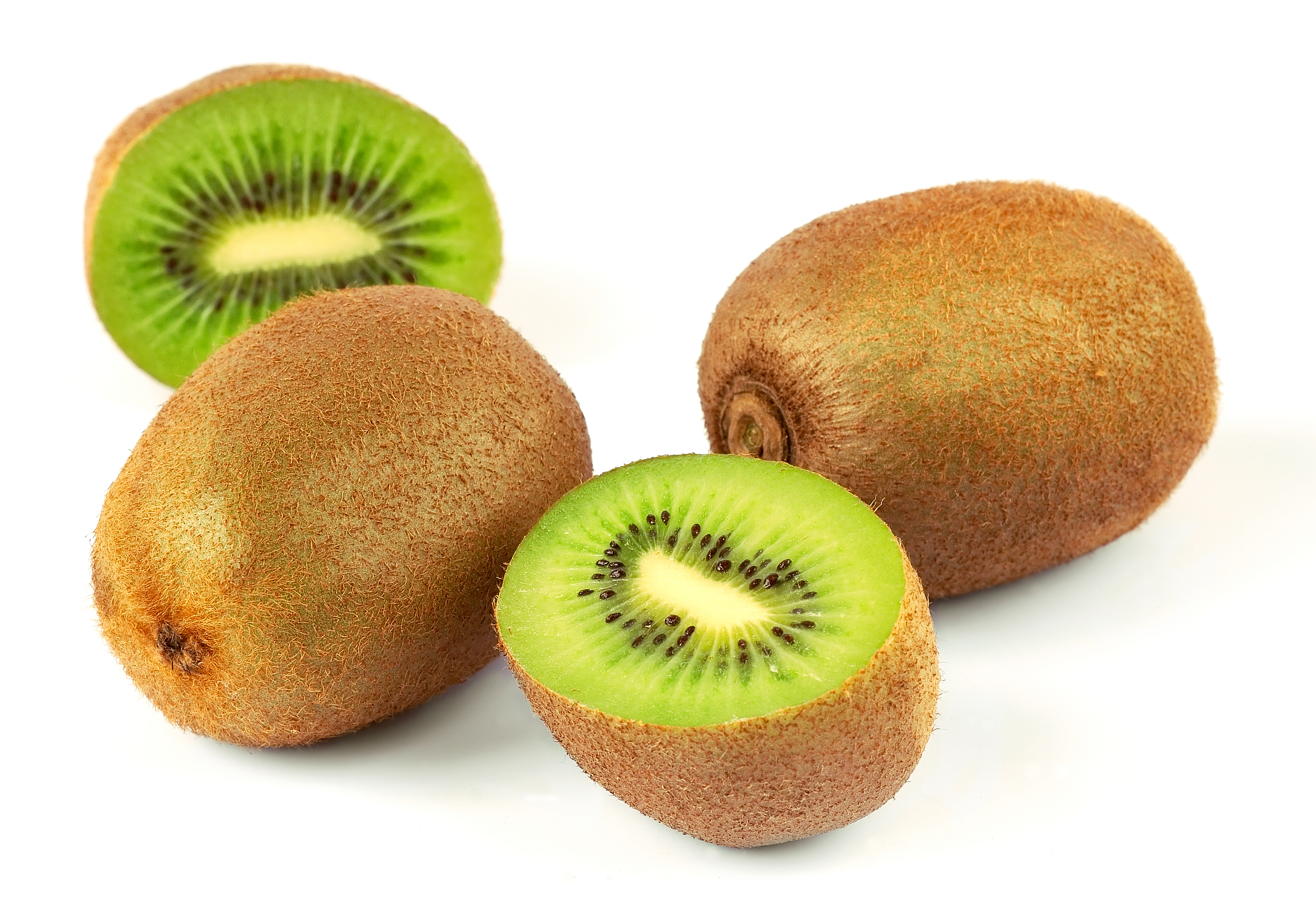
4. How to Eat Kiwi & Daily Intake|Gold vs Green Kiwi
Now let’s answer the question many people search for:
How should I eat kiwi, and how much kiwi per day is ideal?
4-1. Recommended Daily Kiwi Intake
Based on nutrition data and research, a sensible guideline for healthy adults is:
About 1–2 kiwis per day
To break it down:
- 1 kiwi a day
- Covers basic vitamin C and fiber needs
- 2 kiwis a day
- Lets you aim a bit higher for immunity, fatigue, gut health and possibly sleep
If you have diabetes or another chronic condition,
focus on your total daily fruit allowance, and think of kiwi as:
“One piece of fruit in place of something else,”
not an extra on top of your usual fruit intake.
That way, you can still enjoy kiwi benefits
while respecting your overall sugar and calorie goals.
4-2. Gold Kiwi vs Green Kiwi: What’s the Difference?
Green kiwi
- Higher in fiber and actinidin (the protein-digesting enzyme)
- Particularly helpful for constipation and digestion
- More tangy, with a firmer texture
Gold kiwi (yellow, such as Zespri SunGold)
- Very high in vitamin C and carotenoids
- Often used in studies on mood, fatigue and antioxidant support
- Sweeter and softer, with less acidity
In short:
- If your main goal is gut health and constipation relief → choose 1–2 green kiwis
- If your main goal is immune support, fatigue recovery and vitamin C → choose 1–2 gold kiwis
You can also alternate:
- Green kiwi one day, gold kiwi the next,
- Or mix both in a fruit salad or yogurt bowl.
4-3. Practical Ways to Eat Kiwi
Here are some simple how-to-eat kiwi ideas:
- Eating the skin can increase fiber intake,
but if the fuzzy texture bothers you, wash the fruit well and
peel it thinly or slice it into small pieces for salads and yogurt. - Because of the actinidin enzyme, mixing kiwi with milk or yogurt and letting it sit too long can change the texture.
For the best experience, add kiwi right before eating.
5. Kiwi Storage & 5 Easy Kiwi-Based Health Habits
5-1. How to Store and Ripen Kiwi Properly
Hard, unripe kiwis
- Leave them at room temperature for 2–5 days to ripen naturally.
- To speed things up, place them in a paper bag with an apple or banana.
Perfectly ripe kiwis
- When they give slightly under gentle pressure,
move them to the refrigerator and eat within 3–5 days.
Peeled or cut kiwis
- Store in an airtight container in the fridge
- Enjoy within 1–2 days for best quality and vitamin C retention
Good storage helps you preserve kiwi benefits, especially the vitamin C content.
5-2. Five Simple Kiwi Habits You Can Start Today
1) Replace your first-thing-in-the-morning coffee with “one kiwi + a glass of water”
If you usually start your day with coffee on an empty stomach,
try beginning with one kiwi and a glass of water instead.
- It’s gentler on your stomach
- It delivers hydration and vitamin C first thing in the morning
You can still drink coffee later,
but your body will have already received something nourishing.
2) Swap late-night snacks for “one kiwi + plain yogurt”
At night, instead of cookies or pastries,
top plain yogurt with sliced kiwi.
- You’ll cut down on sugar and refined flour
- You might also test whether kiwi helps your sleep quality over time
This simple change combines kiwi benefits for digestion and sleep
with a realistic, easy-to-maintain habit.
3) If constipation is a problem, do a two-week “green kiwi x2” trial
If you often feel constipated,
try this gentle experiment:
- Eat two green kiwis a day
- Drink enough water
- Continue for about two weeks
During that time, briefly note:
- Bowel movement frequency
- How easy or difficult it feels to go
- Whether bloating improves
You’ll quickly see whether kiwi benefits your gut in a noticeable way.
4) Add “one kiwi” to your high-protein meals
If you eat a lot of:
- Chicken breast
- Red meat
- High-protein diet meals
consider adding a kiwi as a side or dessert.
The natural enzyme actinidin may help with protein digestion,
making heavy meals feel a bit lighter and easier on your stomach.
5) If you have diabetes or high blood pressure, count kiwi as part of your total fruit allowance
When you live with diabetes or hypertension,
“it’s healthy, so I’ll eat as much as I want” doesn’t work.
Instead:
- Keep your doctor’s recommended daily fruit amount, and
- Swap one of those fruit servings for one kiwi
This way, you enjoy kiwi benefits
without accidentally increasing your overall sugar or potassium intake.

6. Quick Summary & Final Thoughts
Let’s briefly wrap up kiwi benefits, side effects and how to eat kiwi in one place.
✅ Kiwi Benefits in a Nutshell
- Rich in vitamin C and antioxidants that may support immunity and reduce fatigue
- High in fiber and digestive enzymes, which can help with constipation and digestion
- Some research suggests potential improvements in sleep quality, mood and energy
- A low-calorie fruit, easy to fit into weight-management meal plans
⚠ Kiwi Side Effects to Keep in Mind
- Stop and seek professional advice if you notice allergic reactions or mouth irritation
- If you have a sensitive stomach, avoid eating large amounts on an empty stomach
- If you have kidney disease or must limit potassium, always check with your healthcare provider about kiwi portions
🍽 How to Eat Kiwi & How Much Per Day
- For healthy adults, 1–2 kiwis per day is a practical guideline
- For gut health, lean more toward green kiwi
- For fatigue and immune support, choose gold kiwi more often
- Swapping snacks and late-night treats for kiwi can help support weight, sleep and energy all at once
Kiwi is a small fruit with a surprisingly big impact.
Next time you go grocery shopping,
try adding a few green and gold kiwis to your cart.
Tomorrow morning,
imagine a bright green or golden kiwi sitting next to your coffee cup.
That one small change might quietly support
your immune system, gut, sleep and daily energy more than you expect.
Medical Disclaimer
This article is for general health information and education only.
It is not a substitute for professional medical advice, diagnosis or treatment.
If you have specific symptoms or medical conditions,
please consult with your doctor or qualified healthcare provider for personalized guidance.






최근댓글