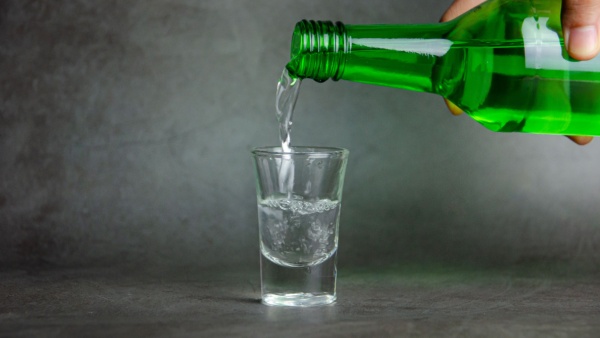
1. “Just One or Two Drinks a Day…” Why Alcoholic Liver Disease Is Still a Problem
When you hear at your annual checkup,
“Your liver enzymes are a little high,”
most people immediately think:
“It’s probably just stress.”
“I don’t even drink every day. There’s no way I already have alcoholic liver disease.”
However, recent studies show that alcoholic liver disease (alcohol-related liver disease) is steadily increasing worldwide and has become a major cause of liver cancer and liver cirrhosis.
Alcoholic liver disease does not appear overnight. It usually progresses step by step, like this:
Fatty liver → Alcoholic hepatitis → Alcoholic cirrhosis
It typically starts as alcoholic fatty liver.
If drinking continues, inflammation develops and progresses to alcoholic hepatitis.
Over time, the liver becomes stiff and scarred, eventually leading to alcoholic cirrhosis.
The scary part is that the early stages often cause almost no symptoms.
You may only feel a bit more tired than usual or have mild indigestion, which is easy to blame on age or stress.
“I don’t drink every day, but I do go pretty hard on weekends.”
→ This pattern can still be a major cause of alcoholic liver disease.

2. What Is Alcoholic Liver Disease?
From Fatty Liver to Cirrhosis in One Simple Line
To put it simply, you can think of alcoholic liver disease (ALD) as a spectrum that looks like this:
Alcoholic fatty liver → Alcoholic hepatitis → Alcoholic cirrhosis
2-1. Alcoholic Fatty Liver – The Most Reversible Stage
When you drink frequently and heavily, fat starts to build up inside your liver cells.
- Most people don’t feel any pain or obvious symptoms at this stage.
- Many first hear about it when their doctor says,
- “You have fatty liver,” or “Your liver numbers are elevated.”
The good news is that when you ask,
“Can alcoholic fatty liver be reversed?”
the answer at this stage is usually:
“Yes. If you stop drinking and clean up your lifestyle, your liver has a very high chance of recovery.”
2-2. Alcoholic Hepatitis – When Inflammation Kicks In
This is the stage where the fat-loaded liver becomes strongly inflamed.
- You may develop fever, severe fatigue, loss of appetite, and jaundice.
- In more serious cases, alcoholic hepatitis can be life-threatening and require hospitalization.
- At this point, you absolutely need to discuss alcoholic hepatitis treatment and safe ways to quit drinking with a liver specialist.
2-3. Alcoholic Cirrhosis – The Late, Stiff-Liver Stage
After years of heavy drinking, the liver becomes hard and scarred, progressing to alcoholic cirrhosis.
- Fluid (ascites) can build up in the abdomen.
- The legs and feet may become very swollen.
- Bruising becomes easier, and serious bleeding can occur.
- In advanced stages, mental confusion or drowsiness may appear due to hepatic encephalopathy.
Once late-stage alcoholic cirrhosis develops, quality of life drops sharply and the risk of liver cancer rises.
The hopeful part:
research has shown that with strict, long-term abstinence from alcohol, some people experience partial recovery of liver function and fewer complications, even at the cirrhosis stage.

3. How Much Alcohol Is Too Much?
Risky Drinking in Real-Life Terms
People often say things like:
“I don’t drink daily. I just go a little overboard at work dinners.”
“I only drink with friends on weekends, but we do go through a few bottles of soju.”
But when we look at the research, what really matters is the total amount of alcohol over time, not just how many days a week you drink.
3-1. Risky Drinking That Drives Alcoholic Liver Disease
Across many studies, drinking around 40–80 g of pure alcohol per day for a year or more is linked to a significantly higher risk of alcoholic liver disease.
Roughly speaking, that’s about:
- 1 bottle of soju (16–17%) ≈ 50–60 g of alcohol
- 1 pint (500 mL) of beer ≈ 18–20 g of alcohol
So if you are drinking about a bottle of soju or the equivalent almost every day, you are very much in the risk zone for alcoholic liver disease.
Some Korean data even suggest that:
- Men who drink 2 or more shots of soju per day
- Women who drink 1 or more shots per day
already have a clearly higher risk of liver cancer and liver-related death compared with lighter drinkers.
3-2. Is There Such a Thing as a “Safe” Amount?
For generally healthy adults, commonly cited “lower-risk” limits look like this:
- Men: Up to about 2 bottles of soju per week or around 8 cans of beer
- Women: About half of that amount
- Plus, at least 2–3 alcohol-free days per week
But if you already have alcoholic fatty liver, alcoholic hepatitis, or alcoholic cirrhosis, then:
There is no truly safe amount of alcohol.
In that case, the only real answer is complete abstinence.
4. Early and Late Symptoms – Why the Liver Needs Extra Attention
The liver has very few pain nerves, so it almost never hurts in the early stages.
That’s why early symptoms of alcoholic liver disease are subtle and easy to ignore.
4-1. Possible Early Signs: Alcoholic Fatty Liver & Mild Disease
Here are some common but non-specific signs that may show up in the early stages:
- Persistent fatigue and feeling worn out easily
- Gradual, unexplained weight loss
- A heavy, uncomfortable feeling in the upper right abdomen
- Hangovers that feel worse and longer than before
- Frequent indigestion or nausea
None of these guarantee that you have alcoholic liver disease, but if you have risky drinking habits plus these early symptoms, it’s wise to get checked.
4-2. Red Flags in Alcoholic Hepatitis and Cirrhosis
As alcoholic liver disease progresses, warning signs become much more obvious:
- Yellowing of the eyes and skin (jaundice)
- A firm, swollen belly from fluid buildup (ascites)
- Severe swelling in the legs and feet
- Easy bruising or bleeding that doesn’t stop easily
- Feeling mentally foggy, with personality changes or slurred speech → may signal hepatic encephalopathy
- Black, tarry stools or vomiting blood → can indicate life-threatening variceal bleeding and is an emergency
If you notice these kinds of symptoms, you should seek emergency care or urgent evaluation with a liver specialist immediately.

5. How Is Alcoholic Liver Disease Diagnosed?
From Blood Tests to Ultrasound and Beyond
The good news is that testing for alcoholic liver disease is usually straightforward.
Most evaluations begin with blood work and imaging.
5-1. Basic Blood Tests (Liver Function Tests)
Commonly checked markers include:
- AST, ALT – Show how much liver cell damage is present
- GGT, ALP – Often elevated with alcohol use and bile flow problems
- Bilirubin – Reflects the degree of jaundice
- Albumin, PT (prothrombin time) – Indicate how well the liver is producing essential proteins and clotting factors
In alcoholic liver disease, a classic pattern is AST being roughly twice as high as ALT, which can hint that alcohol is a major factor in the liver damage.
5-2. Imaging: Ultrasound, CT, and Fibrosis Tests
- Liver ultrasound helps detect fatty liver, cirrhotic changes, enlarged spleen, and ascites.
- CT or MRI is used if there’s concern for liver cancer or complex structural changes.
- Non-invasive fibrosis tests (such as FibroScan) measure how stiff the liver is and estimate the degree of scarring.
Interestingly, some studies have shown that when patients actually see their liver stiffness results and go over them with their doctor, they become more motivated to quit drinking.
5-3. When Is a Liver Biopsy Needed?
A liver biopsy (taking a tiny sample of liver tissue) may be considered when:
- Test results are unclear or conflicting
- Other liver diseases (like viral hepatitis or autoimmune hepatitis) need to be ruled out
- More precise information is required to guide treatment decisions
Not everyone needs a biopsy; it is chosen selectively, based on each person’s situation.
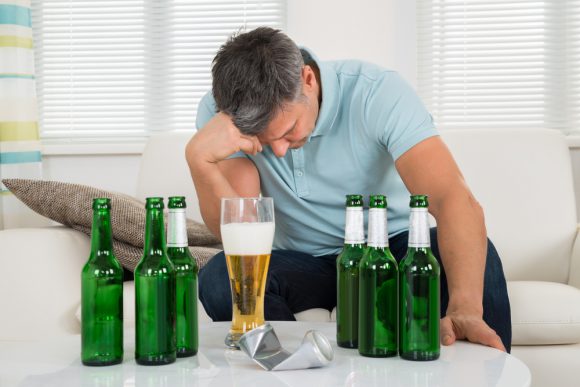
6. Treatment & Recovery – The Core Strategy Is “Quit Alcohol + Reset Lifestyle”
6-1. Can Alcoholic Fatty Liver Be Reversed?
In many cases, yes.
If you:
- Stop drinking (or cut back drastically) and
- Clean up your diet, weight, and daily habits,
then research suggests that within about 4–6 weeks, many people begin to see improvements in liver enzymes and liver fat on imaging.
If you are overweight, slowly losing about 5–10% of your body weight over 6–12 months can significantly help both fatty liver and alcoholic liver disease.
6-2. Treating Alcoholic Hepatitis and Cirrhosis
For alcoholic hepatitis and alcoholic cirrhosis, treatment usually includes:
- Complete abstinence from alcohol – this is non-negotiable
- Hospital care when there is severe jaundice, bleeding, confusion, or fluid overload
- Medications such as steroids in selected cases (always guided by a specialist)
- Nutrition support, especially:
- Adequate protein intake to preserve muscle mass
- Vitamins, especially thiamine (vitamin B1)
- Management of complications
- Controlling ascites with low-salt diet and diuretics
- Endoscopic treatment to prevent variceal bleeding
- Treating hepatic encephalopathy when mental changes occur
In severe, late-stage alcoholic cirrhosis, liver transplantation may be considered.
More recent data show that for patients who maintain strong abstinence and healthy habits, post-transplant outcomes are generally better.
6-3. Liver-Friendly Foods and Daily Choices
No single “superfood” can cure alcoholic liver disease, but certain liver-friendly habits and foods support overall liver health when combined with abstinence:
- Plenty of vegetables and fruits
- Focus on colorful, fiber-rich produce like leafy greens, cruciferous vegetables, and berries.
- Lean protein with every meal
- Fish, skinless poultry, tofu, beans, and eggs help maintain muscle mass, which is crucial in chronic liver disease.
- Whole grains over refined carbs
- Choose brown rice, oats, quinoa, or whole-grain bread instead of white rice and sugary snacks.
- Healthy fats in moderation
- Nuts, seeds, avocado, and olive oil can be better choices than trans fats and deep-fried foods.
- Stay hydrated
- Water and non-sugary drinks are kinder to your liver than sodas or sugary juices.
Remember: these foods support your liver, but they cannot replace quitting alcohol or medical treatment.

7. Five Habits You Can Start Today
To prevent alcoholic liver disease and support recovery, here are five practical habits you can put into action right away.
1) Schedule at Least Three Alcohol-Free Days a Week
Drinking every single day is a major red flag.
- Aim for at least three completely alcohol-free days each week.
- If you’ve already been diagnosed with alcoholic liver disease, the goal is zero – full abstinence.
2) Tell Your Family and Friends About Your Plan
Let people around you know:
“My doctor told me my liver doesn’t look great. I’m cutting back on alcohol.”
- Saying it out loud makes it easier to turn down drinks in social situations.
- If you can find even one person to quit or cut back with you, your chances of success go way up.
3) Create a Non-Alcohol Stress-Relief Routine
Many people drink to unwind, but over time that drink becomes another source of stress and health problems.
Try replacing alcohol with:
- A 30-minute brisk walk
- A warm shower followed by simple stretching
- Five minutes of deep breathing or meditation
- Listening to your favorite music while taking a short walk
Small, repeatable routines like these can become your new “stress valve.”
4) Eat Regular Meals and Protect Your Muscle Mass
People with alcoholic liver disease often struggle with poor nutrition and muscle loss.
- Extreme dieting or skipping meals does more harm than good.
- Aim for three balanced meals a day, each including:
- A source of protein (fish, poultry, eggs, tofu, legumes, etc.)
- Vegetables and some healthy carbs
If you’re overweight, set a gentle goal of losing 5–10% of your body weight over 6–12 months, not in a crash diet.
5) Check In on Your Liver at Least Once a Year
- Get a liver panel (blood test) and an abdominal ultrasound at least once a year.
- If you’ve had risky drinking patterns, ask your doctor whether 6-month checkups are appropriate.
Early detection is often the difference between a reversible problem and long-term damage.

8. Key Takeaways & One Final Thought
Let’s bring everything together.
- Alcoholic liver disease is a spectrum:
- Alcoholic fatty liver → Alcoholic hepatitis → Alcoholic cirrhosis
- The causes and early symptoms are often subtle:
- Feeling tired, loss of appetite, a heavy feeling in the upper right abdomen.
- If heavy drinking continues, you may miss the window where you can confidently say,
- “Yes, alcoholic fatty liver can be reversed,”
and instead move toward hepatitis, cirrhosis, and serious complications. - The core of treatment is complete abstinence, supported by:
- Better eating habits, gradual weight control, regular checkups, medications, and proper nutrition.
- When you stop drinking, liver recovery time varies by person, but many see improvements over weeks to monthsin lab tests and imaging.
If you’re wondering, “When should I start cutting back?” the real answer is:
Start today.
The liver may suffer in silence, but it also has remarkable healing potential
when you give it a chance.
From this moment on, every glass you skip and every healthy choice you make becomes a long-term investment in the next 10, 20, or 30 years of your life.
Legal & Medical Disclaimer
This article is for general health information and education only.
It is not a substitute for professional medical advice, diagnosis, or treatment.
If you have symptoms, existing medical conditions, or questions about alcoholic liver disease, your medications, or your drinking habits, please consult your doctor or a qualified healthcare professional for personalized advice.






최근댓글