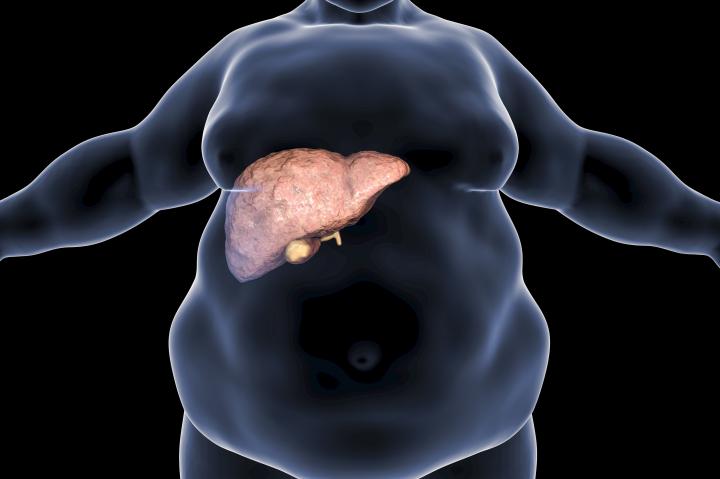
These days, I hear the same lines again and again after routine health checkups:
“I don’t even drink that much, but they told me I have fatty liver.”
“My liver enzymes are high, but I don’t feel any pain at all.”
Many people think of fatty liver as “just a little bad” or “nothing serious yet.”
In reality, fatty liver is a condition that usually comes with almost no noticeable pain, which is exactly why it deserves more attention.
Recent studies suggest that about 3 out of 10 adults worldwide have non-alcoholic fatty liver disease (NAFLD). In Korea and many other countries, an estimated 20–40% of adults are believed to have some degree of fatty liver. It’s incredibly common.
The good news?
Because fatty liver is closely linked to daily habits, it’s also a condition that can improve significantly when you start changing your lifestyle in the right direction.
In this article, we’ll walk through:
- What fatty liver actually is
- The most common fatty liver causes
- Why fatty liver symptoms are so confusing
- How doctors test and diagnose fatty liver
- And most importantly, treatment, lifestyle changes, and foods that support liver health
Along the way, you’ll also find simple, practical tips that you can start using right away.
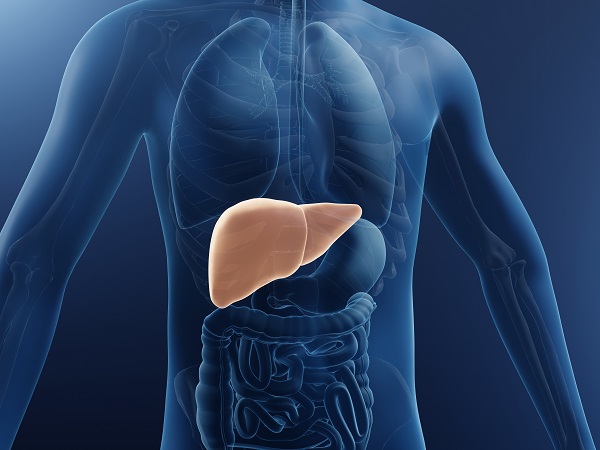
1. What Is Fatty Liver?
Think of It as “Fatty Build-Up in Your Liver”
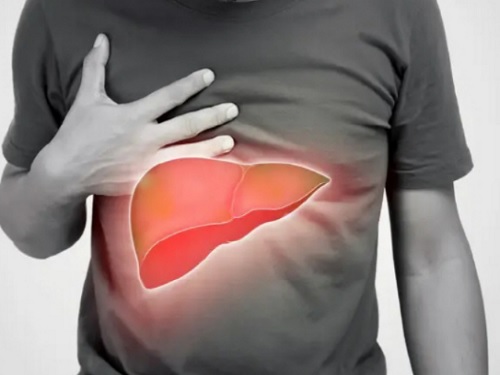
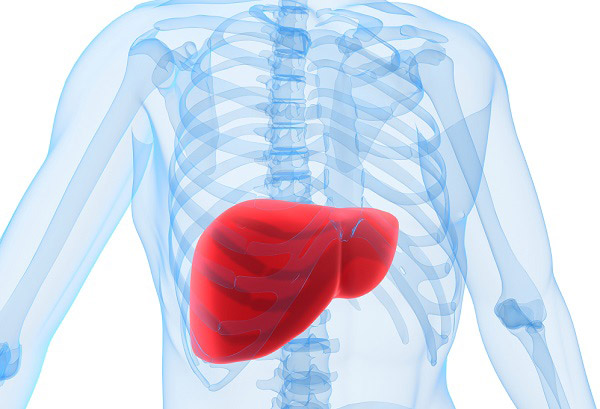
Your liver is your body’s detox factory and nutrient storage warehouse. It filters toxins, processes nutrients, and supports hormone balance.
When too much fat builds up inside liver cells, we call it fatty liver.
- If more than 5% of your liver’s weight is fat → it’s considered fatty liver
- If it’s mainly caused by alcohol → alcoholic fatty liver
- If you don’t drink much but still have fat in the liver → non-alcoholic fatty liver disease (NAFLD)
Today, with rising rates of obesity, diabetes, and high cholesterol, non-alcoholic fatty liver has become far more common than alcohol-related fatty liver.
That’s why the thought
“I don’t drink, so my liver must be fine”
can actually be dangerous.
On the outside, you might feel completely normal.
On the inside, fat may be quietly building up in your liver year after year.
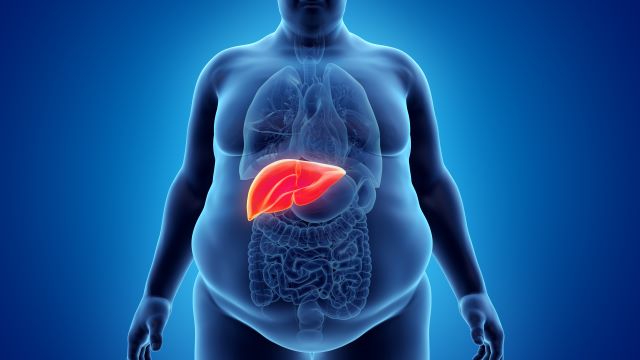
2. Fatty Liver Causes: Why It Happens Even If You Don’t Drink
Fatty liver causes are much closer to your daily life than you might think.
As you read through, you may find yourself saying, “This sounds a lot like me.”
2-1. Belly Fat and “Hidden” Obesity
One of the most common fatty liver causes is abdominal (belly) obesity.
- Your waist size has been creeping up
- Your weight is gradually increasing compared to a few years ago
- Your body feels heavy, but your muscle mass is relatively low
In this situation, there’s a high chance that fat is also accumulating in your liver.
Even if your weight isn’t extremely high, having a “thin on the outside, fat on the inside” body type with a protruding belly is a pattern frequently seen in people with fatty liver.
2-2. Diabetes, High Cholesterol, and High Blood Pressure
If you have:
- High fasting blood sugar or diagnosed diabetes / prediabetes
- High triglycerides or LDL cholesterol
- High blood pressure on top of that
then your body is in a state where fatty liver can develop easily.
When blood sugar and blood lipids are not well controlled, fat is more likely to be stored in the liver and also harder to remove.
2-3. Sugary Drinks, Late-Night Eating, and Heavy Portions
Think about a typical day and see if this sounds familiar:
- Skipping breakfast, then eating very large portions at lunch and dinner
- Having sweet coffee drinks, soda, or fruit juice several times a day
- Craving fried chicken, ramen, beer, or snacks late at night
When sugar, fat, and excess calories flood the body like this, your system converts the extra energy into fat, which is then stored in the liver and around your abdomen.
If this pattern continues over time, it can easily lead to non-alcoholic fatty liver disease.
2-4. Sitting Most of the Day
With desk jobs, work-from-home setups, and more screen time, many people spend almost the entire day sitting.
- Commuting by car or public transportation
- Using a car or ride share even for short distances
- Spending weekends mostly indoors and sedentary
This low-activity lifestyle increases the risk not only of fatty liver, but also of obesity, diabetes, and heart disease.
2-5. Medications and Other Medical Conditions
Certain medications—such as steroids, some hormone therapies, and some chemotherapy drugs—can cause fatty liver as a side effect.
Conditions like hypothyroidism and some genetic disorders can also be associated with fatty liver.
To sum up, most fatty liver causes can be understood as:
“Eating too much, moving too little, and living in a state where metabolic function is impaired.”
Once you see it this way, the path toward treatment also becomes clearer.
3. Fatty Liver Symptoms: Why You Don’t Really Feel It
A question doctors hear all the time is:
“If I have fatty liver, where should it hurt?”
“I feel fine. Can I just ignore it?”
The tricky part is that fatty liver symptoms are often mild, vague, or completely absent.
That’s why it’s so often found by accident during routine checkups.
3-1. Common Early Fatty Liver Symptoms
Some people with fatty liver describe symptoms like:
- Ongoing fatigue or a heavy, sluggish feeling
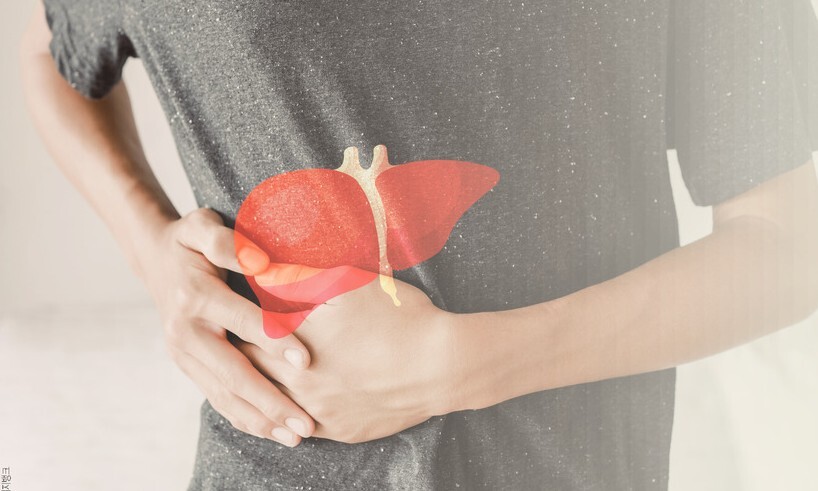
- A dull, heavy, or bloated sensation in the upper right abdomen
- Indigestion or feeling like they “get full easily”
- A noticeably bloated abdomen after meals
These are not specific to fatty liver, so you can’t diagnose yourself based on symptoms alone.
However, if your checkup already showed fatty liver and you have these complaints, it’s a sign you shouldn’t ignore.
3-2. When Fatty Liver Progresses
If fatty liver is left untreated and progresses to fatty liver inflammation (steatohepatitis), liver fibrosis, cirrhosis, or even liver cancer, more serious symptoms may appear:
- Yellowing of the eyes and skin (jaundice)
- Fluid buildup in the abdomen (ascites)
- Easy bruising or frequent nosebleeds
By the time these symptoms show up, the liver has often been significantly damaged.
That’s why it’s much safer to rely on checkup results and regular tests, rather than waiting for obvious pain or visible symptoms.
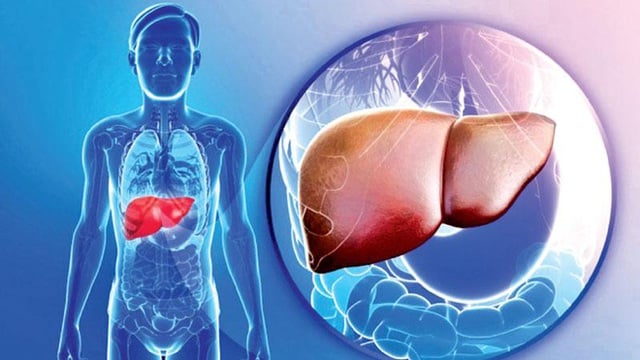
4. How Is Fatty Liver Diagnosed?
Tests and Imaging You Should Know
To treat fatty liver disease effectively, you first need a clear picture of your current liver status.
4-1. Blood Tests: Liver Enzymes and Metabolic Health
The starting point is usually blood work. Key markers include:
- AST, ALT – the commonly known “liver enzymes”
- γ-GTP (GGT) – often elevated with liver or bile duct issues
- Triglycerides and cholesterol levels
- Fasting glucose and HbA1c (A1C)
Looking at these together helps doctors assess not only fatty liver but also whether you have related conditions like diabetes or high cholesterol.
4-2. Ultrasound: Checking How Much Fat Is in the Liver
Abdominal ultrasound is the most common and accessible fatty liver test.
- If the liver looks brighter (whiter) than usual on the screen
- And if the ultrasound waves don’t pass through the liver easily
this suggests a higher amount of fat in the liver.
However, ultrasound has its limits. On its own, it cannot precisely show the level of inflammation or scarring (fibrosis) in the liver.
4-3. Additional Tests: Elastography, CT, MRI, and Biopsy
Depending on your situation, your doctor may recommend:
- Elastography (fibrosis scan) – measures liver stiffness to estimate fibrosis
- CT or MRI scans – provide a more detailed look at fat levels and other abnormalities
- Liver biopsy – a small sample of liver tissue is examined under a microscope; this is the most accurate method, but it’s invasive and usually reserved for specific cases
These days, doctors try to combine blood tests with non-invasive imaging to get as much information as possible while keeping you safe and comfortable.
5. Fatty Liver Treatment:
Why Lifestyle Beats Medication for Most People
A very common question is:
“Is there a specific pill I can take for fatty liver?”
It may be surprising, but based on current research and clinical guidelines, the main treatment for fatty liver is not medication—it’s lifestyle.
5-1. Losing Just 5–10% of Your Body Weight Can Transform Your Liver
Multiple studies have shown that losing as little as 5–10% of your body weight can:
- Reduce the amount of fat in your liver
- Improve liver enzyme levels and inflammation
- In some cases, even improve fibrosis (early scarring)
For example:
- If you weigh 80 kg (about 176 lbs), losing just 4 kg (about 9 lbs) can be enough to start improving fatty liver
- Losing around 8 kg (about 18 lbs) may significantly increase the chance of improving fatty liver inflammation and scarring
How to approach weight loss safely:
- Aim for 1–2 kg (2–4 lbs) per month, not a crash diet
- Focus on controlling both how much and what you eat, rather than starving
- Track not only your weight, but also your waist circumference, since belly fat is closely linked to fatty liver
5-2. Best Eating Pattern for Fatty Liver (and What to Avoid)
Here’s a simple way to think about a fatty liver–friendly diet.
Better food choices:
- Gradually swap white rice and refined grains for brown rice, mixed grains, and whole grains
- Include vegetables, seaweed, and legumes at every meal
- Choose lean protein sources like fish, tofu, eggs, chicken breast, and beans
- Drink water, unsweetened tea, or unsweetened sparkling water instead of sugary drinks
Foods and habits that can worsen fatty liver:
- Sweet coffee drinks, sugary sodas, fruit juices, and energy drinks
- Fried foods, fast food, and frequent late-night meals
- Too many cookies, pastries, and desserts
Even if you rarely drink alcohol, this kind of eating pattern alone can be enough to cause non-alcoholic fatty liver disease.
5-3. Exercise: Your Liver Benefits Even If the Scale Barely Moves
Interestingly, some studies show that exercise alone—even without dramatic weight loss—can reduce fat in the liver. That’s how powerful regular movement is for fatty liver treatment.
A realistic exercise plan:
- 3–5 times a week:
30 minutes of moderate-intensity cardio such as brisk walking, cycling, or swimming - 2–3 times a week:
10–20 minutes of strength training- Squats, lunges, push-ups
- Light dumbbell exercises or resistance bands
You don’t need a perfect routine from day one.
What matters most is:
“Finding a level of activity that you can maintain,
where you’re breathing a bit harder and your heart rate is up—
and then repeating that, week after week.”
5-4. Where Do Medications Fit In?
In certain high-risk patients, doctors may consider:
- Some diabetes medications (such as certain SGLT2 inhibitors or GLP-1–based drugs)
- Vitamin E or pioglitazone in selected cases
These can sometimes help improve fatty liver inflammation.
However, there is no universal “fatty liver pill” that works for everyone.
So far, the takeaway from guidelines is simple:
“The first-line treatment for fatty liver is weight, diet, and exercise.
Medications are reserved for specific patients, and used as a supplement—not the main tool.”
✅ 5 Practical Tips You Can Start Today
- Start with a 30-minute walk each day
- Take the stairs instead of the elevator
- Get off one stop earlier and walk the rest of the way
- No food after 8 p.m.
- Cutting out late-night snacks alone can make a big difference in both weight and fatty liver improvement
- Make sugary drinks “zero” in your life
- Replace sweet coffee, soda, and juice with water or unsweetened tea
- Do 10 minutes of strength training at least 3 times a week
- Do squats or push-ups during TV commercials
- Add simple home exercises rather than waiting for the “perfect time”
- Record your weight and waist size once a week
- Seeing your numbers change—slowly but surely—helps you stay motivated and prevents giving up halfway
6. Key Takeaways and Final Thoughts
Let’s sum up the most important points:
- Fatty liver is a silent, slowly progressing condition.
Most fatty liver symptoms are mild or absent, which is why it’s often discovered during routine checkups. - You don’t need to be a heavy drinker to develop fatty liver.
Belly fat, diabetes, high cholesterol, sugary drinks, late-night eating, and lack of exercise are all major fatty liver causes. - Lifestyle is the main treatment.
Losing just 5–10% of your body weight, improving your diet, and moving your body regularly can significantly reduce liver fat and improve liver health. - Medication plays a supporting role.
There is no one-size-fits-all miracle pill for fatty liver yet. For most people, daily habits matter far more.
If you’ve recently been told you have fatty liver, try to view it not just as a warning, but as an opportunity:
“One small habit I change today
can completely transform my liver health a few years from now.”
Think of this as your golden window to protect your liver and your future health.
Start with just two of the tips above.
In 3–6 months, your lab results—and how your body feels—may look very different.
Medical Disclaimer
This article is for general health information and educational purposes only.
It is not a substitute for professional medical advice, diagnosis, or treatment.






최근댓글