1. “My face looks so dull…” The emotional weight of melasma
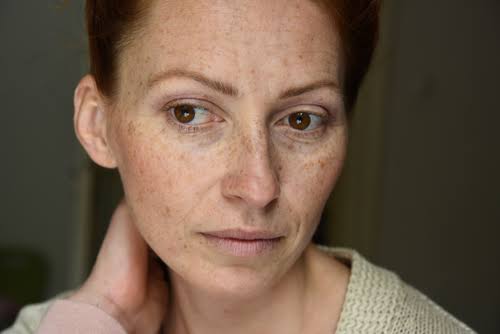
Have you ever washed your face in the morning, looked in the mirror, and felt that your skin just looks… dull?
It’s not just a few freckles or small spots.
What really bothers many people is the brown, patchy discoloration spreading across the cheekbones.
A lot of people describe it like this:
- “My skin doesn’t look clear, and I look tired all the time.”
- “Even with makeup, my dark patches still show through.”
Melasma is not just a simple blemish.
It’s a chronic pigment condition that develops when several factors overlap:
- Sun exposure
- Hormonal changes
- Genetic tendency
- Skin irritation and friction
- Lifestyle-related internal inflammation
Recent studies also show that people with melasma often experience lower self-esteem, depressed mood, and social stress, because the changes are so visible on the face.
In this post, we’ll walk through everything in one place:
- What melasma actually is
- Main causes and symptoms of melasma
- At-home ways to lighten melasma (home care)
- Clinic treatments like prescription creams, oral meds, and laser therapy
- Lifestyle habits that help prevent melasma from getting darker or coming back

2. What is melasma? How is it different from other dark spots?
2-1. The basics: melasma in simple terms
Melasma is the medical term for what many people casually call “dark patches” or “dark blotches” on the face.
Here’s what typically describes melasma:
- Color: light brown to grayish-brown patches
- Location: both cheeks, forehead, nose, upper lip, sometimes the chin
- Pattern: spreads out like a stain, often symmetrical on both sides of the face
So instead of small, scattered dots all over the face, melasma usually looks like bigger, blurred patches over the cheekbones and other central areas of the face.
This pattern is very characteristic of melasma symptoms.
2-2. Melasma vs freckles vs post-inflammatory hyperpigmentation
It’s easy to confuse melasma with other types of pigmentation.
Let’s compare the three in a very simple way.
Freckles
- Often present since childhood or teenage years
- Small, multiple dots scattered across the cheeks, nose, and sometimes arms
- Usually get darker with sun exposure
Post-inflammatory hyperpigmentation (PIH: acne marks, scar marks)
- Appears after an injury, acne, or irritation
- Usually round or irregular spots in specific areas
- Often match the location of a previous pimple or rash
Melasma
- Often appears in the late 20s and 30s, and beyond
- Strongly associated with pregnancy, birth control pills, hormone therapy, and sun exposure
- Appears as larger, blurry patches over both cheeks, forehead, etc.
In short, if you’re an adult and notice brown patches gradually spreading on your cheeks and forehead as you age, melasma is a strong possibility.
Understanding the causes and symptoms of melasma is the first step toward choosing the right treatment and setting realistic expectations.
3. 5 main causes of melasma (explained simply)
Melasma doesn’t appear because of one single cause.
In most people, several factors overlap and slowly build up over time.
Let’s break the main causes of melasma into five easy-to-understand groups.
3-1. Sun exposure and visible light
When we talk about melasma, UV rays are always part of the story.
- UV radiation stimulates pigment cells (melanocytes) in the skin
- These cells start producing more melanin pigment than needed
- At the same time, UV light causes oxidative stress and damages collagen
In recent years, not only UV but also visible light and blue light have been discussed as possible contributors to pigment problems.
That’s why, if you already have melasma, sunscreen, hats, and sunglasses are not optional – they’re essential.
3-2. Female hormone changes
Many people notice melasma suddenly getting worse after:
- Pregnancy and childbirth
- Taking birth control pills
- Hormone replacement therapy (HRT)
Female hormones like estrogen and progesterone can:
- Influence melanin production
- Make the skin react more sensitively to sunlight
This is why you may hear terms like “pregnancy mask” or “pregnancy melasma”, referring to dark patches that appear or worsen during and after pregnancy.
3-3. Genetics and skin type
You might be at higher risk of melasma if:
- Your parents or siblings also have strong melasma
- Your natural skin tone is medium to darker (common in Asian, Hispanic, Middle Eastern, etc.)
People with darker skin phototypes tend to develop pigment issues more easily.
That’s why so many people say:
“My mom had really bad melasma, and now that I’m older, I’m getting the same patches.”
3-4. Harsh skincare and too much irritation
The following everyday habits can actually worsen melasma:
- Using strong exfoliants too frequently and scrubbing hard
- Repeating harsh physical scrubs or chemical peels at home
- Taking very hot saunas or steam treatments often
Constant irritation can weaken the skin barrier, create low-grade inflammation, and make the skin more prone to pigmentation and melasma.
This is why, when treating melasma, dermatologists often look not only at treatments, but also at your skincare routine and cleansing habits.
3-5. Sleep, stress, and lifestyle
Chronic lack of sleep, ongoing stress, and an unbalanced diet can all increase inflammation and oxidative stress in the body.
Some studies suggest that this internal stress environment may be linked to pigmentation problems, including melasma.
We can’t say “this exact habit directly caused your melasma”, but we do know:
- Getting enough quality sleep
- Moving your body regularly
- Reducing sugar and refined carbs
can support healthier skin and may help with melasma prevention and overall skin tone.

4. Melasma symptoms: a simple self-check guide
Here’s how to recognize typical melasma symptoms.
4-1. Common signs of melasma
Location
- Symmetrical patches on both cheeks, forehead, nose sides, and upper lip
Color
- Light brown, brown, or grayish-brown
- Looks like a stained or smudged patch, with relatively soft edges
Seasonal changes
- Darker in spring and summer when UV is strong
- Slightly lighter in winter
Sensation
- Usually not itchy or painful
- The main concern is the appearance: the face looks darker, dull, and tired
If this pattern sounds familiar, melasma is quite likely.
4-2. When you should absolutely see a dermatologist
Please don’t ignore it and self-diagnose as “just melasma” if:
- A dark patch suddenly appears on only one side of the face
- The spot grows quickly in size or changes color over a short period
- It looks very dark brown, red-brown, or almost black
In those situations, it might be another type of pigmentation or skin disease, and a professional evaluation is strongly recommended.

5. How to get rid of melasma: realistic treatment strategies
Treating melasma is not a quick, one-week project.
It’s much closer to long-term management.
If you search “how to get rid of melasma”, you’ll see many different tips and promises.
But when we summarize recent research and clinical practice, the key points are:
- Consistent sun protection (the absolute foundation)
- At-home melasma care (home skincare)
- Prescription creams and, in some cases, oral medication
- Laser or light-based treatments when appropriate
5-1. Sun protection: step 1, 2, and 3 of melasma treatment
Because sun exposure is such a major cause of melasma,
you can almost think of melasma treatment = sun protection.
Basic sun protection checklist:
- Use a broad-spectrum sunscreen with at least SPF 30 and PA+++
- Apply even on cloudy days and when indoors near windows or while driving
- Reapply every 2–3 hours if you’re out or getting a lot of light
- Use hats, umbrellas, and sunglasses as extra shields
No matter how many products or treatments you try,
if sun protection is weak, melasma will often stay the same or come back quickly.
5-2. At-home melasma care: key skincare ingredients
Here are commonly used skincare ingredients for melasma home care:
- Vitamin C
- Helps reduce melanin production and acts as an antioxidant
- Niacinamide
- Helps reduce the transfer of melanin to the upper layers of the skin
- Arbutin, kojic acid
- Inhibit the enzyme (tyrosinase) involved in melanin production
- Azelaic acid
- Can help with both acne and post-inflammatory pigmentation
If you have sensitive skin:
- Start with low concentrations
- Apply a small amount every other night
- Slowly increase to 3–4 times per week as your skin adapts
The goal is to lighten pigmentation gradually without damaging the skin barrier.
5-3. Prescription creams used in clinics
Dermatologists often prescribe specific melasma creams depending on the case.
Hydroquinone
- A classic and well-known lightening ingredient
- Strongly reduces melanin production
- Must be used correctly; long-term or high-concentration use can irritate the skin → needs professional guidance
Triple combination cream (TCC)
- A combination of hydroquinone + a retinoid + a mild steroid
- Often considered a “gold standard” topical treatment for melasma in many studies
- Very effective, but: duration, frequency, and application area must be carefully controlled
Other topical options
- Azelaic acid
- Kojic acid
- Retinoids, and more
Which cream is best and how long you should use it depends on:
- Your skin type
- The depth and severity of the melasma
- Other skin conditions you may have
5-4. Tranexamic acid (TXA)
In the last several years, tranexamic acid (TXA) has become one of the most talked-about treatments for melasma.
It can be used in different forms:
- Oral tablets
- Topical products (serums/creams)
- Microinjections or mesotherapy in some clinics
Studies have shown that tranexamic acid can significantly reduce melasma severity scores in many patients.
However, oral TXA needs extra caution if:
- You have a history of blood clots
- You’re taking hormone-based birth control pills
- You have certain cardiovascular or clotting risks
Because of that, oral TXA should only be started after careful consultation with a dermatologist or physician.
5-5. Melasma laser treatment, laser toning, and IPL
Laser treatment for melasma is very popular and widely advertised.
But in reality:
- Repeated, aggressive laser treatment
- Does not permanently erase melasma in most cases
In fact, using too high an energy or treating too frequently can sometimes lead to rebound hyperpigmentation, making the melasma look darker.
Modern melasma laser strategies tend to be more conservative:
- Low-fluence Q-switched laser toning
- Adequate intervals between sessions
- Always combined with strong sun protection and topical treatments, and sometimes TXA
In other words, laser therapy is best used as one part of a combined, long-term plan—not as a “quick fix.”
6. Four daily habits to help prevent and manage melasma
Lifestyle doesn’t replace treatment, but it makes a noticeable difference in how well your melasma responds and how often it comes back.
Here are four practical tips you can start today.
TIP 1. Make “indoor sunscreen” your daily habit
- After washing your face in the morning, finish your basic skincare with sunscreen
- Be extra diligent when driving or sitting near windows
- Reapply lightly around lunchtime if possible
Sunscreen is the single most important product for melasma prevention and relapse control.
TIP 2. Stop rubbing your skin
- Limit exfoliation to about once a week, using gentle products
- During cleansing, use the pads of your fingers to massage lightly
- Pat your face dry with a soft towel instead of rubbing
Even while treating melasma, friction and irritation can trigger new pigmentation or worsening of existing patches.
So “no rubbing” is a key rule.
TIP 3. Protect your skin barrier with a simple moisturizing routine
- Apply toner, lotion, and/or cream within a few minutes after cleansing
- Avoid products that contain strong alcohol or heavy fragrance if your skin is sensitive
- At night, combine brightening/melasma care products with soothing, hydrating products
When using active treatments like hydroquinone or retinoids, the skin can become dry or more reactive.
Keeping the barrier healthy with the right moisturizer makes it easier to continue treatment safely and comfortably.
TIP 4. Support your skin with an antioxidant-friendly diet
Diet alone won’t magically erase melasma.
However, an antioxidant-rich diet can help support overall skin health and may aid in improving skin tone.
Aim for:
- Colorful vegetables and fruits (berries, tomatoes, leafy greens, etc.)
- Healthy fats from nuts, seeds, and olive oil
- Less sugary drinks, sweets, white bread, and white rice
- Drinking water regularly throughout the day
When you’re searching for “how to get rid of melasma”, pairing treatment with these basic lifestyle changes can boost results not only for melasma but also for your skin in general.
7. Common myths and warnings before starting melasma treatment
7-1. “You can erase melasma completely in one shot.”
In reality, melasma behaves like a chronic, relapsing condition.
It rarely disappears forever after a single course of treatment.
So the realistic goal of melasma treatment is:
- Not “perfectly erase every single patch,” but
- “Reduce how noticeable it is, and slow down or prevent it from coming back.”
When you understand this from the beginning, it’s much easier to stay consistent and not get discouraged.
7-2. “Stronger and more frequent laser sessions always work better.”
Not necessarily.
Over-treating melasma with high-energy laser sessions can sometimes make pigmentation worse, not better.
That’s why it’s important to:
- Work with an experienced dermatologist
- Adjust energy levels, treatment intervals, and total number of sessions carefully
7-3. “DIY lemon or vinegar masks will fade melasma.”
Lemon juice, vinegar, and baking soda can be very irritating to the skin.
Your skin might look a bit brighter right after using them because of exfoliation or irritation,
but over time this may damage the skin barrier and trigger more pigmentation.
If you already have melasma or sensitive skin, it’s much safer to follow this rule:
“Avoid harsh DIY home remedies and stick to gentle, proven methods.”
8. Key takeaways & final thoughts
Let’s briefly recap the main points about melasma causes, symptoms, treatment, and how to get rid of it:
- Melasma is a chronic pigment condition caused by a combination of sun exposure, hormones, genetics, irritation, and lifestyle factors.
- Typical melasma symptoms include symmetric brown patches on the cheeks, forehead, and other central facial areas.
- The foundation of any melasma treatment plan is:
- Consistent sun protection
- Thoughtful at-home melasma skincare
- When needed, prescription topical treatments and sometimes oral medication
- Carefully planned laser or light-based treatments, not overused or rushed
For prevention and long-term control:
- Wear sunscreen—even indoors near windows
- Avoid rubbing or over-exfoliating the skin
- Maintain a simple, barrier-friendly moisturizing routine
- Support overall skin health with an antioxidant-rich diet and better sleep/stress habits
Above all, melasma is a long-term journey, not a quick fix.
Instead of chasing instant, dramatic changes, it helps to think:
“I’ll work with my skin for the next 1–2 years and manage melasma step by step.”
Everyone’s skin, melasma pattern, and health situation are different.
That means the best combination of treatments will also be different for each person.
Use this guide as a starting point to understand your condition and options.
Then, when needed, partner with a dermatologist to build a personalized melasma treatment plan that fits your skin and lifestyle.
Little by little, as you combine the right information with consistent care,
you’ll likely find that you avoid “mirror dread” more often—and start the day feeling a bit more confident in your own skin.
Medical information disclaimer
This article is for general educational purposes only and is not a substitute for professional medical advice, diagnosis, or treatment.
If you have specific concerns about your skin or suspect melasma or another condition, please consult a qualified healthcare professional or dermatologist.






최근댓글