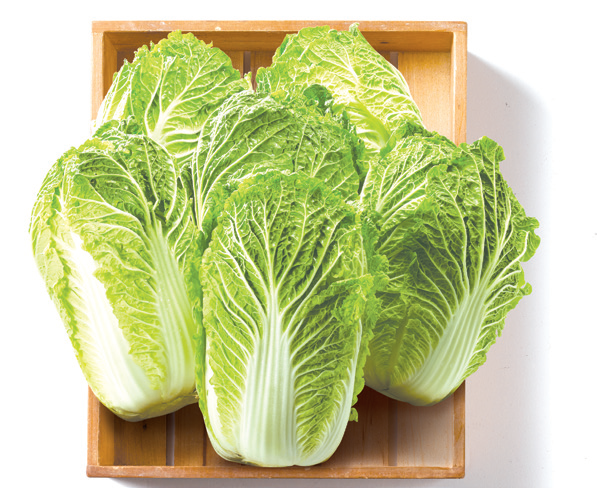
1. Why Is Cabbage Considered a Health Food?
“Is there really a reason to eat cabbage by itself and not just in kimchi?”
“Can cabbage actually help when I feel bloated and constipated?”
Questions like these come up often in clinics and health consultations.
Because we see cabbage every day, it’s easy to think of it as “just a kimchi ingredient.”
But when you look at the research, cabbage is firmly in the health-food category.
Cabbage belongs to the Brassica (cruciferous) vegetable family, along with broccoli, regular cabbage, and kale. This group of vegetables is known for being:
- Low in calories
- High in fiber
- Rich in vitamins C, K, and folate
- A good source of potassium and plant antioxidants (phytochemicals)
Because of this, cruciferous vegetables like cabbage have been widely studied for:
- Gut health
- Metabolic health (blood sugar, cholesterol, weight)
- Heart and blood vessel health
For many Koreans and Asian households, cabbage is especially useful because we already eat it often as:
- Cabbage kimchi
- Cabbage soup or stew
- Steamed, stir-fried, or fresh cabbage salads
That means if you understand cabbage benefits and tweak your cabbage eating habits just a little, cabbage can become a very practical tool for everyday health management.
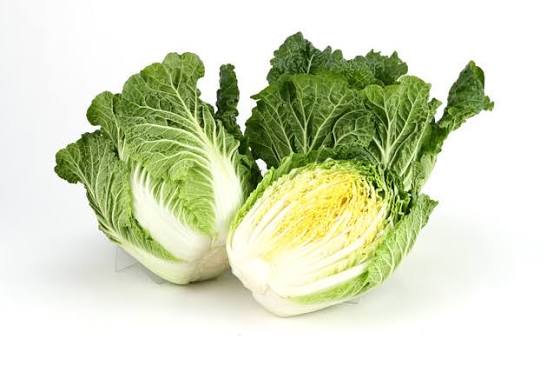
2. Cabbage Nutrition and Calories at a Glance
Before we talk about the best ways to eat cabbage, it helps to know what’s actually inside.
Per 100 g of raw cabbage, you roughly get:
- Calories: about 15–20 kcal (very low)
- Water: over 90%
- Dietary fiber: helps support bowel movements and gut health
- Vitamin C: supports immunity, skin health, and antioxidant protection
- Vitamin K: important for blood clotting and bone health
- Folate and B vitamins: help with energy production and fatigue
- Potassium: helps balance sodium and supports healthy blood pressure
- Phytochemicals (plant antioxidants): support antioxidant and anti-inflammatory activity
In simple terms, cabbage is:
- Perfect for a cabbage-based weight-loss or low-calorie meal plan
- A high-volume, high-fiber vegetable that can help you feel full
- A very affordable “everyday” health food that supports your gut, blood vessels, and immune system at the same time
3. Top 5 Cabbage Benefits
— Gut, Heart, Metabolism, Weight, and Immunity
You don’t need complicated science to understand cabbage benefits.
Let’s connect them directly to what you feel in daily life.
3-1. Helps Gut Health and Relieves Constipation
Cabbage is rich in dietary fiber, which:
- Helps your intestines move more regularly
- Increases stool bulk
- Can support smoother, more regular bowel movements
Fermented cabbage foods, such as:
- Cabbage kimchi
- Lightly salted or pickled cabbage
also provide lactic acid bacteria and other beneficial microbes, which may help support a healthier gut microbiome.
If you often feel bloated and constipated:
- Choose less spicy, less salty cabbage kimchi,
- Include water kimchi or lightly seasoned cabbage kimchi,
- Add blanched cabbage greens as a side dish more often.
This way, you can enjoy the gut and constipation-relief benefits of cabbage without putting too much stress on your digestive system.
3-2. Supports Heart Health and Blood Pressure
Cabbage contains potassium, a mineral that helps your body:
- Excrete excess sodium
- Support healthier blood pressure
On top of that, cabbage provides various antioxidant compounds that help protect blood vessel walls and reduce oxidative stress.
Of course, this doesn’t mean cabbage alone can prevent heart attacks or strokes.
But as part of an overall vegetable-rich diet, regular cabbage intake can be one of many small steps that support your heart and blood vessel health over time.
3-3. Helps with Blood Sugar and Metabolic Health
When you reduce refined carbs (white rice, white bread, sugary snacks) and:
- Increase cabbage and other vegetable side dishes,
- Pair your meals with lean protein and whole grains,
you support more stable blood sugar and better weight control.
Cruciferous vegetables like cabbage have shown promising results in some studies for improving blood sugar and lipid metabolism.
So a meal with:
- Half a bowl of rice
- Plus two or three cabbage-based side dishes
can be a realistic, sustainable way to use cabbage benefits to support metabolic health.
3-4. Helps with Weight Management
A cabbage diet meal plan can be surprisingly simple.
- 100 g of cabbage has less than 20 kcal
- Most of its bulk comes from water and fiber
- You chew more, feel fuller, and take in relatively few calories
If you:
- Reduce your rice or noodle portion
- And replace that volume with cabbage soup, cabbage salad, or cabbage greens,
you can lower your overall calorie intake while still feeling satisfied.
Just keep in mind:
- Cabbage dishes that are heavily stir-fried in oil
- Or very salty cabbage kimchi
are not ideal for weight loss.
For a cabbage-friendly weight-loss plan, focus on:
- Less oil
- Less sodium
- More cabbage volume
3-5. Supports Immunity, Skin, and Energy
Cabbage contains:
- Vitamin C
- Certain carotenoids
- Polyphenols and other antioxidants
These nutrients can:
- Support your immune system
- Help maintain healthier skin
- Assist with general energy and recovery from daily fatigue
Cabbage is not a magic “super pill,” but as a regular part of your diet,
it acts like a steady foundation that quietly supports your overall health in the background.
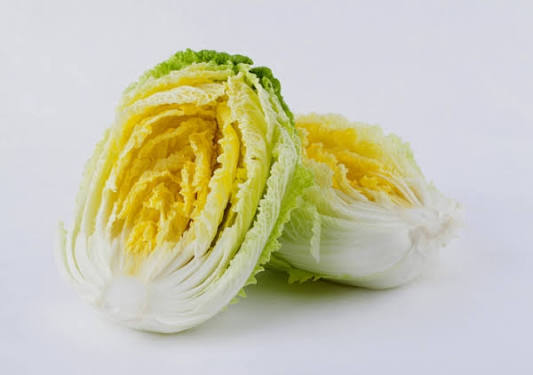
4. Cabbage Side Effects and Who Should Be Careful
Even with many benefits, it’s important to understand cabbage side effects and basic precautions.
4-1. Gas, Bloating, and Digestive Discomfort
Because cabbage is high in fiber and contains fermentable components, people with sensitive digestion may experience:
- Gas
- A feeling of fullness or bloating
- Looser stools
This is especially common when you eat large amounts of raw cabbage at once.
If this sounds like you:
- Cut back on raw cabbage
- Lightly blanch or steam it
- Use cabbage soup or soft cabbage dishes instead
This gentler cabbage eating style can reduce side effects while keeping the benefits.
4-2. If You Have Thyroid Problems
Cabbage and other cruciferous vegetables contain small amounts of goitrogens—compounds that can interfere with iodine use and, in theory, impact thyroid function.
However, based on current research:
- At normal dietary amounts,
- For people with healthy thyroid function,
there is no strong evidence that typical cabbage intake causes serious thyroid issues.
That said, if you:
- Already have hypothyroidism,
- Are being treated for thyroid cancer, or
- Have been specifically told by your doctor to be careful with cruciferous vegetables,
then it’s safer to:
- Avoid eating large amounts of raw cabbage every single day,
- Focus on cooked cabbage instead,
- Discuss your overall diet pattern with your healthcare provider.
4-3. If You Take Blood Thinners (Warfarin, etc.)
Cabbage contains vitamin K, which plays a role in blood clotting.
If you’re taking blood-thinning medications such as warfarin, sudden big changes in vitamin K intake can affect how your medication works.
The key point is:
- It’s not that you must completely avoid cabbage
- What matters is keeping your intake consistent
If you suddenly start eating a lot more cabbage or kimchi than usual, it might disturb your medication balance.
So before you make major changes to your diet, it’s wise to check with your healthcare provider.
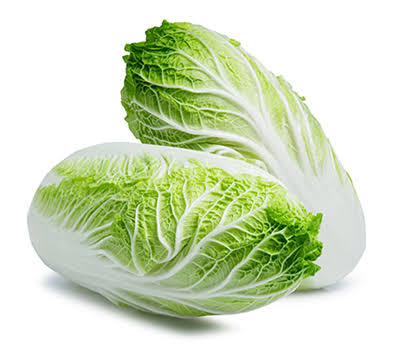
5. How Much Cabbage Should You Eat a Day?
There is no official rule like “every adult must eat exactly 000 g of cabbage per day.”
So it’s more realistic to think in terms of a reasonable daily range.
For most healthy adults, a practical guideline would be:
- Once or twice a day
- As side dishes or in soup
- About 50–100 g of raw cabbage in total (more when cooked, as it shrinks)
This amount is generally well tolerated for most people.
Of course, you should adjust based on:
- Your body weight
- Your digestion
- Your medical conditions
and how your body responds.
5-1. Easy Ways to Add Cabbage to Your Daily Meals
Example 1 – Breakfast
- Brown rice or mixed-grain rice + egg
- A small side of light cabbage kimchi or fresh cabbage wraps
Example 2 – Lunch
- Miso or soybean paste soup with plenty of cabbage
- Grilled or stir-fried lean protein
- Kimchi on the side
Example 3 – Dinner
- Slightly smaller portion of rice
- A bowl of cabbage soup
- Simple seasoned cabbage greens
With this kind of pattern, you can enjoy cabbage benefits and smart cabbage eating habits,
while lowering the chance of cabbage side effects like gas and bloating.
6. Four Simple, Actionable Cabbage Tips
TIP 1. How to Choose a Good Cabbage
Look for:
- Outer leaves that are not too wilted or darkened
- A head that feels heavy and firm in your hand
- A base that isn’t rotten or overly dried out
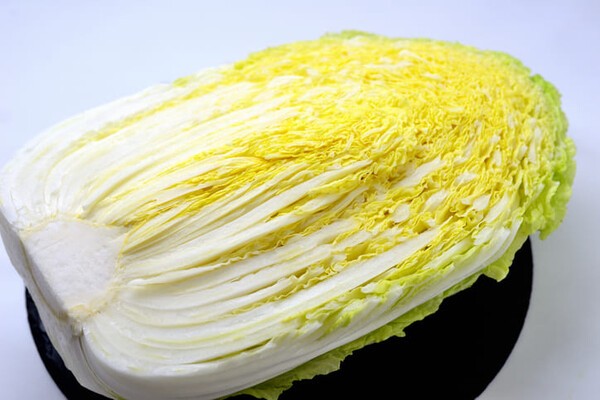
- Leaves with a fresh light green to yellowish color, not brown or gray
Choosing good cabbage helps you get the most fresh flavor and nutrition out of it.
TIP 2. How to Store Cabbage Properly
- For whole cabbage: wrap it in newspaper or paper towels and store it upright in the vegetable drawer of your fridge
- For cut cabbage: place it in an airtight container with a paper towel at the bottom to absorb excess moisture
- Try to use it within 1–2 weeks for the best texture and nutrient retention
Good storage helps minimize nutrient loss and prevents the leaves from turning yellow and limp too quickly.
TIP 3. Cabbage for Weight Loss: Practical Meal Swaps
- Cut your rice portion by about one-third
- Fill that empty space with cabbage salad, cabbage greens, or cabbage soup
- On days you eat ramen or stew, reduce the noodles or meat slightly and add lots of cabbage, onion, and mushrooms instead
This way, you:
- Reduce total calorie intake
- Keep your stomach feeling comfortably full
The core idea of a cabbage weight-loss strategy is simple:
“Less rice and noodles, more cabbage and vegetables.”
TIP 4. Using Cabbage and Kimchi for Better Gut Health
- Choose less salty, less fishy (low-jeotgal) cabbage kimchi when possible
- Aim for small portions once or twice a day of:
- Cabbage kimchi
- Lightly blanched cabbage
- A bit of raw cabbage
- When eating fried foods or heavy meat dishes,
add cabbage on the side to help reduce the digestive burden
In this way, you get both fiber and beneficial microbes, while keeping sodium and spice at a more comfortable level.
7. Key Takeaways: A Small Change That Starts with Cabbage
Let’s wrap up the main points.
Cabbage benefits
- Supports gut health and relieves constipation
- Helps heart and metabolic health as part of a vegetable-rich diet
- Can assist with weight management when it replaces higher-calorie foods
- Offers supporting benefits for immunity, skin, and energy
Cabbage side effects
- Large amounts, especially raw, can cause gas, bloating, and digestive discomfort
- People with thyroid disease or on blood thinners should pay attention to the amount and form (raw vs. cooked)
- Consistency in intake is more important than strict avoidance
How to eat cabbage wisely
- Include cabbage once or twice a day as soup, side dish, or kimchi
- Keep dishes less salty and less oily
- Spread your intake throughout the day instead of eating a huge amount at once
As you think about tonight’s meal,
try simply:
- Reducing your rice a little
- Adding one extra cabbage side dish
It might seem like a tiny change, but repeated every day,
it can gradually shift your gut health, blood vessels, body weight, and overall energy in a better direction.
Cabbage is an easy, low-cost way to start building healthier habits.
You don’t need a drastic overhaul—
“Let me at least change this one thing today” is more than enough for a meaningful first step.
Medical Disclaimer
This article is for general health and educational purposes only.
It does not replace professional medical advice, diagnosis, or treatment.
If you have specific symptoms or chronic conditions, please consult a qualified healthcare provider for personalized guidance.






최근댓글