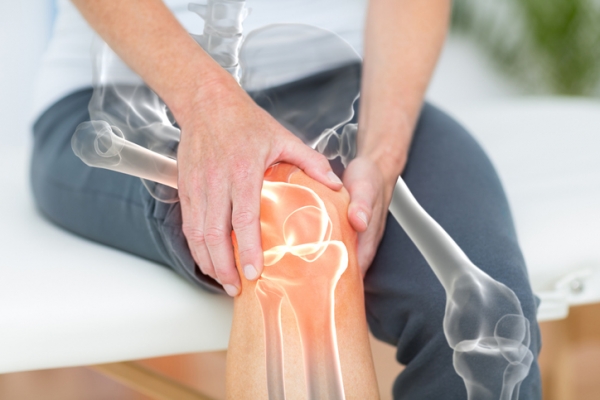
1. Knee Pain Isn’t “Just Age” – It Might Be Osteoarthritis
Have you noticed any of these lately?
- Your knees feel stiff and sore when you take your first steps in the morning
- Climbing stairs used to be nothing, but now every step feels heavy and uncomfortable
- After grocery shopping or a long day on your feet, your knees ache so much it’s hard to fall asleep
Many people brush this off and think,
“Well, I’m getting older. This is normal.”
But persistent knee pain isn’t always “just aging” or simple muscle soreness.
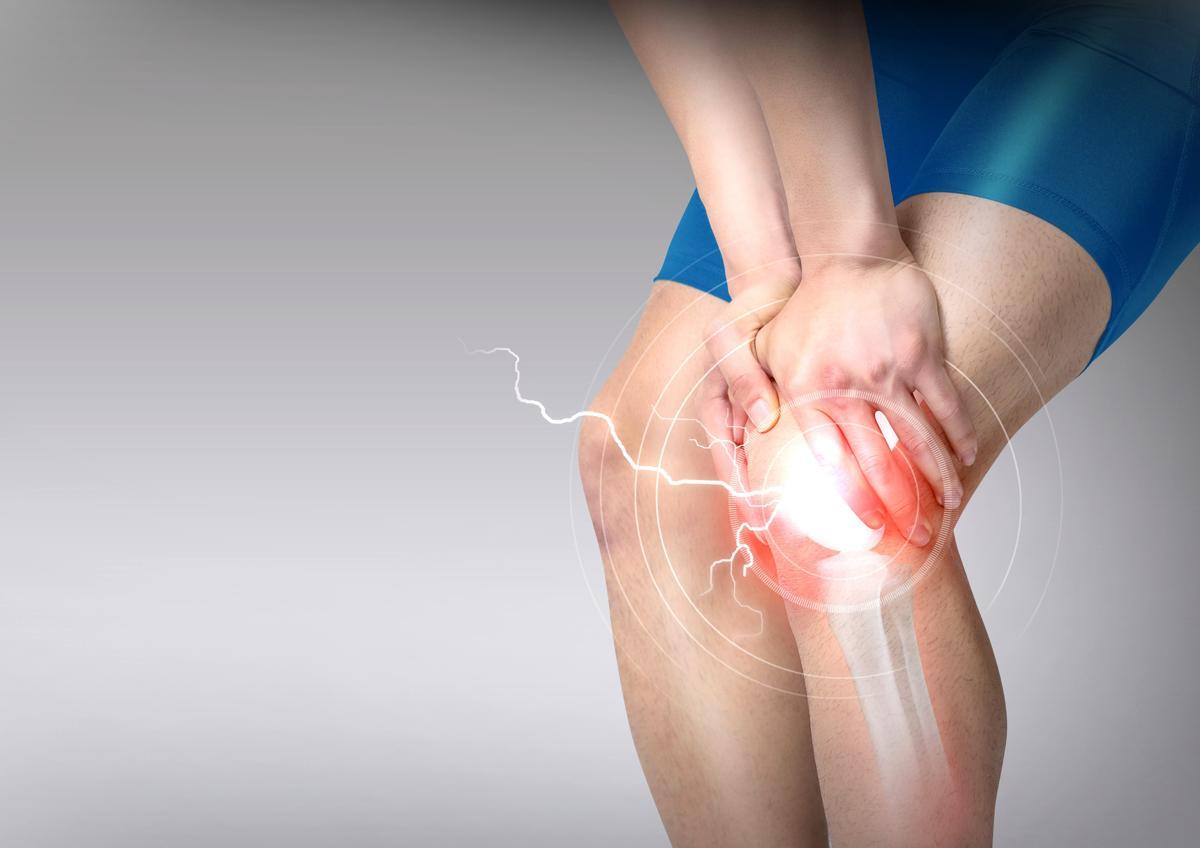
In many cases, it can be a sign of degenerative knee osteoarthritis, where the cartilage in your knee slowly wears down.
Degenerative osteoarthritis becomes more common with age and is especially frequent in:
- Women
- People who are overweight
- People whose jobs or daily routines put a lot of stress on their knees
The good news?
If you don’t wait too long, knee osteoarthritis can be managed and its progression can often be slowed.
In this post, we’ll walk through four key areas in a simple, practical way:
- How to do a basic self-check to see if your symptoms might be related to osteoarthritis
- What you can try before surgery – non-surgical treatments for knee osteoarthritis
- Simple lifestyle changes and exercises you can start at home
- When to seriously consider knee surgery and how to think about that decision
Let’s take it step by step.
2. What Is Degenerative Osteoarthritis? When Knee Cartilage Slowly Wears Away
First, let’s look at what degenerative osteoarthritis actually is in plain language.
● A Problem with the “Cushion” Inside Your Joints
Inside your knee, several structures work together so you can walk, sit, stand, and climb stairs without pain:
- Cartilage that covers the ends of the bones
- The meniscus, a shock absorber inside the joint
- Ligaments and muscles that stabilize and move the joint
When everything is healthy, you can move smoothly and pain-free.
But over time, factors such as age, excess weight, overuse, and inflammation can combine to:
- Wear down the cartilage
- Narrow the space inside the joint
- Make the bone ends rub more against each other
This process is what we call degenerative osteoarthritis, and the most common form is knee osteoarthritis.
● Is Worn Cartilage “The End of the Story”?
A question people ask all the time is:
“Once cartilage is worn out, that’s it, right?”
It’s true that cartilage does not regenerate like skin.
However, that doesn’t mean there’s nothing you can do.
Research suggests that if you:
- Lose excess weight,
- Do targeted exercise therapy for osteoarthritis,
- Use non-surgical treatments such as medication, injections, and physical therapy wisely,
you can often:
- Reduce pain, and
- Maintain joint function for many years
even if the cartilage doesn’t fully “grow back.”
So you can think of degenerative osteoarthritis as:
“A condition where the cartilage wears down,
but how your knees will feel over the next 10–20 years
depends greatly on how you manage them starting today.”
3. Muscle Soreness or Osteoarthritis? A Simple At-Home Self-Check
Now let’s go over some simple points that can help you self-check for osteoarthritis before you see a doctor.
This isn’t a final diagnosis, but it can help you decide whether it’s time to get evaluated.
● 1) Where Exactly Is the Pain?
When it’s more likely to be degenerative knee osteoarthritis:
- You feel pain along the inner or outer side of the knee joint line
- The pain gets worse after standing or walking for a long time, and eases a bit with rest
- Going downstairs or downhill hurts more than walking on flat ground
When it’s more likely to be simple muscle soreness:
- Your entire thigh or calf feels heavy and sore
- The soreness improves noticeably after stretching or massage
● 2) Morning Stiffness and Joint Noises
You may want to suspect osteoarthritis if:
- When you get up in the morning and take your first steps,
your knees feel stiff and hard to bend - After sitting in the same position for a long time,
your knees feel almost “frozen” and painful at first, then slowly loosen up as you walk - When you walk or climb stairs,
your knees make a cracking or grinding sound (“crunching” or “popping”) along with pain
If this pattern continues for several weeks or more,
it’s a good idea to start thinking seriously about knee osteoarthritis management, not just muscle soreness.
● 3) Changes in Knee Shape and the Way You Walk
You should be more cautious if:
- Your knees often look swollen
- Your legs seem to be gradually turning into an O-shape (bow-legged)
- You begin to limp or feel like you’re favoring one leg, even without walking far
These can be signs of more advanced degenerative osteoarthritis.
Remember: a self-check is only a starting point.
If knee pain lasts longer than 6 weeks or keeps getting worse,
you really do need an X-ray and a proper medical evaluation for an accurate diagnosis.
4. Non-Surgical Treatments and Lifestyle Changes Before Considering Surgery
A lot of people immediately associate knee osteoarthritis with surgery,
but there are actually many things you can try before getting to that point.
● 1) Exercise Therapy: Not “Using Your Knees Less,” but “Using Them Better”
Studies over the past several years consistently show that:
Exercise therapy is one of the most effective non-surgical treatments for knee osteoarthritis.
Two types of exercise are especially helpful:
(1) Low-impact aerobic exercise
These are activities that keep you moving without putting too much stress on your joints:
- Brisk walking in comfortable shoes
- Stationary cycling at home or in a gym
- Swimming or aqua aerobics
Aim for:
- About 20–30 minutes,
- At least 3 times a week,
- At an intensity where your breathing is slightly faster, but you can still hold a conversation.
(2) Strengthening your thighs and hips
Strong muscles around the knee help support the joint and reduce the load on the cartilage:
- Seated leg extensions (straightening one leg at a time while seated)
- Wall-supported half squats (not too deep)
- Side-lying leg raises
Start with just 5–10 minutes on days when your pain is manageable, and gradually build up over time.
The key idea in exercise therapy for degenerative osteoarthritis is:
“Don’t stop using your knees completely because they hurt.
Instead, keep them moving within a safe range and in the right way.”
● 2) Medications and Topical Treatments
Pain relievers and anti-inflammatory medications
- These can help on days when the pain is intense
- Because they can affect the stomach, heart, and kidneys,
they should be used for the shortest time at the lowest effective dose,
and only after discussing them with your healthcare provider
Topical creams, gels, or patches
- Anti-inflammatory creams or patches applied directly to the knee
- Often helpful for people who can’t—or prefer not to—take oral medication
- Frequently used in older adults for local pain relief
● 3) Joint Injection Therapy
There are also treatments that involve injecting medication directly into the knee joint.
Steroid injections
- Helpful when the joint is very swollen and hot from inflammation
- Can rapidly reduce pain and swelling
- Should not be done too frequently; typically reserved for specific situations
Hyaluronic acid injections (“lubricating” or “gel” injections)
- Contain a substance similar to natural joint fluid
- Designed to improve lubrication and reduce friction inside the joint
- Some studies report benefits for early-stage patients,
while others find only modest or limited effects
Because of this, hyaluronic acid injections are best viewed as:
An option that may help certain people at certain stages,
not a “must-have treatment” for everyone with knee osteoarthritis.
● 4) Helpful Tools in Daily Life
Simple devices can make a real difference in daily comfort:
- Knee braces to provide support
- A cane to reduce load on one side when walking
- Shoes or insoles with good shock absorption
These tools can be especially useful on days when you know you’ll be walking or standing a lot.
5. When Should You Consider Surgery? Key Signs to Watch For
Many people believe:
“Surgery should always be delayed as long as possible.”
But in reality, having surgery too late can also cause problems.
You may want to seriously discuss knee surgery with a specialist if:
- For 3–6 months or more, you’ve been consistent with:
- Exercise therapy for osteoarthritis
- Weight management
- Medications or injections
- Lifestyle changes
- Walking, climbing stairs, and even sleeping are still very painful and difficult
- X-rays show that:
- The joint space is almost gone, and
- The leg is significantly bowed (O-shaped) or visibly deformed
- Because of knee pain, you:
- Almost stop going out
- Exercise much less and gain more weight
- Feel depressed, isolated, or avoid social situations
In these cases, procedures such as total knee replacement or osteotomy can dramatically improve quality of life.
Of course, the decision about if and when to have surgery depends on:
- Your age
- Your activity level
- Other medical conditions (such as heart disease or diabetes)
- The condition of your knee joint on imaging
That’s why it’s important to discuss all of these factors thoroughly with your orthopedic specialist.
6. Five Practical Knee-Care Habits You Can Start Today
Enough theory—let’s make this practical.
Here are 5 simple lifestyle habits for degenerative knee osteoarthritis that you can start right away.
Think of them as small investments in your future knees.
① Losing Just 5% of Your Body Weight Can Lighten the Load
If you weigh 70 kg (about 154 lbs), aim to lose around 3.5 kg (about 7–8 lbs) over several months.
Research suggests that even this amount of weight loss can:
- Reduce the load on your knees, and
- Lead to noticeable improvements in pain
You don’t need extreme dieting. Start with:
- Slightly smaller portions of rice, bread, or other refined carbs
- Cutting back on sugary and greasy snacks
- Increasing your intake of protein and vegetables
② Start with a 30-Minute Walk Three Times a Week
If joining a gym feels overwhelming, simply:
- Put on comfortable shoes
- Walk at a somewhat brisk pace around your neighborhood for 30 minutes
At first, just focus on showing up and keeping the time.
Once it feels easier, you can gradually increase your pace or distance.
Even this simple routine covers a large portion of exercise therapy for osteoarthritis.
③ Do 5–10 Minutes of Thigh Exercises While Watching TV
Use TV time to sneak in some thigh and hip strengthening:
- Sit on a chair and extend one leg straight, holding for about 10 seconds
- Do wall-supported half squats 10 times (don’t go too deep)
- Lie on your side and raise the top leg 10 times
Done regularly, these exercises can:
- Strengthen the muscles around your knees
- Make walking and climbing stairs feel much easier over time
④ Protect Your Cartilage: Avoid These Knee-Stressing Positions
From the perspective of preventing further cartilage damage, try to reduce:
- Squatting for long periods while doing housework
- Kneeling on the floor for extended periods
- Carrying heavy loads up and down stairs
If you must do these activities, take frequent breaks and avoid doing them for long stretches at a time.
⑤ Think of Food and Supplements as “Support Players,” Not the Main Treatment
Omega-3 fats, anti-inflammatory diets, and joint supplements may offer some benefit in certain people.
However, they cannot replace:
- Regular movement
- Weight management
- Healthy daily habits
In other words:
The core of knee osteoarthritis management is
to eat well, move regularly, and rest properly.
Supplements should be seen as support players, not the star of the show.
Final Thoughts: Osteoarthritis Is Easier to Manage When You Understand It
Let’s quickly recap the key points.
- If your knees feel stiff and achy for a long time,
it might be degenerative osteoarthritis, not just aging or overuse.
Use the simple self-check points (pain location, morning stiffness, stair pain),
and if symptoms last more than 6 weeks, it’s wise to see a professional. - The foundation of degenerative knee osteoarthritis management is non-surgical treatment:
- Low-impact aerobic exercise (walking, cycling, swimming)
- Thigh and hip strengthening
- Weight control
- Medications, injections, and physical therapy when appropriate
- Surgery is considered when:
- You’ve tried non-surgical treatments consistently, but daily life is still very limited by pain
- Imaging shows advanced joint damage
- You don’t have to change everything overnight.
Starting with small habits—- Losing just 5% of your body weight
- Walking 30 minutes, three times a week
- Doing 5–10 minutes of simple leg exercises
- Avoiding deep squats and kneeling
Tomorrow morning, when you take that first step out of bed,
imagine saying to yourself:
“I did at least one small thing for my knees yesterday.”
Those small steps can add up to a future where your knees feel more comfortable,
your movements feel easier, and your days feel a little lighter.
Medical Disclaimer
The information in this article is for general educational purposes only.
It is not a substitute for personal medical advice, diagnosis, or treatment.






최근댓글