
Introduction: “Tired all the time, gaining weight, and sensitive to cold?”
If you sleep 7–8 hours yet wake up exhausted, gain weight without eating more, and notice cold hands and feet—even in summer—hypothyroidism could be the reason. Your thyroid hormones are the “gears” of metabolism. When they’re low, everything slows down: energy, digestion, temperature regulation, skin and hair turnover. Common clues stack up over time—fatigue, weight gain, cold intolerance, constipation, dry skin, hair thinning—while blood tests typically show TSH rising and FT4 falling. The good news: diagnosis and care are standardized, and with the right treatment, quality of life can improve quickly.

Key Takeaways
- Most common cause: Hashimoto’s thyroiditis (autoimmune). Others include thyroid surgery, head/neck radiation, significant iodine deficiency or excess, and certain medications.
- Typical symptoms: fatigue, weight gain, cold sensitivity, dry skin, hair loss, constipation, brain fog, low mood, and menstrual changes. Because these are nonspecific, blood tests matter.
- Diagnosis: High TSH + low FT4 = overt hypothyroidism. Subclinical hypothyroidism = high TSH with normal FT4.
- First-line treatment: Levothyroxine. Dosing depends on body weight, age, cardiac status, and pregnancy plans. Aim for TSH normalization plus symptom relief.
- Treating subclinical cases: Consider age, TSH level, symptoms, cardiovascular risk, and pregnancy plans. Some need medication now; others benefit from watchful monitoring.

1) What Is Hypothyroidism?
Hypothyroidism means the thyroid doesn’t make enough T4/T3 to keep metabolism running smoothly. The top cause is Hashimoto’s thyroiditis—an autoimmune condition where antibodies gradually damage thyroid tissue. Globally, prevalence varies by study, but reviews often report roughly 7–13% for Hashimoto’s markers in the general population.
Iodine and Your Thyroid
Iodine is essential for making thyroid hormones. Deficiency can cause hypothyroidism, and excess may also impair hormone synthesis in susceptible people. For most adults, sticking close to the recommended 150 μg/day is a safe target unless your clinician advises otherwise.
2) Main Causes and Risk Factors
- Hashimoto’s thyroiditis (autoimmune): more common in women and in midlife; often associated with positive TPOAb/anti-Tg antibodies and sometimes with other autoimmune conditions.
- Post-surgery / radiation: after thyroidectomy or high-dose head/neck radiation.
- Iodine imbalance: both deficiency and excess (e.g., heavy seaweed intake or high-iodine supplements).
- Medications: amiodarone, lithium, and others can affect thyroid function (always review labels and discuss with your clinician).
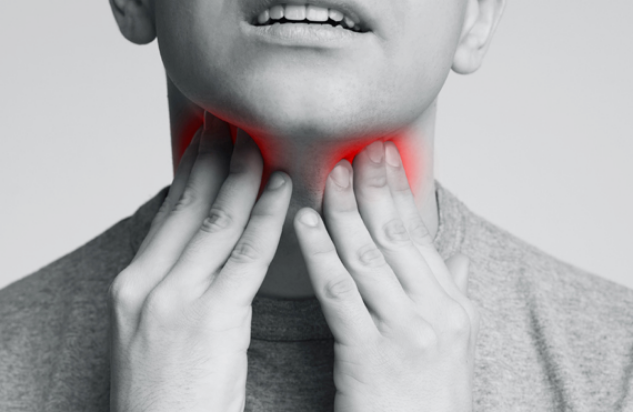
3) Symptom Checklist and How It’s Diagnosed
Do you have three or more of these? Consider testing.
- Persistent fatigue and low energy
- Weight gain or puffiness
- Cold intolerance, feeling chilled easily
- Constipation, dry skin, hair thinning
- Memory/attention issues, low mood
- Menstrual changes (heavier or irregular periods)
Because these signs are nonspecific, a blood test is key. You don’t need to be fasting.
- Overt hypothyroidism: TSH ↑ + FT4 ↓
- Subclinical hypothyroidism: TSH ↑ + FT4 normal
Your clinician will interpret results in context and may add antibody tests (e.g., TPOAb).

4) Treatment: Levothyroxine First, Results You Can Feel
4-1. First-Line Medication: Levothyroxine
Levothyroxine replaces missing thyroid hormone. The starting dose depends on weight, age, cardiovascular status, and pregnancy. Doctors typically recheck labs and symptoms in 6–8 weeks and adjust the dose gradually.
- How to take it: first thing in the morning on an empty stomach with water.
- Avoid interactions: leave 4+ hours between levothyroxine and calcium, iron, magnesium, or coffee.
- What to expect: many people feel better within a few weeks; by 2–3 months, fatigue, cold intolerance, and constipation often ease if dosing and timing are right.
Goal: not just “normal numbers.” You want TSH in range and symptoms improved. If you still feel off, review dose, timing, and possible interactions with your clinician.
4-2. Subclinical (Milder) Cases: Treat Some, Monitor Others
When TSH is elevated but FT4 is normal, decisions are individualized. Treatment is more likely if TSH ≥10 mIU/L, you’re pregnant or trying to conceive, or you have marked symptoms, lipid issues, or high cardiovascular risk. Otherwise, periodic monitoring may be best.

5) Lifestyle & Nutrition: 5 Practical Steps You Can Start Today
- Nail the morning routine: take levothyroxine on an empty stomach; separate from coffee, calcium, and iron by 4+ hours. Consistency boosts absorption.
- Keep iodine “just right”: everyday diets usually suffice. Avoid chronic excess from seaweed or high-iodine supplements unless prescribed.
- Build a nutrient-dense plate: prioritize protein, fiber, and micronutrients that support thyroid metabolism (e.g., selenium, zinc) through food first—eggs, fish, legumes, nuts, whole grains. Supplement only for proven deficiency and under guidance.
- Move and sleep on schedule: aim for ~150 minutes/week of light cardio plus gentle strength work; protect 7–8 hours of regular sleep to help energy, mood, and weight management.
- Watch stress signals: stress can aggravate autoimmune activity. Try brief daily practices—walks, deep breathing, light stretching, or mindfulness.
6) FAQ: Myths and Must-Knows
Q1. Will I need medication for life?
Many autoimmune cases require long-term therapy. If the cause was temporary (e.g., medication-induced, iodine-related), some people can taper under close medical supervision. Never adjust on your own.
Q2. Will levothyroxine make me lose weight?
It normalizes metabolism; it isn’t a weight-loss drug. Sustainable results come from dose optimization + diet and activity.
Q3. Should I load up on iodine to get better faster?
No. Too much iodine can worsen thyroid function in susceptible people. Aim for balanced intake unless your clinician directs otherwise.
Q4. If my labs are “normal,” why do I still feel off?
Two reasons: (1) timing/absorption issues (coffee, calcium, iron too close), or (2) the dose needs fine-tuning. Discuss persistent symptoms and retest TSH/FT4 after adjustments.

7) Bottom Line
Hypothyroidism is highly manageable. With the right dose of levothyroxine, smart timing, steady routines, and a balanced diet, most people feel noticeably better within weeks and continue to improve over months. If low energy, unexplained weight gain, and cold sensitivity sound familiar, ask your clinician about TSH and FT4 testing—it could be the first step to getting your energy back.
Medical Disclaimer
This article provides general health information for educational purposes. It isn’t a substitute for professional medical advice, diagnosis, or treatment. Always consult your healthcare provider for guidance tailored to you.






최근댓글