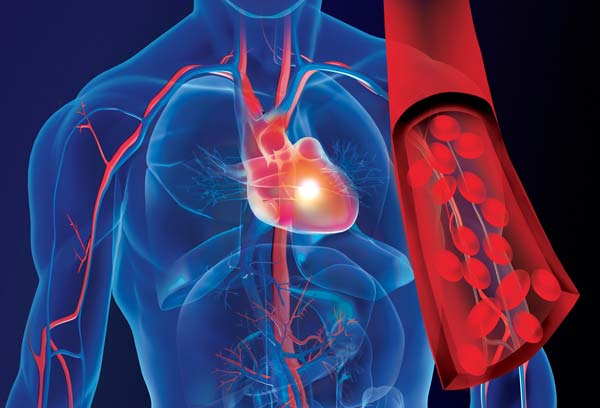
“Does your chest feel squeezed with cold sweat, and you brush it off as indigestion?”
When this happens, the condition you must consider first is a heart attack (myocardial infarction). Symptoms vary, but one rule never changes: time saves heart muscle. If the blocked artery is opened within the golden time, heart damage and complications can be minimized.
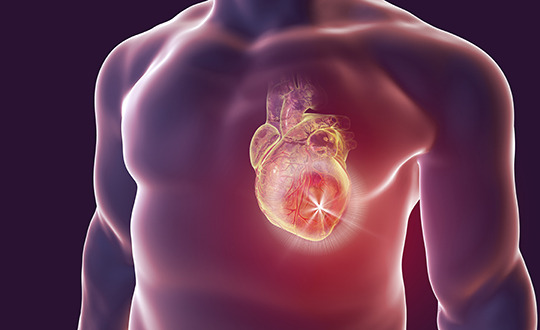
1) What Is a Heart Attack? How It Differs From Angina
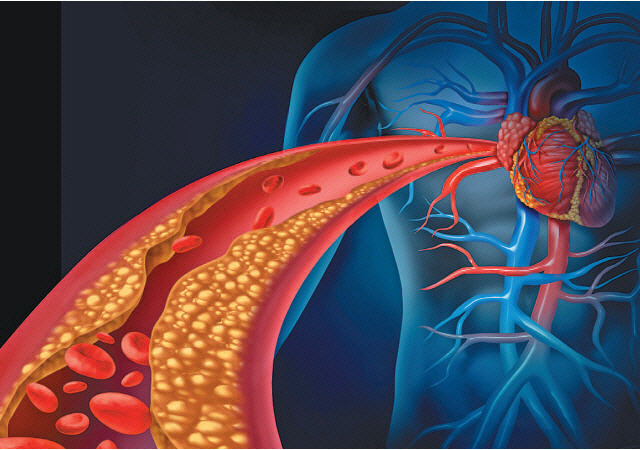
A heart attack occurs when a coronary artery is suddenly blocked—usually by a blood clot (thrombus)—and blood can’t reach the heart muscle. Without blood flow, heart muscle starts to die, so every minute counts.
Angina is a temporary lack of blood flow due to narrowed arteries; it often eases with rest. In contrast, a heart attack typically brings chest pain lasting ≥10 minutes or getting worse, often with cold sweat, nausea, and shortness of breath.
Keep in mind: older adults, women, and people with diabetes may have less typical pain. They might feel epigastric burning, back/jaw/left-arm pain, or overwhelming fatigue instead. If something feels “not right,” act—don’t wait.
2) Early-Symptom Checklist (Self-Screen)
If several of these occur together, suspect a heart attack:
- Crushing/tight chest pain that lasts 10+ minutes and doesn’t ease with rest
- Pain spreading to the left arm, neck, jaw, or back
- Cold sweat, nausea/vomiting, dizziness, sense of doom
- Shortness of breath or chest tightness
- In women: epigastric discomfort/“indigestion”, unusual fatigue may be the main clues
If these appear, avoid driving yourself or taking public transport. Call 911 immediately. Protect the golden time—it directly affects outcomes.
Suggested image: side-by-side card “Men vs. Women symptoms”
Suggested image: poster “Chest pain 10 minutes → 911”
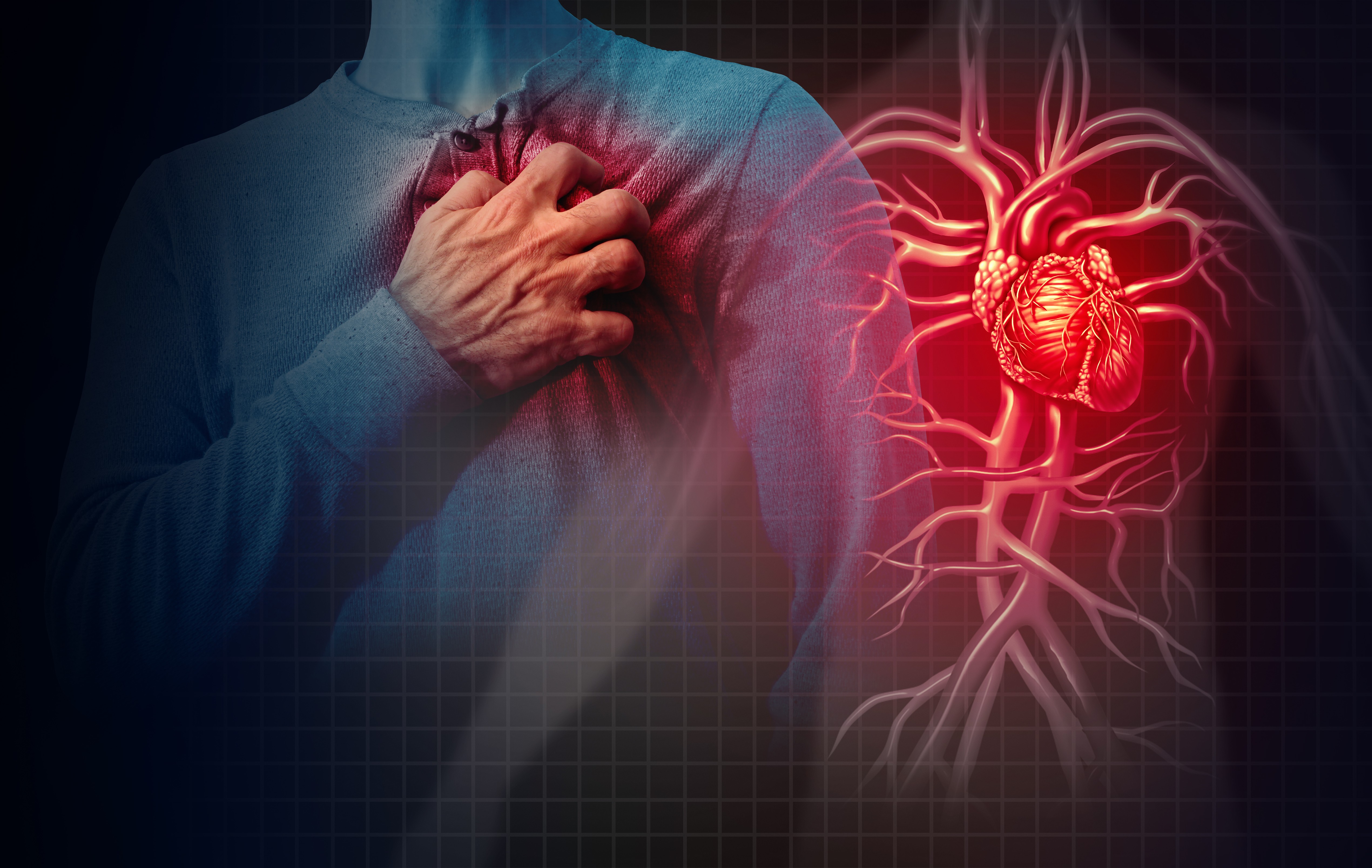
3) What To Do Before You Reach the Hospital
- Call 911 now: If chest pain lasts 10+ minutes, call. Symptoms can worsen en route.
- Position & breathing: Sit comfortably, loosen tight clothing, breathe gently.
- Aspirin: Only if your clinician has previously okayed it and EMS instructs you, chew a dose. Avoid if you have bleeding risk/allergy/ulcer history.
- Nitroglycerin: Use only if prescribed; take seated under the tongue. Avoid if blood pressure is low or you took certain meds recently.
- Note the time: Record when symptoms started. List your meds, conditions, and allergies for EMS—this saves precious minutes.
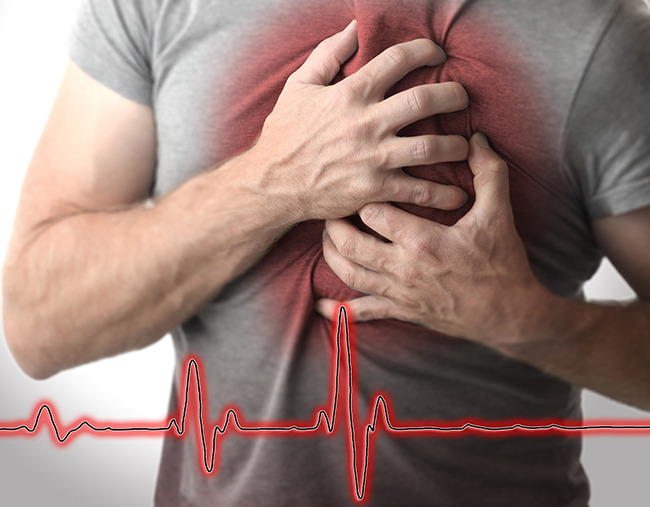
4) What Happens in the ER? (ECG & High-Sensitivity Troponin)
Expect a rapid sequence:
- 12-lead ECG: Done ASAP to check for STEMI vs. NSTEMI.
- High-sensitivity troponin (hs-cTn): Blood tests at 0 and 1 (or 2) hours to confirm heart-muscle injury and its rise/fall pattern. hs-cTn is today’s preferred biomarker.
- Chest X-ray, echocardiogram, CT if needed: To rule out other causes and assess heart function.
- Coronary angiography: Maps the blockage and allows immediate treatment (stent) when indicated.
Bottom line: Heart attack treatment hinges on fast diagnosis → immediate reperfusion (open the artery) while minimizing delays at every step.
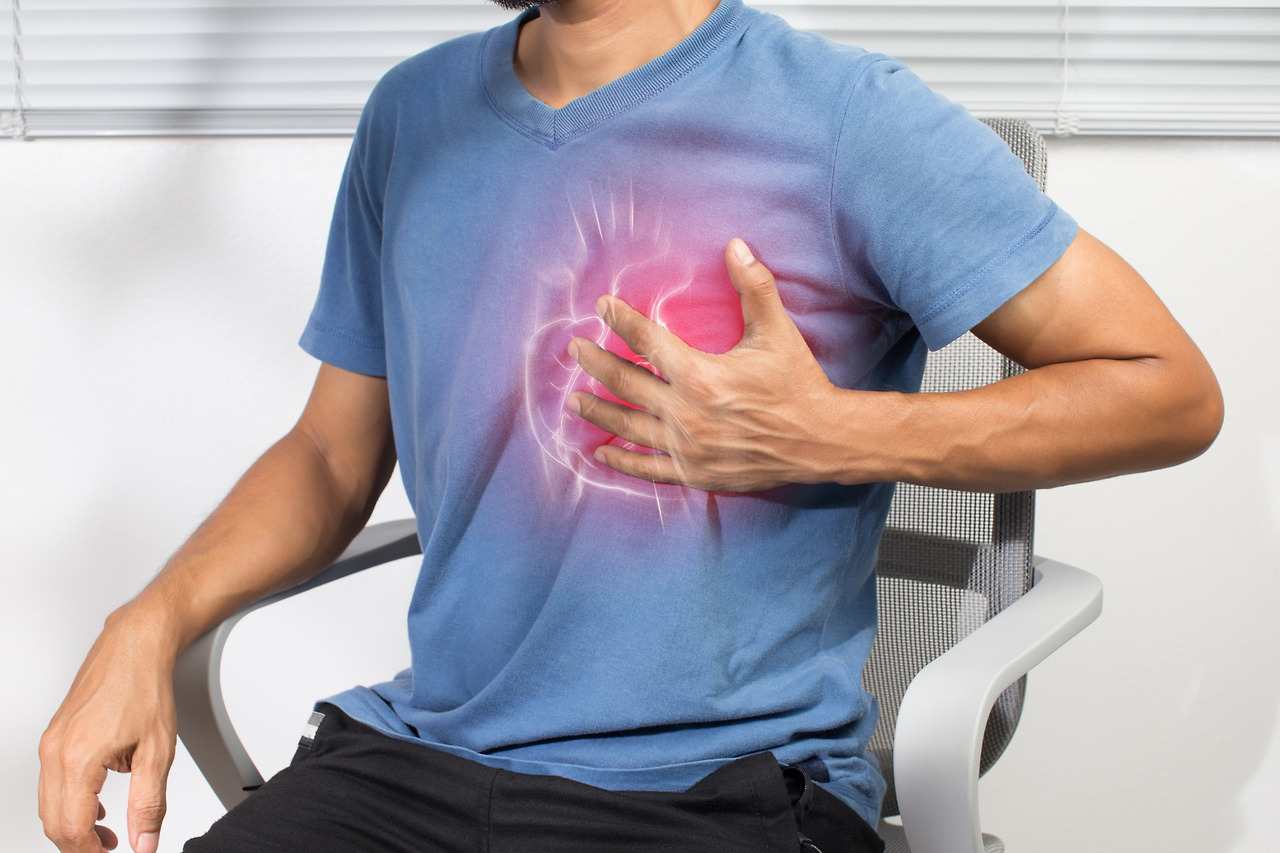
5) Treatment at a Glance: PCI (Stent), Clot-Bust, and Medications
- Emergency PCI (stent): A catheter opens the blocked artery and places a stent. It’s the standard for heart attack treatment, and earlier is better.
- Thrombolysis (clot-busting drug): Considered when PCI will be delayed; many patients then undergo rescue PCI.
- Dual antiplatelet therapy (DAPT): Aspirin + a P2Y12 inhibitor to prevent stent clotting and recurrence; type and duration depend on bleeding risk.
- Anticoagulants: Used around procedures to reduce clot complications.
- Risk-factor control: Hypertension, diabetes, and high LDL are core heart attack causes and must be managed long-term.
Key message: The exact plan depends on time to treatment, hospital capability, and patient risk. The shared goal is rapid reperfusion within the golden time—often via PCI.
6) After Discharge: Preventing Another Event
Think of discharge as the start of recovery:
- Enroll in cardiac rehab
A supervised program (physician, exercise specialist, dietitian) sets safe intensity, breathing, and lifestyle steps. Participation consistently lowers death and readmission rates. - Hit your LDL-cholesterol target
Work with your clinician on high-intensity statins; add ezetimibe or PCSK9 inhibitor if needed. Very-high-risk patients often aim for LDL-C <55 mg/dL (personalized). - Quit smoking, limit alcohol, sleep well
Tobacco tightens arteries and raises clot risk. Avoid binge drinking. Keep a steady sleep routine. - Mediterranean-style eating
Emphasize vegetables, fruit, whole grains, fish, and olive oil; cut processed meat, added sugars, and trans fats. - Build an exercise routine
If cleared, target 150 min/week of aerobic activity + 2 days of strength. Start gradually and progress safely.
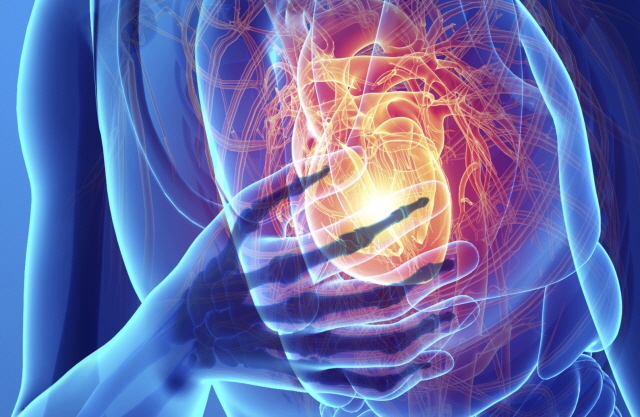
7) Five Practical Tips You Can Use Today
- The “10-minute rule” note
Set your phone lock-screen or a fridge memo: “Chest pain for 10 minutes → 911.” It reduces hesitation. - Wallet medical card
List meds, conditions, allergies, and an emergency contact; hand it to EMS or ER staff. - Med-alarm & test calendar
Use alarms for doses; log LDL-C, BP, and glucose so clinic visits are efficient. - Know your nitro
If prescribed, take seated under the tongue; stop and get help if you feel faint. - Teach the atypical signs
Share with women and younger adults: indigestion-like pain, jaw/back pain, extreme fatigue can signal a heart attack.
8) Quick Q&A: Busting Common Myths
Q1. Pain eased for a while—can I skip the hospital?
A. No. Damage can continue and late arrival worsens outcomes. Don’t miss the golden time.
Q2. I’m young. Do I still need to worry?
A. Yes. Smoking, family history, obesity, diabetes, stress/overwork raise risk even at a young age.
Q3. Indigestion pills help—so it isn’t cardiac, right?
A. Not reliable. If chest pain plus cold sweat/shortness of breath occur, call 911.
Q4. Should I take aspirin “just in case”?
A. Only if your clinician has okayed it and EMS instructs you. Unsupervised use can be risky.

9) Key Takeaways & Final Advice
- A heart attack is a race against time. If chest pain lasts 10+ minutes, don’t drive—call 911.
- In the ER, ECG and high-sensitivity troponin confirm the diagnosis; PCI opens the artery fast—this is the core of heart attack treatment.
- After discharge, commit to cardiac rehab, LDL-C targets, smoke-free living, smart nutrition, and regular exercise to cut recurrence risk.
- Women and younger adults should remember that atypical symptoms are common; “I thought it was indigestion” is often the most dangerous assumption.
Medical Information Notice
This article is for general education and does not replace professional medical advice, diagnosis, or treatment. Always seek care from a qualified clinician for personal symptoms or conditions.
'Health Information' 카테고리의 다른 글
| Fatty Liver Symptoms: Causes, Tests & Treatment (0) | 2025.11.22 |
|---|---|
| Seaweed Benefits, Side Effects & How to Eat (Sargassum Guide) (0) | 2025.11.22 |
| Atherosclerosis Symptoms: Early Warning Signs You Shouldn’t Ignore (0) | 2025.11.20 |
| Is Octopus Healthy? Benefits, Risks, Nutrition & How to Cook (0) | 2025.11.20 |
| Winter Psoriasis: Causes, Symptoms & Treatments (0) | 2025.11.19 |






최근댓글