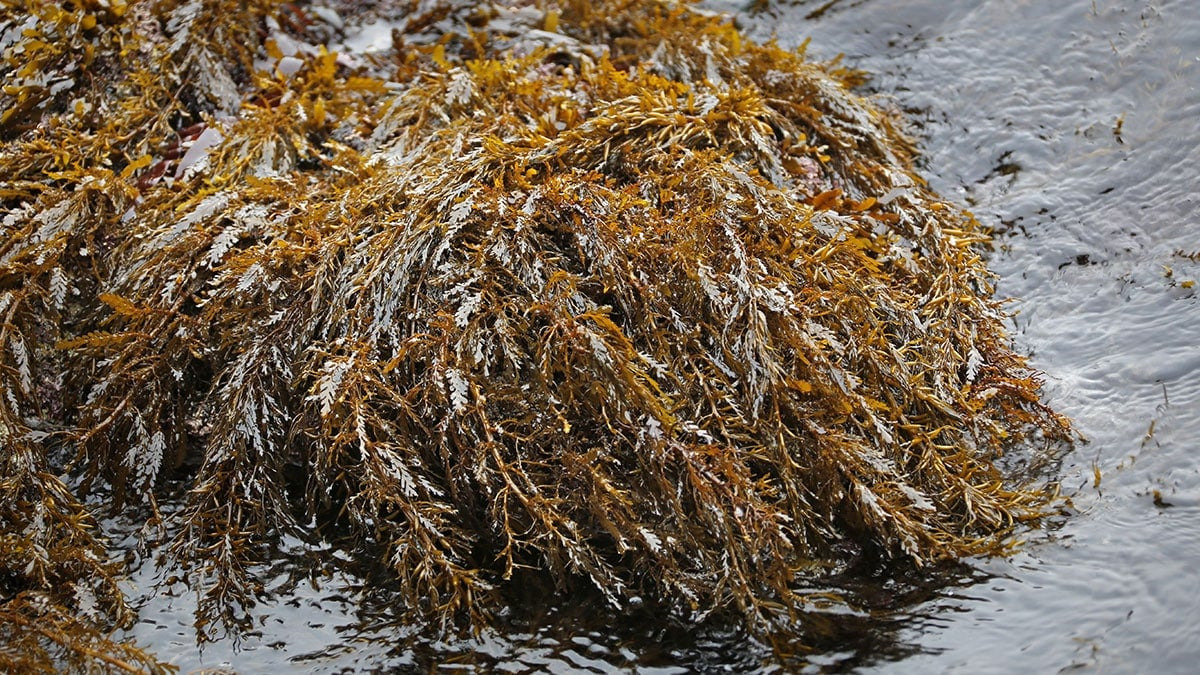
1) Why Sargassum? — Basics & What to Expect
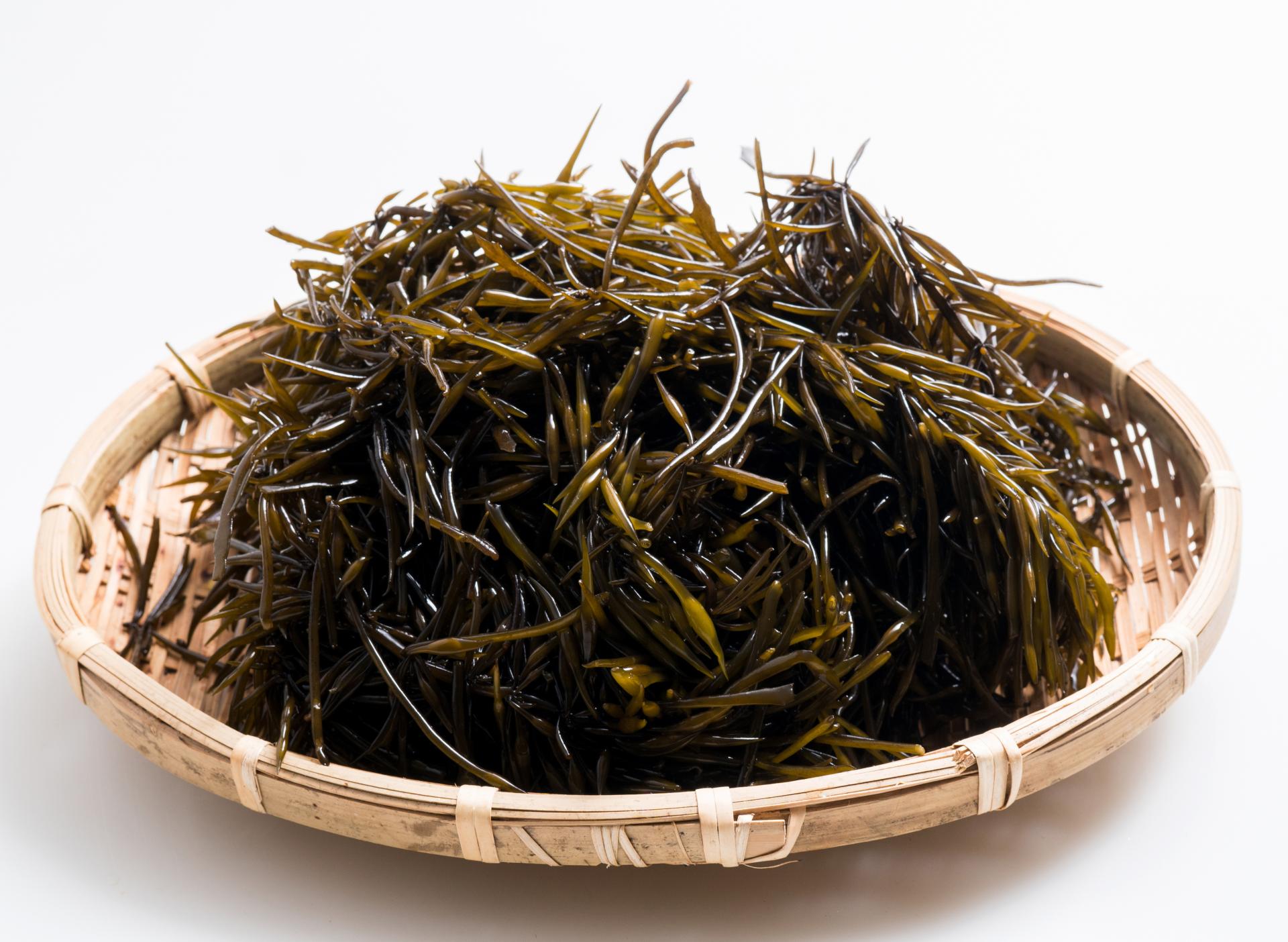
Sargassum is a brown seaweed widely used in Jeju’s momguk, a comforting local soup. It has a soft bite and lends depth to broths. Nutritionally, it contains fucoxanthin (a fat-soluble carotenoid) and fucoidan (a sulfated polysaccharide), which is why many people look to it for antioxidant, anti-inflammatory, and metabolic health support.
Remember these three points:
- Sargassum benefits: potential antioxidant/anti-inflammatory support and help with metabolic balance
- Sargassum side effects: naturally high iodine; some species can contain inorganic arsenic
- How to eat sargassum safely: soak → blanch (repeat) to improve taste and reduce risk
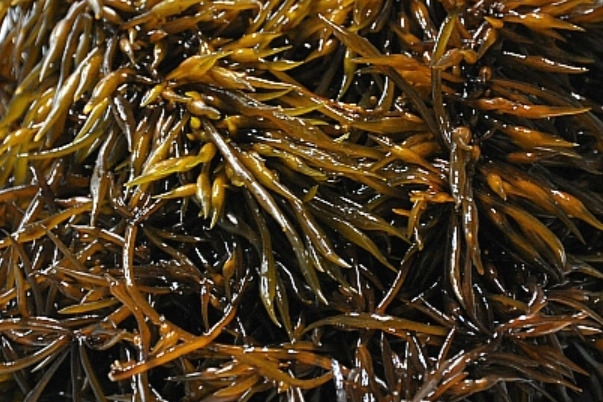
2) Benefits — 4 Ways It Can Support Everyday Health
Keep expectations realistic and think of sargassum as food that supports health, not a cure-all.
- Antioxidant & Anti-Inflammatory Support
Brown-seaweed pigments and polysaccharides may help reduce oxidative stress and tame low-grade inflammation—useful for overall vitality and day-to-day comfort. - Friendly to Metabolic Health
Fucoxanthin is discussed for its potential role in lipid metabolism. Alongside a balanced diet, it may help with body-fat management and metabolic balance. Pair it with diet, exercise, and sleep for real results. - Gentle on the Gut
Seaweed fibers can support regularity and a pleasant feeling of fullness. Sargassum works well in soups and light salads. - Skin & Photo-Protection Interest
Through antioxidant pathways, sargassum is explored for skin condition and UV-stress support. Think “whole-diet pattern”: fruits, vegetables, and seaweeds together.
3) Side Effects — Iodine & Inorganic Arsenic: Keep It Simple, Keep It Safe
The two safety flags are iodine and inorganic arsenic. A few habits go a long way.
- Iodine: Seaweeds are iodine-dense. Those with thyroid conditions, pregnant or nursing, and older adults should be extra mindful of portion size and frequency.
- Inorganic arsenic: Reported in some Sargassum species. The good news: proper soaking and repeated blanching helps reduce it.
- Product choice: Check origin, processing style, salt level, and cleanliness. Choose reputable sellers.
- Rotation strategy: Don’t eat only one seaweed daily. Rotate with wakame, kelp, and laver to spread exposure.
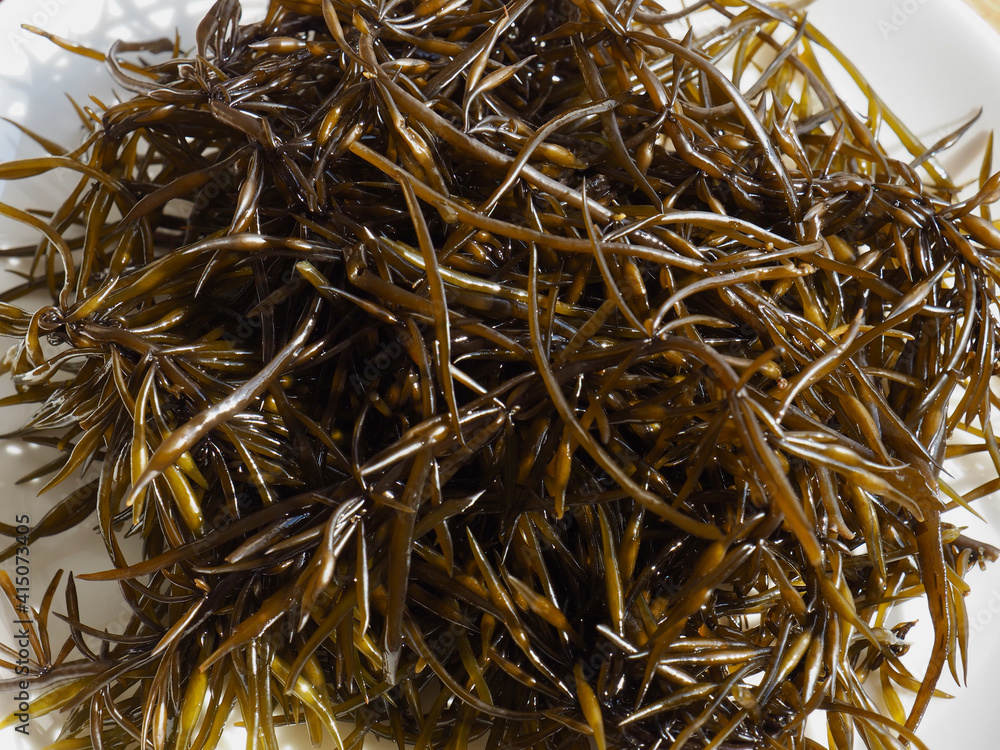
4) How to Eat Sargassum — Soak, Blanch, Store (The Easy Way)
Make this your go-to routine for both taste and safety.
4-1. Soaking (Pre-Prep)
- Cover dried sargassum with plenty of cold water for at least 30 minutes.
- Change the water 1–2 times to cut brininess and help leach iodine.
- Rinse under running water, rubbing gently to remove grit and excess salt.
4-2. Blanching (The Core Step)
- Drop the soaked sargassum into boiling water for 5 minutes, then shock in cold water.
- Repeat another 5-minute blanch (total twice). This reduces strong flavors and supports safety.
- Drain well, then slice for your recipe.
4-3. Storage
- Keep blanched sargassum in an airtight container: 2–3 days in the fridge, or 2–3 weeks in the freezer (in small portions).
- Thaw gently and cook right away.
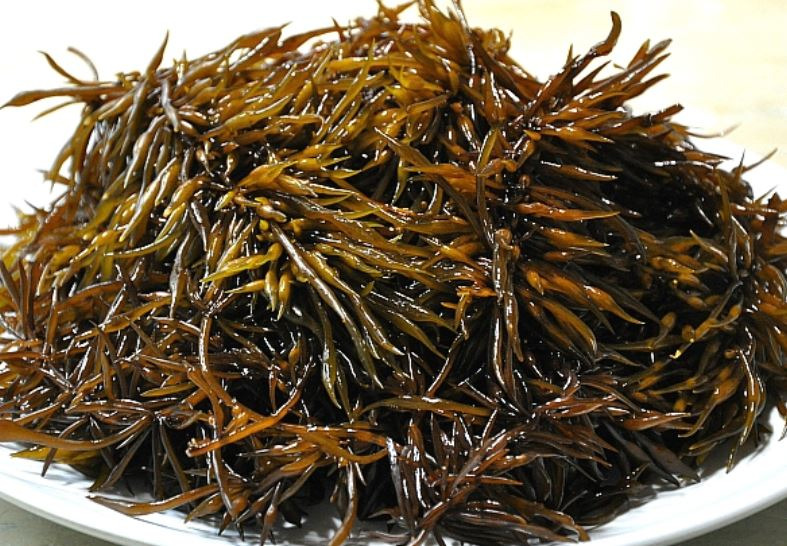
5) Three Easy Home Recipes
Use the same soak → blanch steps above, then choose your style.
A. Cozy “Momguk-Style” Soup (Home Version)
- Simmer pork-bone or beef-bone broth, add blanched sargassum, and cook 10 minutes.
- Whisk in a little buckwheat flour for gentle body.
- Season with garlic, scallions, and a splash of light soy.
- Deep, soothing flavor—ideal on cold days.
B. Sargassum & Tofu Light Salad
- Slice blanched sargassum and chunky firm tofu.
- Toss with soy sauce, vinegar, toasted sesame oil, and sesame seeds.
- Clean, bright, and works as a starter.
C. Sargassum Fritters (Jeon)
- Finely chop blanched sargassum. Mix with fritter mix (or flour) and egg.
- Pan-fry until golden. Kid-friendly.
- Because fucoxanthin is fat-soluble, pairing with toasted sesame or perilla oil can aid absorption.
6) Practical Tips You Can Use Today
- “80% prep, 20% cooking.” Soak well and blanch twice—you’ll win on taste and safety.
- 2–3 times a week, and rotate. Alternate with wakame, kelp, or laver.
- Think fat-soluble. A spoon of sesame or perilla oil helps with fucoxanthin uptake.
- Match your health status. If you’re pregnant, nursing, or have thyroid issues, be conservative with portions and frequency.
- Buy smart. Favor trustworthy brands; check origin, processing, and cleanliness.
7) FAQ
Q1. Is sargassum good for weight management?
A. It’s often discussed for metabolic support among sargassum benefits. Real progress comes from diet, activity, and sleep; think of sargassum as a helpful sidekick.
Q2. How much can I eat per day?
A. There’s no official daily allowance because content varies by product and prep. A sensible home guideline is about one cup (after soaking/blanching), 2–3 times a week.
Q3. What about iodine—should I worry?
A. Proper soaking and double blanching reduces the load. If you’re iodine-sensitive (thyroid issues, pregnancy), moderate frequency and rotate seaweeds.
Q4. I’m concerned about arsenic.
A. Species and origin matter. Soak thoroughly, blanch twice, and choose reputable products.
Q5. Is sargassum the same as hijiki?
A. Both are brown seaweeds but not identical. Safety notes can differ by species. Apply the same prep routine for better taste and peace of mind.
Key Takeaways & Closing
- Sargassum benefits center on antioxidant, anti-inflammatory, and metabolic support.
- The main sargassum side effects—iodine and inorganic arsenic—are manageable with soak and double blanch.
- How to eat sargassum is straightforward: soak → blanch → soup/salad/fritters.
- Variety wins. Rotate seaweeds and tailor portions to your health status, especially if you have thyroid concerns.
Medical note: This article is general health information. For personal symptoms or conditions, consult a qualified clinician.
'Health Information' 카테고리의 다른 글
| How to Sleep Better: Insomnia Causes, Symptoms, and Proven Treatments (0) | 2025.11.23 |
|---|---|
| Fatty Liver Symptoms: Causes, Tests & Treatment (0) | 2025.11.22 |
| Heart Attack Symptoms and Warning Signs: Causes, Tests & Treatment (0) | 2025.11.21 |
| Atherosclerosis Symptoms: Early Warning Signs You Shouldn’t Ignore (0) | 2025.11.20 |
| Is Octopus Healthy? Benefits, Risks, Nutrition & How to Cook (0) | 2025.11.20 |






최근댓글