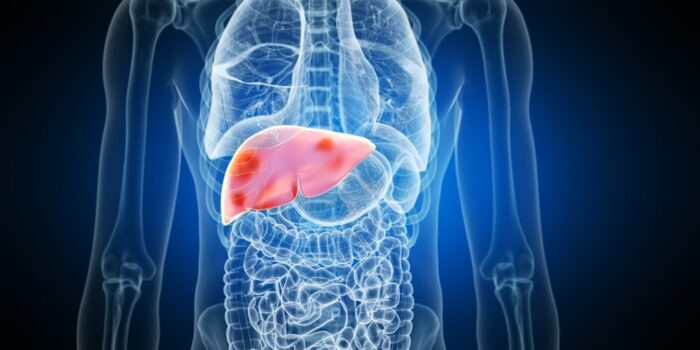
1) Introduction: “Why am I still tired even after sleeping?”
If you wake up feeling heavy and foggy, liver disease could be in the background. Early stages are often silent, which is why routine checkups frequently catch elevated liver enzymes (AST/ALT) first.
What we used to call “fatty liver” is now widely referred to as MASLD (metabolic dysfunction-associated steatotic liver disease). The more metabolic risk factors you carry—abdominal obesity, high blood pressure, high blood sugar, high triglycerides—the higher your liver disease risk.
This guide brings together the causes, symptoms, and treatment so you know exactly what to do next.
2) What your liver does—and early warning signs
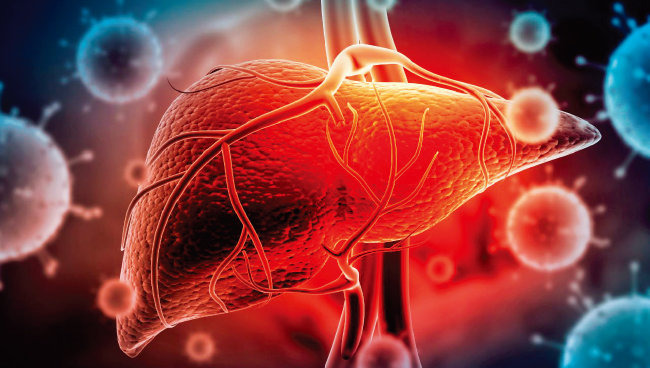
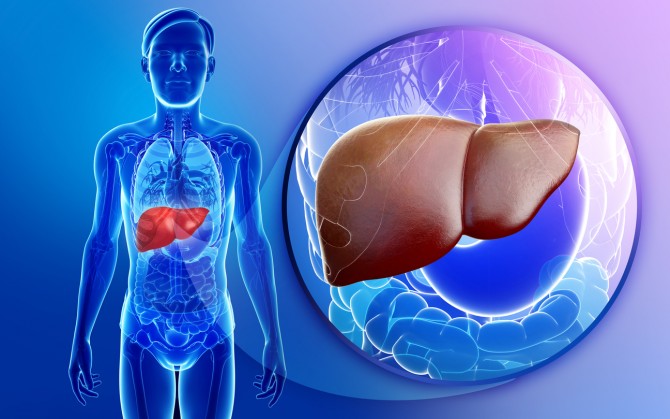
Your liver handles detoxification, nutrient metabolism, bile production, and immune support—hundreds of tasks every day. When liver cells are injured, liver enzymes rise. As damage progresses, you may notice jaundice (yellow skin/eyes), itching, abdominal fluid, and profound fatigue.
Early warning checklist
- Unexplained fatigue and poor concentration
- A heavy or bloated feeling in the right upper abdomen
- Yellowish skin/eyes or dark urine
- Rapid increases in waist size or weight (new belt notch)
3) A quick tour of major liver diseases
① MASLD (Fatty Liver)
Fat accumulates in the liver and often travels with metabolic risks. Some cases progress to inflammation and scarring (fibrosis), known as MASH (formerly NASH).
② Alcohol-related liver disease
Both the amount and binge pattern matter. Cutting back or quitting is the backbone of care.
③ Viral hepatitis (B & C)
Still common worldwide. Screening and timely treatment dramatically reduce the risk of cirrhosis and liver cancer.
④ Drug-induced liver injury (DILI)
Pain relievers, herbal medicines, and supplements can all play a role. Always share your full medication/supplement list with your clinician.
4) Finding the cause: what strains your liver?
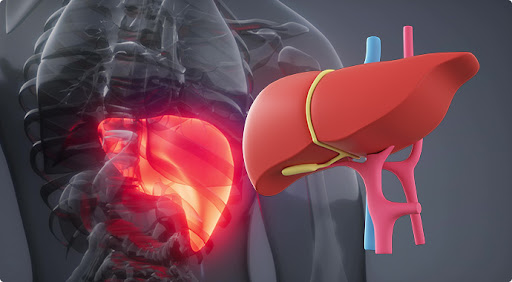
Think of liver disease causes in four buckets:
- Metabolic factors: excess weight/waistline, high sugar or lipids, high blood pressure
- Alcohol: total intake matters, but binge drinking is especially harmful
- Viruses: hepatitis B and C—screening + treatment are key
- Drugs/supplements: diet pills, pain relievers, and herbs can impact the liver
Key point: causes often overlap—for example, weekend binge drinking + central obesity + sugary drinks.

5) Symptom self-check: when to see a doctor
- Repeated elevations in AST/ALT on checkups
- Jaundice, itching, easy bruising, or persistent fatigue
- Diabetes, obesity, or dyslipidemia plus ultrasound-suggested fatty liver
- New nausea/fatigue or enzyme spikes after starting multiple medications
If any apply, book an appointment with internal medicine or a gastroenterologist. Catching liver disease early makes treatment simpler.
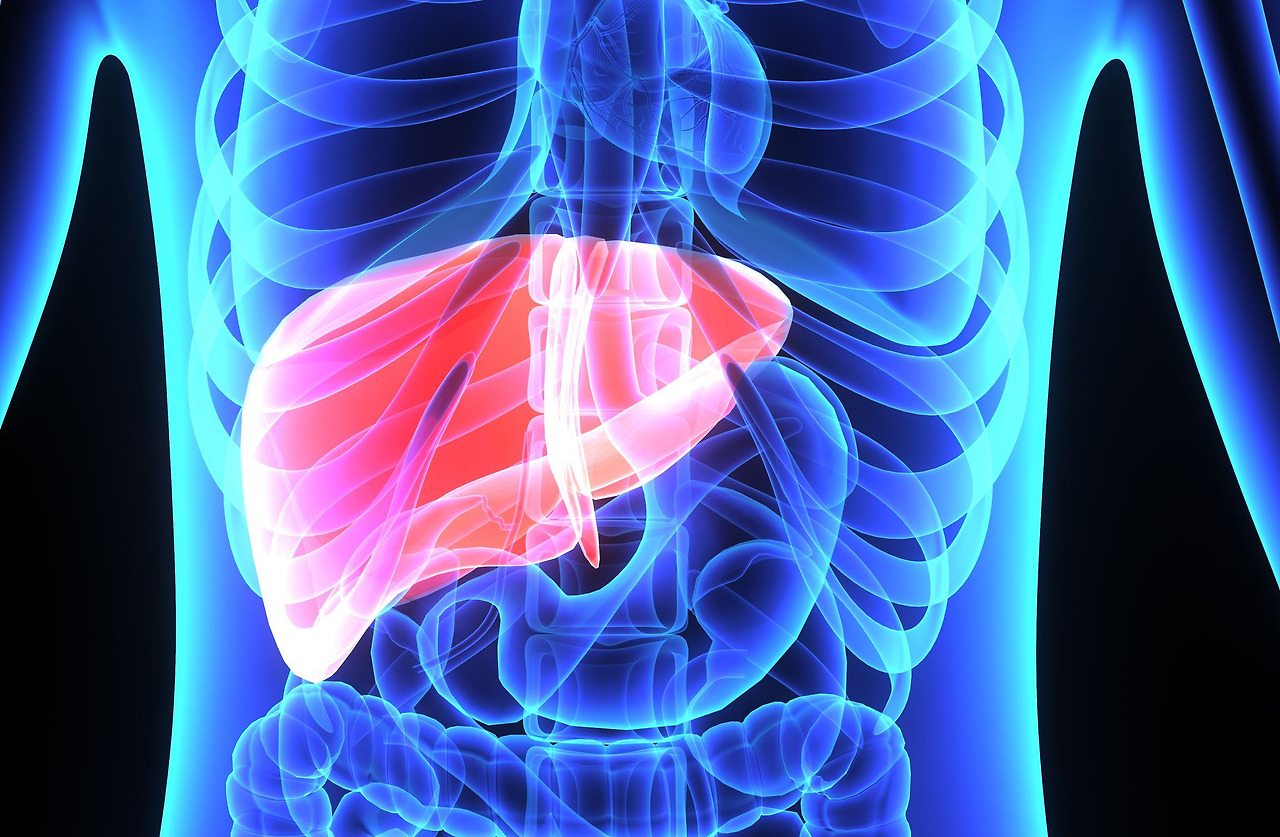
6) Diagnostic pathway: blood tests → FIB-4 → ultrasound/elastography
A stepwise, non-invasive approach keeps things simple:
1) Basic blood work
AST/ALT (liver enzymes), GGT, bilirubin, platelets; fasting glucose, lipid panel, HbA1c; hepatitis B & C markers.
2) FIB-4 score (uses age, AST, ALT, platelets)
Broadly: <1.3 low risk, 1.3–2.67 intermediate, >2.67 high risk.
Intermediate or higher typically moves you to the next step.
3) Imaging/elasticity tests
- Ultrasound: checks for fatty change and structural issues
- Liver fibrosis scan (VCTE/elastography): shows liver stiffness in kPa—higher values suggest more fibrosis progression.
Numbers vary by device and context. Discuss results with your clinician for accurate interpretation.
7) Treatment & recovery: lifestyle first, add medications when needed
The heart of liver disease treatment is lifestyle change, with medications added when appropriate.
7-1. Lifestyle (foundation for every stage)
- Weight loss target: 7–10%
Even ~5% helps. Aim for 0.5–1.0 kg (1–2 lb) per week—steady and sustainable. - Exercise routine
150–300 minutes/week of walking, cycling, or swimming plus 2–3 days/week of strength training (legs, back, chest). Benefits appear even if the scale barely moves. - Eating pattern
A Mediterranean-style approach—vegetables, legumes, whole grains, fish, and olive oil—while cutting sugary drinks and refined carbs. Protein at 1.0–1.2 g/kg body weight, tailored to you. - Alcohol
Prefer abstinence; at minimum, cut back. Binge drinking accelerates fibrosis. - Coffee
If you tolerate it, 1–2 cups before early afternoon may support liver health.
7-2. Medications (case-by-case)
- MASH with significant fibrosis
Lifestyle comes first; your specialist may add medication based on indications, dosing, and interactions specific to you. - MASLD with diabetes
Metabolic drugs that help with glucose, weight, and cardiovascular risk can also improve liver markers—your clinician will individualize therapy. - Hepatitis B or C
Antiviral therapy follows established criteria. The screen-treat-follow chain is crucial for long-term outcomes.
8) Five action steps you can start today
- Log morning weight and waist—track weekly averages to reach that 7–10% weight-loss milestone.
- Weekday routine: 30 minutes walking + 20 minutes strength (squats, push-ups, plank).
- Grocery list flip: leafy greens, tomatoes, beans, tofu, nuts, oily fish, olive oil; zero sugary drinks.
- Coffee 1–2 cups before lunch—skip if you have reflux or sleep issues.
- Calculate your FIB-4—if you’re 40+ or have diabetes/central obesity, check yearly; intermediate/high risk → book elastography.
9) FAQs
Q1. My liver enzymes are “a little high.” Should I worry?
Ranges differ by lab. Repeated elevations or concurrent changes in GGT/bilirubin deserve evaluation—especially if you have symptoms or multiple metabolic risks.
Q2. Can fatty liver improve without medication?
Yes. 7–10% weight loss markedly raises the odds of histologic improvement. Easiest starters: cut sugary drinks, no late-night snacks, walk 5 days/week.
Q3. Who is a candidate for new MASH therapies?
Generally non-cirrhotic adults with MASH and significant fibrosis considered with diet and exercise. Your specialist will tailor the plan and monitor side effects.
Q4. How often should I be checked?
If you have obesity, diabetes, or dyslipidemia—or recurrent enzyme elevations—aim for annual FIB-4, with elastography as indicated.
Q5. Do supplements help?
Results vary widely. Don’t rely on supplements to treat liver disease. Focus first on diet, exercise, and alcohol control, and discuss any product with your clinician.
10) Key takeaways & closing
- Liver disease often hides in the silent phase—routine liver enzyme checks matter.
- Fatty liver is now MASLD and tracks closely with metabolic health.
- A simple pathway—FIB-4 → elastography—keeps workups efficient.
- The core of treatment: 7–10% weight loss + cardio & strength + Mediterranean-style eating + alcohol reduction.
- Add medications when indicated and keep up with follow-up testing.
Start small today: log weight/waist, walk 30 minutes, ditch sugary drinks. Give it four weeks—you may see a real shift in liver enzymes and daily energy.
Medical disclaimer:
This content is for educational purposes and does not replace personalized medical advice. Please consult your physician for diagnosis and treatment decisions.






최근댓글