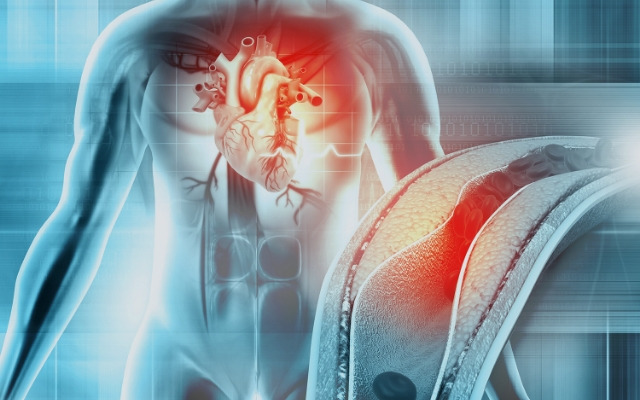
Introduction | “Do your calves tighten when you walk, and do you get short of breath easily?”
If these signals keep showing up, it’s time to consider atherosclerosis (also called atherosclerotic cardiovascular disease). Atherosclerosis underlies heart attacks, strokes, and peripheral artery disease—the most common vascular problems we see. In 2022, about 19.8 million people worldwide died from cardiovascular disease, and 85% of those deaths were due to heart attack and stroke. Prevention and early action make all the difference.

1) What Is Atherosclerosis and Why Does It Happen? — Key Causes & Risk Factors
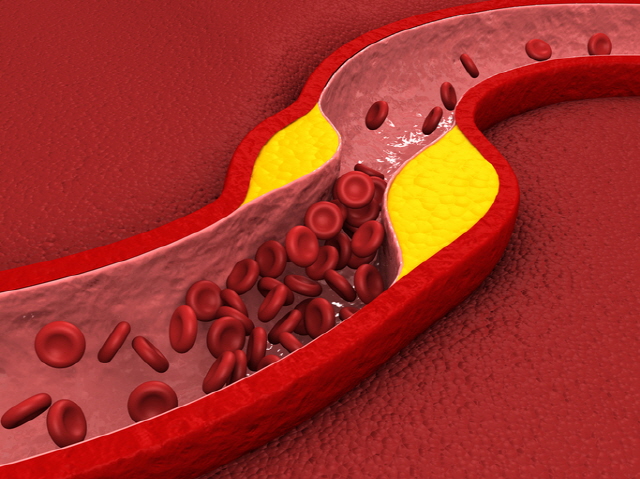
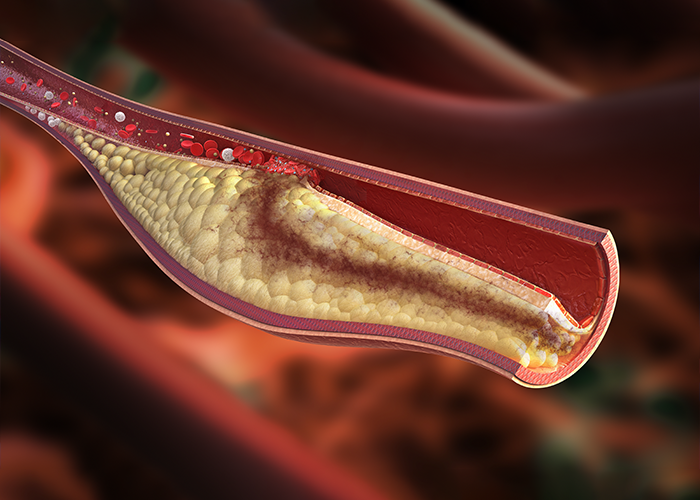
Atherosclerosis occurs when cholesterol builds up inside artery walls, forming plaques that narrow the vessel and reduce blood flow. Over time this can lead to chest pain, brain blood-flow problems, and lower-limb pain—classic atherosclerosis symptoms.
Major causes and risk factors
- High LDL cholesterol (“bad” cholesterol)
- High blood pressure, diabetes, smoking, and obesity/physical inactivity
- Family history, older age, chronic kidney disease, elevated Lp(a), and other “risk enhancers”
In one line: Lower LDL (with diet and medication), control blood pressure and blood sugar, and commit to smoking cessation and regular exercise—these steps markedly slow the progression of atherosclerosis. Large analyses show that for every 1 mmol/L (~38.7 mg/dL) reduction in LDL-C, major cardiovascular events fall meaningfully.
2) When to Suspect It — A Body-Region Symptom Checklist
Symptoms vary by where an artery is narrowed. If the items below keep popping up, consider atherosclerosis testing.
- Coronary arteries (heart): Tight, squeezing chest pressure that worsens with exertion, shortness of breath, easy fatigue
- Carotid/cerebral arteries (brain): Brief episodes of slurred speech or confusion, weakness on one side, or a curtain-like loss of vision in one eye (TIA)
- Leg arteries (PAD): Calf pain after walking (intermittent claudication), cold or numb feet, foot wounds that heal poorly
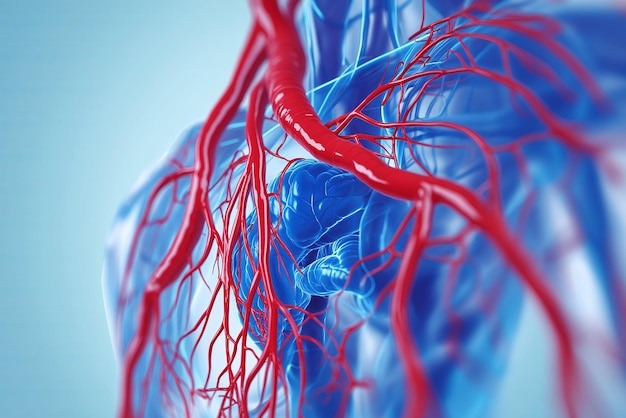
3) Accurate, Not Excessive — Essential Test Guide
- Blood tests: Total cholesterol, LDL-C, HDL, triglycerides, fasting glucose/HbA1c. If needed, add hs-CRP and Lp(a) to refine risk.
- ABI (Ankle–Brachial Index): ≤0.90 abnormal, 0.91–0.99 borderline, 1.00–1.40 normal, >1.40 non-compressible (needs further evaluation). It’s a simple, first-line screening for people with exertional leg pain.
- Carotid ultrasound: Helpful for symptoms or high-risk patients. However, routine screening of asymptomatic adults is not recommended.
- Coronary Artery Calcium (CAC) score: Useful when risk is borderline or intermediate. CAC=0 often suggests low near-term risk; CAC ≥100 usually tips the balance toward starting or intensifying statin therapy.
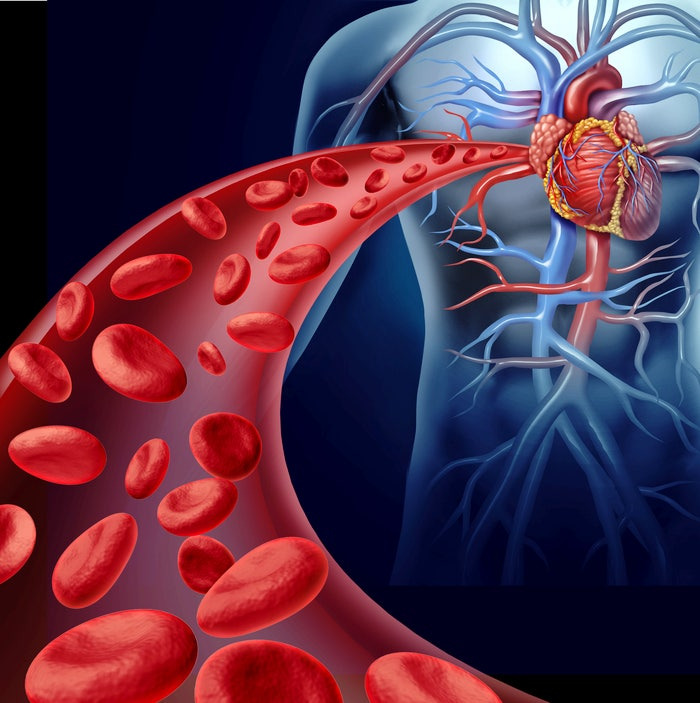
4) Stepwise Treatment for Atherosclerosis: Lifestyle → Medication → Procedures
4-1. Lifestyle (the foundation at every stage)
- Exercise: Aim for 150–300 minutes/week of moderate aerobic activity (or 75–150 minutes vigorous), plus 2 days/week of strength training. Sit less.
- Diet: A Mediterranean-style diet—more whole grains, vegetables, fruits, legumes, nuts, and olive oil; less processed meat, sugar, and trans fat—has strong evidence for reducing cardiovascular events.
- Sodium: Keep to ≤2,000 mg/day (about 5 g of salt). Leave restaurant soups unfinished and check sodium (mg) on labels.
- Quit smoking: Risk starts to drop soon after cessation. Combining counseling with nicotine replacement or medications (varenicline/bupropion) boosts success rates.
4-2. Medications (“The lower the LDL, the better”)
- Statins are first-line and are dosed to your risk level. Greater LDL-C reduction = greater event reduction.
- If goals aren’t met, consider ezetimibe, PCSK9 inhibitors, or bempedoic acid (shown to reduce events in statin-intolerant patients).
- LDL targets (example from European guidance): Very high risk <55 mg/dL, high risk <70 mg/dL. Final targets are individualized to risk, tolerability, and cost.
4-3. Antiplatelet and Anti-inflammatory therapy
- Antiplatelets (e.g., aspirin, clopidogrel) are standard for secondary prevention after a diagnosis or procedure. For primary prevention, use selectively with bleeding risk in mind.
- Low-dose colchicine (0.5 mg/day) has evidence for reducing events in chronic coronary disease (secondary prevention). Discuss benefits and GI side effects with your clinician.
4-4. Procedures/Surgery
If optimal lifestyle and medication still leave you with significant ischemia or persistent symptoms, your team may discuss stent placement (PCI) or bypass surgery (CABG). For severe PAD, endovascular revascularization can help. Final choices consider symptoms, anatomy, comorbidities, and patient preference.
5) Five Prevention Habits You Can Start Today
- Know your LDL number: Check LDL-C on your latest labs. If your risk is borderline/intermediate, ask your clinician about CAC or ABI.
- Put workouts on your calendar: Mon/Wed/Fri 40-minute brisk walks; Tue/Sat 20-minute strength; weekend 60-minute cycling. Stand up every 30 minutes.
- Switch to Mediterranean eating: White bread → whole grains, butter → olive oil, snacks → a handful of nuts, and cut back on red/processed meat.
- Three sodium-cut tactics: Drink only half the broth, check sodium (mg) on labels, and flavor at home with herbs/spices. Aim for ≤2,000 mg/day.
- Set a quit date: Combine nicotine patch + gum with counseling. Tell family and friends for accountability.
6) “Go Now” Warning Signs You Shouldn’t Ignore
- Central chest pressure that worsens with exertion or persists at rest
- Sudden slurred speech, one-sided weakness, or a brief vision curtain (possible TIA)
- Calf pain with walking that keeps recurring, or non-healing foot wounds
These are hallmark atherosclerosis symptoms. Seek immediate medical care.
Legal/Clinical Notice
The information above is for educational purposes and does not replace professional medical evaluation. For accurate diagnosis and treatment of your symptoms or condition, consult your physician.
'Health Information' 카테고리의 다른 글
| Seaweed Benefits, Side Effects & How to Eat (Sargassum Guide) (0) | 2025.11.22 |
|---|---|
| Heart Attack Symptoms and Warning Signs: Causes, Tests & Treatment (0) | 2025.11.21 |
| Is Octopus Healthy? Benefits, Risks, Nutrition & How to Cook (0) | 2025.11.20 |
| Winter Psoriasis: Causes, Symptoms & Treatments (0) | 2025.11.19 |
| Hyperpigmentation: Causes, How to Get Rid of It, and Treatment by Type (0) | 2025.11.19 |






최근댓글