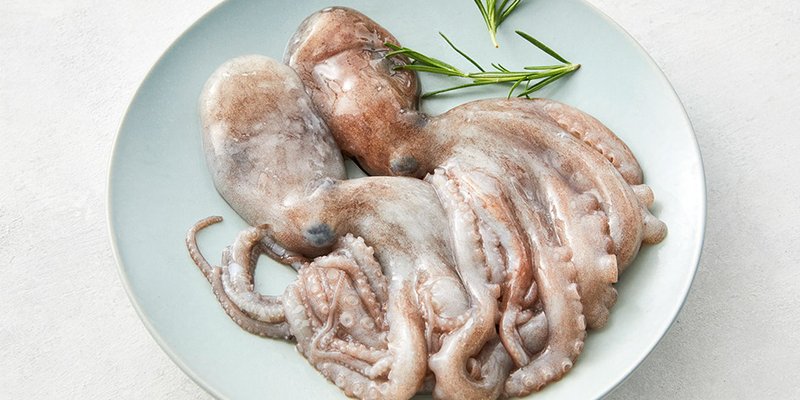
A quick start: “Lately, I’m tired and low on energy…”
After workouts you tire easily, and red meat sometimes feels heavy. In moments like these, octopus is a smart pick: it’s a high-protein, low-fat seafood. Per 100 g, cooked octopus provides about 30 g of protein with roughly 2 g of fat, plus vitamin B12 and selenium. On a raw 100 g basis, it’s around 15 g protein and 1 g fat, which is still quite light.
You’ll also see taurine mentioned a lot with octopus benefits. Supplement studies link taurine with healthy metabolic markers (like blood pressure and triglycerides). Food isn’t the same as a supplement, so think of octopus as one helpful part of a balanced diet rather than a cure-all.
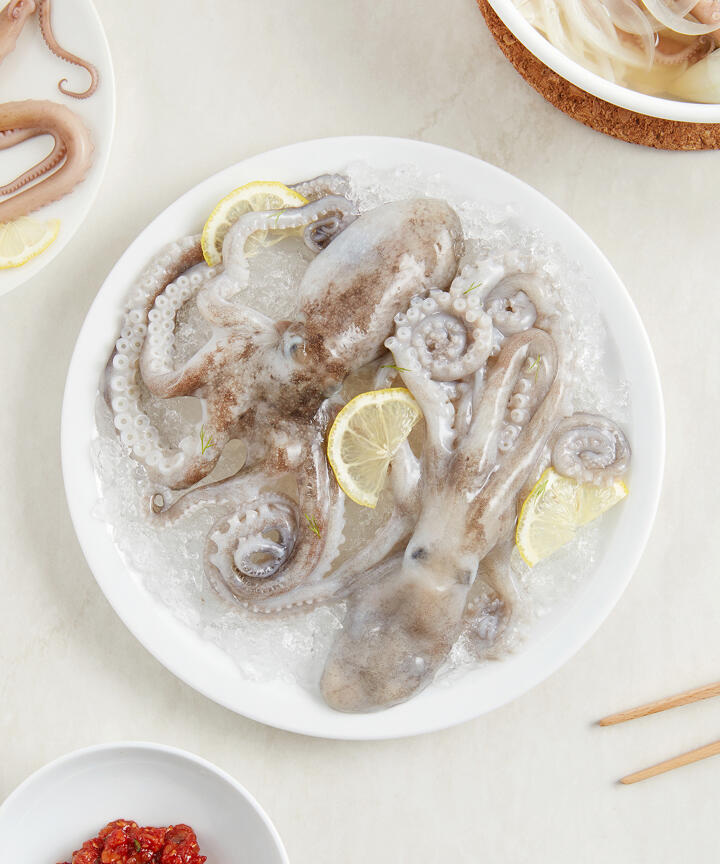
At-a-glance summary
- Octopus benefits: Lean protein + taurine, B12, selenium—great for a light, post-workout protein boost.
- Octopus side effects to check: ① Purines (gout) ② Mollusk allergy (tropomyosin) ③ Vibrio risk if eaten raw. Match your intake to your personal risk.
- How to eat octopus: Rub with salt/starch to clean → briefly blanch then high heat, short time stir-fry, or gentle simmer for tenderness. This balances both texture and food safety.
1) Octopus nutrition & calories: “Light but loaded protein”
- Macros (cooked, 100 g): ~164 kcal, 29.8 g protein, 2.1 g fat, 4.4 g carbs — ideal when you want quality proteinwithout heaviness.
- Micronutrients: Notable vitamin B12, selenium, plus iron and zinc support energy metabolism and antioxidant defenses.
- Raw reference (100 g): ~14.9 g protein, ~1 g fat, ~2.2 g carbs. Cooking reduces water and concentrates nutrients per serving.
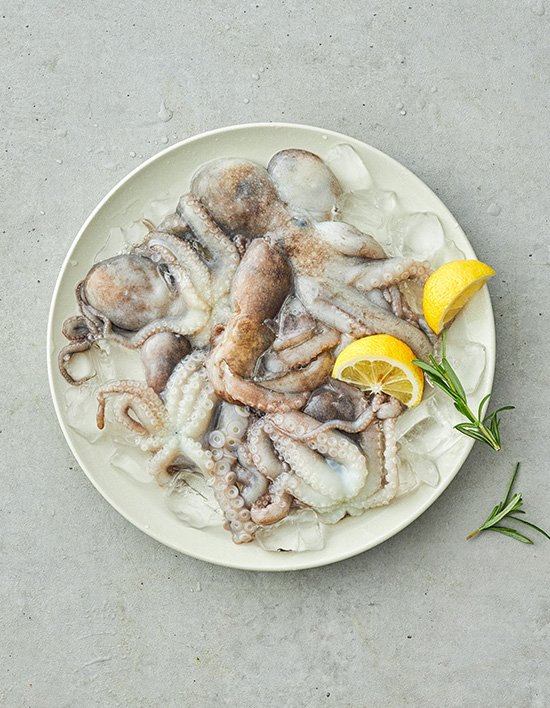
2) Five science-based octopus benefits (in plain English)
1) Metabolic health–friendly
Taurine supplementation shows a modest trend toward improving cardio-metabolic markers (blood pressure, triglycerides). Octopus benefits here are supportive within a balanced diet.
2) Post-exercise recovery helper
Taurine is linked to better recovery and endurance in sports contexts (effects are small-to-moderate and vary by study). Pair that with octopus’s low fat + high protein, and it fits easily into a recovery meal.
3) Energy metabolism & healthy aging signals
A 2023 Science paper in animals and primates reported taurine-related improvements in healthspan markers. Human anti-aging effects aren’t confirmed; enjoy octopus as a nutrient-dense food, not a magic bullet.
4) Practical lean-protein swap
Swapping some red-meat meals for octopus protein cuts saturated fat and raises protein density of your diet.
5) Micronutrient reinforcement
B12, selenium, and iron support energy production, immunity, and antioxidant systems. Rotating different seafoods improves overall nutrient balance.

3) Octopus side effects & who should be careful
1) Gout / high uric acid: purine check
Data place octopus at about 137 mg purines per 100 g (moderate to somewhat high). If you have gout or high uric acid, reduce portion size and frequency.
2) Allergy (mollusks)
Octopus and other mollusks/crustaceans contain tropomyosin, a major allergen with possible cross-reactivity. If you’ve had hives, facial swelling, or breathing issues after shellfish, avoid re-exposure until you’ve spoken with a clinician.
3) Raw consumption (e.g., live “san-nakji”): Vibrio risk
Eating raw or undercooked seafood can increase Vibrio risk, especially in summer. High-risk groups (liver disease, immune compromise, older adults) should avoid raw and stick to thoroughly cooked octopus.
4) A note on Korean data
A domestic risk assessment found low risk for raw small octopus when strict handling and storage are followed. Home kitchens rarely replicate commercial controls, so fully cooking is the safer call.
5) Pregnancy & children
For pregnancy/breastfeeding, U.S. guidance recommends low-mercury seafood 2–3 times per week (8–12 oz total). Vary the species and cook completely.
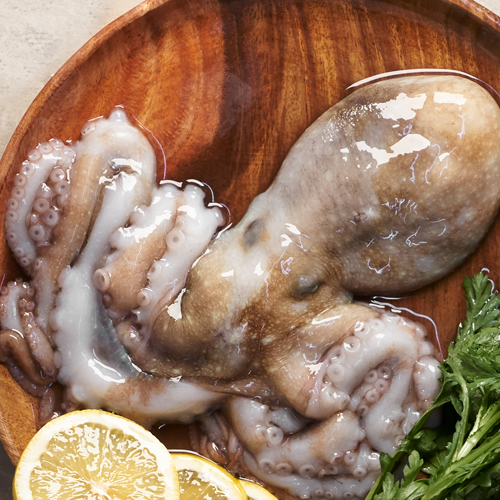
4) How to eat octopus: cleaning, simmering, stir-fry (restaurant quality at home)
A. Cleaning (controls briny smell & texture)
- Rinse under running water → 2) Rub with coarse salt or potato starch to remove slime → 3) Remove beak, eyes, and viscera → 4) Rinse again.
Tip: A single freeze-then-thaw cycle breaks down muscle fibers for a tender bite.
B. Gentle simmer (tender, not mushy)
- Large octopus: Add aromatics (bay leaf, garlic). Keep at a gentle simmer until a fork slides in smoothly.
- Small octopus (nakji): Blanch 30–60 sec, then finish in your dish for a springy texture.
- Cooking science: A soft simmer beats a hard boil to reduce toughness.
C. Stir-fry (to keep it bouncy)
- Blanch → pat dry to control surface moisture
- Quick season (pinch of salt, pepper, a splash of cooking wine)
- High heat, 2–3 minutes with veggies (cabbage, scallions, garlic chives) to balance moisture and crunch
This high-heat, short-time rule minimizes shrinkage and preserves that pleasant chew.
Portion guide (healthy adult)
Aim for 100–150 g (about a palm-sized portion) per meal. If you have gout or high uric acid, scale back portions and frequency (remember: ~137 mg purines per 100 g).
5) Quick Q&A (solving common search intents)
Q1. Dieting but hungry at night—can I eat octopus?
Yes. Octopus calories are modest while protein density is high for fullness. Pair with salad and whole grains to keep sodium in check.
Q2. Is octopus safe during pregnancy?
Yes—when fully cooked. Choose low-mercury seafood and rotate species 2–3 times a week as recommended.
Q3. I have gout. How much can I eat?
Octopus contains moderate purines (~137 mg/100 g). Adjust portion size and frequency to your personal plan, and avoid it during a flare.
Q4. What about live/raw octopus (“san-nakji”)?
Even with good handling, raw seafood carries Vibrio risk. For home cooks and high-risk groups, fully cooked is the safer route.
Q5. I’m worried about allergies.
Tropomyosin is a common allergen in mollusks/crustaceans. If you notice hives, lip swelling, or breathing symptoms after eating octopus, stop and seek medical advice.

6) Five actionable tips you can use today
- Freeze, then thaw before cooking for a naturally tender texture.
- Salt/starch scrub to remove slime and off-odors; it also helps sauces cling better.
- Blanch, then high-heat stir-fry for 2–3 min to keep it bouncy.
- Add vegetables & whole grains to dilute sodium while boosting fullness.
- Cook, cool, and portion (100–150 g) into freezer bags — 2 days in the fridge, 3–4 weeks in the freezer.
One-line wrap-up
Octopus benefits give you a lean-protein, nutrient-dense option, while octopus side effects mainly involve purines, allergies, and raw-seafood risk—all manageable with smart choices. If you remember “clean → quick blanch → high heat, short time,” you’ll nail texture, safety, and flavor in one go.
Legal note
This article is for general health information. If you have symptoms or a medical condition, seek a personalized evaluation and treatment plan from your clinician.






최근댓글