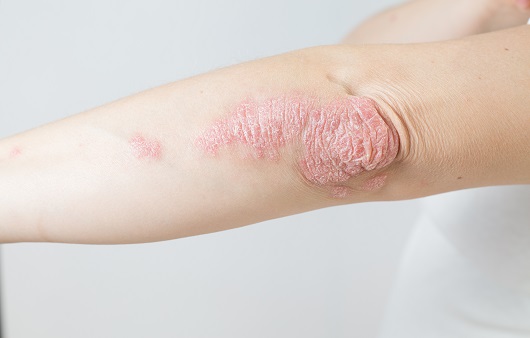
1) Psoriasis at a Glance
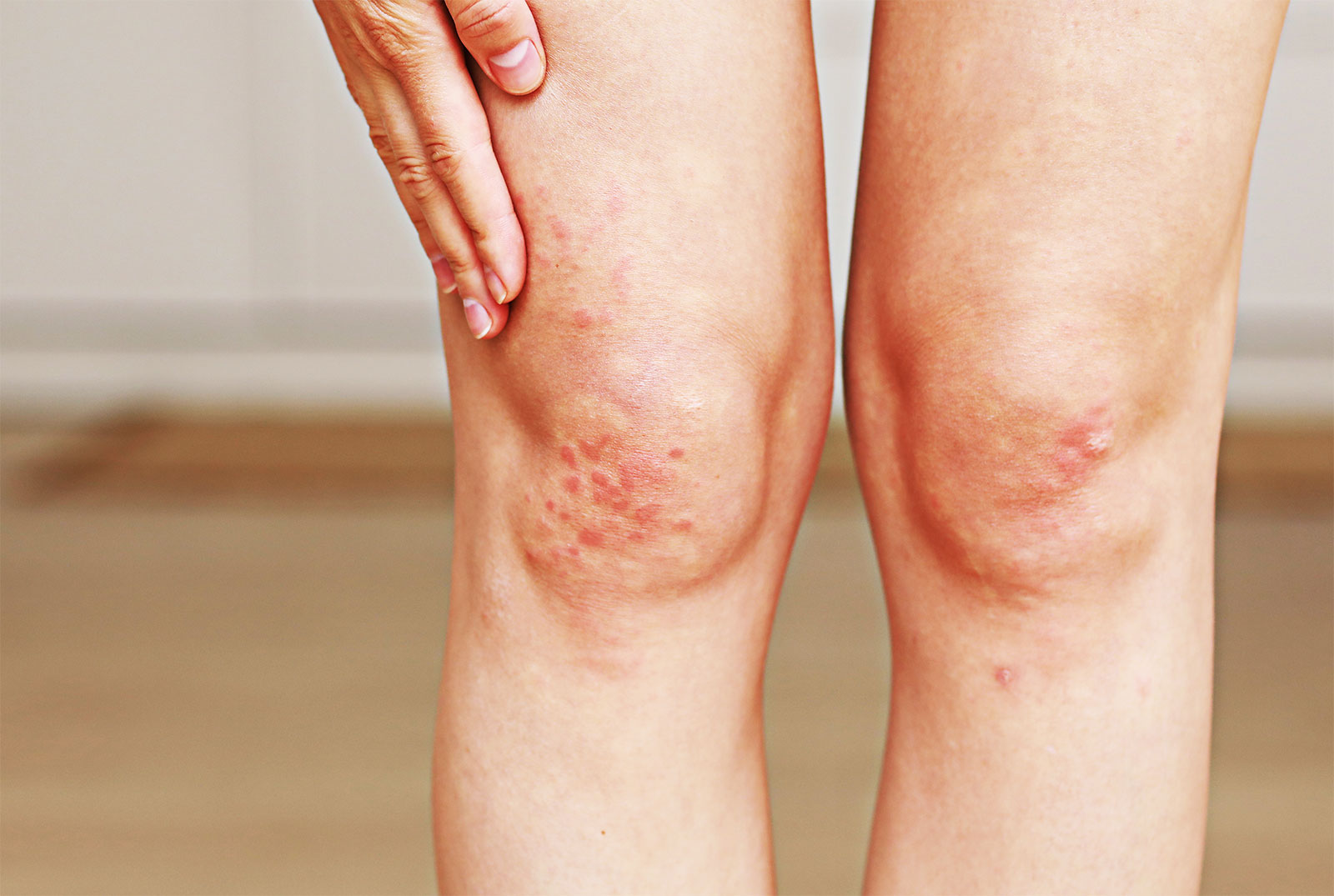
Psoriasis is a chronic inflammatory skin condition where the immune response speeds up skin-cell turnover, causing red plaques with silvery scales. It’s not contagious. Common sites include the elbows, knees, scalp, and lower back.
The most common type is plaque psoriasis. Other forms include guttate (drop-like) psoriasis, inverse (intertriginous) psoriasis, pustular psoriasis, and erythrodermic psoriasis. Nail changes and psoriatic arthritis can accompany skin symptoms.
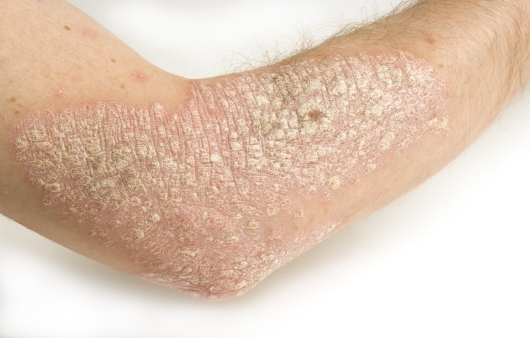
2) Symptoms & Types (No Photo Needed to Spot the Basics)
- Plaque psoriasis: Well-defined red plaques with silvery scales; scratching can thicken lesions.
- Guttate psoriasis: Multiple tiny, drop-like spots after strep throat or a cold; often on the trunk and limbs.
- Inverse psoriasis: Smooth, shiny redness in skin folds (armpits, groin); usually fewer visible scales.
- Pustular / Erythrodermic: Can include heat, pain, and systemic symptoms—treated as severe forms.
- Scalp/nail/joint involvement: Scalp psoriasis can mimic dandruff but has sharper borders. Nail pitting, discoloration, onycholysis, or morning joint stiffness warrants specialist evaluation
3) Why It Flares—Causes & Triggers
Psoriasis arises from genetic susceptibility plus over-activation of the IL-23/Th17 immune pathway. Common triggersthat spark or worsen flares:
- Skin injury/irritation: Scratching, tattoos, severe sunburn—new lesions can appear at trauma sites (Koebner phenomenon).
- Infections: Especially streptococcal pharyngitis, which often precedes guttate psoriasis.
- Medications: Examples include lithium and some beta-blockers (always confirm with your clinician).
- Lifestyle & weather: Stress, smoking, heavy alcohol use, and cold, dry air. Recent studies continue to link smoking and high-risk drinking to higher psoriasis risk and severity.
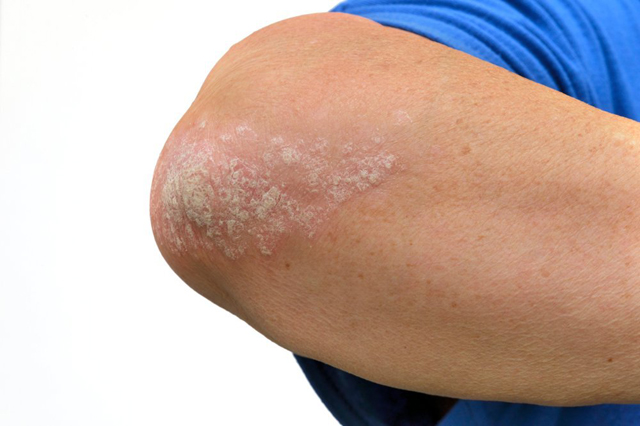
4) Treatment Basics—A Stepwise Approach
Most trusted clinical guides follow a definition → symptoms/types → stepwise treatment → lifestyle care structure. Treatments generally progress from topicals to phototherapy to systemic therapy based on severity and impact on life quality.
4-1. Mild Disease: Topical Therapy (creams/ointments)
- Topical corticosteroids + vitamin D analogs (e.g., calcipotriene): First-line for many plaques. For sensitive areas (face, folds), calcineurin inhibitors (tacrolimus/pimecrolimus, off-label) help minimize steroid side effects.
- New non-steroidal options:
- Tapinarof 1% cream (VTAMA): FDA-approved in 2022 for adult plaque psoriasis.
- Roflumilast 0.3% cream (ZORYVE): FDA-approved in 2022, including use on intertriginous areas.
4-2. Phototherapy
NB-UVB (narrowband UVB), excimer laser/lamp, or PUVA are effective when plaques are widespread or topicals fall short. Phototherapy is repeatedly cited as an effective, low-risk option when properly supervised.
4-3. Systemic Therapy (Moderate to Severe)
- Conventional oral agents: Methotrexate, cyclosporine, acitretin.
- New oral agent: Deucravacitinib (a TYK2 inhibitor)—FDA-approved in 2022 for adults with moderate-to-severe plaque psoriasis.
- Biologics:
- TNF-α inhibitors: e.g., adalimumab
- IL-17 inhibitors: secukinumab, ixekizumab, bimekizumab (targets IL-17A/F)
- IL-23 inhibitors: guselkumab, risankizumab, tildrakizumab
Large head-to-head trials show high PASI 90 skin-clearance rates with IL-17/IL-23 biologics; bimekizumaboutperformed secukinumab at weeks 16 and 48 in key outcomes.
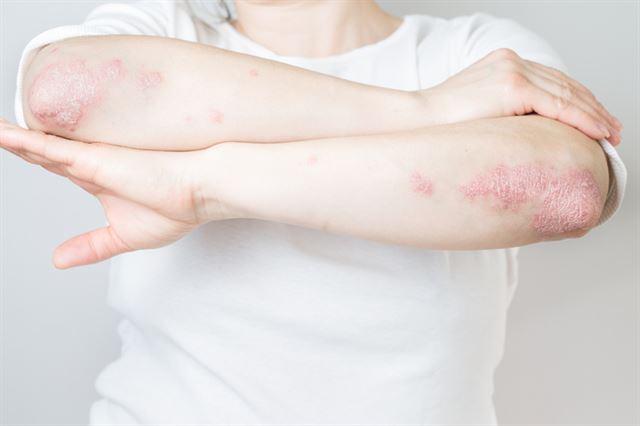
5) Daily Care: Five Habits That Lock In Results
Half of psoriasis control is daily routine. Start these today:
- Short showers + immediate moisturization
Use lukewarm water; apply a generous emollient while skin is still slightly damp. For thick scales, consider evening use of salicylic acid or urea products as directed. - Weight management
Trials and meta-analyses show weight-loss interventions can improve PASI scores and quality of life. - Quit smoking & cut back on alcohol
Smoking and heavy drinking correlate with increased psoriasis risk/severity and may blunt psoriasis treatmentresponse. - Manage stress & sleep
Stress is a major trigger. Aim for a steady sleep schedule, light aerobic exercise, and mindfulness to reduce flare frequency. - Minimize skin trauma
Skip harsh scrubs, delay tattoos, avoid shaving injuries, and prevent sunburns to reduce Koebner-related new lesions.
6) When to See a Doctor (Red Flags)
- Widespread plaques or involvement of the face, genitals, palms/soles, or nails
- Morning joint stiffness or swollen, sausage-like fingers/toes (psoriatic arthritis)
- Fever, chills, or near-total body redness (erythroderma) or high fever with pustules (generalized pustular) → urgent evaluation
- Up to 30% of people with psoriasis may develop psoriatic arthritis—regular screening matters.
7) Summary & a 3-Minute Action Plan
Key takeaways
- Psoriasis is not contagious. Winter flares are common due to cold, dry air, stress, and behavioral triggers.
- Start with topicals, step up to NB-UVB phototherapy, then systemic therapy/biologics if needed. Recent additions—tapinarof, roflumilast, deucravacitinib—expand options, while IL-17/IL-23 biologics achieve high PASI 90 rates.
- Daily care (moisturize, weight control, smoke/alcohol moderation, sleep/stress, injury avoidance) helps sustain psoriasis treatment results.
3-minute checklist
- Lock in a post-shower moisturizer routine.
- Schedule three light cardio sessions this week (≈20 minutes each).
- If you smoke, install a quit-smoking app; limit alcohol to 1–2 drinks, ≤2 days/week.
- Reduce friction with scarves/long sleeves; skip harsh scrubs.
- For scalp psoriasis, use a gentle shampoo and a small amount of scalp emollient as needed.
Disclaimer
This article is for educational purposes and is not a substitute for professional medical advice, diagnosis, or treatment. Always consult your clinician for personalized care.






최근댓글