
0) Introduction — “Why does it keep getting darker?”
If the brown or gray-brown patches in the mirror seem to deepen week by week, you’re not imagining it. Hyperpigmentation appears when excess melanin is produced (triggered by UV light, visible light, hormones, or inflammation) or when pigment remains in the skin. It commonly shows up as melasma and post-inflammatory hyperpigmentation (PIH).
Recent reviews describe melasma not as a simple surface stain but as a chronic, recurrent condition with multiple factors—basement-membrane change, dermal melanophages, increased vascularity, and photoaging. That’s why the most reliable approach is a combined plan: daily lifestyle habits + targeted topicals + in-clinic procedures when needed.
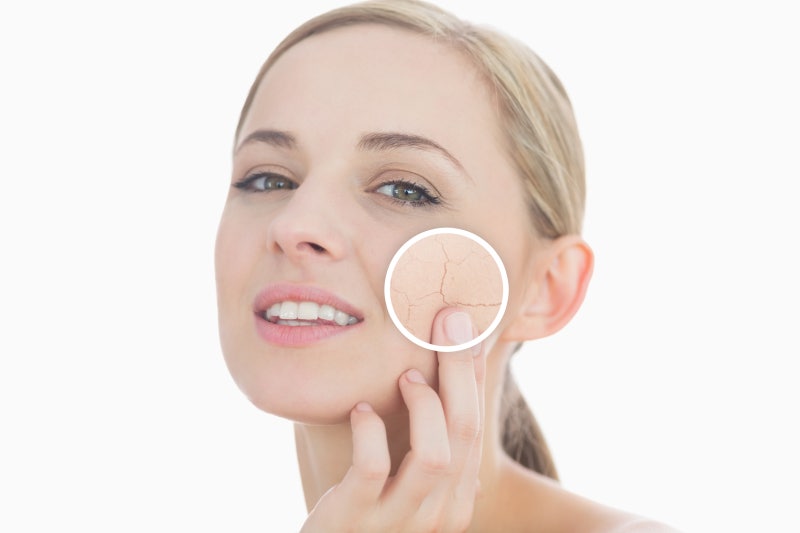
1) Core causes — it’s not just UV
- Light exposure: It isn’t only UV. Visible light (VL) can also intensify pigment. Tinted sunscreens containing iron oxides offer better VL protection, so daily use helps—even if you spend hours at a computer.
- Hormones & genetics: Pregnancy, oral contraceptives, and family history can heighten melanocyte responsiveness, making melasma more likely.
- Inflammation: After acne, contact dermatitis, or friction, PIH can remain. It usually fades on its own, but it can take months to years, so calming inflammation early is crucial.
2) Quick type guide — melasma vs. PIH
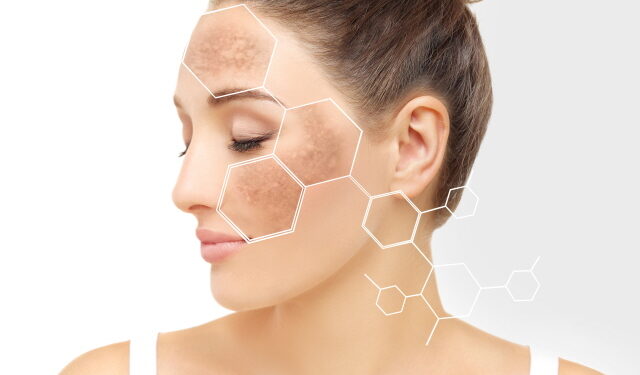
- Melasma: Symmetric brown patches on the cheeks, forehead, or central face. It may involve vascular and dermal changes and tends to recur. Plan for the long game: habits + ingredients + procedures.
- PIH: Marks left after acne, eczema, or procedures. It can fade naturally, but it often needs months to over a year, and deep pigment may take years.
3) At-home routine you can start today (Morning–Night flow)
Morning
- Tinted sunscreen (SPF 50+ recommended): Apply 15 minutes before going out; use a two-to-three-fingeramount and reapply every 2–3 hours. Prioritize iron-oxide formulas for visible-light protection.
- Antioxidant serum (e.g., vitamin C): Choose a gentle, stable formula to support tone evenness.
Night
- Retinoids (retinal or tretinoin): Promote turnover and more even tone. Start every other night at a low strength, then slowly increase. If you feel irritation, buffer with moisturizer and reduce frequency.
- Brightening partners: Niacinamide, azelaic acid, kojic acid, and arbutin can complement or substitute hydroquinone (HQ)—often better tolerated for sensitive skin.
- Hands-off rule: Don’t pick or rub. Over-exfoliation and aggressive cleansing can worsen PIH.

4) Proven ingredients & medications at a glance
- Hydroquinone (HQ): The long-standing standard with strong evidence. To minimize risks (irritation, exogenous ochronosis), use short courses (e.g., 8–12 weeks), then switch to a maintenance routine. Combination formulas often work best.
- Tranexamic acid (TXA): Evidence supports oral, topical, and mesotherapy approaches. Choose the route, concentration, and duration based on your health profile and tolerance; some studies show excellent responses with topical or intradermal use.
- Retinoids: Pair well with HQ or azelaic acid to help even tone. Follow a low-and-slow build-up.
- Alternatives/adjuncts: Azelaic acid, kojic acid, arbutin, niacinamide, vitamin C—they inhibit melanin pathways and offer antioxidant support, making them good options for sensitive skin.

5) In-clinic treatment roadmap — what fits and when?
- Low-fluence Q-switched 1,064-nm Nd:YAG (“laser toning”): Systematic reviews (2009–2022 literature) generally support efficacy and safety, but results vary across studies. Rare side effects like mottled hypopigmentation can occur, so a skilled, low-fluence, short-pulse protocol matters. Outcomes are often better when combined with other treatments.
- Pico, fractional devices, and chemical peels: Tailor combinations to skin type and pigment depth to reduce recurrence and side effects. Whatever you choose, anchor results with daily habits + topical maintenance to control relapses
6) Five actionable tips
- Make tinted sunscreen a habit: Use it year-round, indoors too, and reapply every 2–3 hours. Iron oxides help defend against visible light, not just UV.
- Track progress every 8–12 weeks: Take photos (same lighting/angles) to see if your routine is working; adjust ingredients and frequency accordingly.
- Reduce irritation: Avoid harsh scrubs, over-exfoliation, and rubbing. Ongoing inflammation feeds PIH.
- Fewer, smarter actives: Don’t layer a dozen brighteners at once. Start with a lean, proven set (antioxidant + retinoid or a sensitive-skin alternative), give it time, then tweak.
- Treat the source: If acne or eczema flares keep returning, PIH will keep returning too. Control the underlying inflammation first.

7) FAQ
Q1. Can dark spots fade in just a month?
A. It depends. Shallow pigment may lighten within 6–12 months, while deep pigment can take years. Consistent light protection and a gentle routine make the biggest difference.
Q2. Do I have to use hydroquinone?
A. Not necessarily, though evidence for HQ is strong. Use short, low-strength courses. If you’re sensitive, combine or rotate with azelaic acid, kojic acid, niacinamide, or TXA.
Q3. Is oral TXA better than topical?
A. Both oral and topical (and even intradermal) TXA have demonstrated benefits. Choose based on side-effect profile, medical history, and preference, then reassess after a set period.
8) Key takeaways
- The main hyperpigmentation causes are light (including visible light), hormones, and inflammation.
- The starting line for how to get rid of hyperpigmentation is tinted sunscreen + irritation control + a small, consistent set of actives.
- Effective hyperpigmentation treatment uses 8–12-week checkpoints and personalized combinations(topicals/TXA/procedures) to cut relapse risk.
- Measure results with photos and plan for realistic timelines: 6–12 months for shallow pigment; years for deeper cases.
Legal notice
This article is for educational purposes. For an accurate assessment and personalized care, consult a qualified healthcare professional.






최근댓글