
1) How to Suspect It|Early Rheumatoid Arthritis Symptoms Checklist
Do your fingers feel stiff in the morning, and are your small joints swollen, hot, and achy? If both are true, rheumatoid arthritis (RA) should be on your radar.
- Morning stiffness ≥30 minutes: It takes a while to “unlock” your hands.
- Symmetric small-joint pain/swelling: Especially the fingers (MCP/PIP) and wrists.
- Warmth, fatigue, low-grade fever: Signs of systemic inflammation.
- Foot/knee pain: Stairs are often harder.
- Lasting ≥6 weeks: Time to see a specialist.
Key points
- Rheumatoid arthritis rewards early detection—catching it early is half the battle.
- If RA symptoms appear, keep a one-line daily log: morning-stiffness minutes, painful joints, swelling. That record speeds up accurate care.
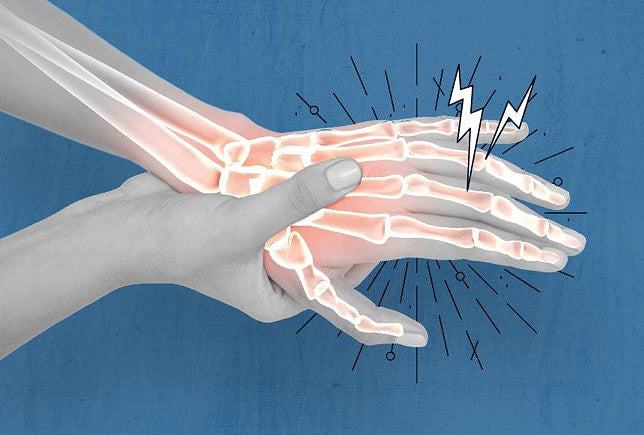
2) Why It Happens|Rheumatoid Arthritis Causes and Triggers at a Glance
Rheumatoid arthritis is a autoimmune disease: in people with genetic susceptibility, environmental factors nudge the immune system to mistakenly attack the synovium (joint lining). Think multiple small factors, not one single cause.
- Genetics: Certain HLA types raise risk.
- Smoking: One of the most proven risk and flare factors—treat smoking cessation as part of therapy.
- Obesity, overwork, sleep debt: Amplify inflammation and pain sensitivity.
- Oral/airway environment: Periodontal disease and recurrent infections can play a role.
- Hormonal factors & sex: More common in women; life-stage shifts can influence activity.
Habits to avoid
Smoking/secondhand smoke, frequent late-night eating and heavy drinking, high-sugar and ultra-processed foods, and chronic sleep deprivation.
ㅁㅁㅁㅁㅁㅁㅁㅁㅁㅁㅁㅁㅁㅁ
3) How It’s Diagnosed|Tests, Imaging, and Follow-Up
Diagnosis blends symptoms + blood tests + imaging + duration. The framework is simple once you see the pieces.
Blood tests
- Anti-CCP and RF (rheumatoid factor): Help with diagnosis and prognosis.
- ESR & CRP: Track inflammatory activity and treatment response.
Imaging
- Musculoskeletal ultrasound: Detects active synovitis via synovial thickening and power-Doppler blood flow—very sensitive in early RA.
- X-ray / MRI: Complements ultrasound to assess damage and inflammation.
Course tracking
- Note when symptoms began and watch the 4–12-week trend.
- The first 3–6 months are the golden window to slow joint damage.
Common clinic questions
- “My labs are normal but I still hurt.” → Clinical pattern and ultrasound can outweigh a single normal lab. Repeated assessments reveal the trend.
- “Do I really need ultrasound?” → It picks up early inflammation and helps evaluate treatment response.

4) Treatment Roadmap|Succeed with T2T (Treat-to-Target) RA Treatment
The goal is remission or low disease activity. The engine is 90-day reviews and fast adjustments when you’re not at target.
- First-line: MTX-based csDMARDs
Start methotrexate (alone or in combos). Periodic labs watch for GI upset or liver changes. - If response is inadequate
- bDMARDs: TNF inhibitors, IL-6 receptor blockers, T-cell co-stimulation modulators, etc.
- tsDMARDs: JAK inhibitors, as indicated.
- Glucocorticoids
Short and low when used—then taper. - Safety management
Choose drugs by personal risk profile (infection, cardiovascular, liver, hematologic). JAK inhibitors require special caution in higher-risk groups (e.g., smokers, older adults, CVD history).
At-home T2T habits
- Keep a symptom log: morning-stiffness minutes, tender/swollen joint count, fatigue score—1–2 lines per day.
- Every 3 months, check progress versus goal; if off-target, be open to adjusting strategy.
- Throughout this section you saw repeated phrases—rheumatoid arthritis, RA symptoms, RA treatment—intentionally placed to help search engines understand the topic while keeping the reading flow natural.

5) Lifestyle & “Good Foods”|Let Diet and Movement Support Your Meds
Medicines tamp down the spark; daily habits lower the fuel. Here’s the practical, use-today version.
5-1. The anti-inflammatory baseline: Mediterranean diet
- Center your plate on vegetables, fruit, whole grains, legumes, nuts, fish, and olive oil.
- Cut back on red/processed meats and sugary, ultra-processed foods.
- One-plate template: 2 veggies + protein (salmon/tofu/beans) + whole grain + 1 tbsp olive oil.
- Why it helps: often improves inflammatory markers and cardiometabolic risk in RA.
5-2. Omega-3 (EPA/DHA)
- Eat fatty fish (salmon, mackerel) 2–3×/week.
- If using supplements, many start at 1–2 g/day and gauge response.
- Studies suggest fewer tender joints and reduced NSAID needs in some people.
5-3. Vitamin D
- Deficiency is common—test first, then personalize dosing.
- Some benefit signals exist, but responses vary; discuss higher doses with your clinician.
5-4. What to avoid
- Smoking/secondhand smoke, heavy drinking, frequent fried/processed meats and sugary drinks.
- Overwork, poor sleep, and unmanaged stress can worsen RA symptoms.
5-5. Five routines you can start today
- 10-minute morning reset: 5 min warm compress → 5 min finger/wrist circles and open-close grips.
- Low-impact exercise 3×/week: swimming, stationary cycling, and band strengthening for 20–30 minutes.
- Mediterranean grocery list: olive oil, nuts, whole grains, legumes, salmon/mackerel—keep them stocked.
- Zero smoking & sleep first: aim for ~7 hours; dial back caffeine after 2 p.m. on weekdays.
- Flare toolkit: rest → cold/heat as needed → confirm medication timing → consider contacting your clinician within 48 hours if symptoms persist.
ㅁㅁㅁㅁㅁㅁㅁㅁ
6) FAQ + Key Summary & Closing Advice
Q1. Is this RA or osteoarthritis (OA)?
- OA pain worsens with use and often affects the end finger joints (DIP).
- Rheumatoid arthritis tends to cause long morning stiffness and symmetric small-joint involvement (mid-finger joints and wrists). Power-Doppler blood flow on ultrasound points to inflammatory arthritis.
Q2. If I pick just one supplement?
- Food first. If you add one, omega-3 (EPA/DHA) is a reasonable starting point. Vitamin D is for correcting true deficiency. Always check for interactions with your RA treatment plan.
Q3. Will long-term meds hurt my liver?
- With regular labs, your team can keep therapy both effective and safe. Doses or drugs can be adjusted based on results—RA treatment is a long game balancing benefit and safety.

3-Line Summary
- Early detection: If early signs of rheumatoid arthritis—≥30-min morning stiffness, symmetric small-joint pain/swelling—persist for 6+ weeks, get evaluated.
- Treatment principle: T2T with 3-month checkpoints—start MTX-based therapy, step to bDMARD/tsDMARD when needed.
- Lifestyle base: Mediterranean diet, omega-3, no smoking, regular movement, and solid sleep support long-term outcomes in rheumatoid arthritis.
Closing advice
Start that symptom log today. Track morning-stiffness minutes, joints that hurt, and daily energy. In three months, that simple record becomes the blueprint for personalized RA treatment. Keep the plan simple—and keep showing up. That’s where long-term wins happen in rheumatoid arthritis care.
Important note
This article is educational and not a medical diagnosis. For accurate assessment of your symptoms and condition, consult your healthcare professional.






최근댓글