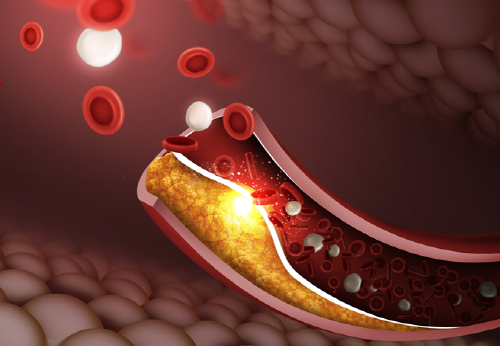
“My health check says ‘borderline.’ What should I change first?”
“Total cholesterol is a bit high—do I need meds right away? Should I confirm my cholesterol numbers or overhaul my cholesterol diet first?”
These are the most common questions I hear. High cholesterol—more precisely, dyslipidemia—means your LDL cholesterol and/or triglycerides (TG) are elevated, or your HDL is low. It often progresses quietly while raising the risk of heart and cerebrovascular disease.
Recent Korean data show the prevalence of dyslipidemia has climbed in the last few years, especially when women’s HDL cut-off is set below 50 mg/dL. In short: more adults are at risk, and consistent, smart management matters.
1) What Counts as “High Cholesterol”? Clear Numbers, Plain Language
Definition: Dyslipidemia (often called “high cholesterol”) includes any of the following:
- LDL-C elevated (or above your risk-based goal)
- Triglycerides elevated
- HDL-C low
Commonly used thresholds
- Total cholesterol (TC): often considered high when >200 mg/dL
- HDL-C: <40 mg/dL for men, <50 mg/dL for women
- Triglycerides (TG): ≥150 mg/dL is typically “elevated”
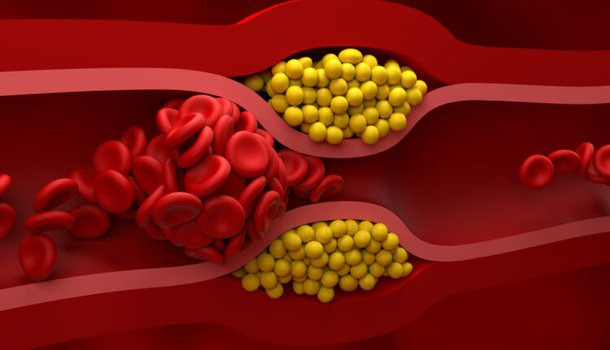
Why this matters: Higher LDL drives atherosclerosis. The core of treatment is bringing each marker—especially LDL—into its target range for your personal risk level.
Key idea: Your LDL target depends on your overall risk (e.g., diabetes, existing cardiovascular disease). Same number, different person—different goal.
2) The Current Landscape: Prevalence and the Care Gap
- Prevalence is high: In national surveys of Korean adults, dyslipidemia remains common, and prevalence rises when applying the stricter HDL cut-off for women (50 mg/dL).
- Rising trend: Analyses of 2007–2022 data show marked growth in hypercholesterolemia, likely tied to aging, diet, sedentary habits, and obesity.
- Care gap: Even with guidance that very-high-risk patients aim for LDL-C <70 mg/dL, real-world care often falls short—highlighting the need for practical, sustainable routines.

3) Why It Happens: Food, Weight, Genes, Sleep, Stress
- Diet: Excess saturated fat, trans fat, and refined sugar can raise LDL and TG.
- Weight & activity: Abdominal obesity and prolonged sitting link to lower HDL and higher TG.
- Genetics: Familial hypercholesterolemia (FH) may push LDL ≥190 mg/dL; early diagnosis and treatment are crucial.
- Sleep & stress: Poor sleep and chronic stress disrupt appetite and metabolism, nudging lipids the wrong way.
4) Eat to Improve Your Numbers: Mediterranean-Style Wins
What the evidence shows: Recent umbrella/meta-reviews associate the Mediterranean diet with fewer cardiovascular events and better metabolic markers (weight, blood pressure, glucose).
Cutting saturated fat works: Reducing SFA lowers LDL-C and is correlated with fewer events (reductions reported up to ~17% in some analyses).
Your practical playbook (Cholesterol Diet Essentials)
- Crowd out SFA & trans fat: Minimize fatty processed meats, deep-fried foods, and pastries.
- Pile on plants: Make whole grains, legumes, vegetables, and fruit your daily base; add nuts and olive oil for heart-healthy fats.
- Fish twice weekly: Especially oily fish to secure omega-3s → helpful for triglycerides.
- Ditch sugary drinks: Fructose-heavy beverages drive TG up; switch to water or unsweetened tea.
- Keep sodium in check: It influences blood pressure—part of your overall cardiovascular risk.
Editor’s tip: Add a photo of a Mediterranean-style plate (½ vegetables & fruit, ¼ whole grains, ¼ lean protein like fish/beans, plus a drizzle of olive oil) near this section for visual impact.
5) Move the Needle with Exercise: Cardio First, Strength as a Booster
What studies suggest (2024–2025): Aerobic training tends to lower TG, total cholesterol, and LDL, with modest HDL gains. Both moderate- and vigorous-intensity programs show benefits.
How to program your week
- 150–300 minutes/week of moderate-intensity cardio (brisk walking, cycling, swimming, jogging—choose what you’ll stick with)
- Strength training 2–3 days/week to reduce abdominal fat and improve insulin sensitivity
- Lifestyle add-ons: Limit alcohol (especially if TG runs high), quit smoking, and aim for ~7 hours of sleep
What improvement looks like: Programs often report mean changes such as LDL −10 to −20 mg/dL, TG −20 to −30 mg/dL, HDL +2 to +4 mg/dL—varying by baseline levels, duration, and intensity.
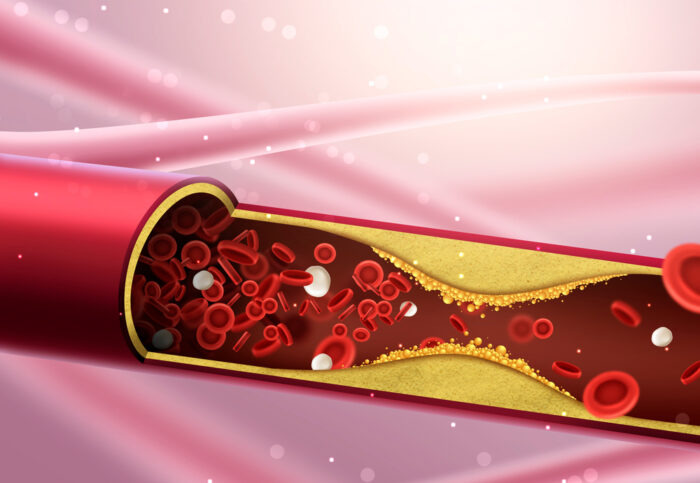
6) Testing, Targets, and Meds: How Low Should You Go?
How often to test: Many adults can test lipids every 4–6 years, but high-risk groups or those on treatment may need more frequent checks—work with your clinician.
LDL-C targets: For very-high-risk individuals (e.g., established ASCVD), guidelines commonly recommend LDL-C <70 mg/dL. Some clinicians aim even lower based on overall risk.
Medication basics
- First-line: Statins (reduce hepatic cholesterol synthesis)
- Add-ons when needed: Ezetimibe and PCSK9 inhibitors to push LDL closer to goal
- Who should consider meds early: LDL ≥190 mg/dL, diabetes with multiple risk factors, or established cardiovascular disease
Reality check: Lifestyle + medication together is the fastest, most reliable path to stable cholesterol numbers.
7) Five Actions You Can Start This Week
- Read labels like a pro: Scan each serving for saturated fat, trans fat, and added sugar; swap for better options.
- Mediterranean plate rule: ½ veggies & fruit, ¼ lean protein (fish/beans), ¼ whole grains, plus 1 tbsp olive oil.
- Schedule your cardio: Block 30–45 minutes, 5 days/week in your calendar. Treat it like a fixed meeting.
- Trade sweet drinks for zero-sugar options: A quick win for triglycerides.
- Re-check in 3 months: After steady diet and exercise, repeat your LDL, TG, HDL panel. If you’re not at goal, review medication options with your clinician.
8) Quick FAQs
Q. Is total cholesterol enough to judge risk?
A. Focus on LDL-C first. If you have ASCVD or high overall risk, your LDL target will be stricter.
Q. Do I have to follow a Mediterranean diet by name?
A. Names don’t lower LDL—principles do: less saturated fat, more plant-forward meals, whole grains, nuts, fish, and olive oil.
Q. How soon will I see changes from exercise?
A. Many people notice 8–12 weeks of steady training brings lower TG/LDL and slightly higher HDL, assuming diet and sleep also improve.
Bottom Line
- High cholesterol = LDL up, TG up, or HDL down—and it’s tightly linked to cardiovascular risk.
- A Mediterranean-style diet and cutting saturated fat are strongly supported by recent reviews.
- Cardio + strength creates reliable improvements across lipid markers.
- LDL targets depend on personal risk; some very-high-risk adults aim for <70 mg/dL.
- Combine daily habits with evidence-based medications when indicated to hit your numbers and keep your heart safer, longer.
Medical note: This article provides general health information. For diagnosis or treatment tailored to your situation, consult your healthcare professional.






최근댓글