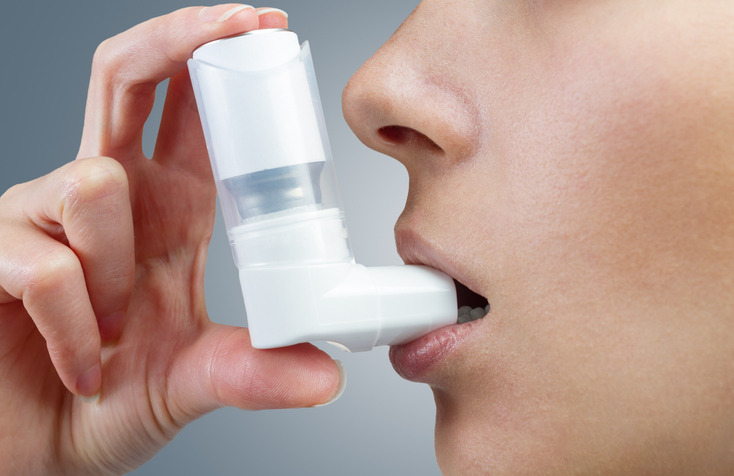
“If your cough won’t go away after a month, it’s probably not just a cold.”
Do you find yourself coughing every night, struggling to breathe, yet your doctor keeps saying it’s just a cold?
If that sounds familiar, it may be time to consider asthma.
Asthma isn’t a simple respiratory infection — it’s a chronic condition caused by inflammation and narrowing of the airways.
According to the World Health Organization (WHO), more than 260 million people worldwide live with asthma, and nearly half of them are unaware of their condition.
The encouraging news is that asthma can be effectively managed.
With proper diagnosis, consistent treatment, and healthy lifestyle habits, you can control your symptoms and lead a normal, active life.
🫁 1. Main Symptoms of Asthma — How It Differs from a Cold
Asthma often mimics cold symptoms, which makes it tricky to identify.
However, if you notice the following signs, your condition might go beyond a simple cold.
✅ Common Asthma Symptoms
- A persistent cough lasting more than 3 weeks, worse at night or early morning
- Shortness of breath or wheezing (a whistling sound when breathing)
- Chest tightness or difficulty breathing after exercise
- A lingering cough even after a cold has passed
If these symptoms keep returning, it’s likely asthma, not a lingering cold.
Nighttime coughing, seasonal flare-ups, and stress-induced breathing difficulty are all classic patterns of asthma.
🌿 2. Causes of Asthma — A Disease Shaped by Lifestyle and Environment
Asthma develops through a combination of genetic and environmental factors.
Modern lifestyles and increased exposure to pollution have made asthma far more common, especially among young adults.
⚠️ Four Major Causes of Asthma
- Allergens — Dust mites, pet dander, pollen, mold
- Environmental factors — Air pollution, cigarette smoke, vehicle exhaust
- Infections — Respiratory infections like colds or the flu
- Stress and sleep deprivation — Weakens the immune system and worsens inflammation
📌 Tip:
Clean your home regularly, and wash bedding in hot water (above 140°F / 60°C) once a week to kill dust mites.
Keep indoor humidity around 40–50%, use an air purifier, and avoid smoking indoors.
These small steps can make a big difference in preventing allergic asthma.
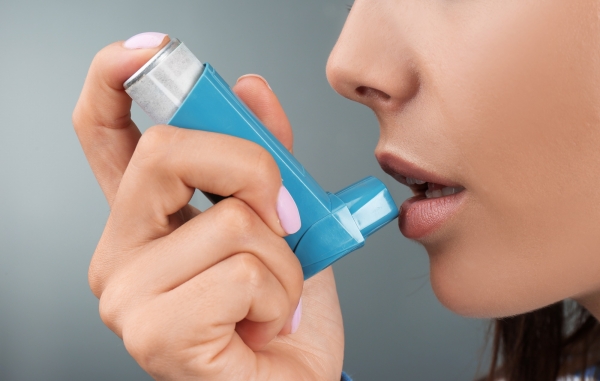
💊 3. Asthma Treatment — Why Inhalers Are the Core of Control
The goal of asthma treatment isn’t to eliminate symptoms overnight but to reduce inflammation and prevent attacks in the long term.
🔹 3 Key Steps in Asthma Treatment
- Inhaled corticosteroids (ICS)
→ The foundation of asthma control; helps reduce airway inflammation. - Bronchodilators (e.g., formoterol)
→ Quickly open up the airways during wheezing or shortness of breath. - Biologic therapies (e.g., tezepelumab)
→ Targeted treatments for severe asthma that doesn’t respond to standard medication.
👉 Important:
Even when you feel fine, do not stop your inhaler without your doctor’s advice.
Asthma can silently worsen when medication is stopped.
Consistency is what prevents severe attacks and hospital visits.

💨 4. What to Do During an Asthma Attack
Asthma attacks can happen suddenly, even in people who are otherwise stable.
Knowing what to do in the first few minutes can make all the difference.
🚑 Emergency Response Steps
- Use your rescue inhaler immediately (as prescribed by your doctor).
- If breathing doesn’t improve, go to the emergency room right away.
- If your lips turn blue or you can’t speak properly, call 911 immediately.
💡 Always carry an asthma emergency kit with you.
For children with asthma, make sure teachers or caregivers know how to use their medication properly.
🏡 5. Preventing Asthma — Five Lifestyle Habits That Help
Asthma management isn’t just about medication.
Your daily habits play a major role in reducing flare-ups and preventing attacks.
| 1. Manage air quality | Avoid outdoor activities on high-pollution days. Keep windows closed. |
| 2. Keep your home clean | Vacuum often and wash bedding in hot water twice a week. |
| 3. No smoking | Never smoke indoors or in cars. |
| 4. Stay active wisely | Choose light exercises like walking or stretching; avoid cold, dry air. |
| 5. Manage stress | Practice deep breathing, meditation, and maintain regular sleep patterns. |
🌱 Research shows that simple lifestyle changes can improve asthma symptoms by 30–40%.
Consistency, not intensity, is the real key to long-term improvement.

📖 6. Asthma Management Tip — Start an “Asthma Diary”
Asthma becomes much easier to manage when you understand your personal triggers.
Writing down daily observations helps you track patterns and causes of flare-ups.
📋 Asthma Diary Example
- Date: November 6
- Weather: Dry, high pollution
- Symptoms: Nighttime coughing
- Inhaler used: ✅ Yes
- Possible trigger: Outdoor dust exposure
Keeping records for just two or three weeks can help your doctor identify your triggers and adjust your treatment plan more precisely.

🌍 7. What Research Says About Asthma Today
According to South Korea’s Ministry of Health and Welfare, asthma cases have increased by about 35% since 2017,
especially among adults aged 20 to 40.
The WHO also warns that environmental pollution and fine dust are now among the biggest global contributors to asthma.
As our living environment changes, our approach to asthma management must evolve as well —
focusing more on prevention, cleaner air, and consistent medical care.
✨ Quick Summary
| Asthma Symptoms | Persistent cough, shortness of breath, wheezing, chest tightness |
| Asthma Causes | Allergens, pollution, infections, stress |
| Asthma Treatment | Inhaled corticosteroids (ICS) as the main therapy |
| Asthma Prevention | Air quality control, cleaning, exercise, sleep |
| Emergency Response | Use inhaler immediately, seek medical help if severe |
🌈 Final Thoughts — “Asthma Can Be Controlled, Not Feared”
Asthma management is less about seeking a cure and more about maintaining control.
Even small actions — using your inhaler correctly, keeping your space clean, managing stress —
can make a world of difference in how easily you breathe each day.
Remember:
Consistency is stronger than any medication.
By following the right habits and treatment, you can live fully — without letting asthma limit your life.
💬 Take a deep breath. Your journey to calmer, lighter breathing starts today.
⚖️ Medical Disclaimer
This article is intended for general health education and awareness.
It should not replace professional medical advice or diagnosis.
Always consult a qualified healthcare provider for personalized guidance.






최근댓글