
“Why isn’t the weight coming off?”
Weight is a number, but a healthy life goes beyond numbers. Overweight and obesity aren’t just about looks—they raise the risk of type 2 diabetes, cardiovascular disease, and certain cancers.
For adults, the World Health Organization (WHO) defines overweight as BMI ≥ 25 and obesity as BMI ≥ 30, noting that excess body fat can harm health. In Korea, waist circumference is also used to flag abdominal obesity—≥ 90 cm for men and ≥ 85 cm for women—which reflects visceral fat and metabolic risk more precisely.
1) Understanding Overweight & Obesity: BMI and Health Risks
BMI (Body Mass Index) is calculated as weight(kg)/height(m)².
- 25–29.9: Overweight
- ≥30: Obesity
BMI isn’t perfect for muscular builds, so pair it with waist circumference and body fat percentage for a clearer picture. Abdominal obesity—driven by visceral fat—is especially risky. Visceral fat fuels inflammation and insulin resistance, elevating the risk for type 2 diabetes, hypertension, and dyslipidemia. The Korean waist criteria (men 90 cm / women 85 cm) reflect these metabolic hazards.
Key takeaway: Overweight and obesity (especially with abdominal obesity) correlate with higher risks of cardiometabolic disease, several cancers, and reduced quality of life.
2) 3-Minute Self-Check: Where Do You Stand?
- BMI: Calculate using current height and weight to see if you fall into overweight or obesity.
- Waist circumference: Men ≥ 90 cm, women ≥ 85 cm suggests abdominal obesity and possible visceral fat accumulation.
- Lifestyle scan:
- Diet: How often are you having ultra-processed foods (UPFs)—instant meals, packaged snacks, sugary drinks? Evidence shows UPFs can drive overeating and weight gain.
- Activity: Are you hitting 150–300 minutes/week of moderate activity (or 75–150 minutes of vigorous activity)?
- Sleep: Short sleep is linked to higher abdominal obesity risk. Aim for 7–8 hours with consistent bed/wake times.
3) The 7-Step, Real-Life Weight-Loss Roadmap
Step 1. Redefine the Goal (Health First)
Go beyond the scale. Focus on a healthy weight, smaller waist, and reducing visceral fat—that’s the metabolic win you want.
Step 2. Calorie Right-Sizing + Protein & Fiber Boost
Create a gentle calorie deficit while prioritizing protein (about 1.2–1.6 g/kg of body weight, with individualization) and fiber (25–35 g/day). This pairing helps satiety, protects lean mass, and supports metabolic health.
Macro splits work best when personalized. Certain approaches (e.g., protein-supplemented low-calorie plans) can help body composition over 12 months when medically supervised. The big picture: protein + fiber + regular exercise is consistently linked with better weight management and cardiometabolic markers.
Step 3. Cut Ultra-Processed Foods (UPFs)
Don’t rely on willpower—change your food environment. Build your cart around whole or minimally processed foods and skip the UPF aisles. Controlled studies indicate that UPF-heavy diets can increase actual calorie intake and weight gain even when calories look similar on paper.
Step 4. Lock in Weekly Activity (150–300 Minutes)
Follow the guidelines: 150–300 min/week of moderate cardio (brisk walking, cycling, swimming) or 75–150 min/week vigorous, plus 2 days of strength training.
Time-crunched? Start with two 15-minute brisk walks per day and let the minutes compound.
Step 5. Reset Sleep Hygiene (7–8 Hours)
Short sleep nudges up abdominal obesity risk. Fix your sleep/wake schedule, dim screens 30 minutes before bed, and avoid late caffeine.
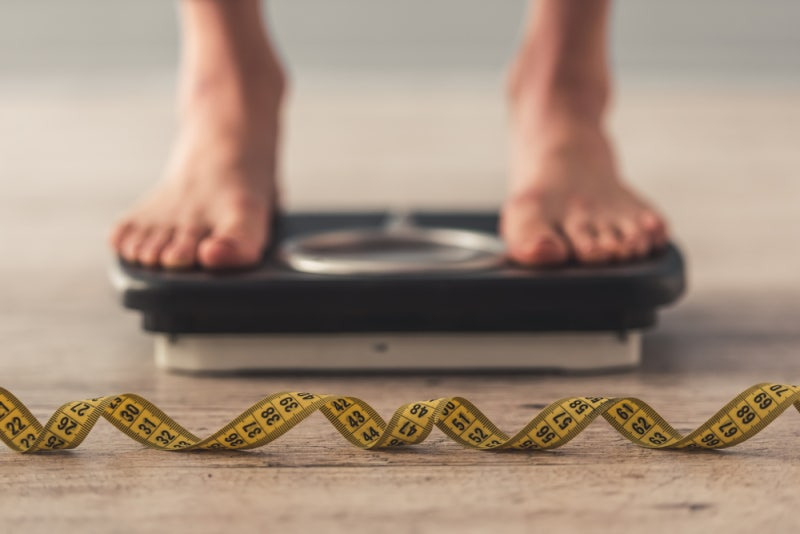
Step 6. Track Progress: Waist, Weight, Photos
Weigh 2–3 times/week; measure waist once weekly at the same day/time. You’ll often see visceral-fat changes in progress photos before the scale catches up.
Step 7. Prevent Rebound: Plan Maintenance From Day One
Design your maintenance routine alongside your weight-loss plan: maintenance calories, non-negotiable activity slots, sleep anchors, and social support. Maintenance is the endgame of lifestyle changes.

4) Diet Guide: “Not Less, but Different”
One-Day Sample (plate- and palm-size cues)
- Breakfast: Half bowl of brown rice, 2 eggs, seasoned veggies, tofu
- Lunch: Chicken breast bibimbap with konjac/veggies, light seasoning
- Snack: Greek yogurt + berries + a few nuts
- Dinner: Salmon or legumes, a large plate of mixed vegetables, a small drizzle of olive oil
Four Ground Rules
- Protein first at every meal
- Two plates of vegetables daily
- Minimize added sugars & UPFs
- Hydration 1.5–2 L/day
Why it works: Emphasizing protein and fiber supports satiety, body composition, and metabolic markers, while scaling back UPFs curbs overeating and weight gain.
5) Workout Guide: A Beginner-Friendly Start
- Weekly target: 150–300 minutes moderate cardio + 2 strength days (squats, push-ups, rows).
- Micro-bursts: Add 3–5-minute “micro walks” each hour at work—those minutes add up.
- For visceral fat: Strength + cardio together tends to beat either alone for abdominal fat and metabolic health. Strength work also supports basal and activity energy expenditure.
6) Five Actionable Tips (Start Today)
- Pre-write your grocery list: eggs, tofu, beans, fish, whole grains, vegetables, nuts. Skip the UPF aisles.
- Fix the eating order: protein → vegetables → carbs. Same calories, better satiety.
- Ditch calorie traps: swap sugary drinks for unsweetened tea or sparkling water.
- Two sleep alarms: one for bedtime, one 30 minutes prior to shut devices and wind down.
- Forget “10,000 steps”; hit weekly minutes: stack walks during commute, lunch, and evening to reach 180 minutes/week and then climb to 150–300 minutes.
7) FAQs
Q1. My BMI is “normal,” but I carry belly fat. Is this still a problem?
Yes. Check waist circumference (≥ 90 cm men, ≥ 85 cm women). Even with a normal BMI, abdominal obesity (visceral fat) increases metabolic risk and warrants management.
Q2. What’s the “best” weight-loss diet?
It varies. The common ground is calorie right-sizing, higher protein and fiber, and fewer UPFs. Intensive plans (e.g., protein-supplemented low-calorie diets) require attention to safety and nutrient adequacy, ideally with professional guidance.
Q3. I missed workouts this week—does the week “not count”?
It still counts. Weekly accumulation is what matters. Even 10–15 minutes/day helps you build toward 150–300 minutes/week.
Key Takeaways & Closing Advice
- Definitions: Overweight and obesity are defined by BMI (25/30); in Korea, waist cutoffs (men 90 cm / women 85 cm) add precision by capturing visceral fat risk.
- Risks: Higher odds of cardiometabolic disease and certain cancers—abdominal obesity requires special attention.
- Strategy: Effective weight loss blends calorie right-sizing, protein & fiber emphasis, UPF reduction, 150–300 min/week activity + 2 strength sessions, and 7–8 hours of sleep—sustainable lifestyle changes beat quick fixes.
- Management: Track weight, waist, and photos; build your maintenance plan from day one.
Your healthy weight journey can start today with a smarter grocery list and a 15-minute brisk walk. Small routines stack up; visceral fat comes down; energy comes back. Bookmark this guide and check off one step per week.
Legal Notice
This content is for educational purposes and is not a substitute for personalized medical advice, diagnosis, or treatment. If you have symptoms or a chronic condition, consult a qualified healthcare professional.






최근댓글