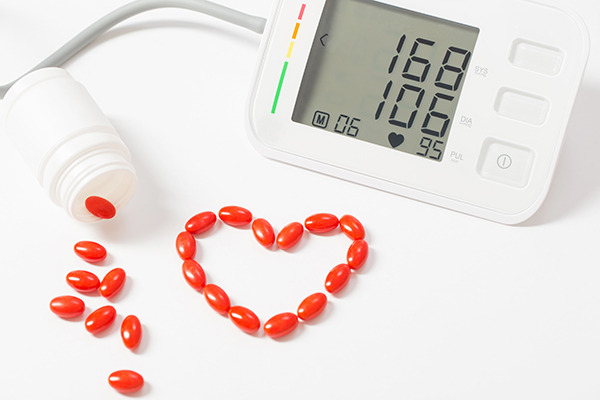
What Should You Do When You’re Told “Your Blood Pressure Is a Bit High”?
Many people hear during a regular checkup or at work that their blood pressure is slightly elevated.
The problem is, hypertension often has no clear symptoms, which is why it’s called the silent killer. Without early management, it can silently increase the risk of heart attacks, strokes, and kidney disease.
Recent updates from both Korean and international medical guidelines emphasize that actively managing blood pressure can significantly reduce the risk of cardiovascular disease.
This guide breaks down everything you need to know — from the causes of high blood pressure to practical lifestyle strategies and medication management — based on scientific evidence and clinical research.
1. What Is Hypertension — and Why Does It Matter?
Hypertension occurs when the pressure inside your arteries remains consistently higher than normal.
According to the latest guidelines, many adults are now classified as hypertensive when systolic blood pressure (SBP) is 130 mmHg or higher, or diastolic blood pressure (DBP) is 80 mmHg or higher. (Target levels may vary depending on age and medical conditions.)
Managing blood pressure is essential because it’s directly linked to preventing stroke, heart attack, and chronic kidney disease — the three major complications that can reduce both quality and length of life.
2. Main Causes and Risk Factors for Hypertension
Hypertension rarely results from a single cause. Multiple factors often combine, including:
- Genetics and age: Family history and aging both increase risk.
- Diet high in sodium: Processed or restaurant foods often contain excess salt.
- Obesity and lack of exercise: Even a 5 % weight loss can significantly lower blood pressure.
- Alcohol, smoking, and stress: Lifestyle habits can cumulatively elevate blood pressure.
- Secondary causes: Sudden or early-onset hypertension can sometimes be due to kidney or hormonal disorders.
Example: A 45-year-old office worker noticed high blood pressure after years of frequent dining out and poor sleep. After six months of moderate exercise and reducing salt intake, his blood pressure returned to the normal range.
3. Symptoms of Hypertension — and Why They’re Easy to Miss
Most people with hypertension experience no noticeable symptoms.
Occasionally, mild dizziness, headaches, chest pain, or shortness of breath may occur, but such signs often appear only after organ damage has already begun.
That’s why regular blood pressure checks are vital. Health authorities recommend an annual or biannual screening for adults, even if you feel fine.
4. Lifestyle Habits That Help Lower Blood Pressure
Below are five evidence-based lifestyle strategies proven to improve blood pressure control:
- Reduce Salt Intake (Under 5 g of Sodium per Day)
- Cut down on soups, sauces, and processed foods.
- Try herbs and spices instead of salt. Studies show that reducing sodium can lower systolic blood pressure by an average of several mmHg.
- Follow the DASH Diet (Dietary Approaches to Stop Hypertension)
- Eat plenty of vegetables, fruits, whole grains, and low-fat dairy.
- Increase potassium and magnesium intake while reducing saturated fat.
- Exercise Regularly (150 Minutes per Week)
- Brisk walking, cycling, or swimming for 30 minutes a day can stabilize blood pressure.
- Maintain a Healthy Weight
- Losing even 5–10 % of your body weight can lead to meaningful blood-pressure reduction.
- Limit Alcohol, Quit Smoking, and Sleep Well
- Excessive drinking and smoking are major hypertension triggers; managing stress and maintaining good sleep hygiene also help.
Each of these habits is strongly supported by systematic reviews and meta-analyses within the past five years, showing measurable benefits for blood-pressure control.
5. Medication Therapy — What You Need to Know
If lifestyle changes alone don’t bring blood pressure to target levels, or if your cardiovascular risk is high, medication may be necessary.
Here are the essential points:
- Types of drugs: ACE inhibitors, ARBs, calcium channel blockers, and diuretics are commonly prescribed depending on your condition.
- Adherence matters: Take your medication consistently — skipping doses can cause dangerous fluctuations.
- Monitor for side effects: Dizziness, cough, or electrolyte imbalance may occur; report persistent symptoms to your doctor.
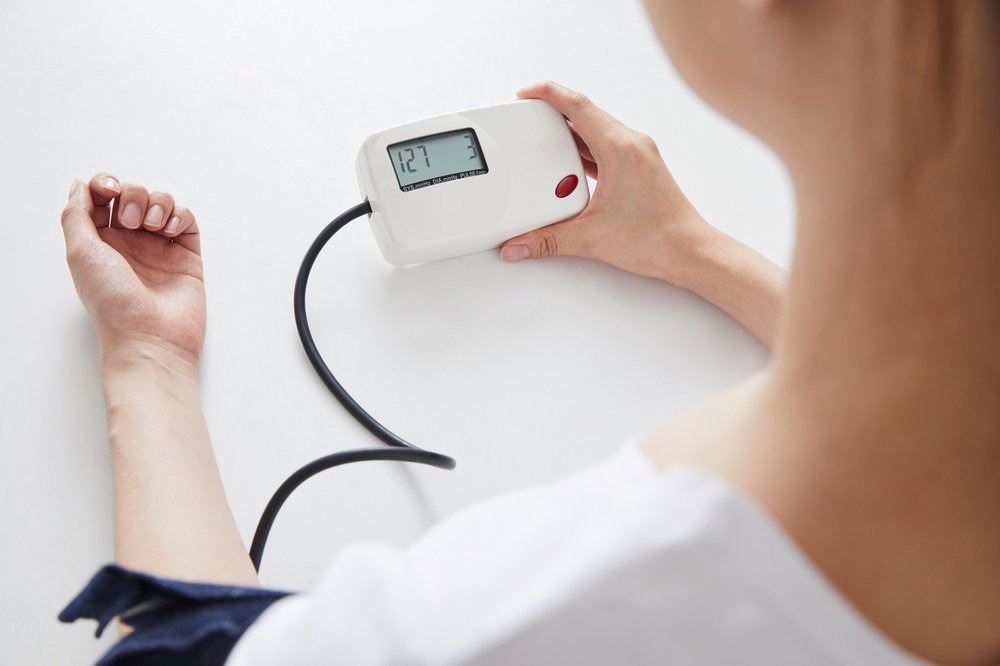
- Track home blood pressure: Record readings regularly using an upper-arm automatic monitor.
- Work with your physician: Target blood pressure is often below 130/80 mmHg for most adults, but individualized goals are important, especially for older adults or those with chronic conditions.
6. Common Questions About Blood-Pressure Management
Q. What type of home blood-pressure monitor should I buy?
Choose an automatic upper-arm model and ensure the cuff size fits your arm circumference.
Q. How often should I check my blood pressure?
For reliable tracking, measure it twice daily — morning and evening — twice per session, and log the results for seven consecutive days.
Q. Do I have to take hypertension medication forever?
Not always. If your lifestyle changes lead to significant improvements, your doctor may gradually reduce your dosage. However, never stop medication without medical supervision.

Key Takeaways & Final Thoughts
- Hypertension is silent but serious. Regular checkups and home monitoring are your best defense.
- Lifestyle habits are the foundation of control. A low-salt DASH-style diet, daily exercise, and healthy weight maintenance remain the cornerstones of treatment.
- Medication is individualized. The right combination and target vary by age and health status, so partner closely with your healthcare provider.
- Small changes add up. Start today — skip that extra spoon of soup, walk for 20 minutes, and track your progress.
Small daily decisions shape your long-term heart health. Begin now — your future self will thank you.
Disclaimer
This article is for educational purposes only. It does not replace medical diagnosis or treatment. For personalized assessment and prescriptions, please consult a qualified healthcare professional.






최근댓글