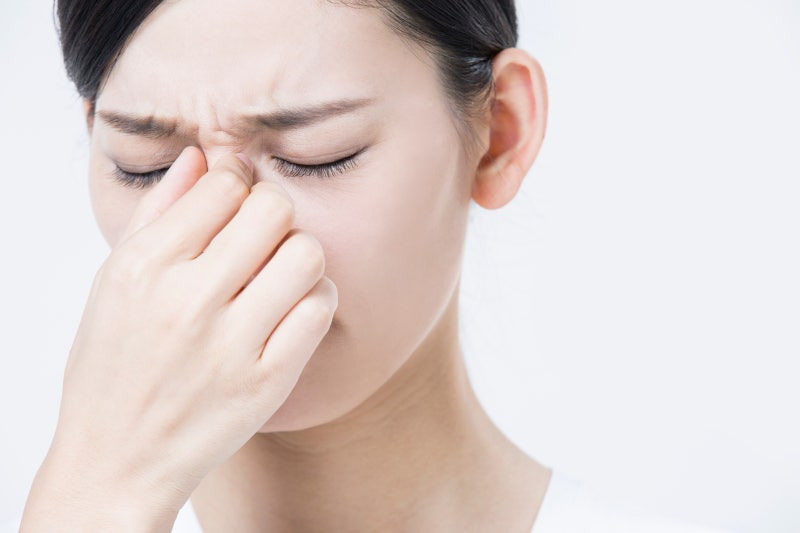
Do you sneeze every morning, struggle with a stuffy nose, or have a lingering cough that just won’t go away?
If this sounds familiar, you might be dealing with an allergic respiratory disease — not just a common cold.
These conditions often include both allergic rhinitis (hay fever) and asthma.
When your nasal passages are inflamed, your airways are likely to be sensitive too.
In short, if your nose is irritated, your lungs can be affected as well.
Common Symptoms to Watch For
- Frequent sneezing and runny nose in the morning
- A cough that lasts longer than three weeks
- Wheezing or a whistling sound when you breathe
- Tightness in the chest during dusty or polluted days
- Symptoms that worsen around pets, pollen, or dust
If you check more than one of these boxes, it’s time to get an allergy test to identify your specific triggers.
What Causes Allergic Respiratory Diseases?
- Dust mites – hiding in bedding, carpets, and stuffed toys
- Pollen – common in spring and fall
- Pet dander – tiny flakes of skin or fur from cats and dogs
- Mold, cigarette smoke, fine dust – indoor air pollutants that worsen inflammation
- Genetics and body type – people with a family history of allergies are more prone
In short, your environment and your immune system work together to trigger allergic reactions.

How Are They Treated?
1️⃣ Medication
- For allergic rhinitis: Second-generation antihistamines and nasal steroid sprays help relieve congestion and sneezing.
- For asthma: The most effective treatment is an inhaled corticosteroid (ICS).
The old approach — using a quick-relief inhaler (SABA) only when symptoms appear — is no longer recommended.
The GINA 2024 guidelines now advise using ICS-containing inhalers as the main therapy for asthma control.
2️⃣ Immunotherapy
This long-term treatment gradually exposes your body to small doses of the allergen — such as dust mites or pollen — to build tolerance.
It usually takes at least three years to show results, but studies suggest it can prevent allergic rhinitis from progressing into asthma.
3️⃣ Air Purifiers & Environmental Management
Air purifiers can help reduce fine dust and airborne allergens, especially in closed indoor spaces.
However, results may vary — it’s best to see them as a supportive tool, not a cure-all.
Everyday Tips to Manage Symptoms
✅ Wash your bedding weekly in hot water (above 60°C) to kill dust mites.
✅ Keep indoor humidity between 40–50% — too much moisture encourages mold growth.
✅ Shower and change clothes right after going outside, especially during pollen season.
✅ Use your inhaler and nasal spray correctly. Rinse your mouth after use and aim nasal sprays slightly outward to avoid irritation.
✅ Avoid smoking and secondhand smoke. It’s one of the biggest triggers for asthma attacks.
These small steps, done consistently, can cut allergy flare-ups by nearly half, according to clinical studies.
Frequently Asked Questions
Q: My symptoms are mild and occasional. Do I still need an inhaler?
→ Yes. Even mild asthma requires treatment with an ICS-based inhaler to prevent inflammation and long-term airway damage.
Q: Is immunotherapy safe?
→ When prescribed and monitored by a specialist, it’s safe and effective. It can reduce symptoms and help you rely less on medication over time.
Q: Do air purifiers really help?
→ They can reduce indoor allergens and fine dust, but they’re not a replacement for medication or regular cleaning. Think of them as extra support for your environment.
Start Taking Care Today
Here’s a quick checklist to keep your airways healthy:
- Wash bedding once a week
- Maintain 45% indoor humidity
- Shower after outdoor activities
- Learn proper inhaler and nasal spray techniques
- Keep a symptom diary (note what triggers your reactions)
Just following these five habits can make a big difference in preventing flare-ups and improving your quality of life.
Final Thoughts
Allergic respiratory diseases may seem harmless at first — “just a little runny nose or cough” —
but if left untreated, they can progress to chronic asthma or persistent bronchitis.
The key is early diagnosis and consistent management.
Start by improving your environment and daily habits.
Sometimes, small lifestyle changes are all it takes to breathe easier again. 🌿
Disclaimer
This content is for educational purposes only and is not a substitute for professional medical advice.
Always consult your doctor for an accurate diagnosis and personalized treatment.






최근댓글