
1. “Suddenly Barking at Night” – This Could Be Croup
If you’re raising a young child, you may have been through a night like this:
“During the day it just seemed like a simple cold.
But in the middle of the night my child suddenly started
barking like a little dog and their breathing sounded strange…”
In that moment, most parents think:
“Is this pneumonia? Asthma? Do we need the ER right now?”
When a barking cough appears together with noisy, rough breathing, one of the first conditions to suspect is croup
(also called pediatric croup or acute laryngotracheobronchitis).
Croup tends to occur most often in children:
- Around 6 months to 5 years old, and
- When the airway just below the vocal cords becomes swollen and narrowed
This swelling leads to:
- A barking, seal-like cough
- A hoarse voice
- A high-pitched, harsh sound when breathing in
Most cases of croup in children gradually improve on their own.
However, some children can progress to severe breathing difficulty and low oxygen levels, which can become an emergency.
That’s why it’s so important for parents to know:
- How far you can safely watch and wait at home, and
- Which signs mean it’s time to go to the doctor or straight to the ER
2. What Exactly Is Croup? (And Why Kids Get It More Often)
What kind of illness is croup?
Croup is the common name for a condition doctors often call:
- Acute laryngitis or
- Acute laryngotracheobronchitis
In simple terms, it’s an infection that causes inflammation and swelling in the upper airway around the vocal cords and windpipe.
Most of the time, it starts out just like a regular cold:
- Runny or stuffy nose
- Mild sore throat or “scratchy” throat
- Low-grade fever
- General cold-like symptoms
Then, at some point you may suddenly notice:
- A “barking” or “seal-like” cough
- A hoarse, raspy voice
- A noisy, high-pitched sound when your child breathes in (like a whistle or squeak)
When those three show up together, doctors often consider it a classic picture of croup in children.
Why does croup happen more in children than adults?
The reason is actually very simple.
- A child’s airway (the tube that carries air to the lungs) is much narrower than an adult’s.
- Even a small amount of swelling inside that tube can dramatically reduce the space for air to flow.
So with the same virus infection:
- An adult may just have a typical “sore throat” or “laryngitis”
- A child, on the other hand, may develop pediatric croup with barking cough and noisy breathing
Which viruses can cause croup?
Croup is usually caused by common cold viruses, such as:
- Parainfluenza viruses (the most common cause)
- RSV (respiratory syncytial virus)
- Rhinoviruses
- Adenoviruses
- Occasionally, coronavirus (including COVID-19) and other respiratory viruses
It’s not one special “croup virus.”
Think of it more as:
“Several different cold viruses that, in a small child’s narrow airway,
can create the same pattern of swelling and croup symptoms.”

3. Key Symptoms That Should Make You Suspect Croup
When it comes to croup, the sound is everything.
Parents can often pick it up just by listening carefully.
Classic signs and symptoms of croup
Here are the features most commonly seen in croup in children:
1) Barking cough
- Very different from a regular dry or wet cough
- Often described as “barking,” “seal-like,” or “like a little dog”
- The sound is sharp, harsh, and seems to “pop” out
This is why we often call it a barking cough.
2) High-pitched noise when breathing in (stridor)
- When your child breathes in, you may hear:
- A squeaky, whistling, or wheezing sound in the neck area
- A “sawing” or “squealing” type noise
- It usually gets worse when the child is:
- Crying
- Agitated or upset
This sound is called inspiratory stridor and is a key sign of upper airway narrowing.
3) Hoarse voice
- Because the area around the vocal cords is inflamed and swollen,
- Your child’s voice may sound husky, raspy, or hoarse,
even when they’re not coughing.
4) Symptoms worse at night or early morning
- During the day, your child might look like they just have a cold.
- But at night—especially after lying down—
the barking cough and noisy breathing often get much worse.
Many parents say,
“They seemed okay at bedtime, but woke up suddenly with that horrible barking cough.”
5) Cold-like symptoms still present
Croup is usually one form of a viral upper respiratory infection, so it often follows a cold.
You may notice:
- Fever
- Runny or stuffy nose
- Sore throat
These symptoms often start a few days before the barking cough appears.
A simple at-home checklist
If your child has a cough tonight, ask yourself:
- Does the cough sound like “barking” or “a little dog”?
- Do you hear a high-pitched, squeaky, or whistling sound when they breathe in?
- When they cry or get upset, does their breathing seem more labored?
- Have they had cold symptoms for a few days, then suddenly developed this barking cough at night?
If you’re answering “yes” to several of these,
it may be more than just a regular cold.
You should keep croup (pediatric croup, acute laryngitis) in mind and consider reaching out to your child’s doctor, especially if you’re unsure how severe it is.

4. What Happens at the Doctor’s Office or ER?
(How Croup Is Diagnosed)
Most croup is diagnosed by “how it looks and sounds”
The process of diagnosing croup in children is usually straightforward.
In many cases, no complex testing is necessary.
At a pediatric clinic or emergency room, doctors typically:
1) Check breathing effort
- How fast your child is breathing
- Whether the chest, ribs, or base of the neck are pulling in with each breath
(this is called retractions and is a sign of increased work of breathing) - Oxygen saturation using a small clip on the finger (pulse oximeter)
This helps determine if your child’s oxygen level is normal or low.
2) Listen to cough and breathing sounds
- Is it that typical barking cough of croup?
- Is there stridor – a harsh, high-pitched noise when breathing in?
- Do the lungs sound clear, or is there also wheezing or crackling deeper in the chest?
3) Decide if further tests are needed
In most children with classic croup, diagnosis can be made based on:
- History (nighttime barking cough after a cold), and
- Physical exam (voice, cough, breathing pattern, and stridor)
Extra tests like:
- X-rays
- Blood tests
are usually only done when:
- The diagnosis is unclear, or
- The doctor is concerned about other conditions such as pneumonia, epiglottitis, or foreign body aspiration.
In other words, croup is mainly a “clinical diagnosis”:
Doctors usually don’t need CT scans or heavy testing.
They make the diagnosis based on your child’s symptoms, sounds, and overall breathing status.

5. Croup Treatment & Home Care
When You Can Watch at Home vs. When to Go to the ER
Croup management can be divided into two big categories:
- Home care and monitoring for mild croup
- Medical treatment in clinic or ER for moderate to severe croup
1) Home care for mild croup
If your child:
- Is breathing comfortably at rest
- Can drink fluids and swallow normally
- Still has energy to play or interact
then the croup is likely on the mild side, and the following steps can help.
a. Keep your child calm
Crying and panic can tighten the airway and make croup symptoms worse.
Try to:
- Hold and cuddle your child
- Speak softly and reassure them
- Turn down bright lights or noise if that helps them settle
The first priority is calming and comforting, not forcing them to lie down or sleep immediately.
b. Help them sit upright
- Slightly elevate the head and upper body with pillows, or
- Let your child sit or lean against you in an upright position
An upright posture can make breathing feel easier than lying flat.
c. Manage room temperature and humidity
- Very dry air can trigger more coughing
- Using a humidifier can help, but:
- Aim for about 40–60% humidity
- Avoid over-humidifying, which can increase dust mites or mold
The goal is simply comfortable, not stuffy and damp.
d. Treat fever and discomfort
- If your child has a fever and seems miserable or in pain,
using a doctor-recommended fever reducer (like acetaminophen or ibuprofen, according to dose guidance) can help them rest and breathe more easily.
Many parents notice that once the fever comes down, their child’s breathing effort looks less intense.
If, with this kind of care, your child:
- Settles down
- Breathes more comfortably
- Has fewer barking cough episodes
then it may be reasonable, in consultation with your pediatrician, to continue monitoring mild croup at home.
2) Red-flag signs: When you should go to the ER right away
On the other hand, the following signs suggest moderate to severe croup and call for urgent evaluation:
- Even when being held, your child’s breathing is very noisy with every breath
- The chest, ribs, or base of the neck pull in deeply with each breath
- Lips or fingernails look bluish or gray (possible cyanosis)
- Your child is too breathless to speak or cry normally, or seems very limp and less responsive
- Croup symptoms suddenly worsen, and your child looks extremely anxious or, conversely, unusually drowsy
In these situations, it’s safer to skip “wait and see” and go straight to the emergency department.
Moderate to severe acute croup can progress quickly, so early treatment makes a big difference.

3) How doctors treat croup in the clinic or ER
Two major medications are central in treating croup in children:
- Steroids (such as dexamethasone)
- Nebulized epinephrine (for more serious cases)
a. Steroids (e.g., dexamethasone)
- A single dose of oral or injected steroid can:
- Improve croup scores within about 2 hours, and
- Keep improving symptoms for 24 hours or more according to multiple studies
- Steroids help reduce airway swelling, leading to:
- Easier breathing
- Less barking cough
- Lower risk of needing hospitalization or returning to the ER
Many parents worry about side effects from steroids.
Current research suggests that short-term use (one or a few doses) for acute croup is:
- Generally safe, and
- Serious side effects are very rare when used appropriately
In other words, for a child struggling to breathe due to croup,
the benefit of quickly opening the airway commonly outweighs the small risk of short-term steroid use.
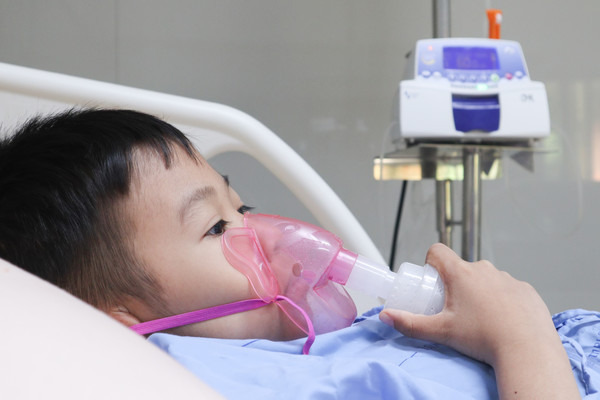
b. Nebulized epinephrine (for moderate to severe croup)
- When a child has significant breathing difficulty and loud stridor even at rest,
doctors may use nebulized epinephrine in the ER. - This medication is inhaled as a mist and can:
- Rapidly reduce airway swelling
- Make breathing easier within minutes
However, because its effect can wear off after a few hours,
children who receive nebulized epinephrine need careful monitoring for some time afterward.
In many countries, this combination of:
- Steroid therapy, plus
- Nebulized epinephrine when needed
is considered standard of care for moderate to severe pediatric croup.

Practical tips for parents
Here are some realistic, everyday tips you can put into practice:
1. Record the cough on your phone
- By the time you get to the ER, the cough may have temporarily calmed down.
- If you can record the barking cough and breathing sound during an episode,
it can be extremely helpful for the doctor.
2. Keep your own “ER checklist” handy
Write down and remember these four red-flag signs:
- Deep chest retractions (chest/neck pulling in with each breath)
- Bluish lips or fingernails
- Child becomes floppy or unusually quiet
- Too breathless to talk or cry normally
If any of these appear, don’t hesitate.
Your note can say: “If I see any of these, we go straight to the ER.”
3. Reduce secondhand smoke and strong scents at home
- Cigarette smoke, heavy perfumes, air fresheners, and scented candles
can irritate sensitive airways and worsen:- Croup symptoms, and
- Other conditions such as bronchitis or asthma
For kids whose croup or wheezing keeps coming back,
it’s especially important to keep the air as clean and neutral as possible at home and in the car.
4. Talk to your child’s regular doctor if this happens every year
If your child tends to:
- Get sick in the fall or winter, and
- Have repeated barking cough episodes year after year
it’s worth discussing the pattern with your pediatrician.
Together, you can talk about:
- Possible triggers
- The child’s underlying allergy or asthma history
- Vaccination plans and preventive strategies
- A personalized plan for what to do as soon as croup symptoms appear

6. Preventing Croup & Daily Habits That Help
You Can’t Prevent Every Case – But You Can Lower the Risk
Because pediatric croup (acute laryngitis) is usually caused by common cold viruses,
it’s impossible to avoid every single infection.
Still, some lifestyle habits can lower the risk and reduce recurrences:
Healthy habits that may reduce croup risk
- Handwashing and cough etiquette
- Teaching children to wash hands often and cover their coughs
- Helps reduce spread of respiratory viruses in daycare, preschool, and at home
- Staying up to date with recommended vaccines
- Vaccines for influenza and COVID-19 (and others recommended by your doctor)
- Can reduce certain viral infections that might trigger croup in children
- Indoor air quality
- Regular ventilation (opening windows when possible)
- Keeping humidity in a comfortable range
- Controlling dust and mold
- Avoiding secondhand smoke
- Smoking inside the home or car is strongly linked to
more frequent and more severe respiratory problems in children,
including croup, bronchitis, and asthma attacks.
- Smoking inside the home or car is strongly linked to
Quick Recap: Croup in Children at a Glance
- What it is:
Croup (pediatric croup, acute laryngitis) is a viral infection of the upper airway that causes swelling around the vocal cords and windpipe. - Typical signs:
- Barking cough (like a small dog or seal)
- Hoarse voice
- Noisy, high-pitched breathing when inhaling (stridor)
- Mild cases:
- Can often be managed at home by:
- Keeping your child calm
- Letting them sit upright
- Managing room humidity and fever
- Can often be managed at home by:
- More serious cases:
- Need prompt medical care
- May be treated with steroids and, in some cases, nebulized epinephrine in the ER
- Prevention:
- Good hand hygiene
- Clean indoor air
- Avoiding secondhand smoke
- Staying current with vaccinations
Final Thoughts
Hearing your child suddenly develop a barking cough in the middle of the night is frightening.
The words “croup” and “acute laryngitis” can sound intimidating at first, too.
The good news is:
- Most children recover well, and
- Knowing what to listen for and when to seek help makes a huge difference.
If that scary cough starts at night:
- Stay as calm as you can.
- Hold your child, help them sit up, and listen carefully to their breathing.
- If you notice any red-flag signs—deep chest retractions, bluish lips, unusual limpness, or trouble speaking/crying—
it’s safest to head to the ER right away, no matter what time it is.
If this guide helped you understand croup causes, symptoms, diagnosis, treatment, and prevention more clearly,
you’ll be better prepared the next time your child’s cough suddenly changes in the middle of the night.
Medical information disclaimer
This article is for general health information and is not a substitute for professional medical advice, diagnosis, or treatment.
If your child has breathing difficulties, high fever, or symptoms that worry you,
please seek care from a doctor or emergency department without delay.






최근댓글