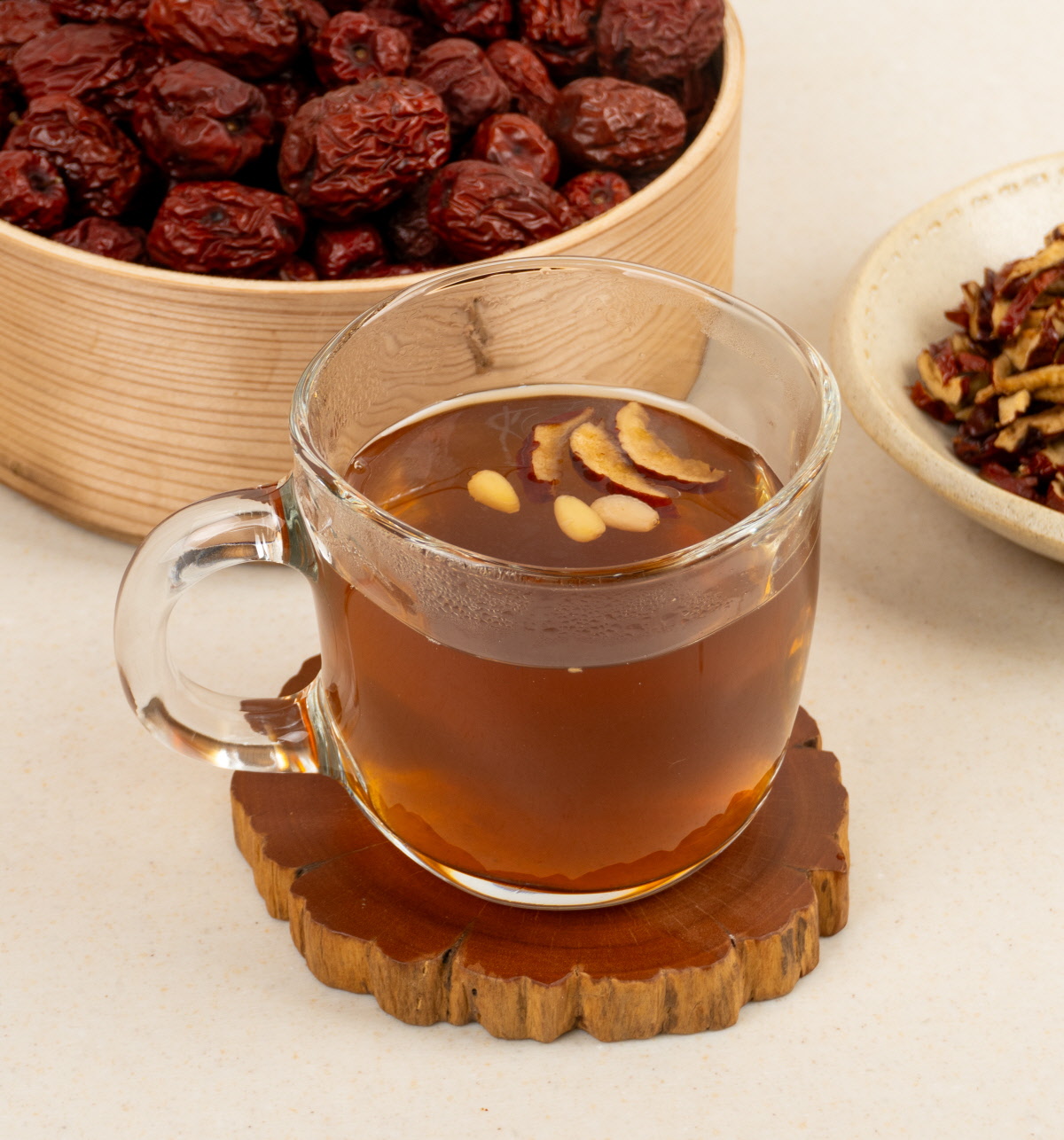
1. Who is jujube tea especially good for?
Jujube is a small fruit packed with vitamin C, potassium, and various antioxidant plant compounds. Dried jujubes keep well and are easy to use in tea, syrup, and medicinal-style cooking.
Jujube tea can be a good fit if you:
- feel constantly tired from work, childcare, or housework
- want to cut back on coffee but still crave a warm drink
- are sensitive to caffeine and sleep poorly after tea or coffee
- feel your hands and feet get cold easily, especially in winter
- crave something sweet but want a slightly better choice than cookies or cake
Jujube tea is:
- caffeine-free
- naturally sweet and comforting
- gentle on the stomach for many people
So when both your body and mind feel drained, a cup of jujube tea can be a soothing little ritual.
Remember though: it’s a supportive tea, not a stand-alone treatment for medical conditions.
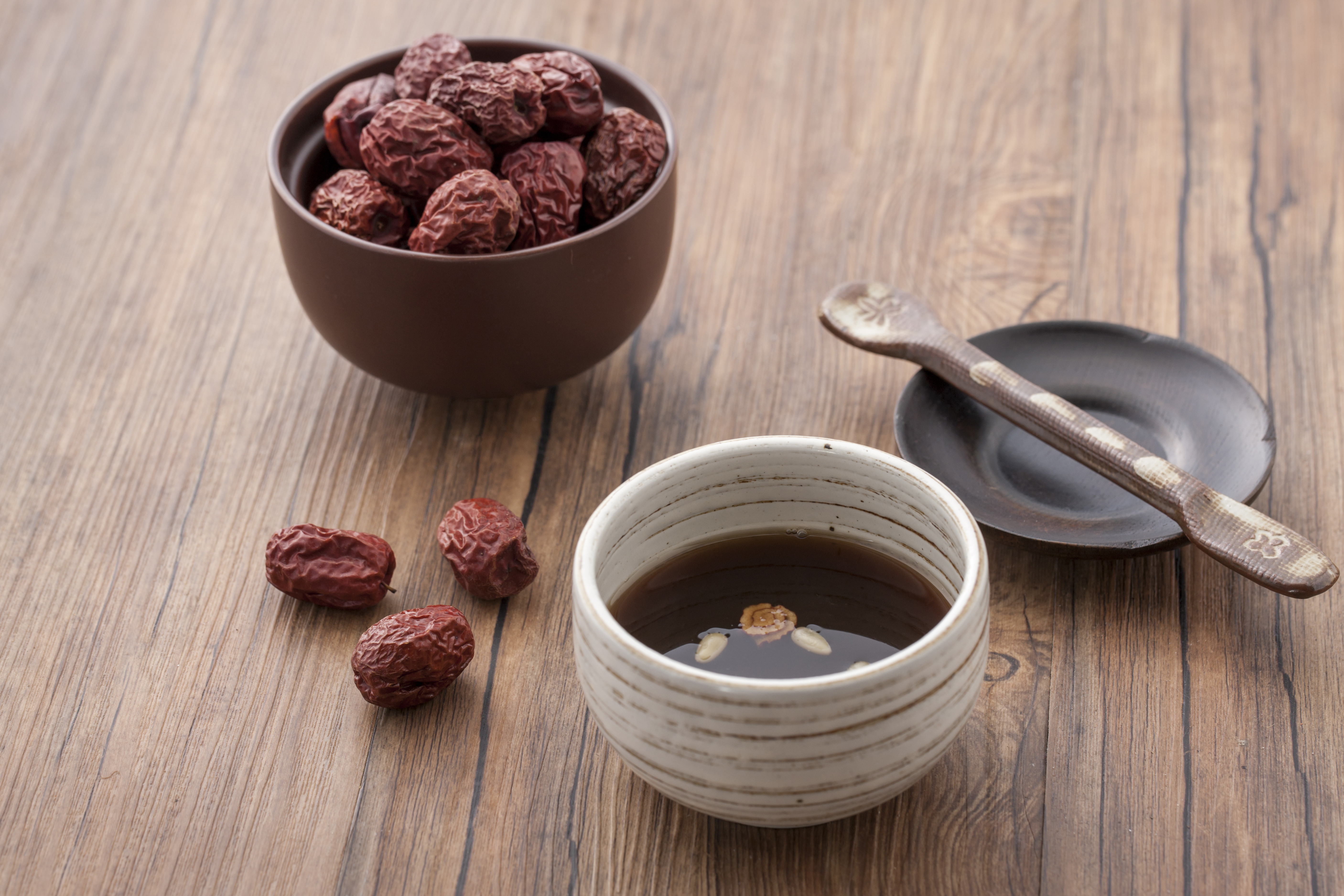
2. Jujube tea benefits: 7 simple takeaways
Let’s start with a quick overview. Commonly discussed jujube tea benefits can be summarized as:
- Antioxidant support → may help immune function
- Warm, sweet tea → may ease sleep problems and mild insomnia
- Fiber and plant compounds → can support digestion and bowel movements
- May help with circulation and fatigue recovery
- Caffeine-free → good replacement for coffee or black tea
- Gentle support during recovery from colds or seasonal fatigue
- Warm drink + pleasant flavor → can help relax the mind and reduce stress
Now, let’s unpack these a bit.
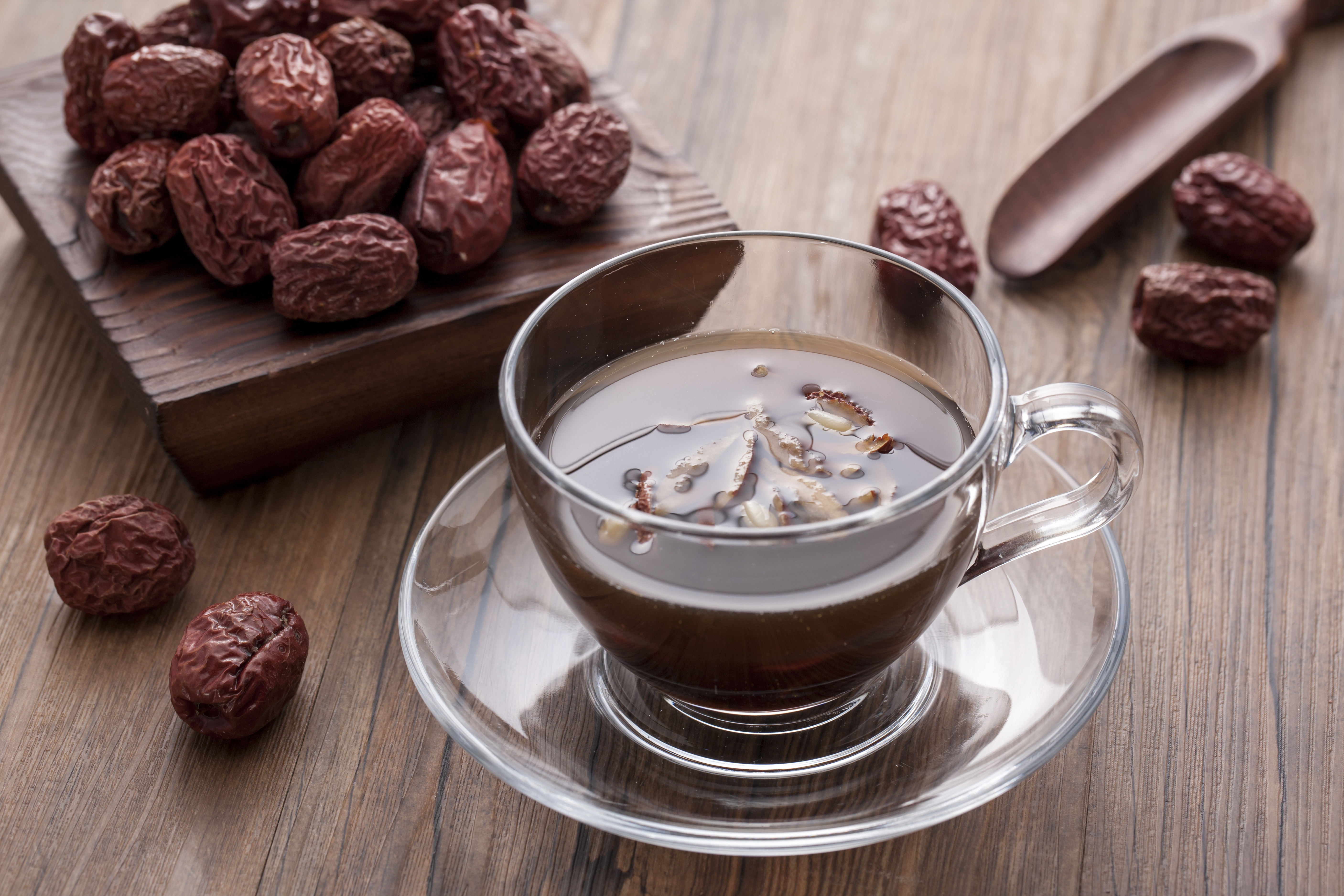
2-1. Antioxidant and immune support
Jujube contains vitamin C and various antioxidant compounds. These help reduce oxidative stress in the body and protect cells from damage.
Recent studies on jujube extracts suggest they may:
- reduce markers of inflammation
- improve certain antioxidant indicators in the blood
A cup of jujube tea will not “boost” your immune system overnight, but together with:
- regular sleep
- a balanced diet
- movement and stress management
it can play a small, supportive role.
2-2. Sleep and mild insomnia
Many people search for “jujube tea for sleep” or “jujube tea insomnia”.
Traditionally, jujube seeds have been used to help with:
- anxiety
- trouble falling asleep
- stress-related tension
Modern research on jujube seed extracts shows promise for improving sleep quality when taken in specific, concentrated forms.
However, the jujube tea you make at home is not the same as a high-dose herbal extract. It’s more realistic to think of it this way:
- warm liquid
- gentle sweetness
- caffeine-free
- a quiet nightly ritual
All of this combined can help your brain shift into “wind-down mode” and make it easier to fall asleep. So, jujube tea isn’t a sleeping pill, but it can be part of a healthy bedtime routine.
2-3. Digestion, bowel movements, and gut comfort
Lightly brewed jujube tea warms the stomach, and the fruit itself contains some fiber and plant compounds that can support gut motility.
People who:
- feel bloated from stress
- often eat cold foods and feel their abdomen is cold
sometimes notice that mild jujube tea makes their stomach feel more comfortable.
Because everyone’s digestion is different, it’s wise to try it for 1–2 weeks:
- start with a mild brew
- drink slowly
- observe how your body feels
If you feel better, you’ve likely found a warm drink that suits your digestion.
2-4. Fatigue and circulation support
Jujube contains natural sugars plus a bit of minerals, which can help provide gentle energy when you’re tired.
Some studies suggest that jujube intake may have a positive influence on:
- blood lipid profile (cholesterol, triglycerides)
- certain blood sugar markers
So when you feel mildly fatigued or your hands and feet are cold and heavy, choosing warm jujube tea instead of another strong coffee can be a more supportive option.
2-5. A caffeine-free warm drink
One of the biggest jujube tea benefits is very simple:
no caffeine.
If you:
- get stomach pain from coffee
- feel your heart racing after tea or energy drinks
- want to reduce caffeine in the evening
then learning how to drink jujube tea can make this transition easier.
You can keep your comforting warm drink habit without the side effects that caffeine sometimes brings.
3. Jujube tea side effects and who should be careful
Now to the other side of the story: jujube tea side effects.
Most problems arise when people drink it:
- too often
- too sweet
- without considering their health conditions
3-1. Diabetes, blood sugar, and weight management
Jujube is a high-sugar fruit.
Just 20–30 g of dried jujube can add roughly 60–90 kcal, and many people:
- boil it strongly
- add sugar, honey, or syrup on top
For people with:
- diabetes
- prediabetes
- insulin resistance
this combination can cause rapid blood sugar spikes.
So for anyone worried about diabetes, jujube tea side effects must be taken seriously.
A safer guideline is:
- 2–3 dried jujubes per serving
- no added sugar, honey, or syrup
- about 1 cup per day, if your healthcare provider agrees
Think of jujube tea as part of your overall carb intake, not something you add on top of an already high-sugar diet.
3-2. Stomach issues and acid reflux
Sweet, warm drinks consumed in large amounts right after meals can:
- distend the stomach
- push stomach contents upward
- worsen heartburn, burping, or reflux
If you:
- digest slowly
- often feel bloated
- have diagnosed acid reflux
you may still enjoy jujube tea, but:
- don’t brew it too strong
- avoid drinking large amounts immediately after eating
- sip it slowly between meals rather than gulping
This way, you can reduce the chance of reflux symptoms.
3-3. Allergies and sensitivities
Some people are sensitive to:
- jujube itself
- added ingredients like ginger or cinnamon
They may experience:
- itching in the mouth
- skin rashes or hives
- other allergy-like symptoms
If you notice unusual reactions after drinking jujube tea:
- stop drinking it
- seek medical advice if symptoms are significant
Better to be cautious and find another herbal tea that suits you more.
4. How much jujube tea per day is reasonable?
A common question is:
“How many cups of jujube tea can I drink a day?”
Research often uses around 20–40 g of jujube per day
(roughly 3–6 dried fruits).
For healthy adults, a practical guideline is:
- 3–6 dried jujubes per day
- 1–2 cups of jujube tea
- brewed gently, not overly sweet
For people with:
- diabetes or prediabetes
- obesity
- high cholesterol or high cardiovascular risk
it’s safer to aim for:
- 2–3 dried jujubes,
- 1 cup per day,
- completely unsweetened
and to discuss it with your healthcare provider if you drink it regularly.
4-1. Jujube tea calories and weight loss
If you’re searching for “jujube tea calories” or “jujube tea for weight loss”, here’s the realistic view:
- 20–30 g dried jujube → about 60–90 kcal
- sugar, honey, or syrup adds extra calories quickly
Jujube tea does not burn fat.
Instead, you can use it strategically:
- reduce or remove cookies, cakes, and sugary drinks
- swap them for mild jujube tea + a small handful of nuts
You’re not losing weight because of jujube tea,
but because your overall calorie and sugar intake is lower and more balanced.
4-2. Is there any caffeine in jujube tea?
Jujube tea is naturally caffeine-free.
That makes it a great choice if you:
- have trouble falling asleep
- want to cut back on coffee
- are sensitive to caffeine’s effects
Just remember: caffeine-free doesn’t mean calorie-free.
Several cups of very sweet jujube tea late at night can still:
- increase total calories
- affect blood sugar
- disturb sleep in some people
Moderation and timing still matter.
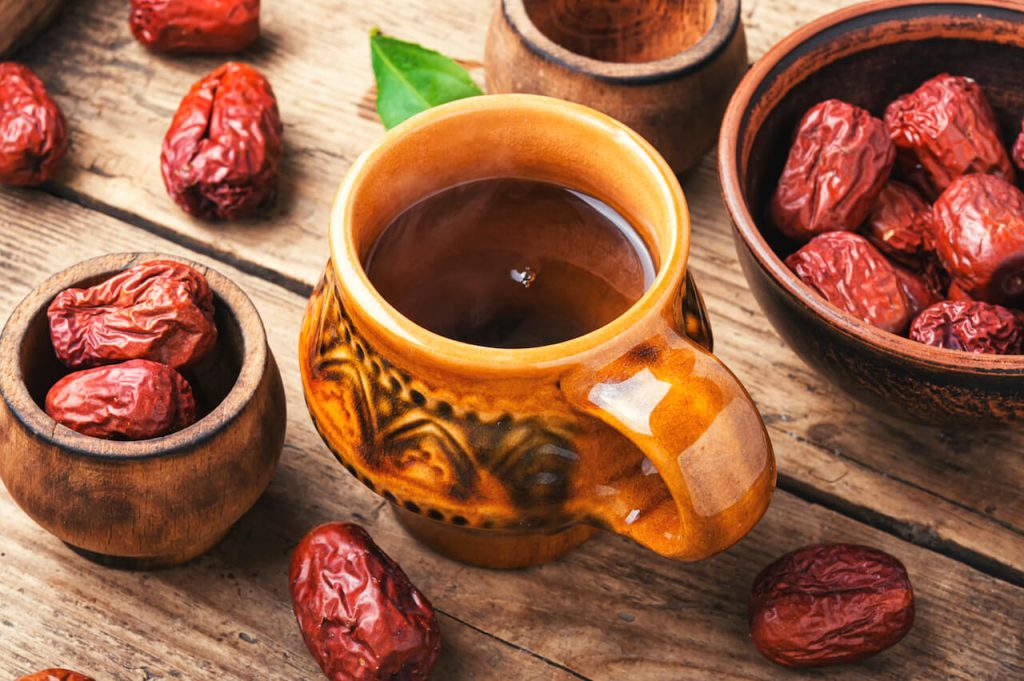
5. How to make jujube tea (and use jujube syrup)
Let’s move on to the practical part: how to make jujube tea at home.
5-1. Basic jujube tea recipe
Ingredients (for 1 serving)
- 3–5 dried jujubes
- 300–400 ml water
- Optional: 1–2 slices of fresh ginger, a small piece of cinnamon stick
Directions
- Rinse the dried jujubes and cut them in half. You can remove the seeds if you like.
- Add water, jujubes, and optional ginger/cinnamon to a pot.
- Bring to a gentle boil, then simmer over low heat for 15–20 minutes.
- Strain into a mug once the color and aroma are rich.
- Taste first, then add just a small amount of honey if needed.
- If you have diabetes or are dieting, it’s best to drink it unsweetened.
5-2. Using jujube syrup (cheong) for quick tea
If you’re busy, you can prepare jujube syrup ahead of time.
- Wash dried jujubes and dry them completely.
- Chop them and layer them in a glass jar with sugar (or oligosaccharide syrup) 1:1 by weight.
- Store in a cool place for about 2 weeks until the syrup forms.
- Add 1–2 spoonfuls of the syrup to hot water for instant jujube tea.
However, jujube syrup is essentially concentrated sugar. To avoid overdoing it:
- limit to 1 cup per day
- do not add extra sugar or honey on top
6. Jujube tea for diabetes, pregnancy, and children
6-1. Diabetes and metabolic syndrome
For people with diabetes or metabolic issues,
jujube tea side effects on blood sugar are the main concern.
If your fasting blood sugar or A1C is high,
it’s best to avoid:
- strong, heavily brewed jujube tea
- any version sweetened with sugar, syrup, or lots of honey
If you still want to enjoy it occasionally:
- use 2–3 jujubes,
- brew it gently,
- drink 1 cup a day at most,
- avoid drinking it with high-carb meals
This is a realistic compromise for many people,
but your personal situation always comes first. When in doubt, talk with your healthcare team.
6-2. Pregnancy and breastfeeding
Jujube has traditionally been used in foods for postpartum recovery,
and in many cases, light jujube tea in small amounts is not a problem.
However, during pregnancy or breastfeeding, especially if you have:
- gestational diabetes
- obesity or high blood pressure
- significant swelling or fluid retention
you need to manage your total sugar intake more carefully.
In these cases, it’s safer to keep jujube tea to:
- a small cup
- unsweetened or very lightly sweetened
- no more than 1 cup per day
and to consider all the other sources of sugar in your diet.
6-3. Children
Children’s body weight is much lower than adults’,
so a “normal” portion of sweet tea can mean a very high sugar load for them.
To make jujube tea safer for kids:
- reserve it for special occasions
- make it very mild and in small portions
- make sure they brush their teeth afterward to protect against cavities
The first time they try it,
watch for any signs of allergy like rashes around the mouth or on the skin.
ㅁㅁㅁㅁㅁㅁ
7. 5 practical lifestyle tips for using jujube tea wisely
Here are five easy ways to put all this into practice.
- Swap your late-night coffee for unsweetened jujube tea
- If you usually drink coffee at night,
replace it with one cup of unsweetened jujube tea. - Your stomach and sleep may thank you.
- If you usually drink coffee at night,
- Use jujube tea as a smarter snack companion
- Instead of cookies or cake, choose
mild jujube tea + a small handful of nuts. - You still get the feeling of a treat, but with less sugar and bad fat.
- Instead of cookies or cake, choose
- Set clear rules for timing and servings
- For example:
“After 3–4 p.m., I only drink caffeine-free tea,
and after 9 p.m., only unsweetened jujube tea, maximum one cup.” - Having a rule stops mindless drinking and snacking.
- For example:
- Combine jujube tea with breathing for stress relief
- While sipping your tea,
breathe in for 3 seconds and out for 6 seconds for about 5 minutes. - Your tea becomes a mini meditation session, not just a drink.
- While sipping your tea,
- Try a 2-week experiment and observe your body
- Drink jujube tea 3–4 times a week for 2 weeks.
- Note your sleep, fatigue, digestion, and weight.
- If you feel better and your numbers stay stable, it likely suits you.
- If not, you’ve learned something important about your body too.

8. Quick summary: jujube tea benefits, side effects, and how to drink it
Jujube tea benefits
- Offers gentle antioxidant and immune support
- May help with sleep, mild anxiety, and stress
- Can support digestion, bowel movements, and mild fatigue
- Serves as a caffeine-free, comforting warm drink
Jujube tea side effects
- Naturally high in sugar and calories
- Can be risky for people with diabetes, obesity, or metabolic syndrome if overused
- May worsen heartburn or reflux when drunk very strong or in large amounts after meals
- Can rarely cause allergic reactions
How to drink jujube tea wisely
- Healthy adults: 3–6 dried jujubes, 1–2 cups a day, lightly brewed, preferably unsweetened
- Diabetes or dieting: 2–3 dried jujubes, 1 cup a day at most, strictly unsweetened
- Jujube syrup (cheong): treat as an occasional sweet treat, not a daily habit
Jujube tea is not something to drink endlessly just because it’s “good for you.”
It’s a gentle, warm drink that works best when you:
- respect your current health condition
- keep portions reasonable
- fit it into an overall balanced lifestyle
Used this way, a cup of jujube tea in the evening can be more than just a beverage.
It can be a small, daily reminder to slow down, breathe, and take care of yourself.
Medical note:
This article is for educational and informational purposes only and does not replace professional medical advice, diagnosis, or treatment. If you have existing health conditions or take regular medications, discuss jujube tea intake with your healthcare provider.






최근댓글