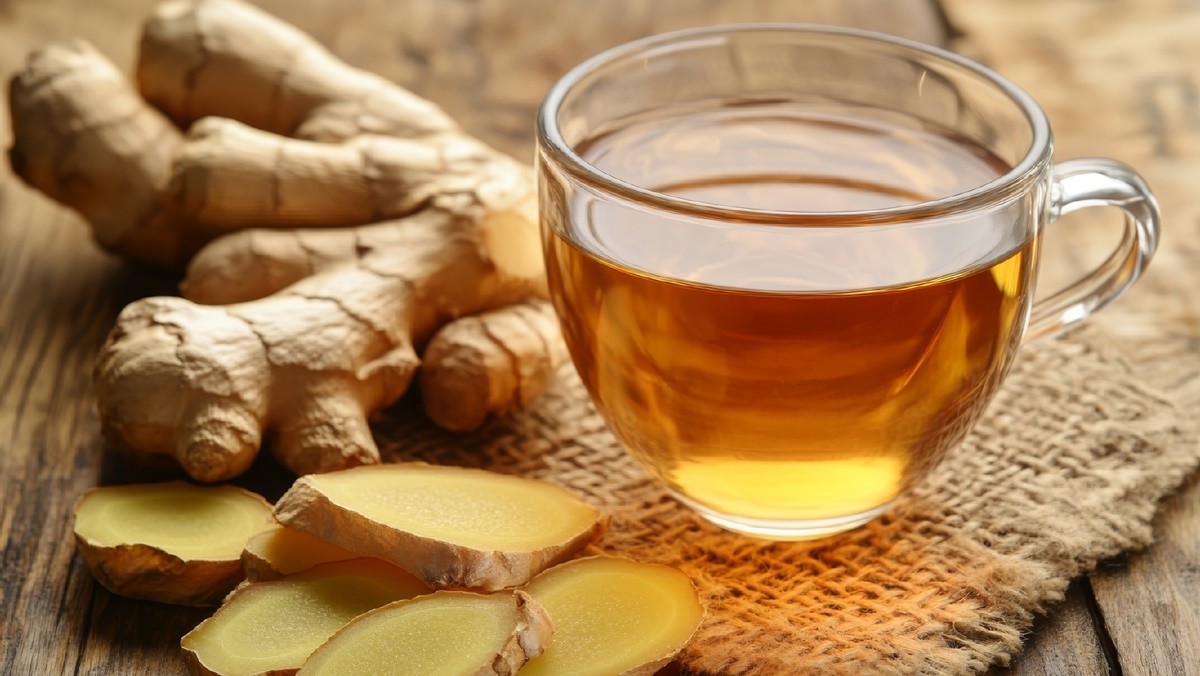
Who Should Consider Ginger Tea?
“My hands and feet are always cold, and it’s hard to fall asleep at night.”
“My stomach often feels bloated and heavy after meals.”
“I feel a cold coming on and want something warm and soothing.”
If any of this sounds familiar, a simple cup of ginger tea might help.
Ginger has been trusted for centuries in traditional medicine and nutrition as a natural remedy.
In the past few years, studies have continued to support its role in improving digestion, easing menstrual cramps, and reducing inflammation.
In this guide, you’ll find everything you need to know about ginger tea benefits, side effects, and how to drink it the right way.
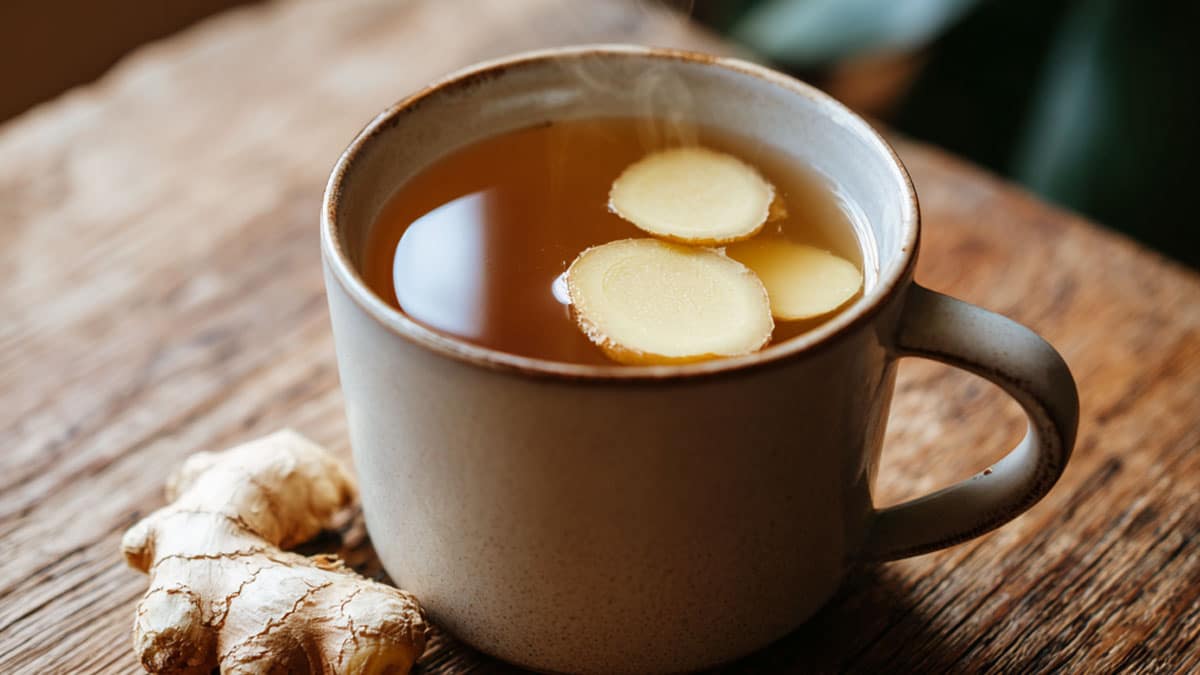
1. Main Benefits of Ginger Tea
1. Warms the Body and Eases Cold Hands and Feet
One of the best-known ginger tea benefits is its warming effect.
The active compound gingerol helps promote blood circulation and gently warms the body from the inside out.
If your hands and feet are often cold or you tend to feel chilly easily, a warm cup of ginger tea can be a simple daily ritual to improve comfort.
2. Helps with Indigestion and Bloating
A cup of ginger tea after a meal can help calm a sluggish stomach.
Ginger supports:
- Healthy stomach acid production
- Activation of digestive enzymes
This makes it especially helpful if:
- You often feel bloated
- You get frequent burping or discomfort after eating
- Your stomach feels “heavy” for a long time after meals
By supporting digestion, ginger tea can make post-meal discomfort less frequent and less intense.
3. Supports Immunity and Cold Prevention
Ginger has antibacterial and anti-inflammatory properties.
When enjoyed regularly as ginger tea, it may help:
- Soothe the throat
- Support the body’s natural defenses
- Shorten the duration of cold symptoms
While ginger tea is not a cure for colds, many people find it a comforting, supportive drink during cold and flu season.
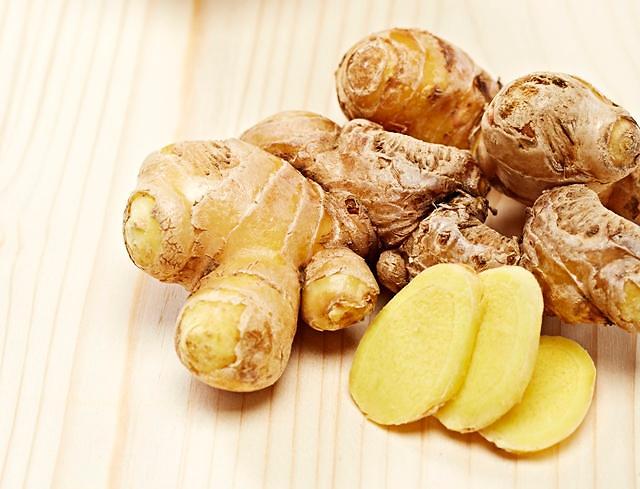
4. Eases Menstrual Cramps
Warm ginger tea may help relax tense abdominal muscles and improve blood flow, which can ease menstrual cramps.
Some analyses have even suggested that ginger can have an effect similar to common pain relievers in reducing menstrual pain intensity.
For people who prefer a more natural option, ginger tea can be a gentle way to manage discomfort on difficult days.
5. Anti-Inflammatory and Antioxidant Support
Compounds in ginger, including gingerol and shogaol, help reduce oxidative stress and inflammation in the body.
With regular intake, ginger tea may support:
- Skin health
- Joint comfort
- General immune balance
This doesn’t replace medical treatment, but it can be a helpful part of an overall healthy lifestyle.
2. Ginger Tea Side Effects and Precautions
Ginger tea is a natural drink, but that doesn’t mean it’s automatically safe for everyone in any amount.
Here are some ginger tea side effects and precautions to keep in mind:
- Heartburn or Stomach Irritation
If you have gastritis, ulcers, or a very sensitive stomach, ginger tea that’s too strong may cause discomfort.
In that case, make it milder and see how your body responds. - Blood-Thinning Effect
Ginger can have a mild blood-thinning effect.
If you’re taking blood thinners such as warfarin or aspirin, talk to your doctor before drinking ginger tea regularly. - Diabetes or Low Blood Pressure
Ginger may slightly lower blood sugar and blood pressure.
People with diabetes or low blood pressure should avoid heavy or excessive intake and monitor their response. - During Pregnancy
Ginger can help ease morning sickness, but it should be limited.
A common guideline is to keep intake around 1 g of dried ginger or less per day, and not to use high doses without medical guidance.
Key takeaway:
If you have a sensitive stomach or a specific medical condition, it’s generally safest to stick with one to two mild cups of ginger tea per day.
3. How to Drink Ginger Tea the Right Way
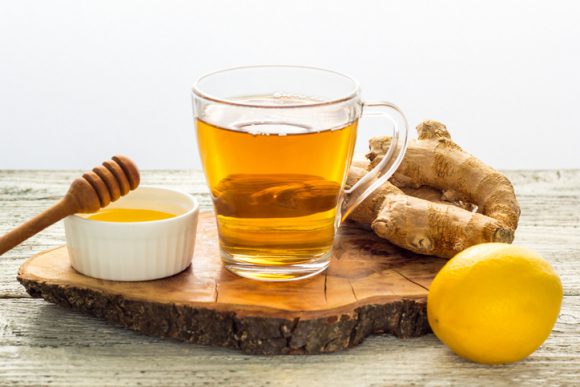
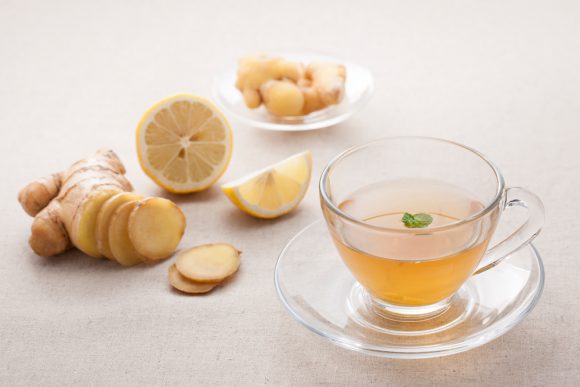
Basic Ginger Tea Recipe (1 Cup)
- 5–6 thin slices of fresh ginger (about 6 g)
- 300 mL (about 10 oz) of boiling water
- Steep for 5–10 minutes
- Add 1 teaspoon of honey if desired (optional)
This simple recipe brings out the warm, spicy aroma of ginger without being too overpowering.
Daily Intake Guide
- Healthy adults:
About 2–3 cups per day (equivalent to 4–6 g of dried ginger) is generally sufficient. - Pregnant individuals:
Ideally 1 cup or less per day, kept under 1 g of dried ginger, and only after discussing it with a healthcare provider. - Best timing:
Drinking ginger tea about 30 minutes after a meal tends to be gentle on the stomach and supports digestion.
Helpful Tips for Better Ginger Tea
- Rather than making it extremely strong, aim for a smooth, gentle flavor.
- If you keep ginger in the fridge, using it with the peel on can help preserve more antioxidants (just wash it well).
- If you want sweetness, try stevia, dates, or lemon instead of a lot of sugar.
4. Healthy Habits You Can Start Today with Ginger Tea
Here are simple ways to turn ginger tea into a practical health habit:
- Avoid drinking on an empty stomach
To reduce stomach irritation, enjoy ginger tea after meals rather than first thing in the morning. - Drink enough water throughout the day
Aim for about 2 liters (around 8 cups) of total fluid per day. Adequate hydration makes ginger’s warming effect feel more balanced and comfortable. - Combine ginger tea with light stretching
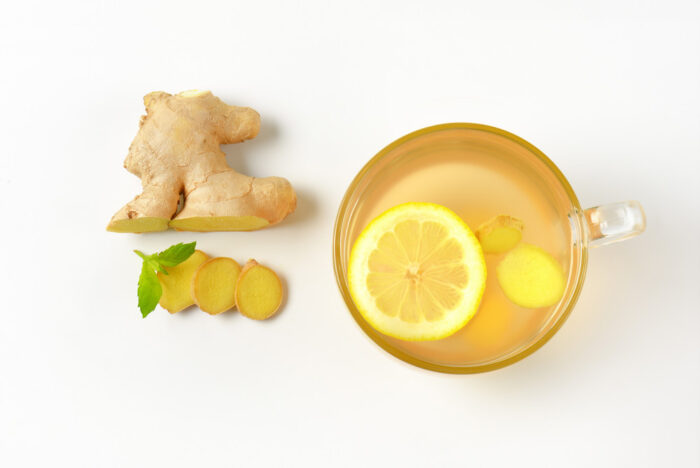
Gentle stretching or walking helps promote circulation, enhancing ginger tea’s warming and anti-cold-hands effect. - Add lemon and a little honey for extra benefits
Lemon adds vitamin C and a refreshing flavor, while a small amount of honey can soothe the throat and support comfort when you feel run-down. - Drink it regularly, not excessively
A good pattern is about 5 days a week, 1–2 cups per day. Consistency matters more than high doses, and too much can lead to irritation.
5. Frequently Asked Questions About Ginger Tea
Q1. Does ginger tea help with weight loss?
Ginger tea alone will not cause dramatic weight loss.
However, it may help with metabolism support and appetite control, especially if you use it to replace sugary drinks.
Swapping soda or sweetened coffee for low-calorie ginger tea can naturally reduce your daily calorie intake, which supports weight management.
Q2. Is ginger tea caffeine-free?
Yes. Ginger tea is a naturally caffeine-free herbal tea.
It’s a great option if you’re sensitive to caffeine or want a warm drink at night without affecting your sleep.
Q3. How should I store ginger tea?
- If you brew a larger batch and keep it in the fridge, try to drink it within 2–3 days.
- For longer-term use, many people prepare ginger syrup or ginger concentrate (for example, ginger and sugar in a 1:1 ratio) and add hot water when needed.
This makes it easy to enjoy ginger tea even on busy days.
6. Final Thoughts: A Small Daily Ritual for Big Comfort
Ginger tea is more than just a warm drink.
It’s a simple, thoughtful way to take care of your body and mind at the same time.
Setting aside just 10 quiet minutes to sip a warm cup can:
- Relax tense muscles
- Ease a heavy stomach
- Bring warmth back to cold hands and feet
- Offer a small moment of calm in a busy day
When your body feels warm, your mind often follows.
Starting today, try ending your day—or finishing a meal—with a gentle, soothing cup of ginger tea.
It might become one of your favorite healthy habits.
Legal Disclaimer
The information in this article is for general health and educational purposes only.
It is not a substitute for professional medical advice, diagnosis, or treatment.






최근댓글