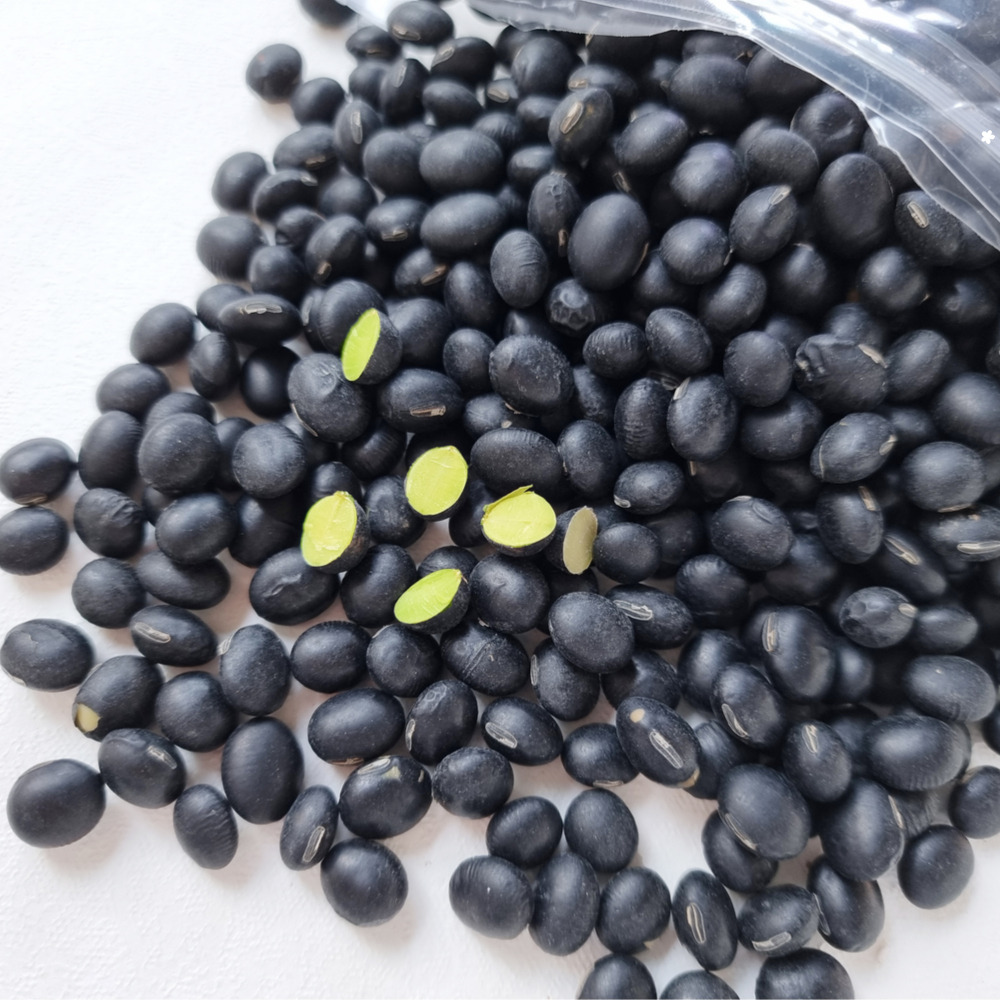
Intro|“Worried about blood pressure or blood sugar—yet want more protein?”
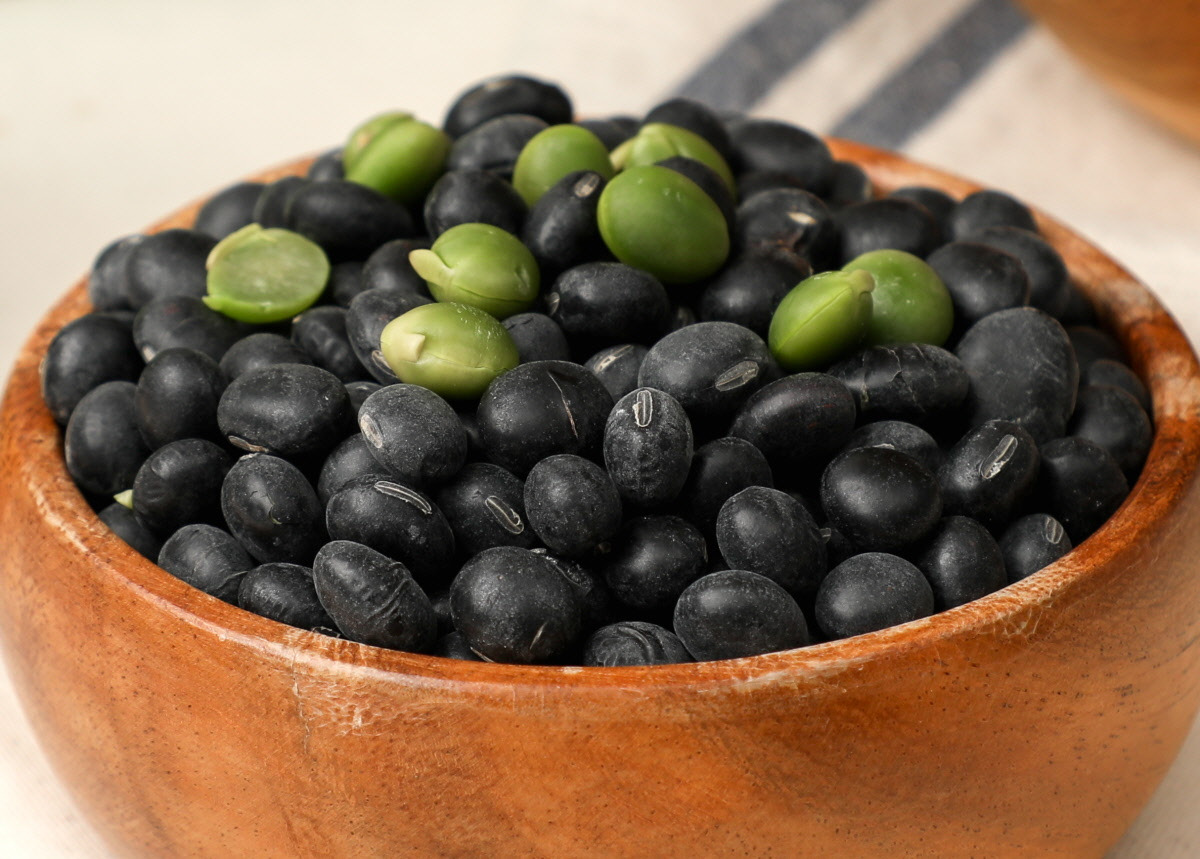
Seoritae, the jet-black variety of soybeans, is rich in anthocyanins and naturally contains isoflavones. Over the past five years, human and review studies have suggested promising signals for antioxidant and anti-inflammatory activity, along with potential support for vascular function, cholesterol, and blood pressure. One 4-week randomized crossover trial even observed improvements in endothelial function and blood pressure after black soybean intake—likely tied to the polyphenols in the dark seed coat. Without overselling, a steady, food-first approach to seoritae can be a practical way to nudge key health markers in the right direction.
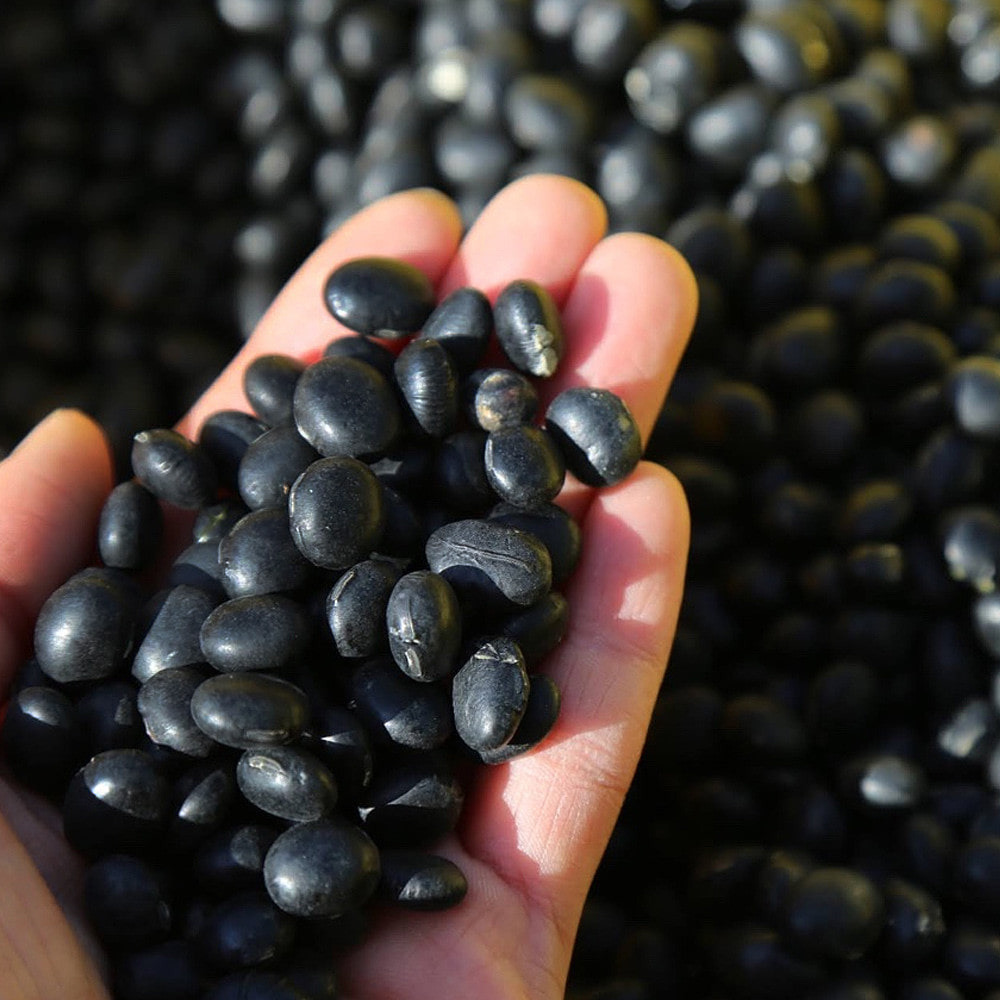
1) What makes seoritae special? “Black skin = anthocyanin power”
- Anthocyanins help counter oxidative stress and calm inflammatory responses. Compared with yellow soybeans, black soybeans (seoritae) typically deliver higher seed-coat polyphenols—especially cyanidin-type anthocyanins—so reviews often find relatively stronger signals for antioxidant, anti-inflammatory, and lipid-supportive effects.
- In human data, the proposed chain looks like this: less oxidative stress → better endothelial function → friendlier blood pressure and vascular health. We aren’t at a “case closed” stage, but the mechanistic and clinical signals are adding up in a consistent direction.
2) Four evidence-backed seoritae benefits
2-1. Vascular health & blood pressure
- In a 4-week randomized, placebo-controlled, crossover RCT (adults, n≈22), 20 g/day of black soybean powder improved endothelial function and blood pressure, alongside favorable changes in oxidative stress markers.
2-2. Lipids (cholesterol) & cardiovascular risk
- A 2024 meta-analysis pooling RCTs on pulse (legume) proteins reported meaningful reductions in LDL-C and other lipid targets. Soy protein falls within this category.
- A 2024 dose–response analysis linked each 3 mg/day increase in isoflavones with a lower risk of CVD/CHD (signal particularly clear in Western cohorts). Food-based intake from seoritae contributes to that overall pattern.
2-3. Blood sugar & weight management
- Polyphenols and polysaccharides from black soybeans may influence the gut microbiome and metabolic pathways tied to insulin resistance, fatty liver, and adiposity (evidence spans preclinical and human work). A simple, real-world tactic is to pair seoritae with lower-GI grains at meals to help soften post-meal glucose spikes.
2-4. Menopausal symptoms
- Isoflavones have gentle estrogen-like activity and are frequently studied for menopausal support. Analyses from 2024–2025 note improvements in certain markers (including blood pressure in some reports), but results vary by individual and study design. Start with food forms (seoritae, tofu, unsweetened soy milk). If results are modest after a few months, consult a clinician before considering supplements.
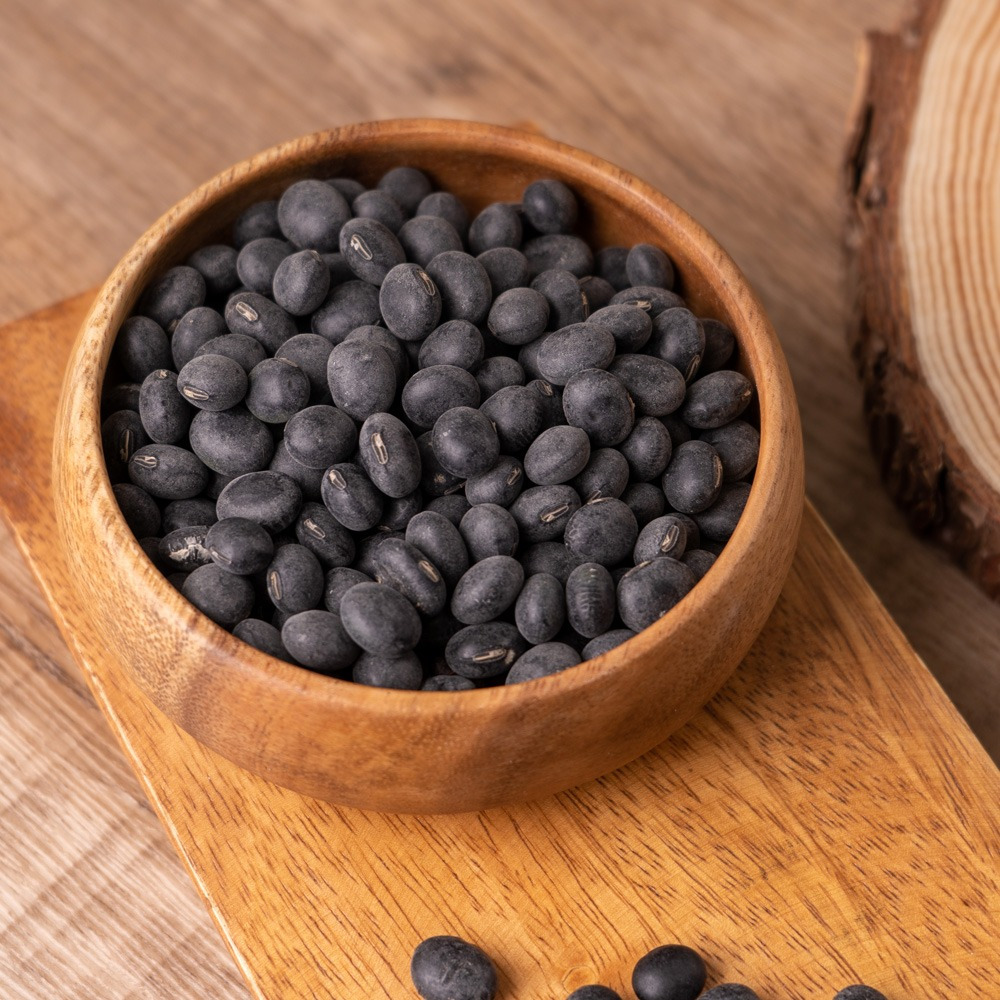
3) How to eat seoritae (practical guide)
Basic prep & cooking
- Soak 6–8 hours: Reduces beany odor and shortens cooking time.
- Simmer 30–40 minutes on low: Skim foam; gentler heat helps prevent split skins.
- Rice ratio: Start with white rice : brown rice : seoritae = 1 : 1 : 0.3 and adjust to taste.
- Storage: Cooked beans keep 3 days in the fridge or 2–3 months in the freezer. Store dry beans in a cool, dry, airtight container.
4 easy recipe ideas
- Seoritae multigrain rice: Cook with brown rice and oats for a filling base.
- Black-soy milk smoothie: Blend cooked seoritae with warm water and a touch of jujube or banana.
- Salad topper: Toss cooked seoritae with olive oil, lemon juice, and nuts.
- Roasted seoritae snack: 160 °C (320 °F) for 12–15 minutes, lightly salted.
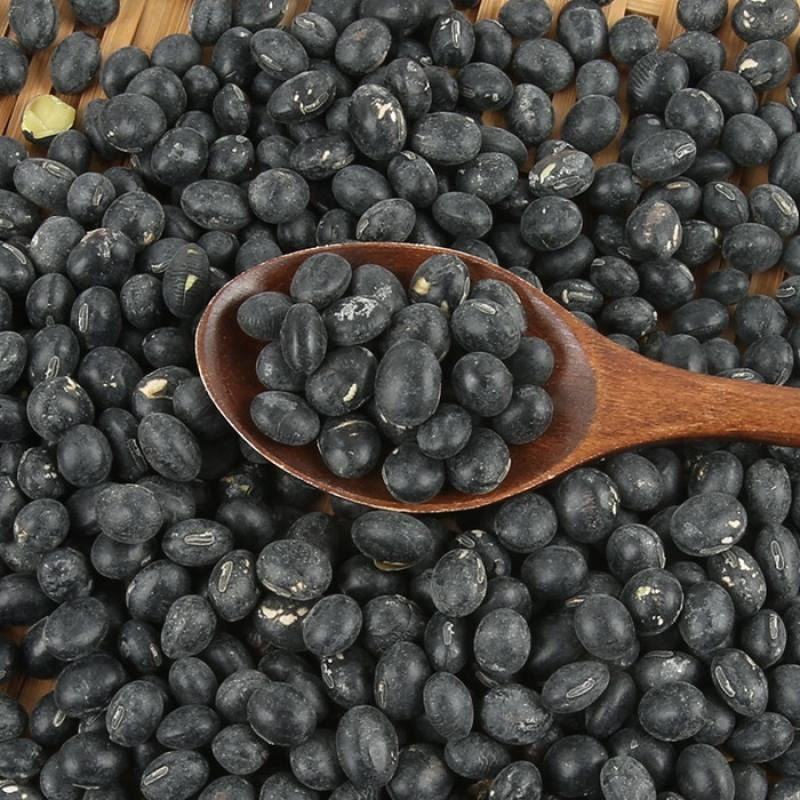
4) Seoritae side effects & cautions (allergy, thyroid meds, supplements)
4-1. Allergy
- If you have a soy allergy, avoid seoritae and read labels carefully—especially processed foods that may contain soy derivatives.
4-2. Taking levothyroxine?
- Soy foods can reduce absorption of levothyroxine. Keep at least a 4-hour gap between the medication and soy foods/drinks. For most people with normal thyroid function, soy foods are not inherently harmful; for those on thyroid medication, timing is the key detail.
4-3. High-dose isoflavone supplements
- The EFSA has stated that isoflavone supplements for postmenopausal women appear generally safe with no clear evidence of specific organ toxicity. Still, supplements aren’t food, and responses vary. If you have conditions or take medications, talk with your clinician first. A food-first strategy (seoritae, tofu, unsweetened soy milk) is the prudent starting point.
5) FAQ|Daily intake, timing, and storage
Q1. How much per day?
Aim for 20–40 g dry beans (about 60–120 g cooked) within a balanced diet. If you also eat tofu or soy milk, count them together so you don’t overshoot.
Q2. I’m on medication—when should I eat them?
If you take levothyroxine, leave at least 4 hours before having seoritae or soy milk. Many people take the medication first thing in the morning, then schedule soy foods at lunch or dinner.
Q3. What’s the best storage method?
Cooked beans: refrigerate for up to 3 days, freeze for 2–3 months, and thaw slowly in the fridge. Dry beans: airtight, cool, and dry.
5 simple, actionable routines (checklist)
- Dinner swap: 3–5 nights a week, try brown-rice : seoritae = 1 : 0.3. You’ll trim excess refined carbs while boosting protein and fiber—the simplest how to eat black soybeans habit.
- Protein snack: Replace cookies or chips with 20 g roasted seoritae. Fullness up, added sugars down.
- Morning start: 200 mL unsweetened black-soy milk to keep seoritae benefits consistent.
- BP-friendly combo: Think lower sodium + veggies & nuts + seoritae, edging your meals toward a DASH-style pattern.
- Menopause tracker: Try food sources for 8–12 weeks, track symptoms, then discuss supplements with your clinician if needed.
Key takeaways (3-sentence version)
- Seoritae benefits stem from anthocyanins in the black seed coat and isoflavones in soy; human trials have shown signals for better endothelial function and blood pressure.
- The most practical how to eat black soybeans method is soak → simmer → mix into rice. A realistic daily intake is 20–40 g dry (≈60–120 g cooked).
- Seoritae side effects are uncommon, but those with soy allergy should avoid them, and anyone on levothyroxine should keep a ≥4-hour gap for safe absorption.
Medical note: This article is educational and not a substitute for professional diagnosis or treatment. Seek medical advice for symptoms or conditions.






최근댓글